Seasonal landscape maintenance keeps a yard healthy by doing the right work at the right time: spring cleanup and pre-emergent, summer mowing and feeding, fall aeration and leaf removal, and winter pruning and planning. Each season builds on the last, so the yard needs fewer big fixes.
A beautiful landscape does not happen by accident. Healthy lawns, thriving plants, vibrant flower beds, and attractive outdoor spaces require consistent care throughout the year. While many homeowners focus on landscaping projects during the spring and summer months, successful landscapes depend on maintenance that adapts to changing seasonal conditions.
Seasonal landscape maintenance is the practice of performing specific tasks during each season to support plant health, protect outdoor features, and prepare the yard for upcoming weather conditions. From spring cleanup and summer watering to fall leaf management and winter protection, each season presents unique opportunities to improve the health and appearance of your property.
Investing in seasonal landscape maintenance offers numerous benefits beyond aesthetics. It helps prevent costly problems, encourages healthy plant growth, improves property value, and ensures your yard remains attractive year-round. Understanding the importance of seasonal care can help homeowners protect their landscaping investment while enjoying a healthier outdoor environment.
Why Seasonal Landscape Maintenance Matters
Landscapes are constantly affected by weather, temperature fluctuations, rainfall patterns, sunlight exposure, pests, and plant growth cycles. A maintenance approach that works during one season may not be effective during another.
Seasonal maintenance allows homeowners to address changing conditions proactively rather than reacting to problems after they develop.
Benefits include:
- Healthier plants and trees
- Stronger lawns
- Improved curb appeal
- Better pest and disease prevention
- Reduced maintenance costs
- Increased property value
- Enhanced outdoor enjoyment
Regular seasonal care creates a healthier ecosystem that supports long-term landscape success.
Spring Maintenance: Setting the Foundation for Growth
Spring is one of the most important seasons for landscape maintenance. After months of winter dormancy, plants and lawns begin actively growing again.
Proper spring maintenance helps prepare the landscape for a productive growing season.
Lawn Cleanup and Preparation
Winter often leaves behind debris such as fallen branches, leaves, and dead grass. Removing this material improves airflow and allows sunlight to reach the lawn.
Spring lawn preparation typically includes:
- Raking debris
- Removing thatch buildup
- Aerating compacted soil
- Overseeding thin areas
- Applying fertilizer
These steps encourage healthy root development and promote lush, green growth.
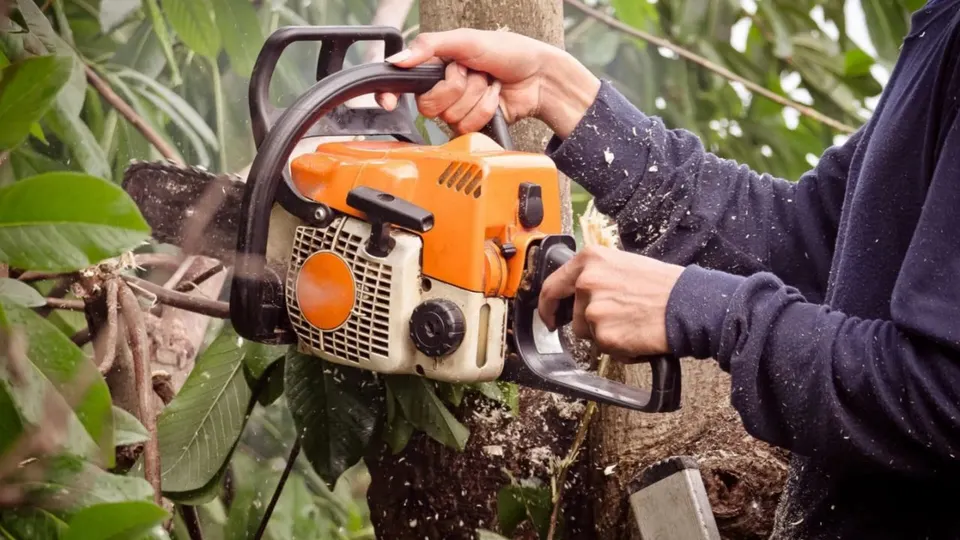
Pruning and Trimming
Spring is an ideal time to remove damaged or dead branches from trees and shrubs.
Pruning provides several benefits:
- Improves plant shape
- Encourages new growth
- Enhances airflow
- Reduces disease risk
- Improves overall appearance
Proper pruning helps plants direct energy toward healthy growth rather than maintaining damaged sections.
Mulch Installation
Adding fresh mulch in spring provides numerous advantages.
Mulch helps:
- Retain soil moisture
- Regulate soil temperature
- Suppress weeds
- Improve soil quality
- Enhance visual appeal
A fresh layer of mulch also gives landscape beds a clean and polished appearance.
Planting Opportunities
Spring offers favorable conditions for installing new plants, shrubs, flowers, and trees.
Cool temperatures and increased rainfall allow root systems to establish before the stress of summer heat arrives.
Summer Maintenance: Protecting Against Heat Stress
Summer brings longer days, higher temperatures, and increased water demands. Without proper care, lawns and plants can quickly become stressed.
Seasonal maintenance during summer focuses on preserving plant health and preventing damage.
Efficient Watering Practices
Water management becomes critical during hot weather.
Proper watering:
- Supports healthy root growth
- Prevents drought stress
- Reduces disease risks
- Conserves water
Deep, infrequent watering is generally more effective than frequent shallow watering.
Early morning irrigation is often recommended because it reduces evaporation and allows plants to absorb moisture efficiently.
Monitoring for Pests and Diseases
Warm weather creates ideal conditions for many landscape pests and diseases.
Common summer issues include:
- Insect infestations
- Fungal diseases
- Brown patches in lawns
- Plant stress symptoms
Regular inspections help identify problems before they spread throughout the landscape.
Early intervention often reduces the need for extensive treatments.
Mowing Properly
Many homeowners make the mistake of cutting grass too short during summer.
Short grass:
- Increases heat stress
- Weakens root systems
- Encourages weed growth
- Reduces drought tolerance
Maintaining the proper mowing height helps lawns remain healthier and more resilient during hot weather.
Weed Control
Weeds compete with desirable plants for nutrients, sunlight, and water.
Seasonal weed management prevents aggressive weeds from establishing themselves and spreading throughout the yard.
Consistent monitoring and treatment help preserve the appearance and health of landscape beds and lawns.
Fall Maintenance: Preparing for Cooler Weather
Fall serves as a transition period between active growth and winter dormancy. This season presents valuable opportunities to strengthen landscapes before colder temperatures arrive.
Leaf Removal
While some leaves can provide organic matter, excessive leaf accumulation can smother grass and create favorable conditions for disease.
Benefits of leaf removal include:
- Improved lawn health
- Better airflow
- Reduced fungal growth
- Enhanced appearance
Regular leaf cleanup helps maintain a healthier yard throughout the season.
Lawn Fertilization
Fall is one of the best times to fertilize lawns.
During this season, grass focuses on root development rather than top growth.
Fall fertilization:
- Strengthens roots
- Improves winter survival
- Encourages spring green-up
- Enhances nutrient storage
A healthy root system prepares the lawn for seasonal challenges.
Aeration and Overseeding
Soil compaction can restrict water, oxygen, and nutrient movement.
Fall aeration helps:
- Relieve compaction
- Improve drainage
- Enhance root development
- Increase nutrient absorption
Overseeding at the same time can fill thin areas and improve lawn density.
Tree and Shrub Care
Fall provides an excellent opportunity to evaluate trees and shrubs before winter arrives.
Maintenance tasks may include:
- Removing dead branches
- Structural pruning
- Inspecting for disease
- Applying protective treatments
Addressing problems before winter can prevent damage during storms and freezing conditions.
Winter Maintenance: Protecting Landscape Investments
Many homeowners assume landscaping maintenance ends once winter arrives. However, winter care plays an important role in protecting plants and outdoor features.
Protecting Sensitive Plants
Cold temperatures, frost, and freezing winds can damage vulnerable plants.
Protective measures may include:
- Applying winter mulch
- Using protective coverings
- Wrapping young trees
- Shielding delicate shrubs
These precautions help minimize winter injury.
Preventing Tree Damage
Winter storms can place significant stress on trees.
Regular inspections help identify:
- Weak branches
- Structural concerns
- Potential hazards
Addressing these issues before severe weather reduces the risk of property damage.
Monitoring Drainage Systems
Winter precipitation can reveal drainage problems that may not be obvious during drier months.
Checking drainage systems ensures they remain clear and functional throughout the season.
Proper drainage helps protect both landscapes and home foundations.
Planning Future Improvements
Winter provides an ideal opportunity to evaluate landscape performance and plan future projects.
Homeowners can assess:
- Areas needing renovation
- Plant replacement opportunities
- Hardscape additions
- Design improvements
Strategic planning during winter helps ensure successful implementation when growing seasons return.
Improved Plant Health Through Seasonal Maintenance
One of the greatest benefits of seasonal landscaping is improved plant health.
Plants require different care throughout the year based on growth cycles and environmental conditions.
Consistent seasonal maintenance supports:
- Strong root systems
- Healthy foliage
- Increased flowering
- Better nutrient uptake
- Improved disease resistance
Healthy plants are better equipped to withstand environmental stress and recover from adverse conditions.
Enhanced Lawn Performance
Lawns often serve as the focal point of residential landscapes.
Seasonal lawn care promotes:
- Rich green color
- Dense growth
- Weed resistance
- Disease prevention
- Improved durability
A healthy lawn not only enhances appearance but also improves outdoor usability for recreation and relaxation.
Reduced Pest and Disease Problems
Many landscape problems develop gradually and may go unnoticed until significant damage occurs.
Seasonal inspections help identify issues early.
Benefits include:
- Faster treatment
- Lower treatment costs
- Reduced plant damage
- Improved landscape health
Preventative maintenance is often more effective and affordable than corrective measures.
Increased Property Value
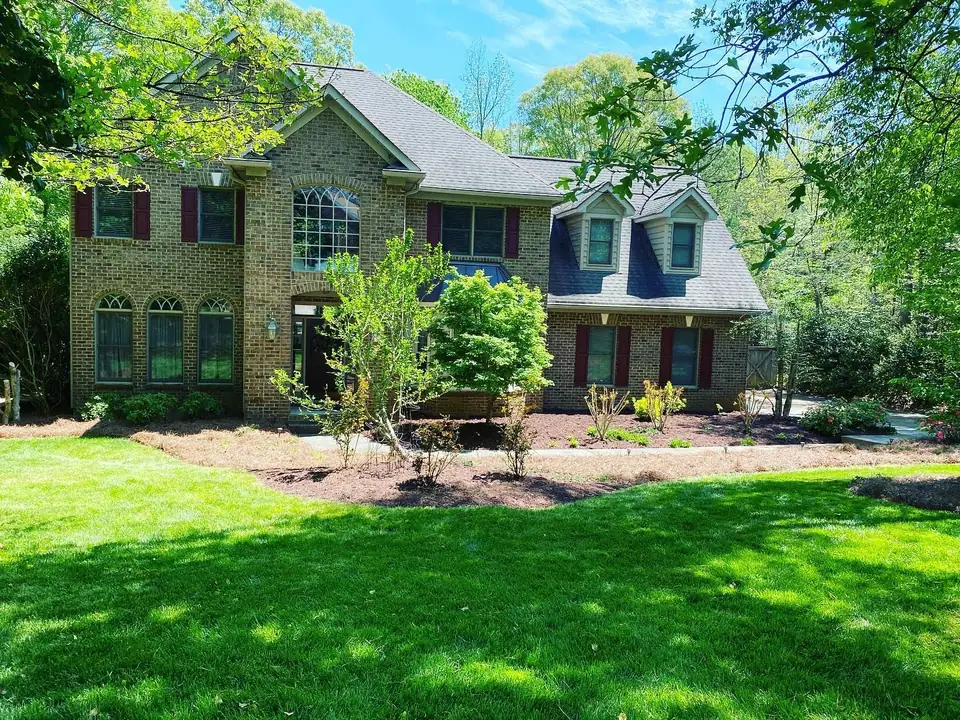
Landscaping plays a major role in property value and curb appeal.
Well-maintained landscapes create positive first impressions and demonstrate pride of ownership.
Potential buyers often view attractive landscaping as an indication that the property has been properly cared for overall.
Seasonal maintenance helps preserve and enhance this value over time.
Better Water Management
Efficient water use has become increasingly important for homeowners.
Seasonal landscape maintenance helps improve water efficiency through:
- Proper irrigation adjustments
- Mulching
- Soil improvement
- Drainage management
- Plant selection
These practices support healthier landscapes while reducing water waste.
Greater Outdoor Enjoyment
A healthy landscape creates opportunities for relaxation, entertainment, and recreation.
Seasonal maintenance helps ensure outdoor spaces remain:
- Safe
- Functional
- Attractive
- Comfortable
Whether hosting gatherings, spending time with family, or simply enjoying nature, a well-maintained yard enhances the overall outdoor experience.
Long-Term Cost Savings
Some homeowners delay maintenance in an effort to save money. Unfortunately, neglected landscapes often require expensive repairs and renovations later.
Seasonal maintenance can help avoid:
- Plant replacement costs
- Drainage repairs
- Pest infestations
- Lawn restoration expenses
- Tree removal costs
Preventative care is typically far more affordable than correcting major landscape problems.
The Value of Professional Seasonal Landscape Services
While homeowners can perform many maintenance tasks themselves, professional landscape services offer valuable expertise and efficiency.
Professionals can:
- Develop customized maintenance plans
- Identify hidden issues
- Perform specialized treatments
- Maintain irrigation systems
- Execute seasonal transitions effectively
Their knowledge helps ensure landscapes receive appropriate care throughout the year.
Professional maintenance can also save homeowners significant time and effort while delivering superior results.
Conclusion
Seasonal landscape maintenance is essential for creating and preserving a healthy, attractive yard. Every season presents unique challenges and opportunities that influence plant health, lawn performance, drainage, and overall landscape appearance.
By performing the right maintenance tasks throughout the year, homeowners can encourage stronger plant growth, reduce pest and disease problems, improve water efficiency, and enhance curb appeal. Seasonal care also protects landscape investments, reduces long-term costs, and helps outdoor spaces remain functional and beautiful year-round.
Whether through personal effort or professional assistance, consistent seasonal maintenance is one of the most effective ways to ensure your landscape continues to thrive. A proactive approach to landscape care not only improves the health of your yard today but also supports its beauty and value for years to come.
Need help with landscape design?
Free, written estimates from an owner-led crew.