
01
Lawn Maintenance
Shrub & Hedge Trimming
Clean shapes, healthy growth, and windows you can see out of again.
★★★★★ 4.9 on Google · 16 reviewsLicensed, bonded & insuredOwner on every jobFree written estimates
Our approach
Talk it through with Terry →
How we approach shrub & hedge trimming.
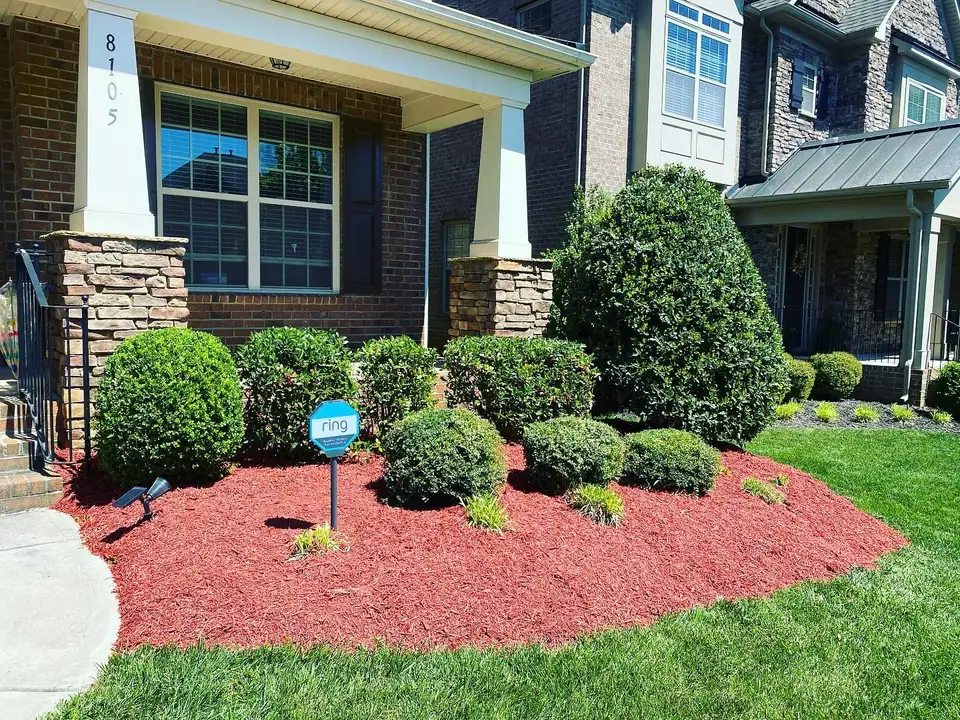
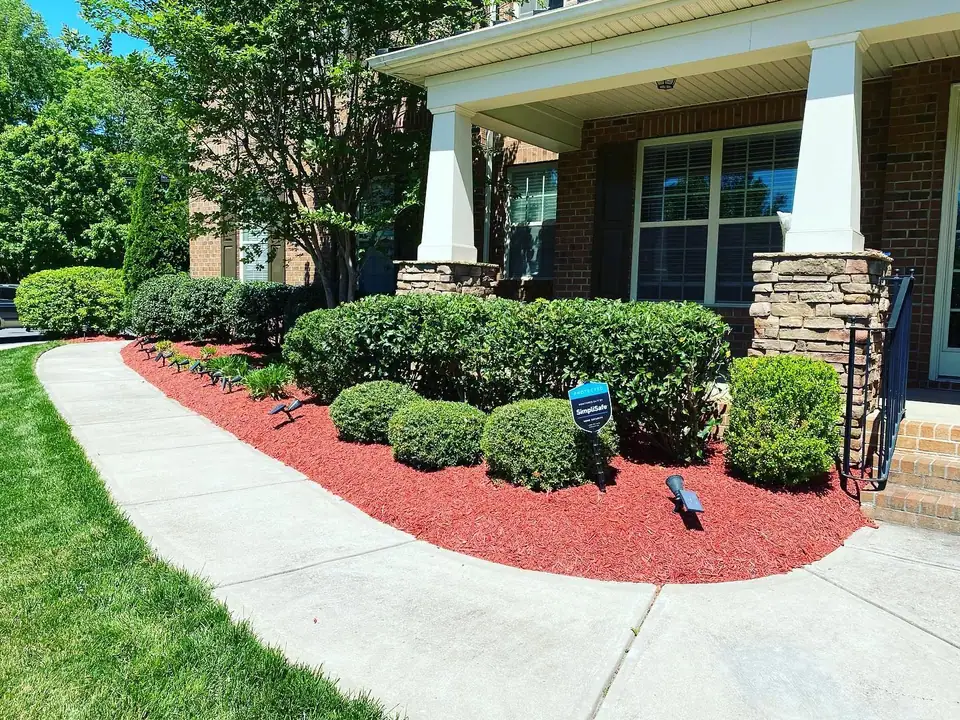
Shearing everything into boxes isn’t always right. Boxwoods and hollies take a crisp shape; flowering shrubs need selective pruning at the right time so you don’t cut off next year’s blooms. On our program, hedges and shrubs (and ornamental trees up to 10 ft) are trimmed four times a year.
What’s included
Every shrub & hedge trimming job covers this.
Written into your estimate, so you know exactly what the crew will do before anyone shows up.
Get a Lawn Care Estimate
02
Selective pruning of shrubs and perennials
03
Ornamental trees up to 10 ft
04
Debris haul-off
When to call
Signs it’s time.
- Shrubs covering windows or walks
- Uneven, shaggy hedges
- Dead wood inside shrubs
Recent work
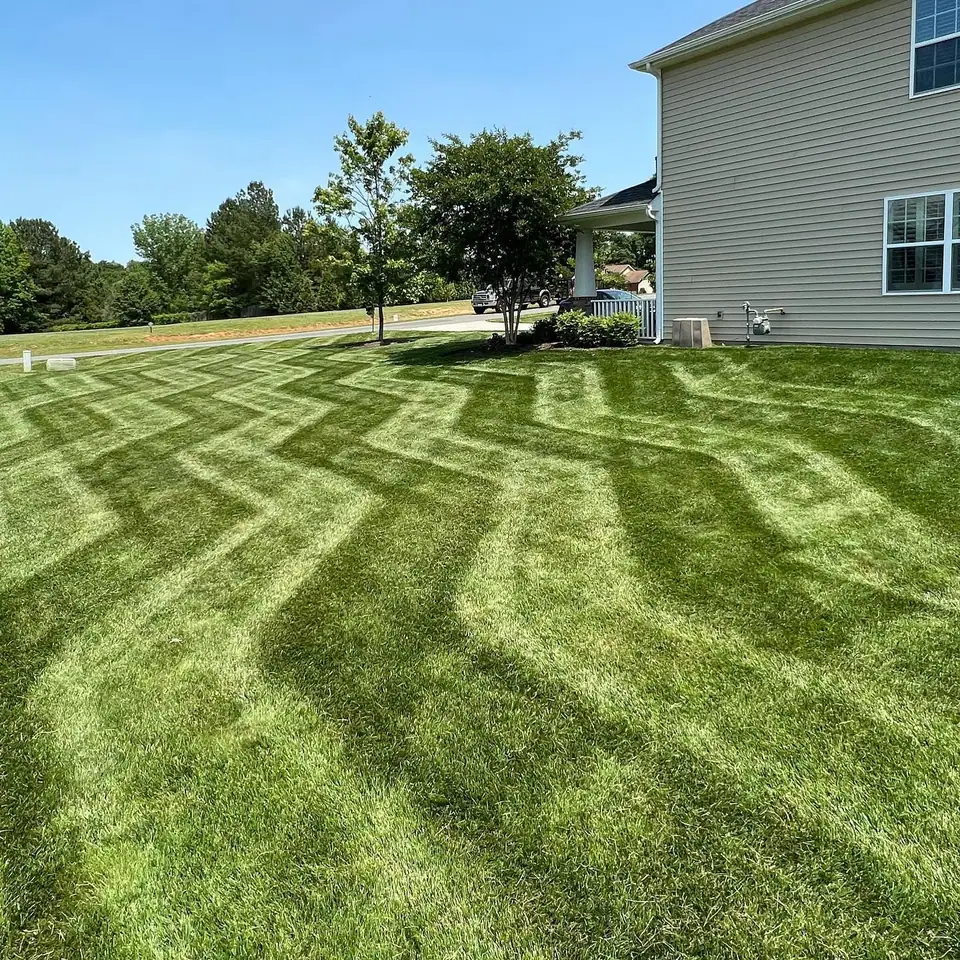
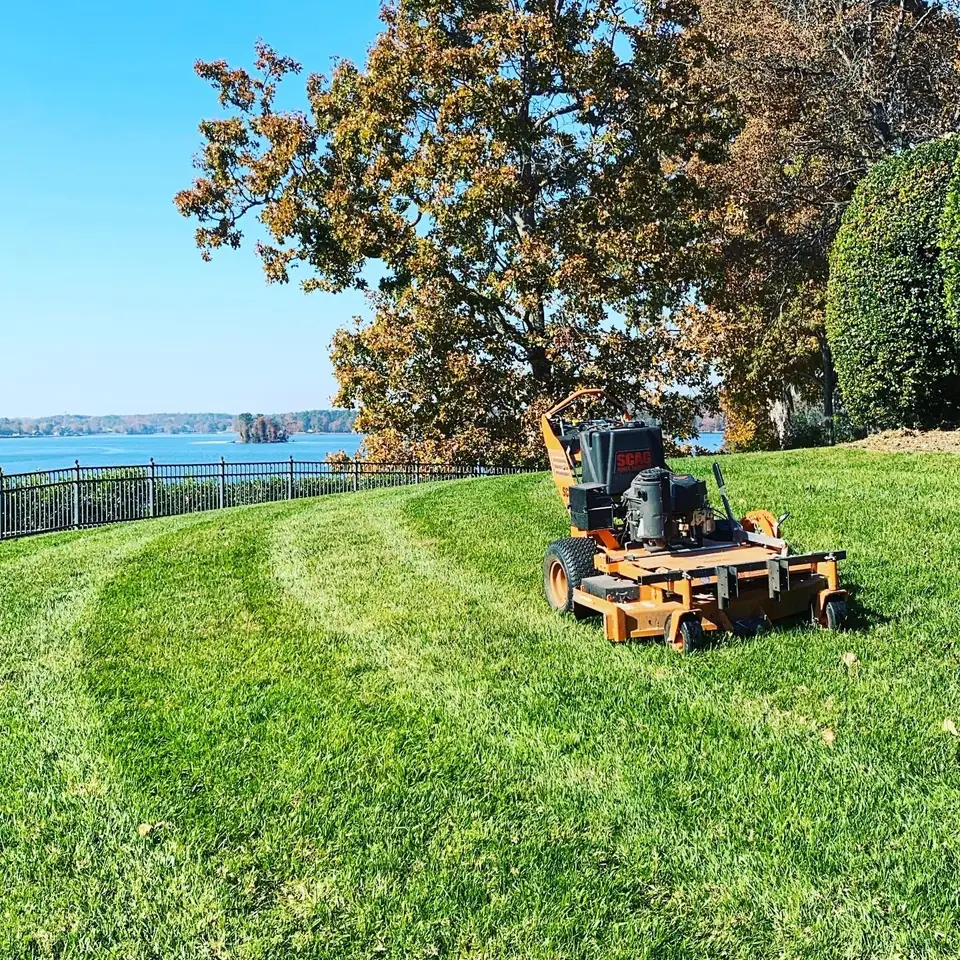
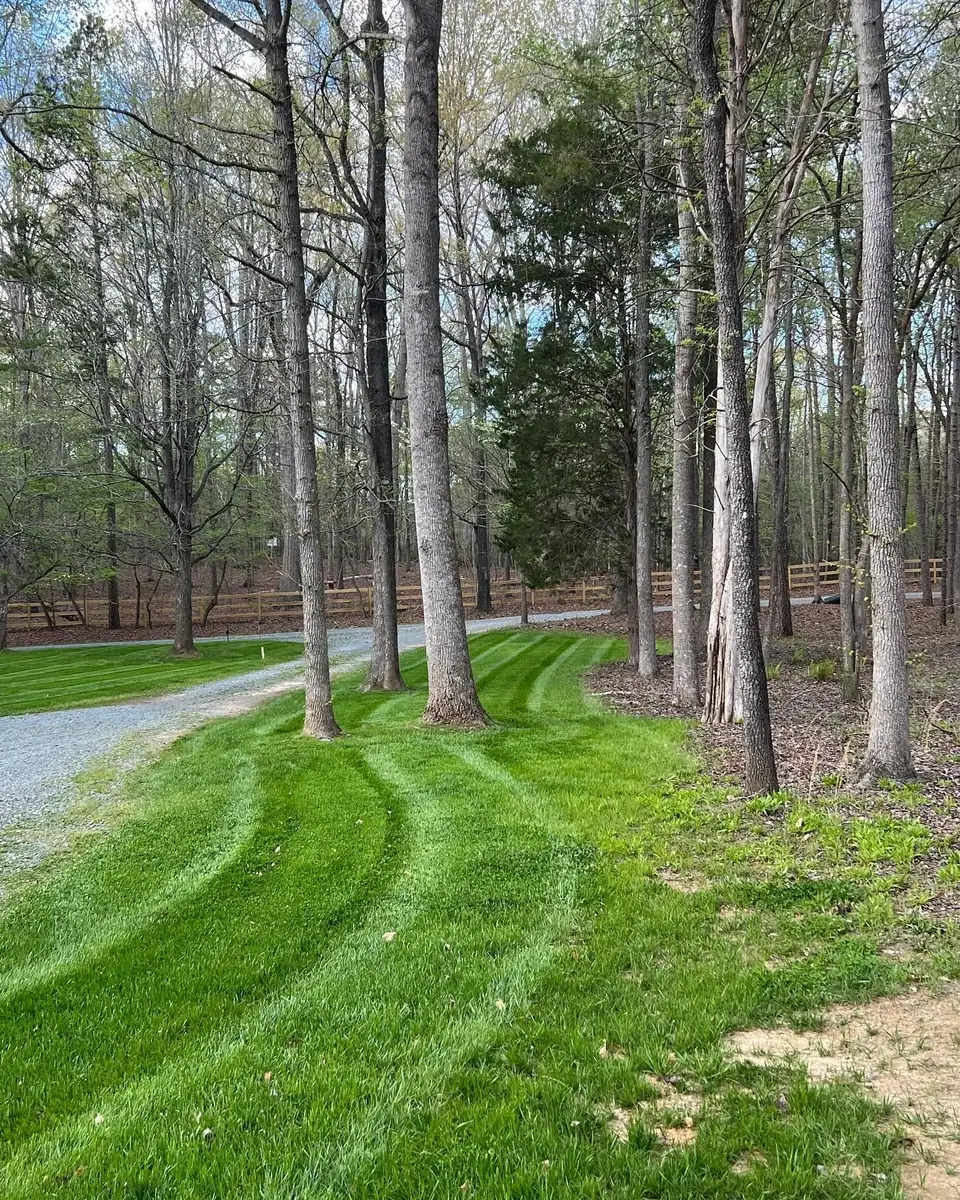
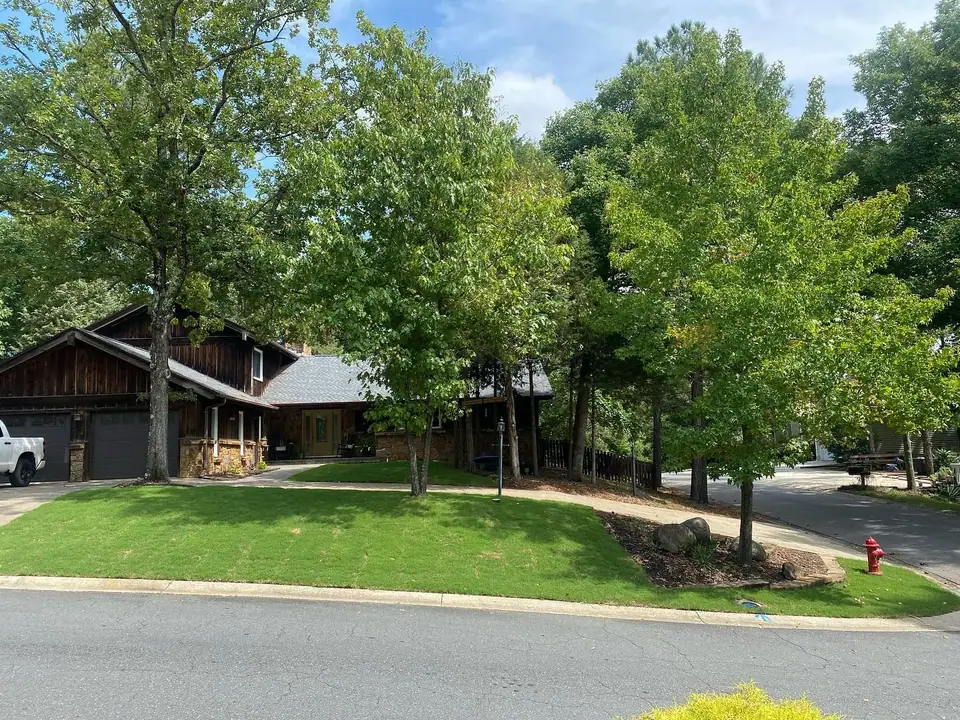
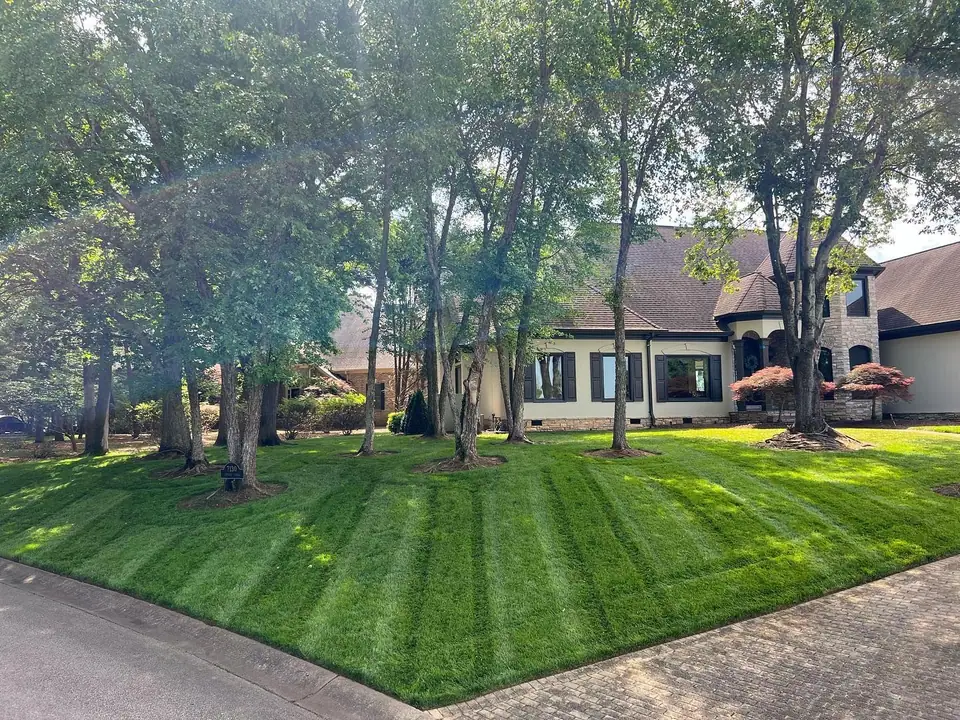
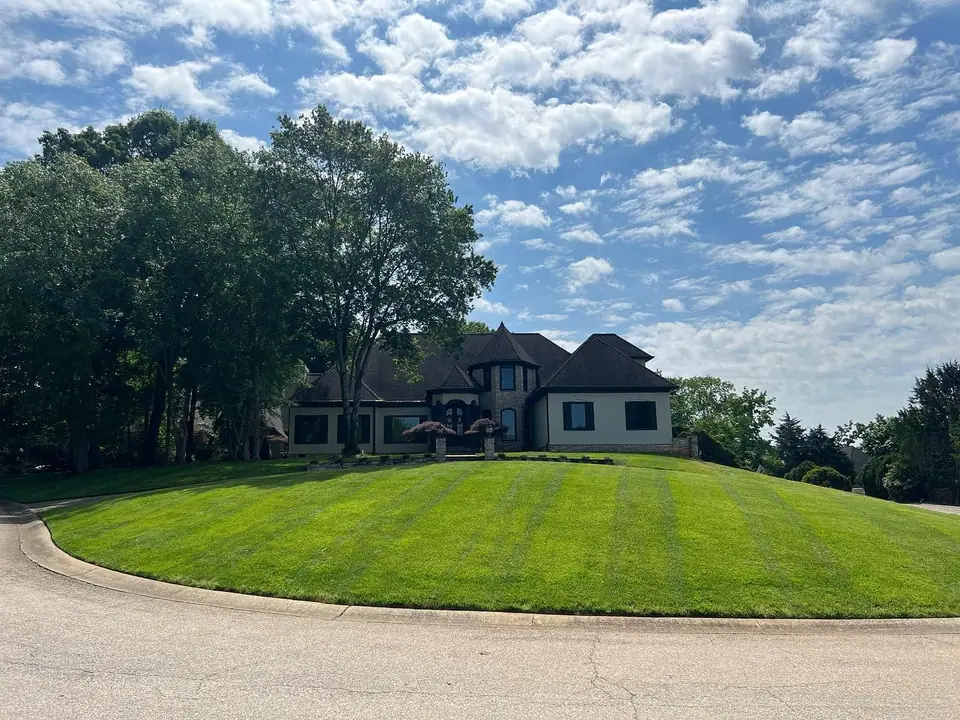
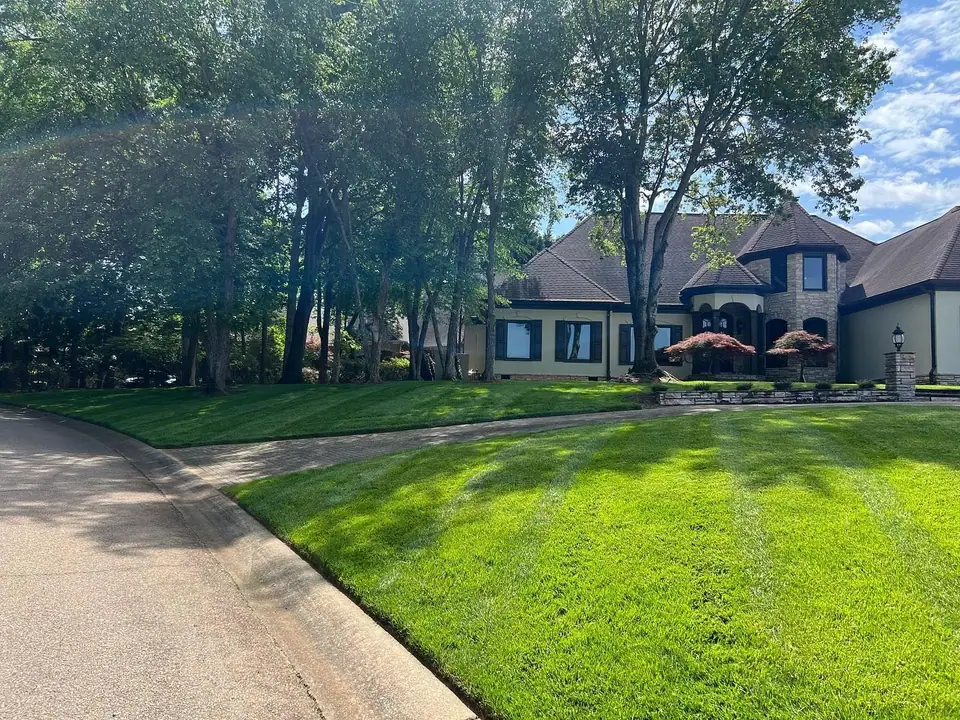
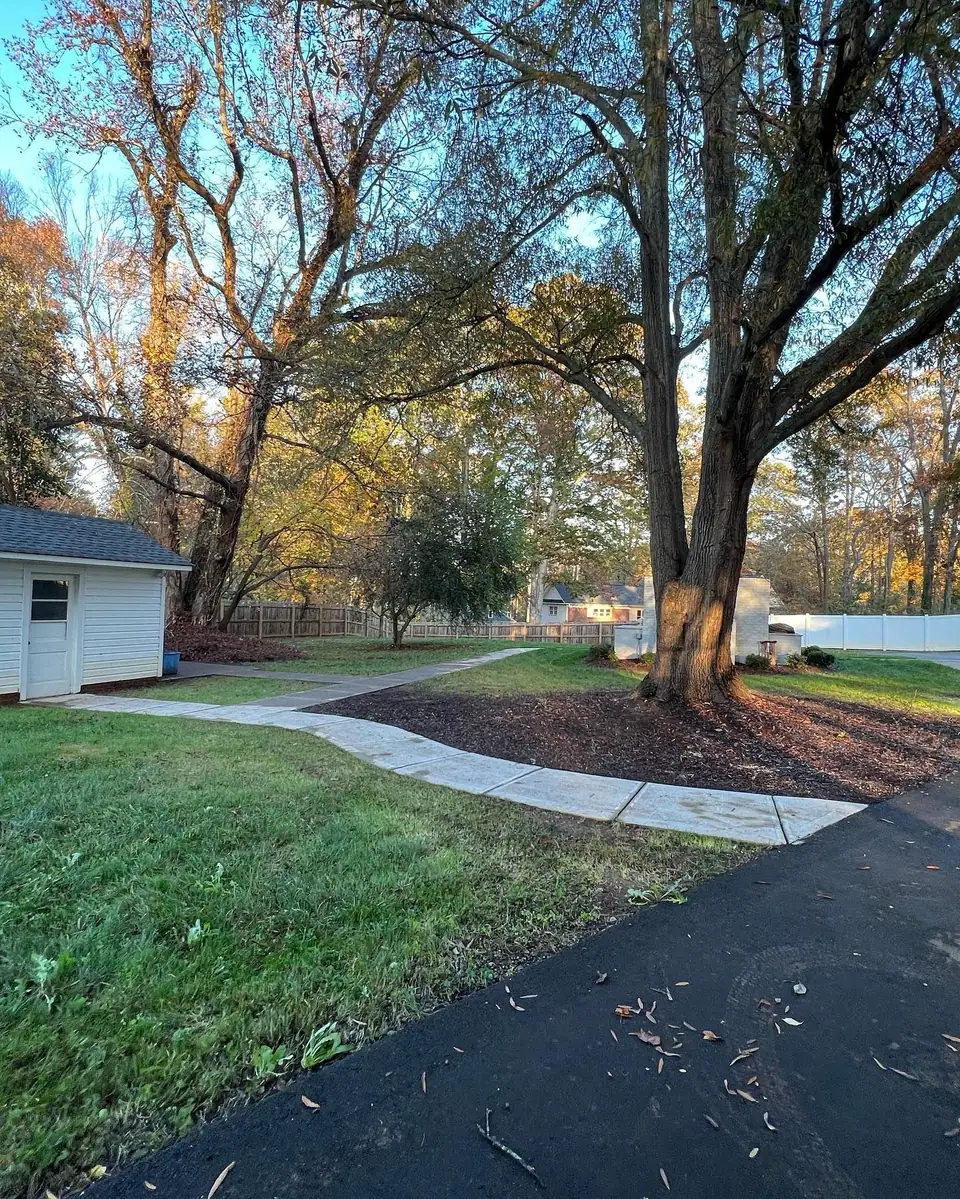
From our crew’s camera.
Related services
More lawn maintenance services.
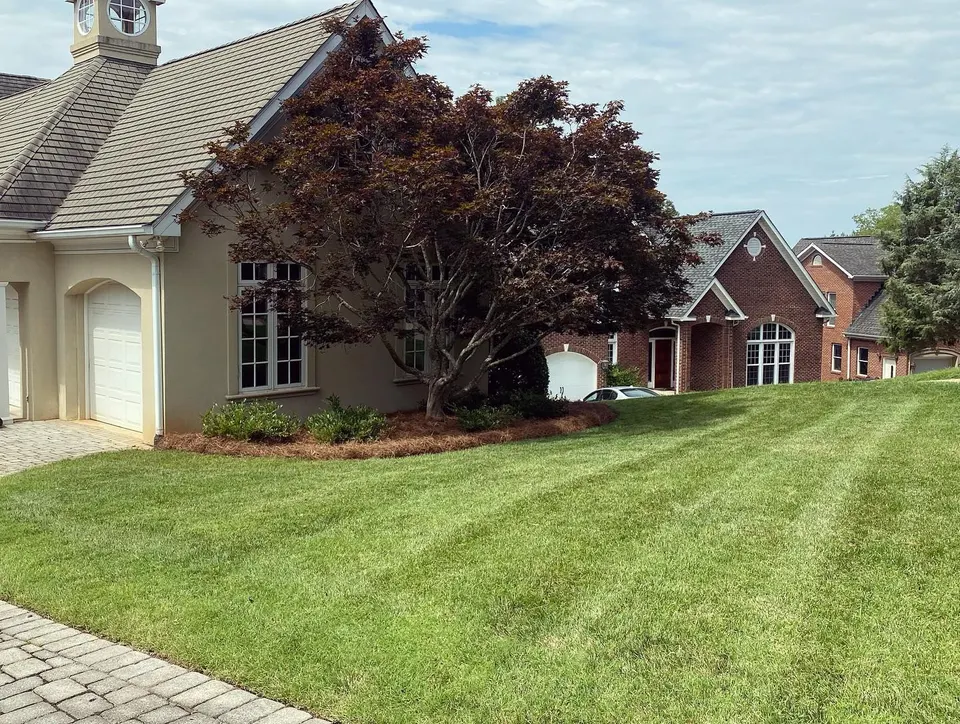
Weekly Lawn Care
Mow, edge, trim and blow every 7–10 days so the yard never looks overdue.
Learn more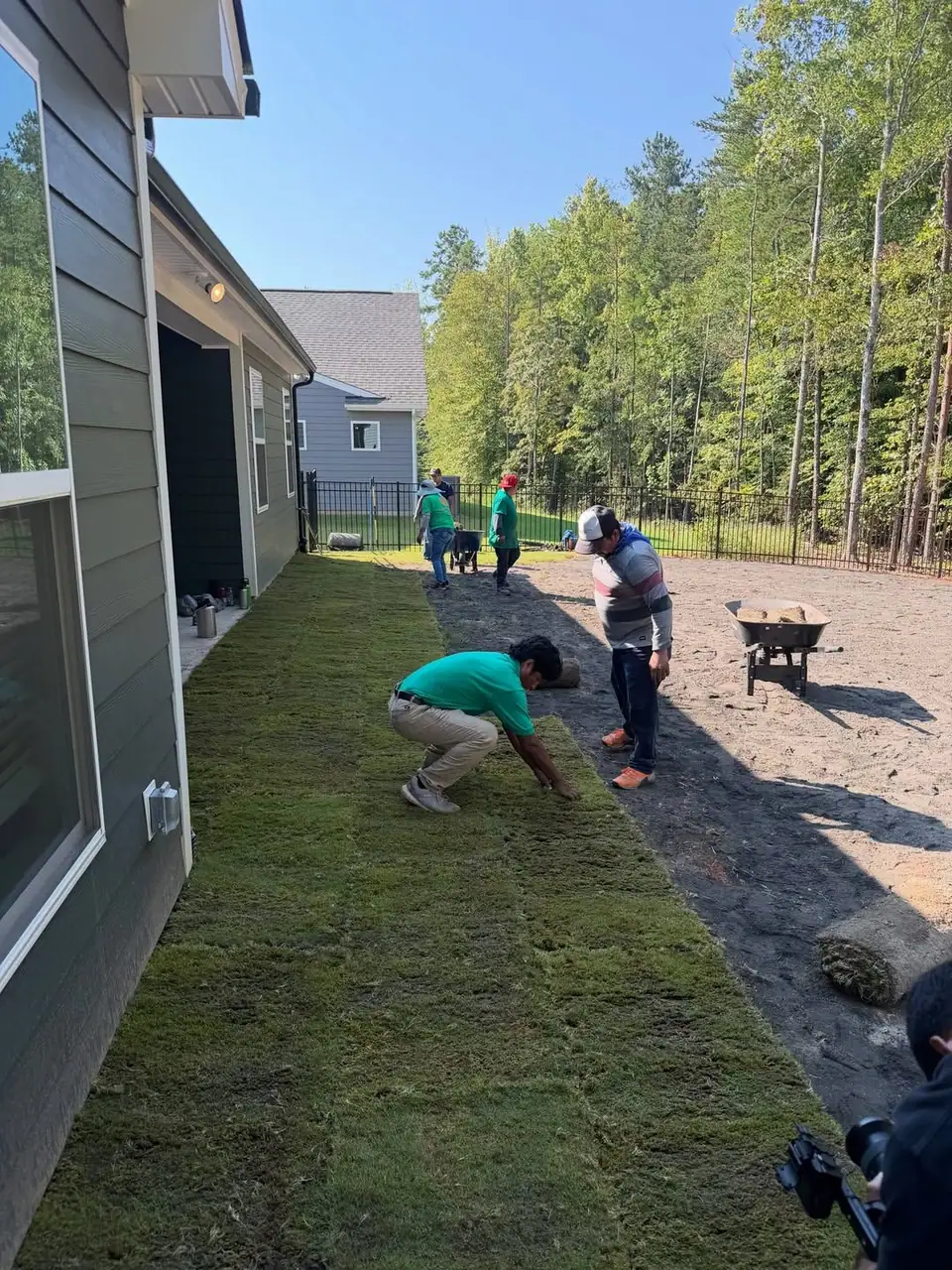
Sod Installation
Soil prep, grading and fresh Bermuda or Fescue sod for an instant, even lawn.
Learn more
Lawn Aeration & Overseeding
Core aeration and fresh seed to break up clay and thicken thin Fescue lawns.
Learn more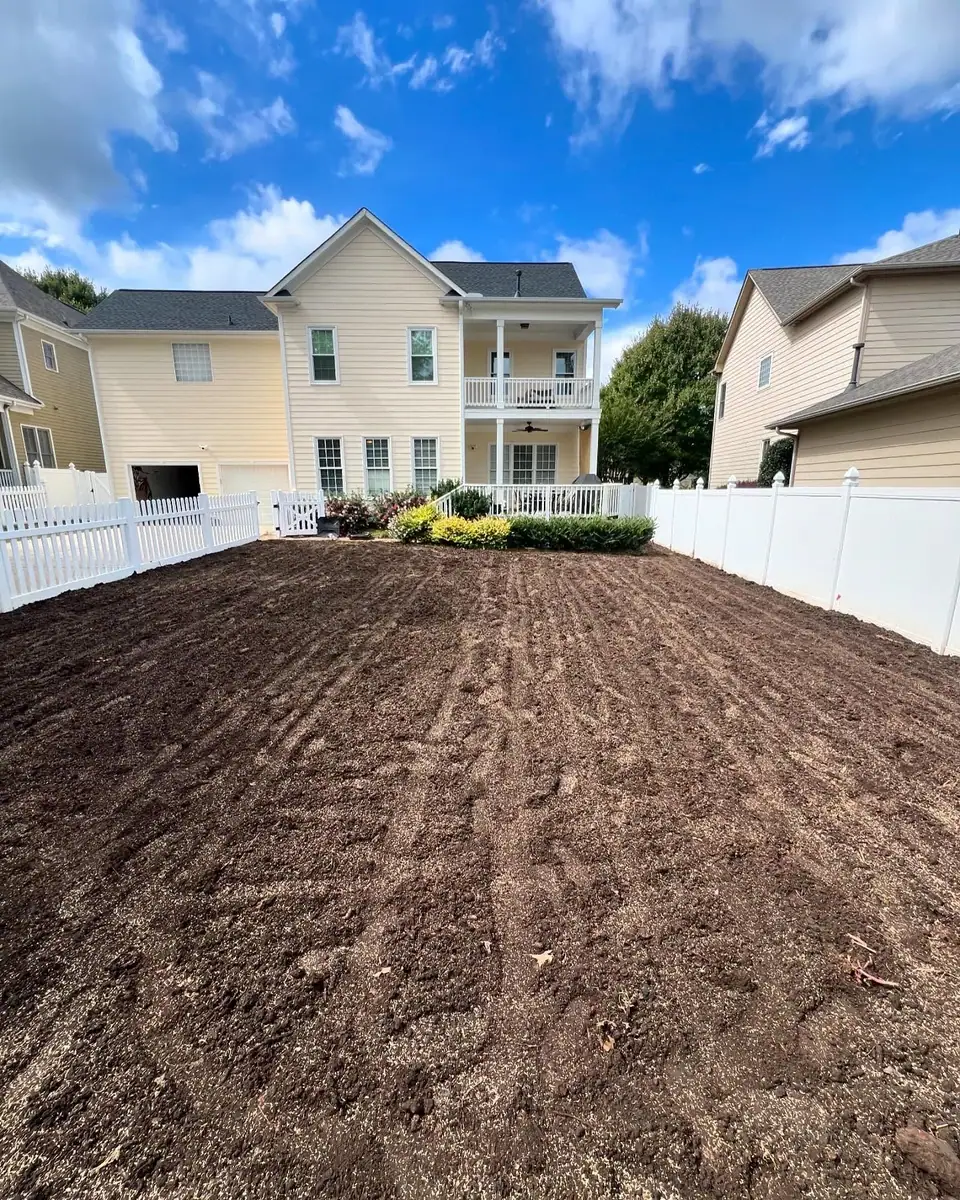
Lawn Renovation & Restoration
Bring a failing lawn back: soil correction, regrading, seed or sod, and a plan to keep it.
Learn more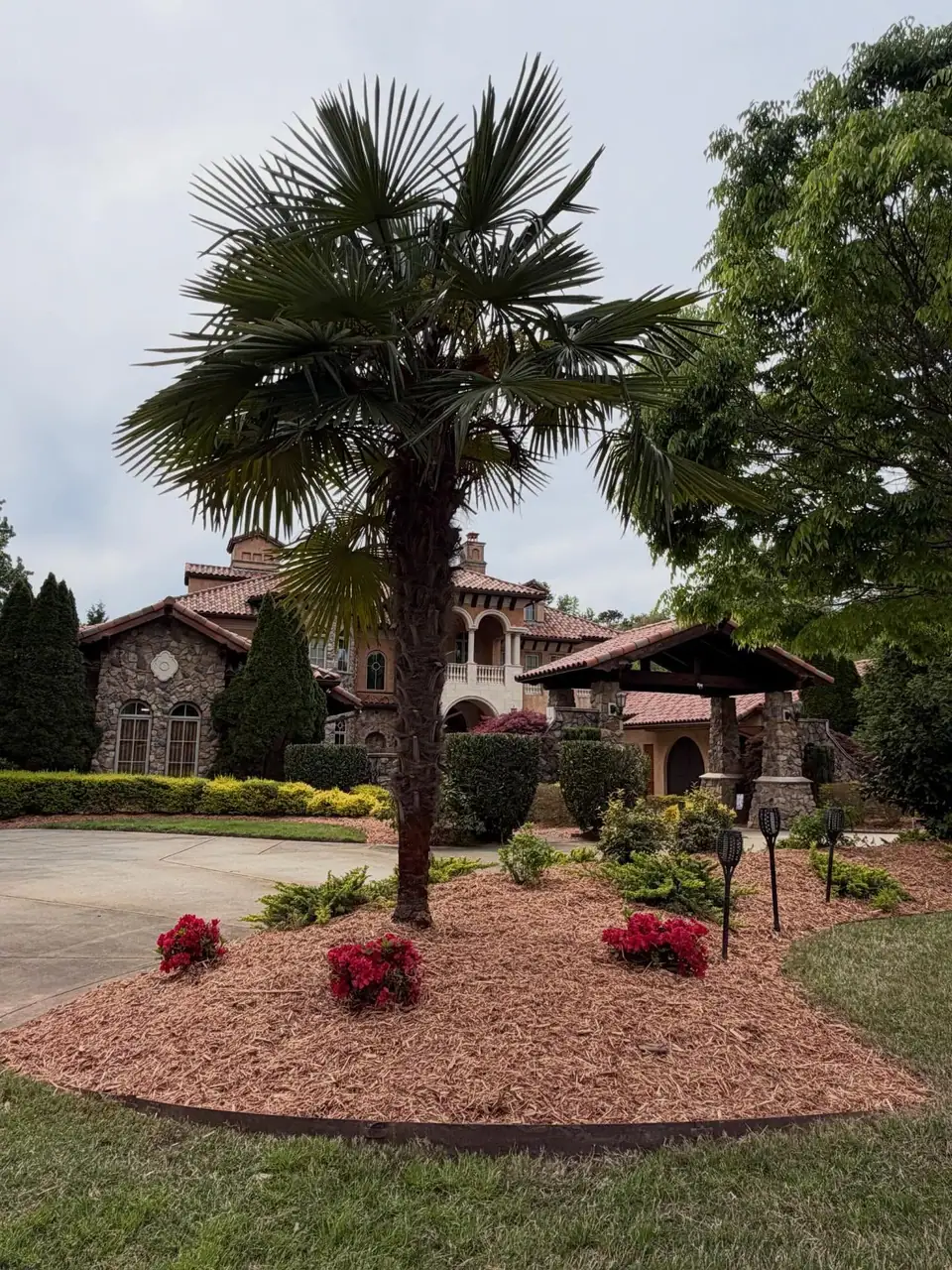
Mulching & Pine Straw
Fresh mulch or pine straw with crisp bed edges to finish the whole property.
Learn more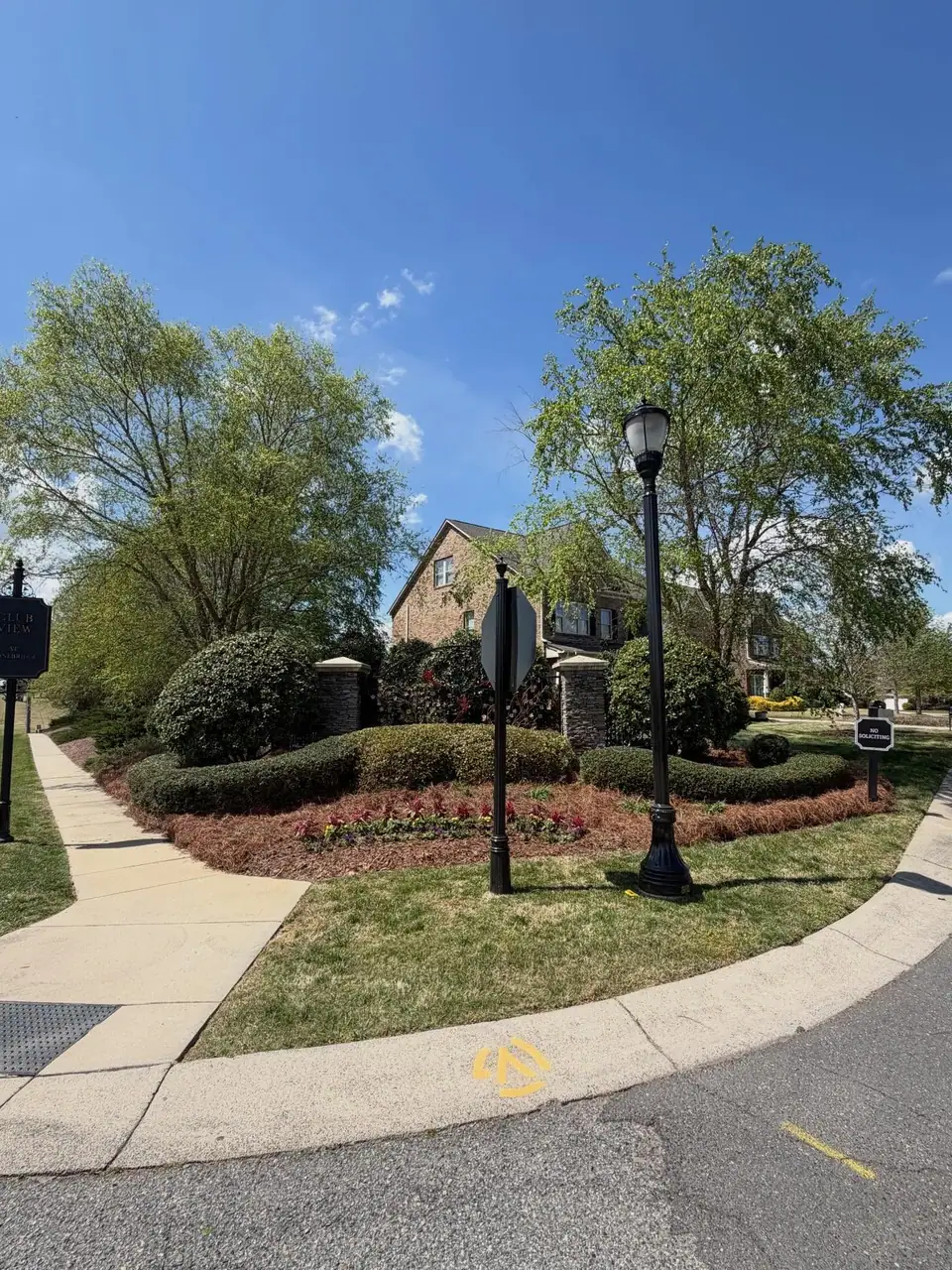
Seasonal Yard Cleanups
Spring and fall resets: beds cleared, shrubs cut back, debris hauled away.
Learn more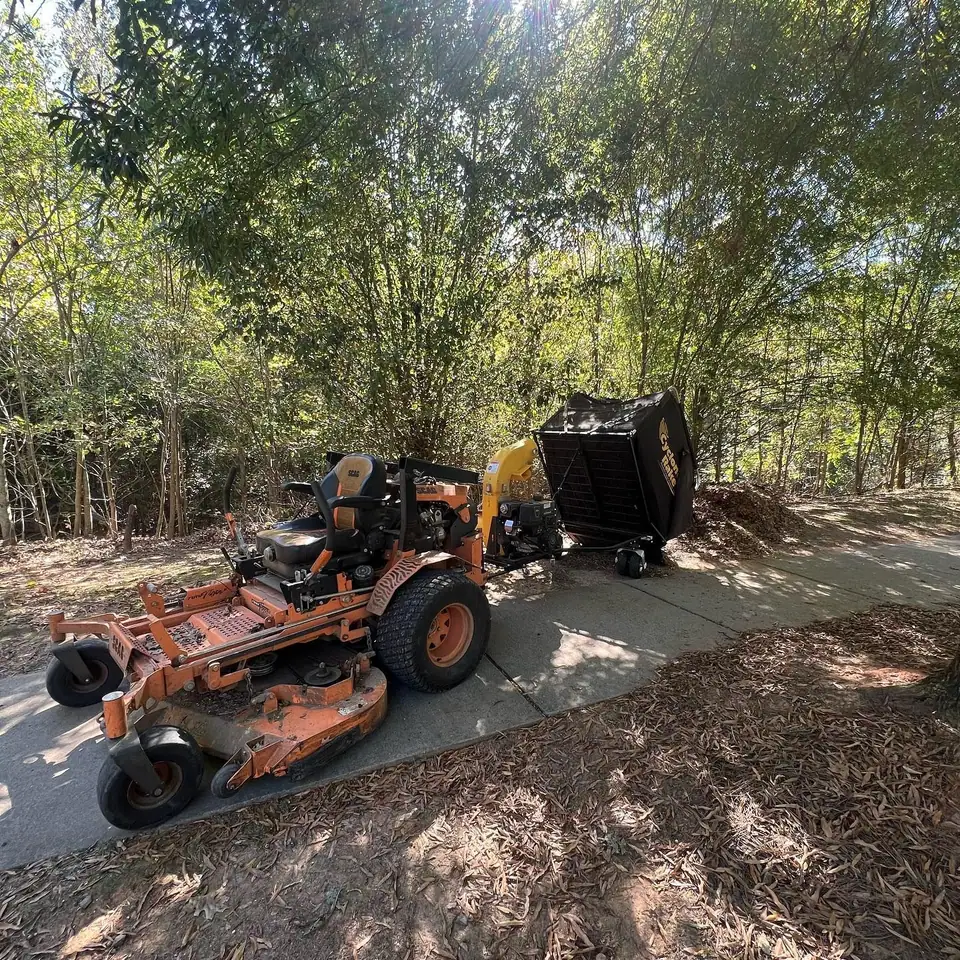
Leaf Removal
Fall leaf removal from lawns, beds and hard surfaces — 8 weeks on our program.
Learn more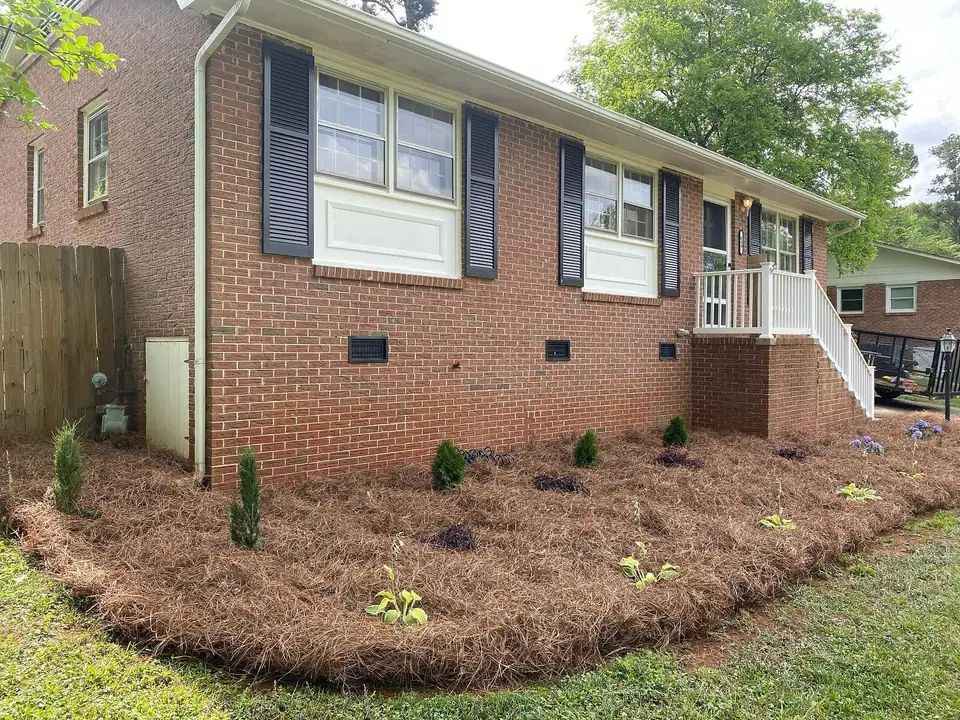
Landscape Bed Maintenance
Weeding, edging, pruning and refreshing beds so they stay sharp between projects.
Learn more
HOA & Commercial Landscaping
Contract grounds maintenance for HOA common areas, entrances and commercial properties.
Learn moreShrub and hedge trimming in Waxhaw, NC: shaping, timing and plant health
The short answer
Professional shrub and hedge trimming shapes each plant according to how it grows and when it blooms. Formal hedges get crisp, even lines with a slightly wider base so light reaches the bottom; flowering shrubs are pruned right after they bloom; and overgrown plants are reduced gradually. Every visit ends with clippings removed from beds, lawn and hard surfaces.
01What does professional shrub trimming include?
A trimming visit starts with a walk through the beds to see what is planted, since boxwoods, hollies, loropetalum, azaleas, camellias, gardenias and crape myrtles each have different needs. Formal hedges and foundation shrubs are sheared to clean, even lines. Natural and flowering shrubs are shaped selectively by hand so they keep their character instead of turning into green meatballs.
Dead, damaged and crossing branches are removed, growth is pulled back from siding, windows, walks and HVAC units, and all clippings are raked out of beds and blown off lawns, drives and patios.
- Formal shaping: clean, even lines on hedges and foundation shrubs
- Natural pruning: hand-shaped flowering and specimen shrubs
- Clearances: growth pulled back from siding, windows and walks
- Health cuts: dead, damaged and crossing branches removed
- Cleanup: clippings removed from beds, lawn and hard surfaces
02Why should a hedge be wider at the bottom?
The most common hedge mistake is shaping the sides straight up, or wider at the top. When the top shades the bottom, the lower branches lose their leaves and the hedge becomes bare and leggy near the ground. Professional hedge trimming keeps a slight taper, wider at the base and narrower at the top, so sunlight reaches the whole face of the plant.
It is a small difference you barely notice from the street, but over a few years it is the difference between a hedge that is full to the ground and one you can see through.
03When should you trim flowering shrubs?
Timing depends on when a shrub sets its flower buds. Azaleas, camellias, forsythia and many spring bloomers form next year's buds on this year's growth soon after they flower. Prune them right after they bloom; trimming them in late summer or fall cuts off next spring's flowers. Shrubs that bloom on new growth, like many summer bloomers, can be pruned in late winter.
Evergreen hedges such as boxwood, holly and ligustrum can be maintained through the growing season, with lighter trims as fall approaches so new growth can harden off before frost.
04Can overgrown shrubs be cut back?
Often, yes, but gradually. Many overgrown shrubs common in older Waxhaw and Monroe neighborhoods respond to renewal pruning, where the plant is reduced over one to three seasons rather than all at once. Removing more than about a third of a shrub in one cut can stress it severely or kill it outright.
Some plants tolerate hard rejuvenation in late winter; others never recover. We will tell you honestly which shrubs are worth restoring and which are better replaced with something sized for the space.
05What about crape myrtles?
Crape murder, the habit of chopping crape myrtles down to thick stubs each winter, is common across the Carolinas and harms the trees. It produces weak, whip-like shoots, knobby scars and a less natural shape. Proper crape myrtle pruning removes suckers, crossing branches and seed heads and thins the canopy in late winter, preserving the tree's graceful form and its handsome bark.
If a crape myrtle is too large for its spot, it is usually better to select a smaller variety than to cut it back hard every year.
06How often do shrubs need trimming?
Formal hedges and fast-growing shrubs usually need trimming two to four times through the growing season to stay crisp. Natural and flowering shrubs often need only one or two well-timed visits a year. The year-round Galloway Lawn Program includes quarterly pruning of ornamentals up to about ten feet, scheduled around bloom times, so beds never get away from you.
How it works
Four steps. No surprises.
From the first call to the final cleanup, you deal with the same owner-run crew.
Call or send the form
Tell us what’s bothering you about the yard. We get back to you within 24 hours.
Walk the property
We look at slope, soil, drainage paths, turf type and how you actually use the space. No guessing from a photo.
A written estimate
You get a plain-language scope and price. No surprise add-ons after the crew shows up.
Owner-led work and cleanup
Terry is on the job. Beds edged, debris hauled off and the driveway blown clean before we leave.
Shrub & Hedge Trimming near you
FAQ
Shrub & Hedge Trimming: questions, answered.
How much does shrub and hedge trimming cost?
Shrub and hedge trimming cost depends on the number, size and type of plants, whether hedges are formal or natural, how overgrown they are, height and access, and how much debris has to be hauled away. A handful of foundation boxwoods is a quick visit; a long privacy hedge or an overgrown property that hasn't been pruned in years is a larger job. Galloway Scapes provides a free written estimate after walking your beds. If you want shrubs kept in shape all year, the Galloway Lawn Program includes quarterly pruning of ornamentals up to about ten feet along with weekly mowing and seasonal treatments for one flat monthly rate.
When is the best time to trim shrubs in North Carolina?
It depends on the shrub. Spring-flowering shrubs such as azaleas, camellias and forsythia should be pruned shortly after they finish blooming, because they set next year's flower buds over the summer. Summer bloomers that flower on new wood, and crape myrtles, are pruned in late winter before new growth starts. Evergreen hedges like boxwood, holly and ligustrum can be maintained through the growing season, with the final trim timed so new growth hardens off before frost. Heavy pruning of most shrubs is best done in late winter. Galloway Scapes identifies your plants and schedules trimming around their bloom times.
Can you save a severely overgrown hedge?
Many overgrown hedges can be restored with renewal pruning, but it usually takes more than one season. Removing more than roughly a third of a shrub at once can shock or kill it, so the hedge is reduced gradually, often over one to three seasons, letting new growth fill in from inside. Some species, including many hollies and ligustrum, handle this well; others, such as many junipers and some boxwoods, regrow poorly from bare wood. On the walkthrough, Terry will tell you which plants are good candidates for restoration and which would be better replaced with shrubs sized for the space, so you don't spend money on a hedge that won't come back.
Why are the bottoms of my shrubs bare?
Bare lower branches are most often caused by shaping hedges straight up or wider at the top. The top shades the lower branches, so they lose their leaves and the hedge becomes thin near the ground. Other causes include heavy shade from trees, mulch piled too deep against stems, and over-shearing the outer layer until no interior growth remains. The fix is gradual corrective pruning to create a slight taper, wider at the bottom and narrower at the top, so sunlight reaches the whole plant. It takes a season or two for lower growth to fill back in, but it is far cheaper than replacing an established hedge.
Do you haul away the clippings?
Yes. Cleanup is part of every Galloway Scapes trimming visit. Clippings are raked out of beds rather than left to rot under the shrubs, picked up from the lawn and blown off driveways, sidewalks, porches and patios. On larger jobs or hard reductions, debris is loaded and hauled away from the property. The goal is that you see neatly shaped shrubs and clean beds when we leave, not piles of branches waiting at the curb. If you prefer to keep clippings for compost, let us know and we will leave them where you would like.
We contacted Galloway Scapes for lawn leveling and are very pleased with their service. Terry and his crew are incredible and did a great job on our lawn! They arrived on schedule and did a thorough job.
Terry and his crew are the best! He is attentive, professional, and knowledgeable. I have a fast growing weed in my lawn and he works diligently on keeping it under control.
Very good, consistent service. They are responsive when asked about things and address concerns as they arise.
Knowledgeable and skilled approach to lawn maintenance and yard landscaping, with meticulous attention to detail. Fair pricing combined with outstanding results.
We had several landscaping projects completed at our property, including new sod installation, mulching, and drainage work, and I couldn’t be happier with how everything turned out. The sod installation completely transformed the appearance of our yard.
Reliable, efficient, and professional, with great attention to detail. Everything looked clean, green, and well cared for.
Reliable, punctual, creative, clean, and professional throughout the process. I really appreciated how easy they made everything.
Free estimate
Tell us about your shrub & hedge trimming project.
A few quick details. We reply within 24 hours, usually sooner, and we walk the property before we price anything.
(803) 487-5240Mon–Sat, 7 AM–7 PM · call or text
- Free, written estimates with no obligation
- Owner Terry Galloway on every project
- Licensed, bonded & insured · NC & SC Pesticide License