01
Tree Maintenance
Tree Health & Disease Treatment
Catch decline early and many trees can be saved.
★★★★★ 4.9 on Google · 16 reviewsLicensed, bonded & insuredOwner on every jobFree written estimates
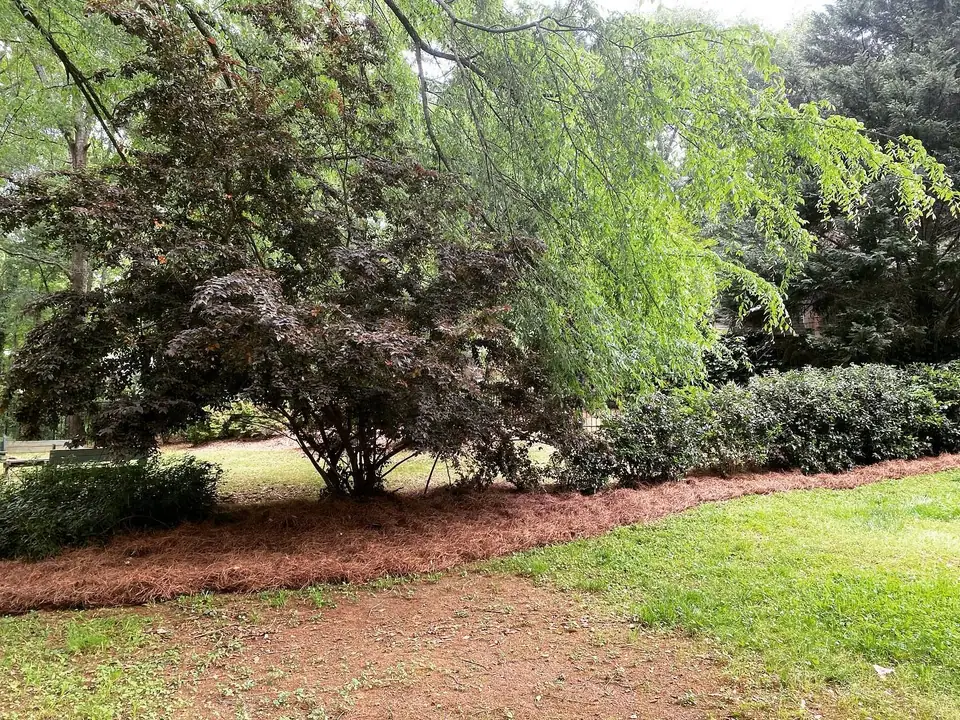
Our approach
Talk it through with Terry →
How we approach tree health & disease treatment.
We look for dieback, leaf spot, cankers, insect activity and root stress, prune out infected wood, correct mulch volcanoes and soil issues, and apply licensed treatments where appropriate. If a tree is a lost cause or a hazard, we’ll say so.
What’s included
Every tree health & disease treatment job covers this.
Written into your estimate, so you know exactly what the crew will do before anyone shows up.
Get a Tree Care Estimate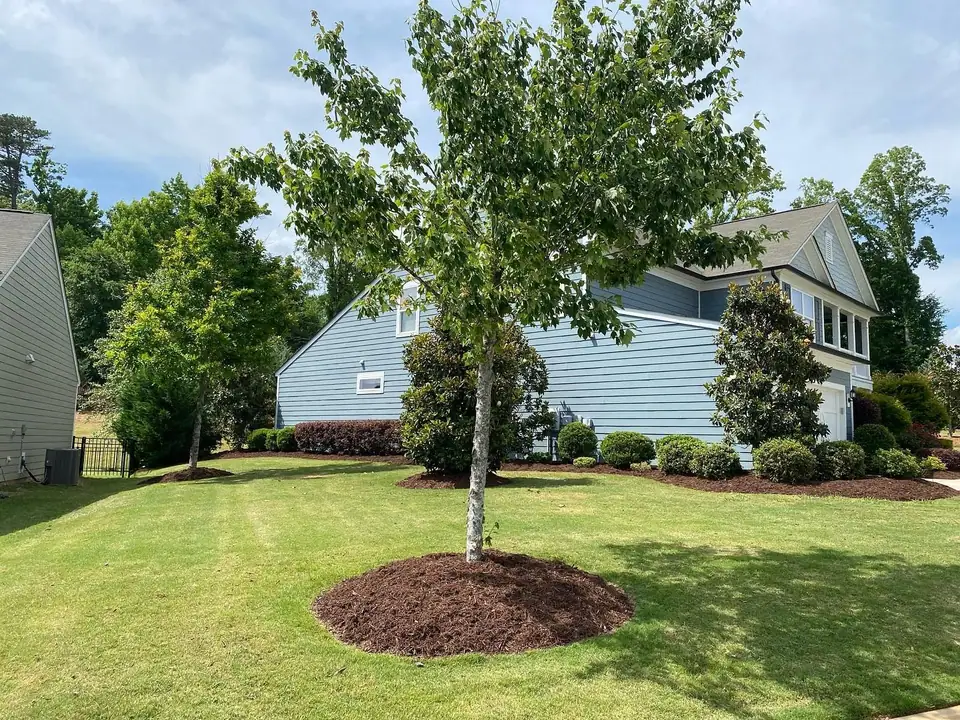
02
Disease pruning
03
Licensed treatments
04
Soil and mulch correction
When to call
Signs it’s time.
- Thinning canopy
- Spotted or curling leaves
- Bark damage or oozing
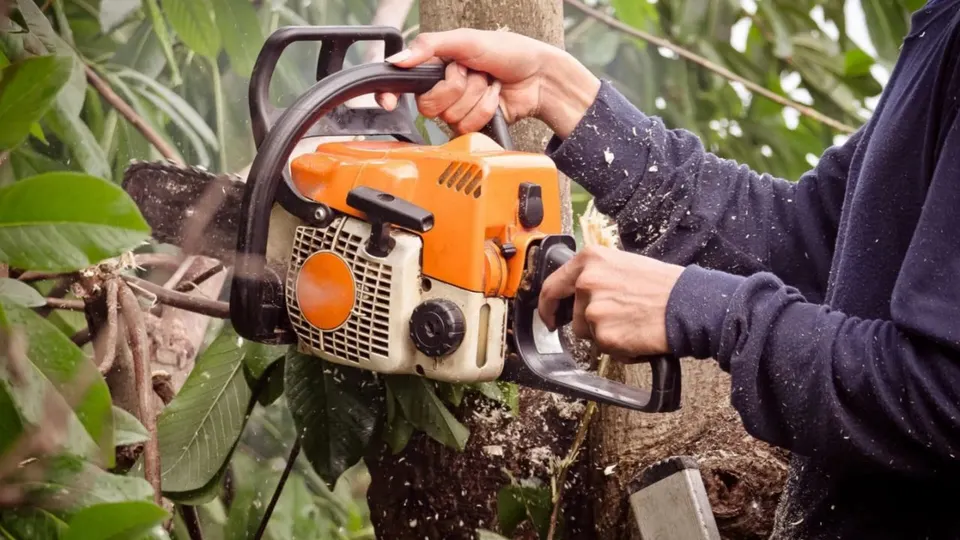
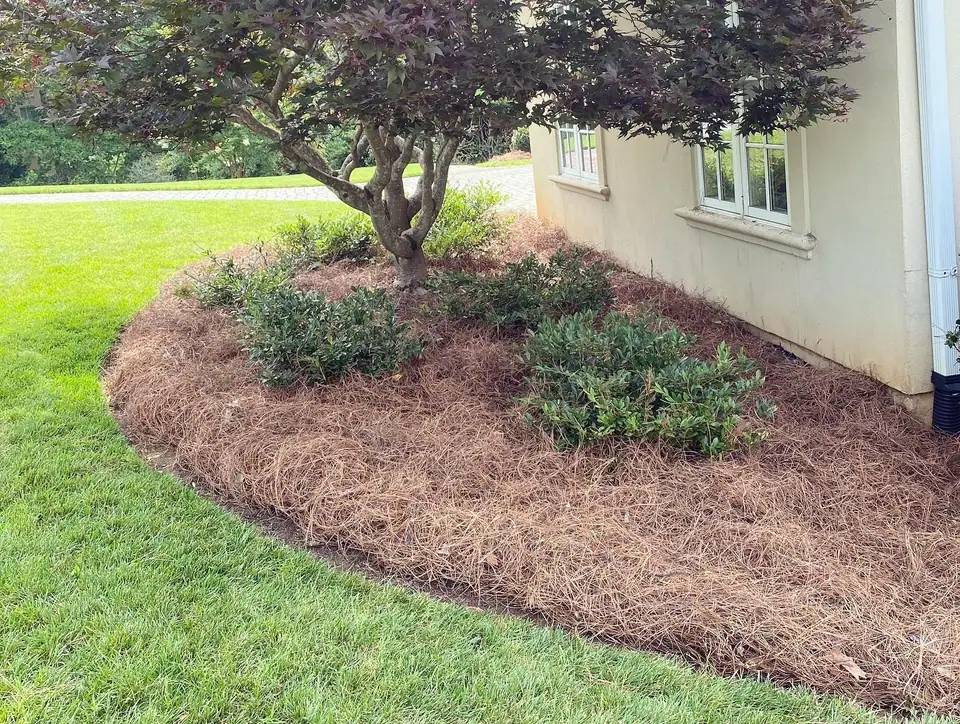
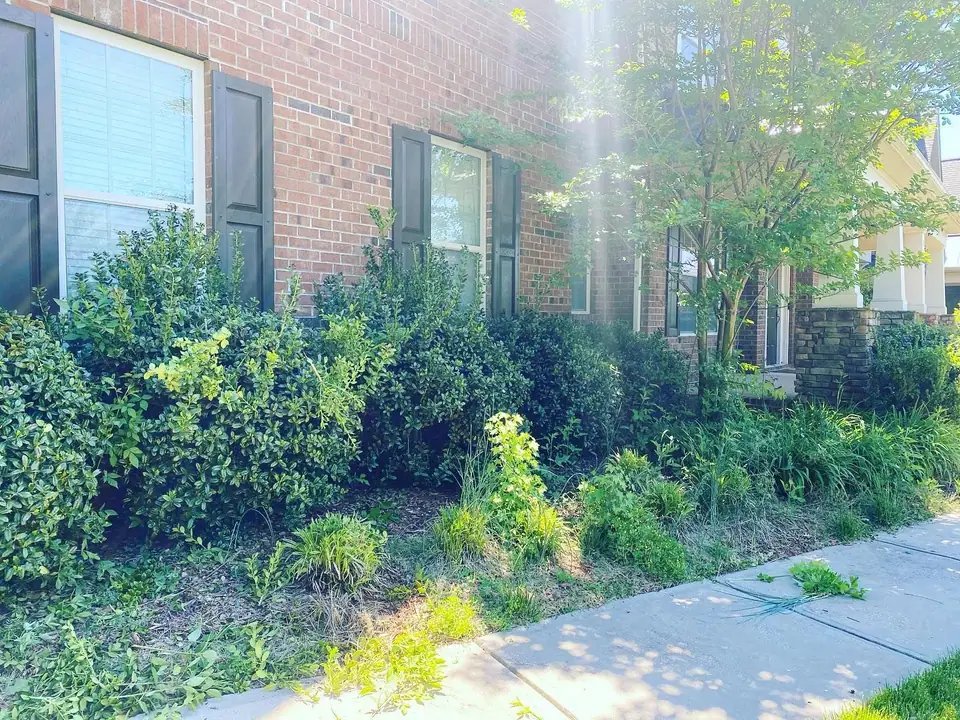
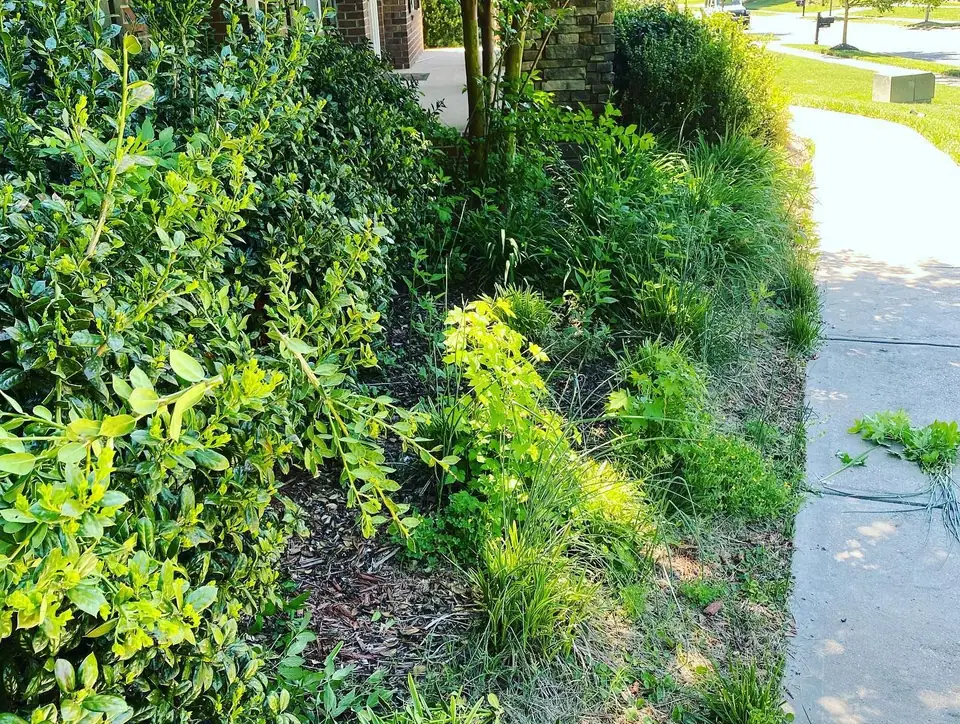
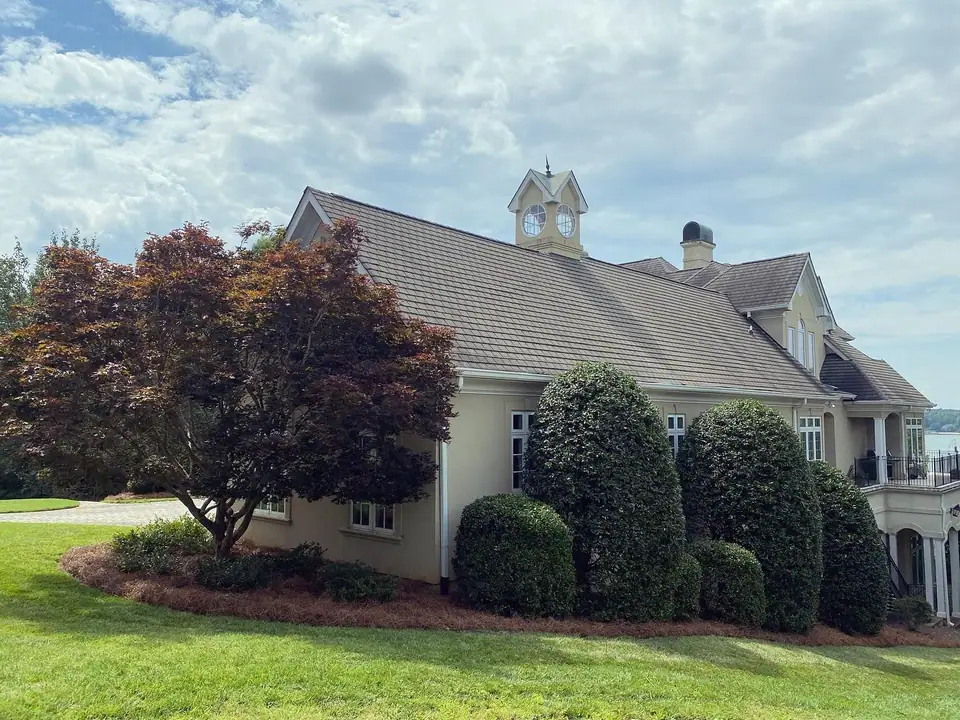
Recent work
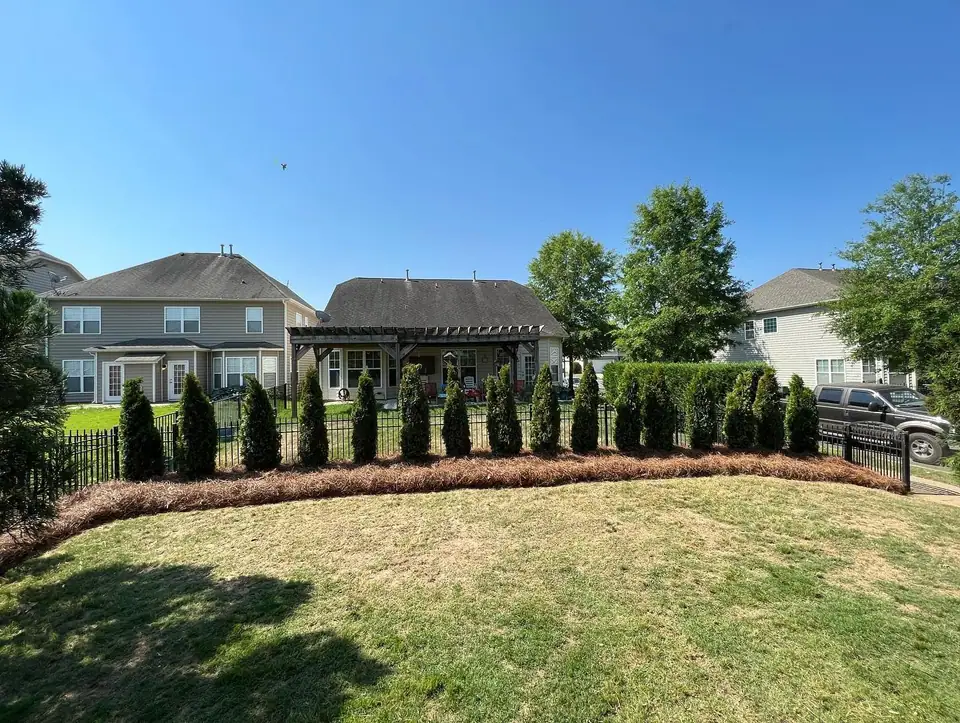
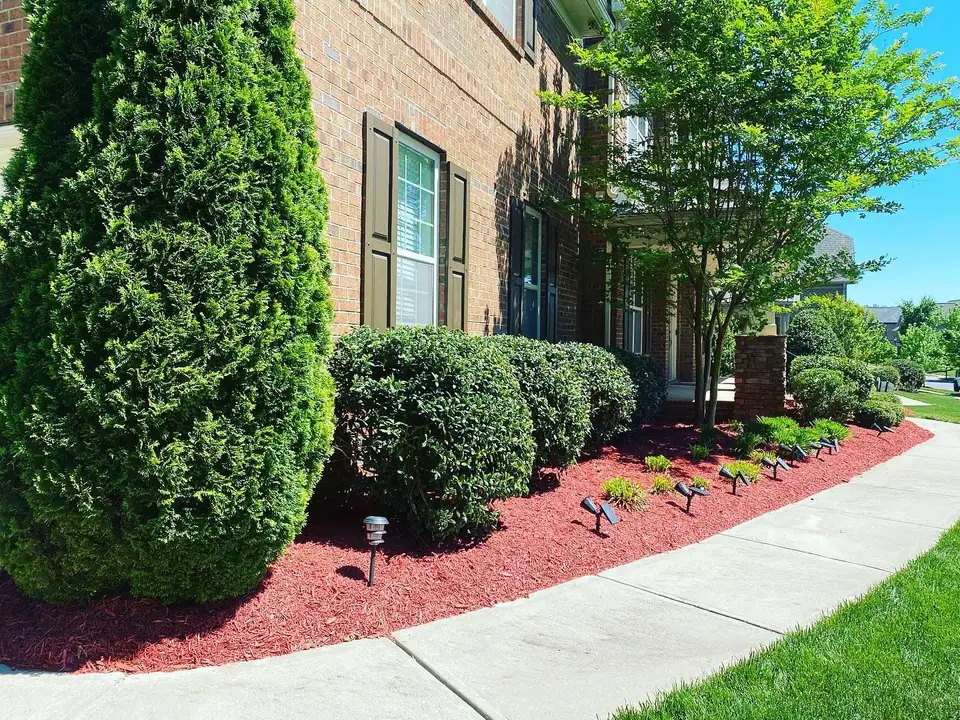
From our crew’s camera.
Related services
More tree maintenance services.
Tree Trimming & Pruning
Thin, raise and clean up canopies for safety, light and healthy growth.
Learn more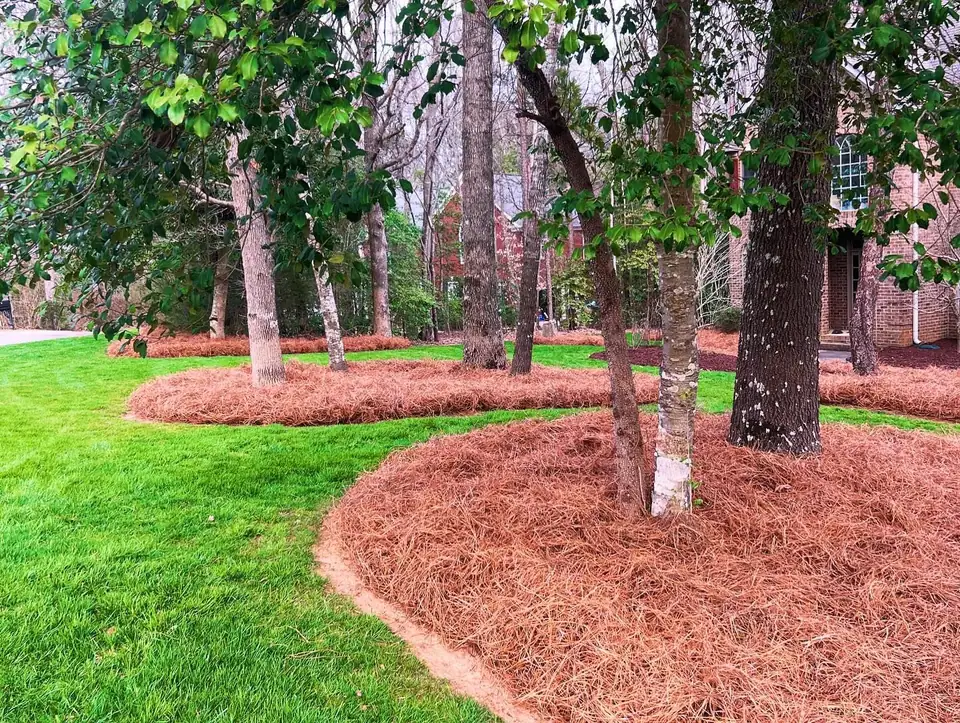
Stump Grinding
Grind stumps below grade so the spot can be seeded, sodded or replanted.
Learn more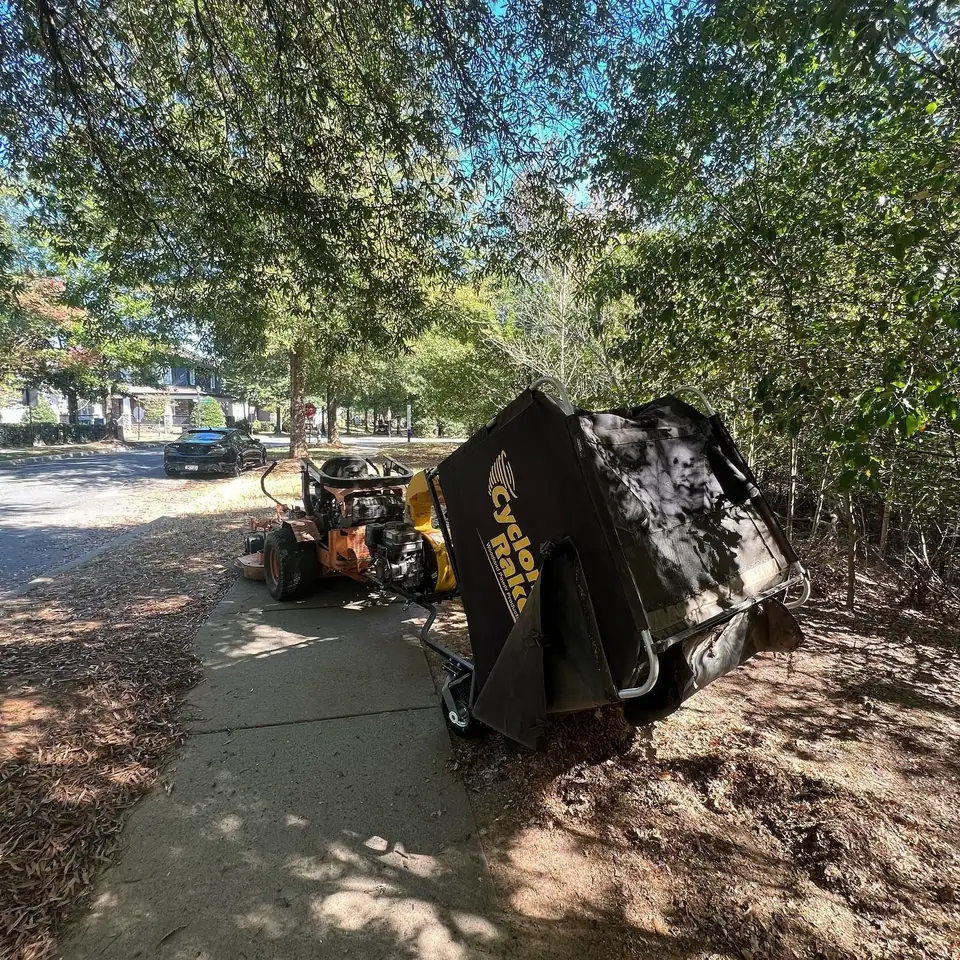
Storm Damage Cleanup
Fast removal of downed limbs and debris after storms, then cleanup and haul-off.
Learn more
Tree Removal
Safe removal of dead, dangerous or unwanted trees, with cleanup and stump options.
Learn moreTree health and disease treatment in Waxhaw, NC: catching decline early
The short answer
Tree health care starts with an inspection for warning signs such as thinning canopy, dieback, spotted or curling leaves, cankers, oozing bark, insect activity and root stress. Treatment may include pruning out infected wood, correcting mulch volcanoes and soil problems, improving watering and drainage and applying licensed treatments where appropriate. Caught early, many declining trees can be saved.
01What are the signs a tree is in trouble?
Trees decline slowly, and early signs are easy to miss. Look for leaves that come out late, are smaller than usual or turn color early; thinning in the crown; dead branch tips at the top of the tree; spots, blotches or curling on leaves; cracks, cankers or sunken areas on the bark; sap or dark fluid oozing from the trunk; fungal growth such as mushrooms or conks at the base; and fine sawdust or small holes from boring insects.
Any of these alone may be minor. Several together, or a steady worsening from one year to the next, is a sign the tree needs attention.
- Canopy: thinning, dieback and early leaf drop
- Leaves: spots, blotches, curling or discoloration
- Bark: cracks, cankers, oozing or peeling
- Base: mushrooms, conks or soil heaving
- Insects: holes, sawdust, webbing or sticky residue
02What causes tree decline around Charlotte?
Many tree problems begin with stress rather than disease. Construction damages roots when soil is graded or compacted around trees. Mulch piled against trunks, called mulch volcanoes, holds moisture against the bark. Drought in summer and saturated clay in winter both stress roots. Lawn equipment wounds trunks. Once a tree is weakened, opportunistic pests and diseases move in.
Common issues in the region include scale and borer insects on stressed trees, leaf spot diseases after wet springs, hypoxylon canker on stressed oaks, and pine bark beetles following drought.
03How are tree problems treated?
Treatment begins with removing the cause where possible. Infected or dead wood is pruned out with clean cuts, and tools are sanitized between trees when disease is present. Mulch volcanoes are pulled back to expose the root flare. Compacted soil is relieved, and watering and drainage are adjusted. Where insects or disease call for it, licensed treatments are applied under Galloway Scapes' North Carolina and South Carolina Pesticide Application Licenses and Ornamental & Turf License.
Not every problem can be fixed. If a tree is too far gone or has become a hazard, we will say so.
04Can construction damage trees?
Yes, and it often takes years to show. Many tree roots are within the top foot or so of soil and spread well beyond the canopy. Grading, trenching, adding fill soil and driving heavy equipment over roots can damage or suffocate them. Trees in new-construction neighborhoods and near additions, driveways or pools frequently decline two to five years after the work. Protecting the root zone during projects is the best prevention.
05How can I keep my trees healthy?
Water deeply during extended summer droughts, especially for young trees and those recently disturbed. Keep mulch two to three inches deep and pulled back from the trunk. Avoid wounding trunks with mowers and trimmers. Prune dead and weak limbs regularly. Keep soil around trees from being compacted or buried. And have trees inspected if you notice changes, since early action is far less expensive than removal.
06Should I treat a tree myself?
Some tree care is easy to do yourself: watering deeply during drought, pulling mulch back from the trunk and avoiding mower damage are all helpful. Insecticide and fungicide treatments are a different matter. Products must match the specific pest or disease, be applied at the right time and rate, and be used safely around people, pets, pollinators and nearby plants. Many store-bought products are ineffective for tree-sized problems or are applied too late. A professional inspection first means you only treat what actually needs it.
How it works
Four steps. No surprises.
From the first call to the final cleanup, you deal with the same owner-run crew.
Call or send the form
Tell us what’s bothering you about the yard. We get back to you within 24 hours.
Walk the property
We look at slope, soil, drainage paths, turf type and how you actually use the space. No guessing from a photo.
A written estimate
You get a plain-language scope and price. No surprise add-ons after the crew shows up.
Owner-led work and cleanup
Terry is on the job. Beds edged, debris hauled off and the driveway blown clean before we leave.
Tree Health & Disease Treatment near you
FAQ
Tree Health & Disease Treatment: questions, answered.
How do I know if my tree is dying?
Signs that a tree may be dying include large sections of the canopy with no leaves during the growing season, dead branches concentrated at the top, leaves that are much smaller, fewer or discolored compared with previous years, bark falling away from the trunk, deep cracks or cavities, fungal growth such as conks or mushrooms on the trunk or roots, and soil heaving at the base. Scratching a small twig to check for green tissue beneath the bark can help tell dormant wood from dead wood. Some of these symptoms may indicate a treatable problem rather than a dying tree, so an inspection is worthwhile before deciding on removal.
Can a sick tree be saved?
Many sick trees can be saved if the problem is caught early and the underlying cause is addressed. Trees suffering from leaf spot diseases, many insect infestations, drought stress, mulch volcanoes or compacted soil often recover with pruning of infected wood, corrected mulch and soil conditions, better watering and appropriate licensed treatments. Trees with extensive internal decay, severe root damage, large portions of the canopy already dead or aggressive diseases may be beyond saving, and if they are near structures they can become hazards. Galloway Scapes inspects the tree and gives you an honest assessment of whether treatment is worthwhile.
What are common tree diseases in North Carolina?
Common tree health problems in the North Carolina Piedmont include fungal leaf spots and anthracnose after wet springs, powdery mildew on crape myrtles and dogwoods, hypoxylon canker on oaks stressed by drought or construction, root rots in poorly drained clay, fire blight on ornamental pears and other members of the rose family, and various cankers on stressed trees. Insect problems include scale, borers, bagworms, aphids and pine bark beetles, which often follow drought. Many of these attack trees that are already stressed, so improving growing conditions is a key part of treatment.
Are you licensed to apply tree treatments?
Yes. Galloway Scapes holds North Carolina and South Carolina Pesticide Application Licenses and an Ornamental & Turf License, and the company is licensed, bonded and insured. That means insecticide and fungicide treatments for ornamental trees and shrubs are applied in-house by licensed applicators, at label rates and with attention to nearby plants, pets and people. Treatments are recommended only when inspection shows they are appropriate; many tree problems are better solved by pruning, mulch correction, soil care and watering. If a situation calls for specialized diagnostics or large-tree work outside our scope, we will tell you.
Why is my tree losing leaves in summer?
Summer leaf drop is often a response to stress. During hot, dry stretches in the Charlotte region, trees may shed some leaves to reduce water loss, which is common with river birch, tulip poplar and some maples. Other causes include leaf spot diseases after wet weather, insect feeding, root damage from construction or compaction, poor drainage in clay soil and transplant shock in recently planted trees. Light leaf drop during drought is usually not serious if the tree leafs out normally the next spring. Heavy or repeated leaf drop, dieback or discolored foliage should be inspected to identify the cause.
We had several landscaping projects completed at our property, including new sod installation, mulching, and drainage work, and I couldn’t be happier with how everything turned out. The sod installation completely transformed the appearance of our yard.
We contacted Galloway Scapes for lawn leveling and are very pleased with their service. Terry and his crew are incredible and did a great job on our lawn! They arrived on schedule and did a thorough job.
Terry and his crew are the best! He is attentive, professional, and knowledgeable. I have a fast growing weed in my lawn and he works diligently on keeping it under control.
Reliable, efficient, and professional, with great attention to detail. Everything looked clean, green, and well cared for.
Very good, consistent service. They are responsive when asked about things and address concerns as they arise.
Reliable, punctual, creative, clean, and professional throughout the process. I really appreciated how easy they made everything.
Knowledgeable and skilled approach to lawn maintenance and yard landscaping, with meticulous attention to detail. Fair pricing combined with outstanding results.
Free estimate
Tell us about your tree health & disease treatment project.
A few quick details. We reply within 24 hours, usually sooner, and we walk the property before we price anything.
(803) 487-5240Mon–Sat, 7 AM–7 PM · call or text
- Free, written estimates with no obligation
- Owner Terry Galloway on every project
- Licensed, bonded & insured · NC & SC Pesticide License