
01
Tree care
Tree Trimming & Tree Care in Waxhaw, NC
Mature trees are the most valuable plants on a property. They deserve more than a chainsaw and a guess.
★★★★★ 4.9 on Google · 16 reviewsLicensed, bonded & insuredOwner on every jobFree written estimates
Our approach
Talk it through with Terry →
How we approach tree maintenance.
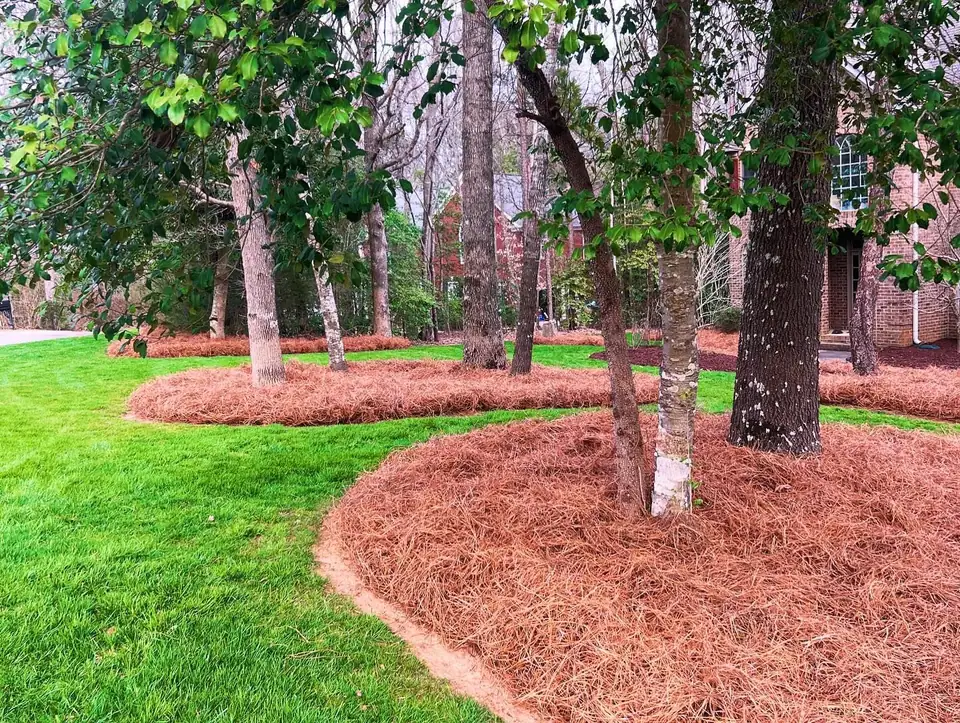
We prune to keep trees healthy and safe: removing dead and crossing limbs, raising canopies over drives and roofs, and thinning to let light reach the lawn. When a tree has to come out, we remove it cleanly and grind the stump so the space can be replanted.
What’s included
Every tree maintenance job covers this.
Written into your estimate, so you know exactly what the crew will do before anyone shows up.
Get a Tree Care Estimate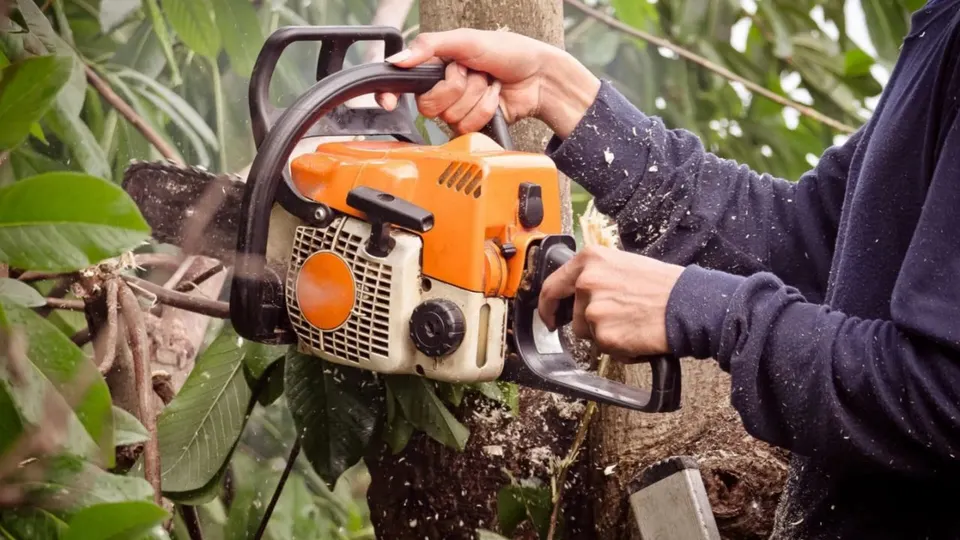
02
Dead limb removal
03
Stump grinding
04
Storm damage cleanup
05
Tree removal
06
Health checks
When to call
Signs it’s time.
- Limbs over the roof
- Dead branches in the canopy
- Storm damage
- Stumps in the lawn
Recent work
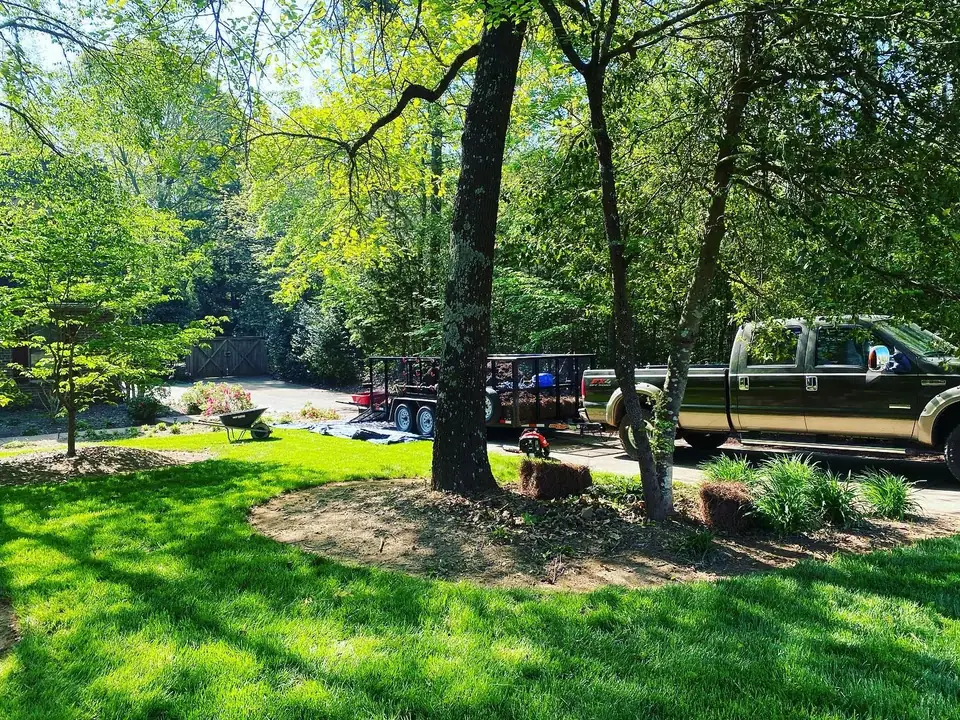
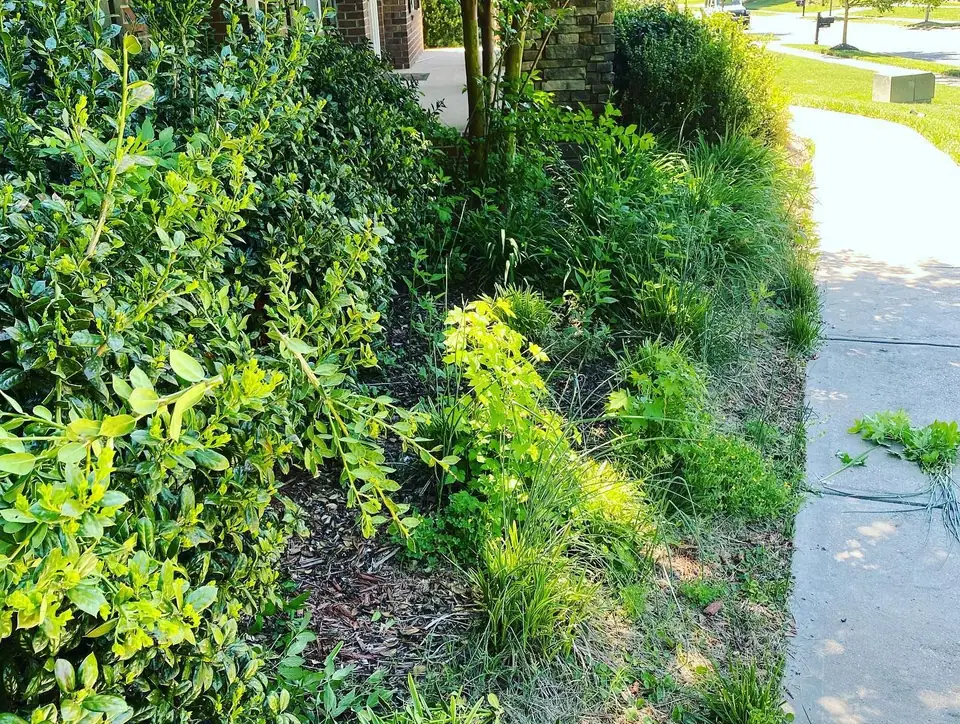
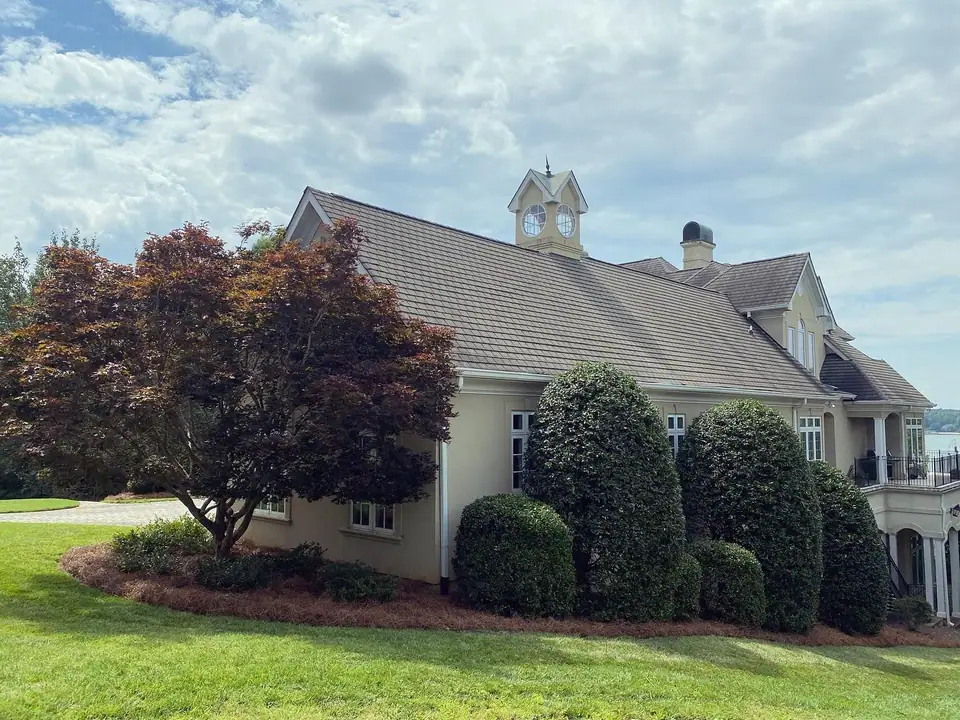
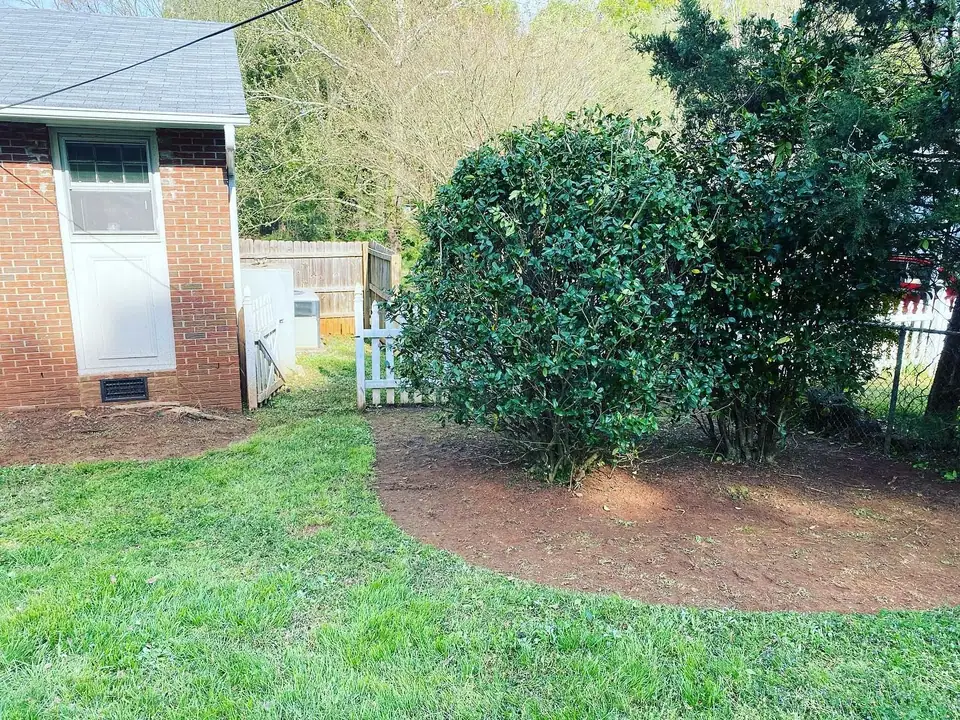
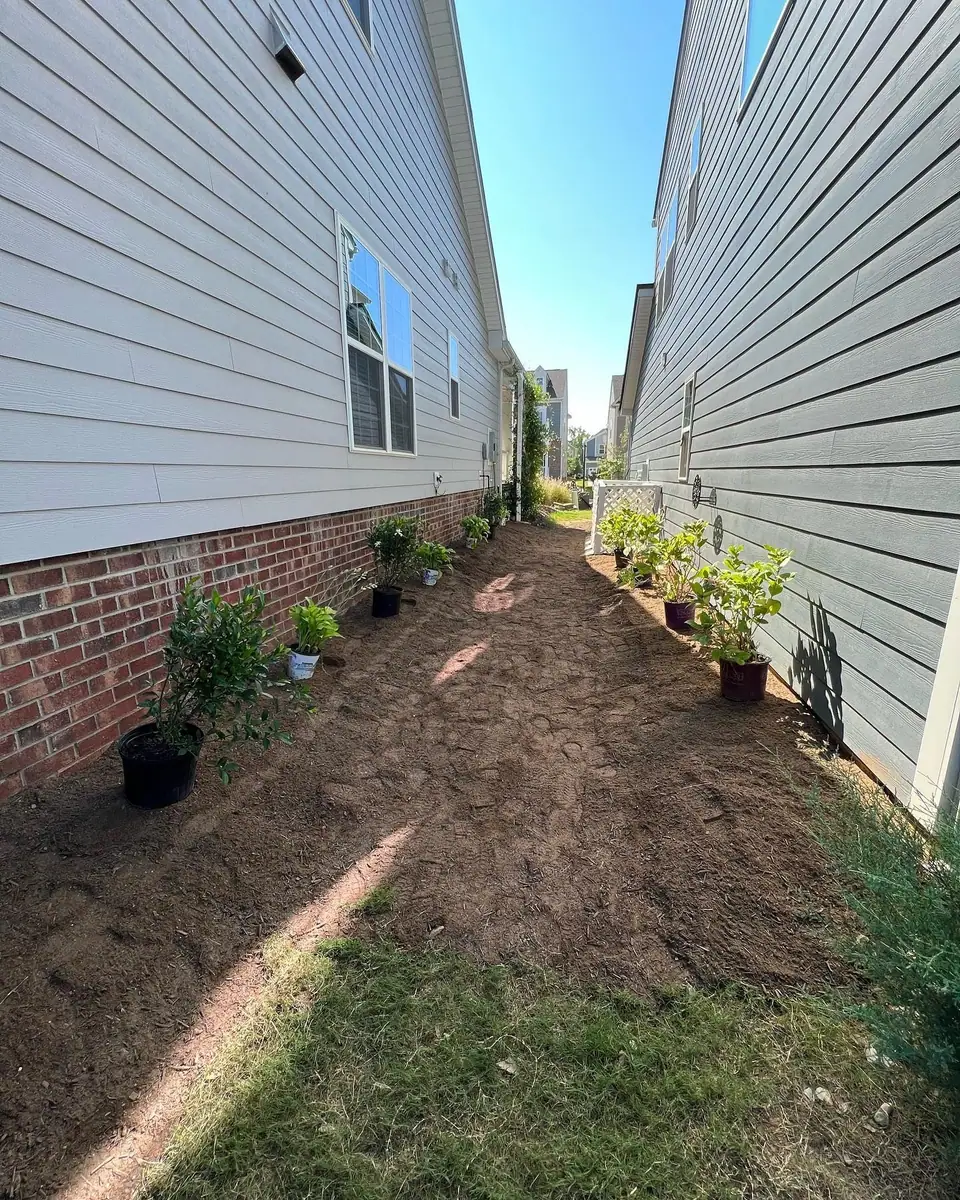
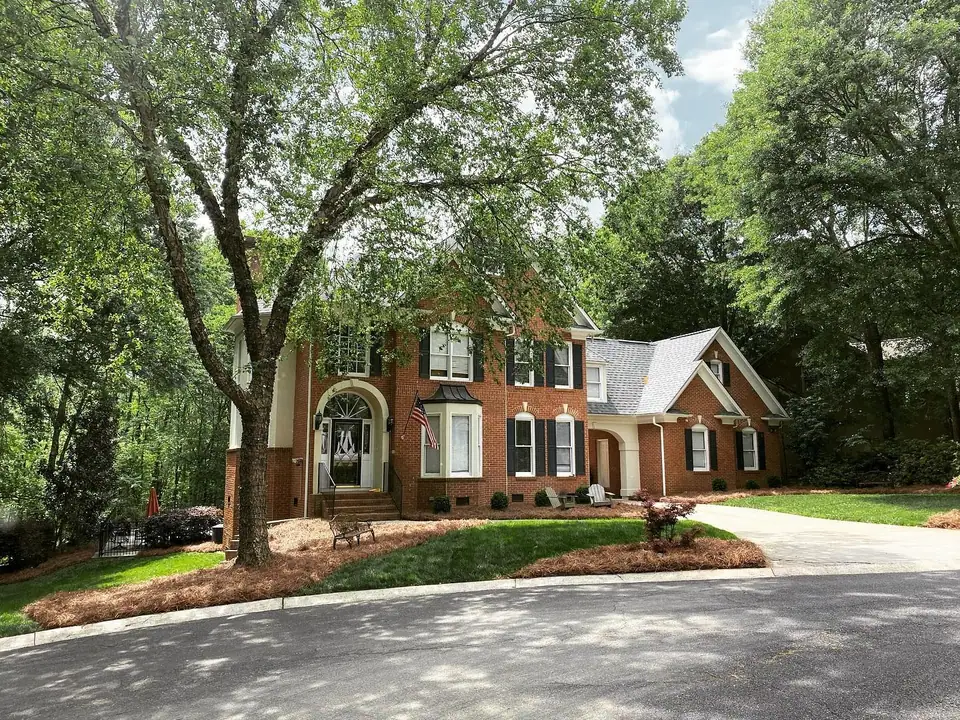
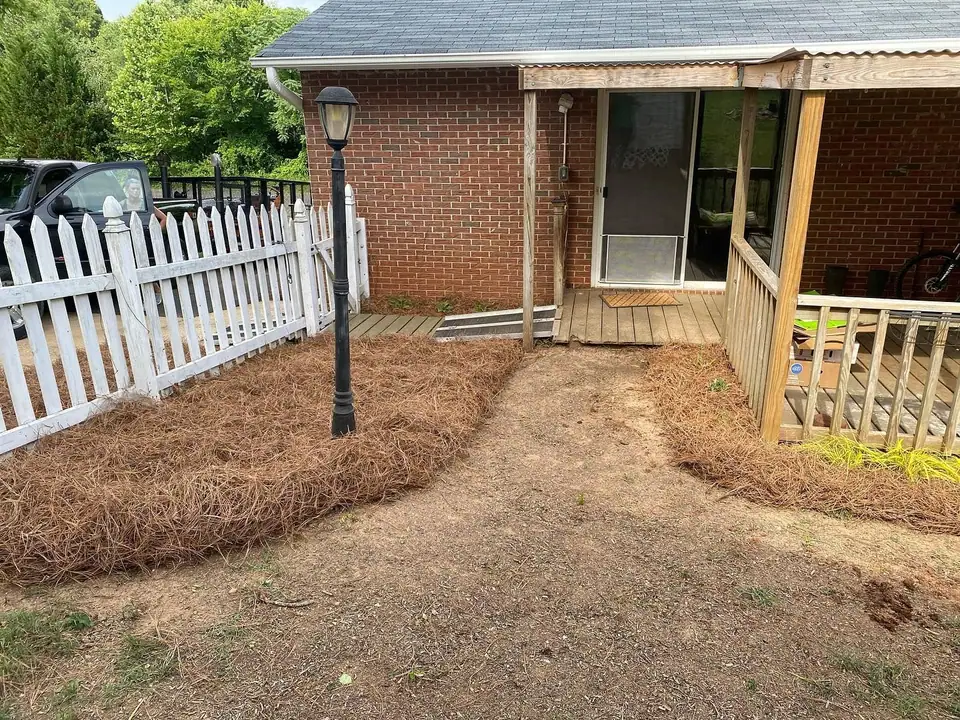
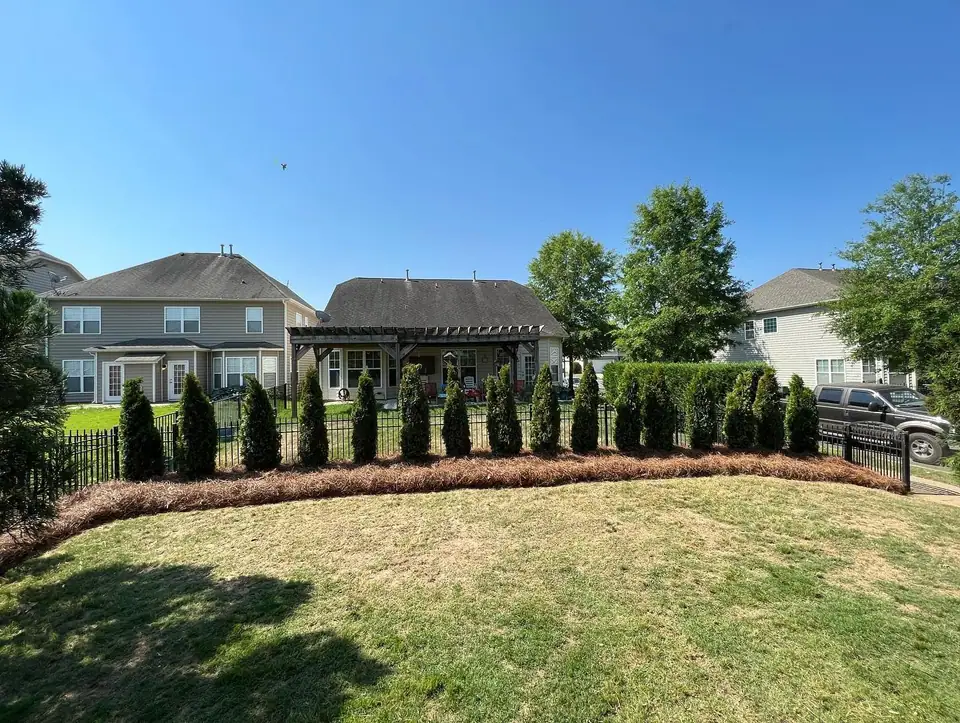
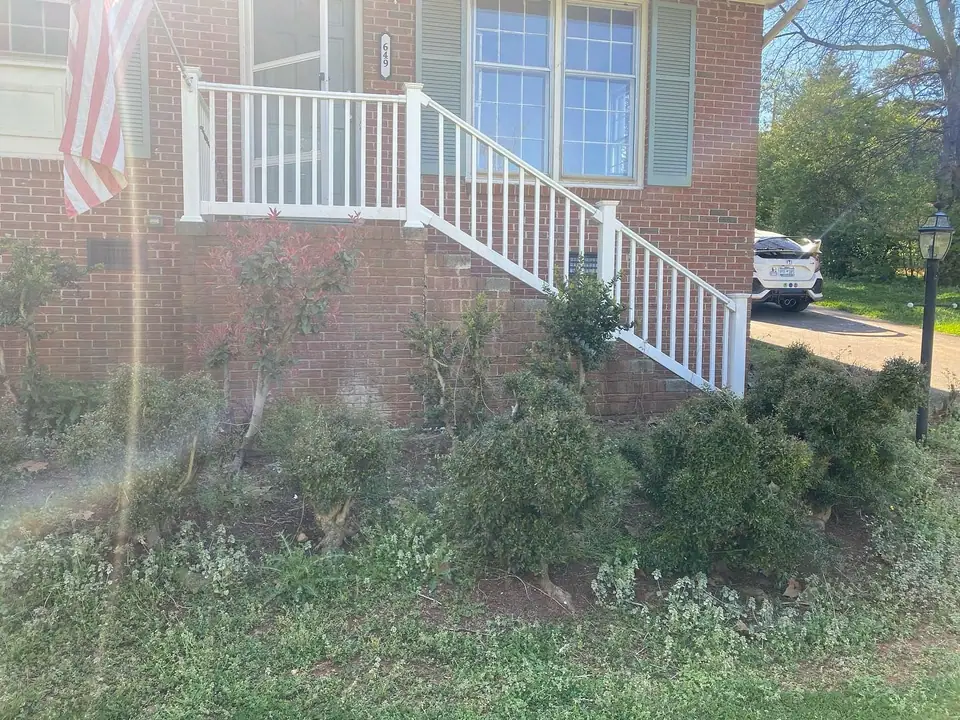
From our crew’s camera.
Services in this category
Everything under tree maintenance.
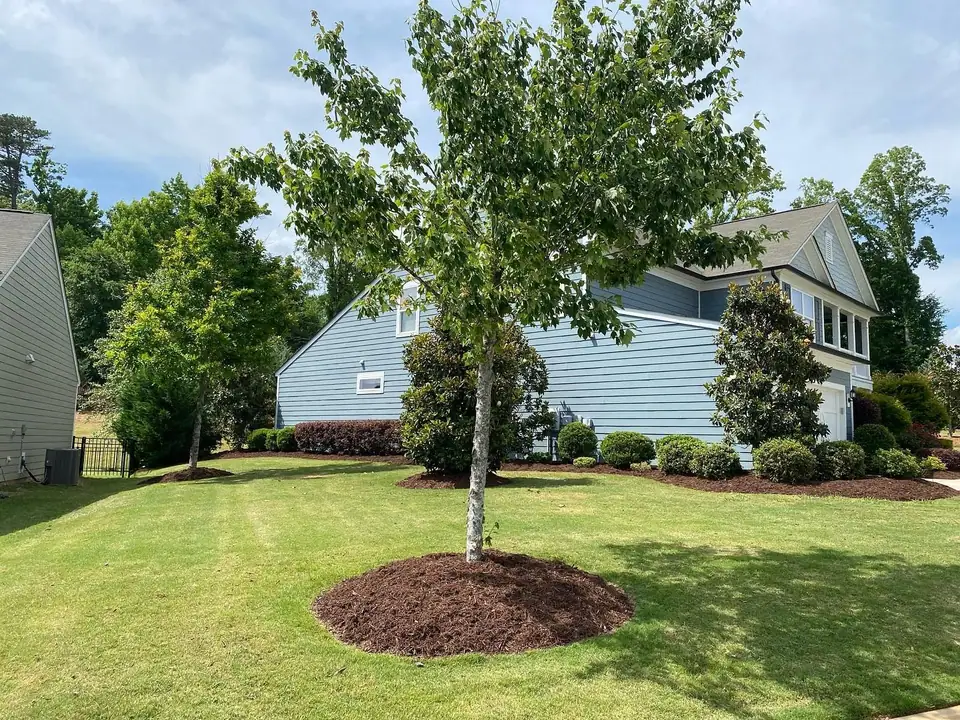
Tree Trimming & Pruning
Thin, raise and clean up canopies for safety, light and healthy growth.
Learn more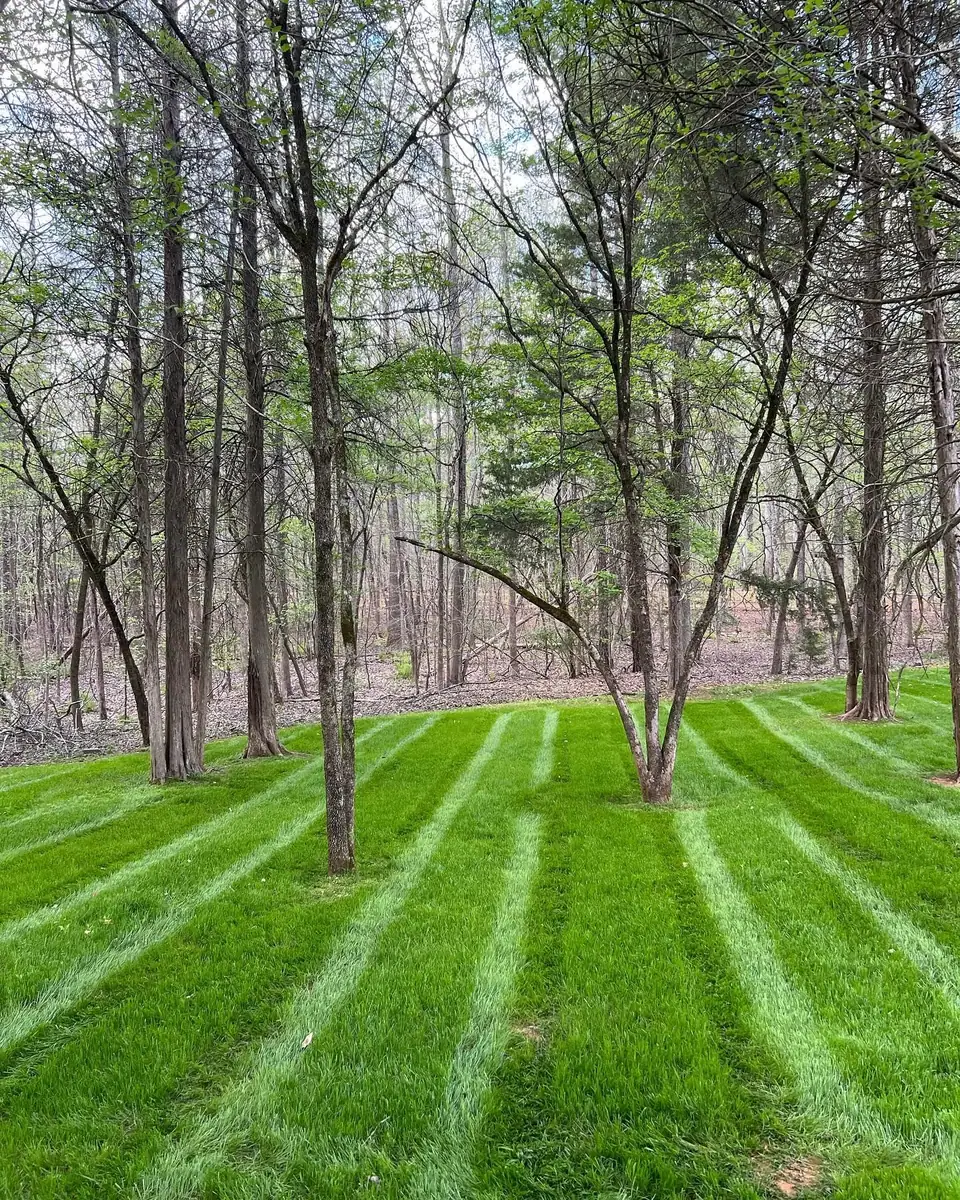
Stump Grinding
Grind stumps below grade so the spot can be seeded, sodded or replanted.
Learn more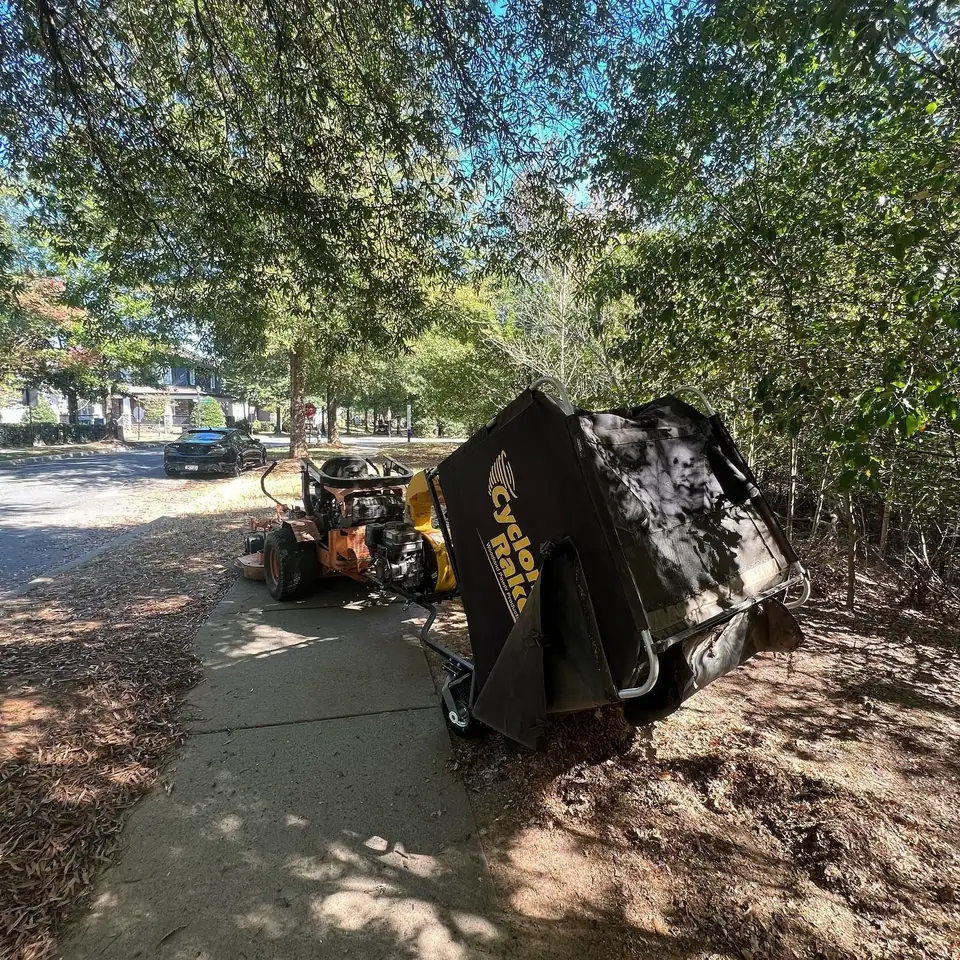
Storm Damage Cleanup
Fast removal of downed limbs and debris after storms, then cleanup and haul-off.
Learn more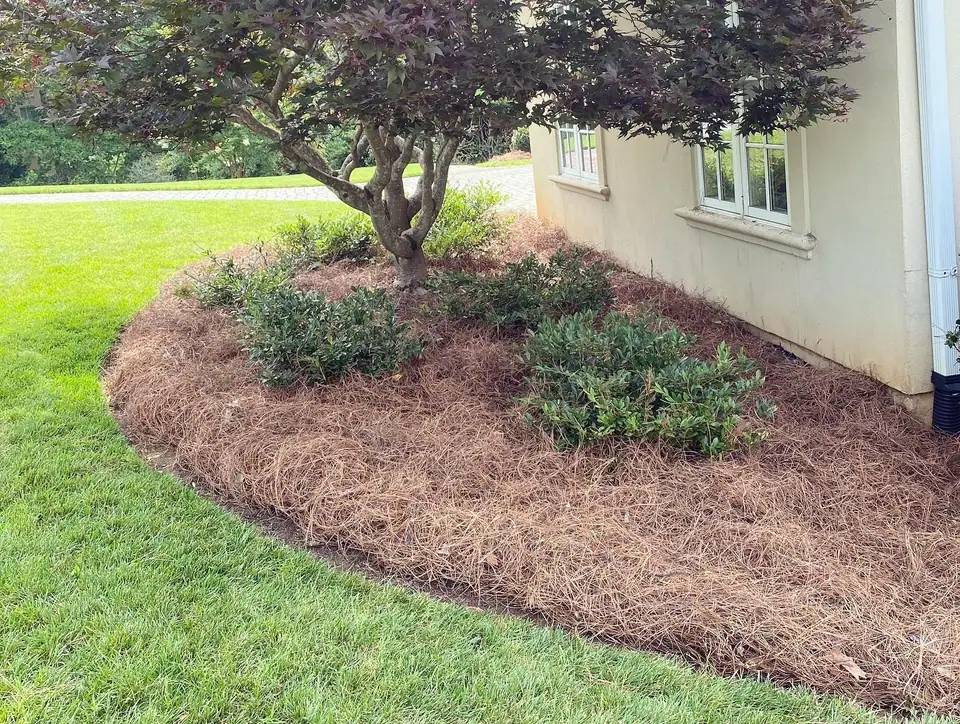
Tree Health & Disease Treatment
Spot early signs of decline, prune out disease and treat with licensed applications.
Learn more
Tree Removal
Safe removal of dead, dangerous or unwanted trees, with cleanup and stump options.
Learn moreTree care in Waxhaw and the Charlotte region: the complete guide
The short answer
Professional tree maintenance keeps mature trees healthy and safe through correct pruning, removal of dead or hazardous limbs, canopy raising, health checks, storm cleanup and, when necessary, safe removal and stump grinding. Around Waxhaw, the big issues are oaks and pines over houses, storm damage from summer thunderstorms and winter ice, and trees stressed by construction and compacted clay.
01Why does professional pruning matter?
Pruning is not just cutting branches back. Every cut is a wound the tree has to seal, so where and how a limb is cut determines whether the tree compartmentalizes the wound cleanly or invites decay. Proper cuts are made just outside the branch collar, never flush with the trunk and never leaving long stubs. Removing too much live canopy at once stresses the tree and can trigger weak, fast regrowth.
Done right, pruning makes trees stronger: it removes dead, crossing and weakly attached limbs, reduces wind resistance, clears roofs and driveways, and lets light reach the lawn. Done wrong, as with topping or heavy lion-tailing, it shortens a tree's life and creates future hazards.
- Deadwood removal: takes out limbs that can fall without warning
- Canopy raising: clears walks, drives, roofs and lawn areas
- Crown thinning: selective cuts that reduce wind load and let light through
- Clearance pruning: keeps limbs off roofs, gutters and siding
- Structural pruning: guides young trees toward a strong shape
02When is the best time to trim trees in North Carolina?
For most trees, late winter during dormancy is ideal. Without leaves, the structure is easy to see, the tree is not putting energy into new growth, and many pests and diseases are less active. Dead, broken or hazardous limbs are the exception: they should be removed whenever they are found.
Light maintenance pruning can be done in other seasons, but heavy pruning during the spring growth flush or in the stress of late summer is best avoided. Flowering trees are timed around their bloom: spring bloomers like redbud and dogwood are pruned after flowering, while summer bloomers such as crape myrtles are pruned in late winter. And crape myrtles should be thinned and shaped, never chopped back to stubs.
03How can I tell if a tree is hazardous?
Some warning signs are visible from the ground. Large dead limbs, cracks or splits in the trunk, a canopy that suddenly leans more than it did, mushrooms or conks at the base, cavities, peeling bark with soft wood underneath and heaving soil at the root plate all warrant a closer look. Trees that lost roots to trenching, grading or a new driveway may decline slowly over several years before failing.
Location matters as much as condition. A declining tree in the woods is a lower priority than one leaning over a bedroom, a play area or a driveway. Our inspections weigh both and give you a plain-language recommendation: prune, monitor, treat or remove.
04What do storms do to trees around here?
The Charlotte region gets strong summer thunderstorms, occasional tropical-storm remnants and periodic ice storms. Pines and large hardwoods with heavy, unbalanced canopies take the most damage, as do trees with included bark at tight branch unions. Proactive pruning reduces risk, but after a storm the priority is safety: hanging limbs, trees on structures and debris blocking drives.
Never try to cut a tree that is under tension or tangled with power lines. Lines should be reported to the utility first; Duke Energy serves much of the area. Once the site is safe, cleanup includes removing downed limbs and trees, hauling debris, and restoring lawns and beds.
05When does a tree need to be removed?
Removal is the right call when a tree is dead, structurally compromised beyond correction, seriously diseased, or growing where it threatens a structure and can't be pruned into a safe shape. Trees crowding a foundation or damaging hardscape may also need to go. Near houses, removal is done in sections, lowering pieces in a controlled way rather than felling the whole tree.
After removal, stump grinding takes the stump below grade so the area can be filled and seeded, sodded or planted. Wood and debris are hauled off and the work area is cleaned up.
06How do licensed treatments help sick trees?
Many declining trees can be helped if problems are caught early. Treatment starts with an inspection: what species, what symptoms, what changed recently around the root zone. Some issues are cultural, such as mulch piled against the trunk, compacted soil or grade changes, and are fixed by correcting the site. Others call for disease pruning or targeted treatments. Galloway Scapes holds North Carolina and South Carolina Pesticide Application Licenses and an Ornamental & Turf License, so treatments are applied by licensed staff.
How it works
Four steps. No surprises.
From the first call to the final cleanup, you deal with the same owner-run crew.
Call or send the form
Tell us what’s bothering you about the yard. We get back to you within 24 hours.
Walk the property
We look at slope, soil, drainage paths, turf type and how you actually use the space. No guessing from a photo.
A written estimate
You get a plain-language scope and price. No surprise add-ons after the crew shows up.
Owner-led work and cleanup
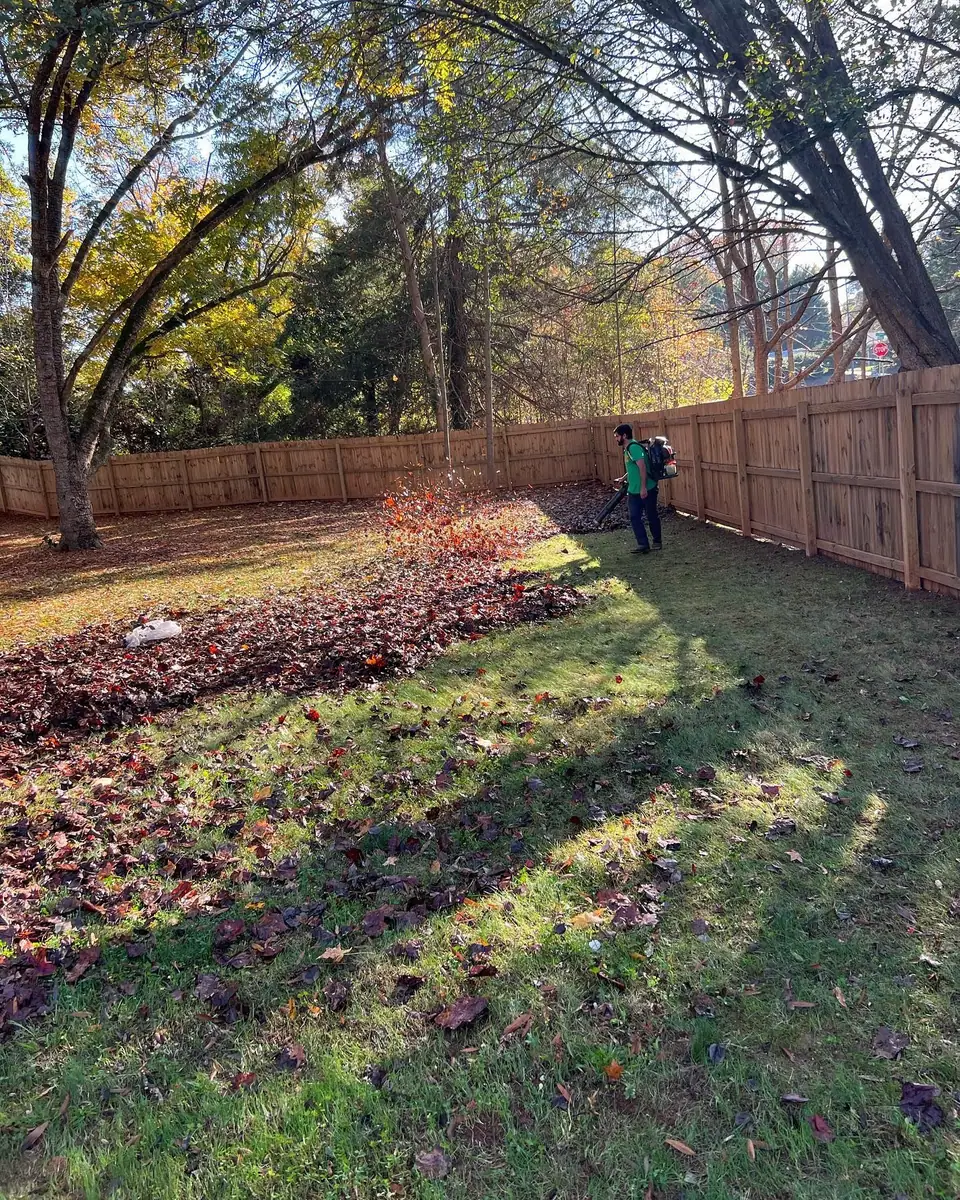
Terry is on the job. Beds edged, debris hauled off and the driveway blown clean before we leave.
Tree Maintenance near you
FAQ
Tree Maintenance: questions, answered.
How much does tree trimming or removal cost?
Tree work is priced by the job because no two trees are the same. The main factors are the tree's size and species, how close it is to the house, wires, fences or other trees, whether a bucket or climbing is needed, how much wood and debris has to be hauled away, and whether stump grinding and restoration are included. A canopy raise on a few yard trees is a much smaller job than a sectional removal of a large oak over a roof. Galloway Scapes provides free written estimates after an on-site look, so you see exactly which trees, which cuts and what cleanup are included before any work is scheduled.
When should trees be pruned in the Charlotte area?
For most shade trees in the Charlotte region, late winter while the tree is dormant is the best time for structural pruning. Branch structure is easy to see without leaves, the tree is not pushing new growth, and pest and disease activity is lower. Spring-flowering trees such as dogwoods and redbuds are best pruned soon after they bloom, and summer bloomers such as crape myrtles are shaped in late winter, with thinning cuts rather than topping. Dead, broken or hazardous limbs are the exception to any calendar: they should be removed as soon as they are noticed, especially over roofs, driveways and play areas. Heavy pruning during spring leaf-out and late summer heat stress is best avoided.
Is it safe to remove a tree close to my house?
Yes, when it is done by a crew with the right methods. Trees near houses, decks and fences are taken down in sections, with limbs and trunk pieces cut and lowered in a controlled way instead of dropping the whole tree. The crew plans the work zone, protects lawns and hardscapes, and keeps people and vehicles clear. Galloway Scapes is licensed, bonded and insured. If a tree is touching or near power lines, the utility must be contacted first, and we will not work on energized lines. After removal, we haul off debris and wood and can grind the stump below grade so the area can be restored with soil, seed or sod.
What should I do after a storm brings down a tree?
Safety comes first. Stay away from any tree touching power lines and report it to the utility right away; in much of the area that is Duke Energy. Don't try to cut trees or limbs that are bent, twisted or pinned, because wood under tension can spring back with great force. If a tree is on the house, check for structural damage and contact your homeowners insurance; photos before cleanup help with claims. Then call (803) 487-5240. Galloway Scapes handles storm damage cleanup across Waxhaw, Weddington, Marvin, Indian Land, Fort Mill, Rock Hill and the surrounding towns, removing downed trees and limbs, hauling debris and assessing any damaged trees that are still standing.
Can a dying tree be saved?
Sometimes. Many trees that look like they are dying are actually stressed by site conditions such as compacted clay, root damage from construction, grade changes, drought or mulch piled against the trunk. Correcting those conditions, along with proper pruning of dead and diseased wood and, when appropriate, licensed treatments, can help a tree recover. Trees with major trunk decay, extensive root loss or advanced disease may not be salvageable, and when they stand near a house or high-use area, removal may be the safer choice. A tree health inspection from Galloway Scapes looks at the species, symptoms and site history and gives you a straightforward recommendation: treat and monitor, prune, or remove.
We had several landscaping projects completed at our property, including new sod installation, mulching, and drainage work, and I couldn’t be happier with how everything turned out. The sod installation completely transformed the appearance of our yard.
We contacted Galloway Scapes for lawn leveling and are very pleased with their service. Terry and his crew are incredible and did a great job on our lawn! They arrived on schedule and did a thorough job.
Terry and his crew are the best! He is attentive, professional, and knowledgeable. I have a fast growing weed in my lawn and he works diligently on keeping it under control.
Reliable, efficient, and professional, with great attention to detail. Everything looked clean, green, and well cared for.
Very good, consistent service. They are responsive when asked about things and address concerns as they arise.
Reliable, punctual, creative, clean, and professional throughout the process. I really appreciated how easy they made everything.
Knowledgeable and skilled approach to lawn maintenance and yard landscaping, with meticulous attention to detail. Fair pricing combined with outstanding results.
Free estimate
Tell us about your tree maintenance project.
A few quick details. We reply within 24 hours, usually sooner, and we walk the property before we price anything.
(803) 487-5240Mon–Sat, 7 AM–7 PM · call or text
- Free, written estimates with no obligation
- Owner Terry Galloway on every project
- Licensed, bonded & insured · NC & SC Pesticide License