
01
Landscape Design
Garden & Planting Design
The right plant in the right place needs less of everything.
★★★★★ 4.9 on Google · 16 reviewsLicensed, bonded & insuredOwner on every jobFree written estimates
Our approach
Talk it through with Terry →
How we approach garden & planting design.
We pick plants for the exact spot: full sun or shade, wet or dry, deer pressure, mature size. Then we arrange them in layers so something looks good every month — evergreen structure, blooming shrubs, perennials and a little seasonal color near the door.
What’s included
Every garden & planting design job covers this.
Written into your estimate, so you know exactly what the crew will do before anyone shows up.
Get a Design Estimate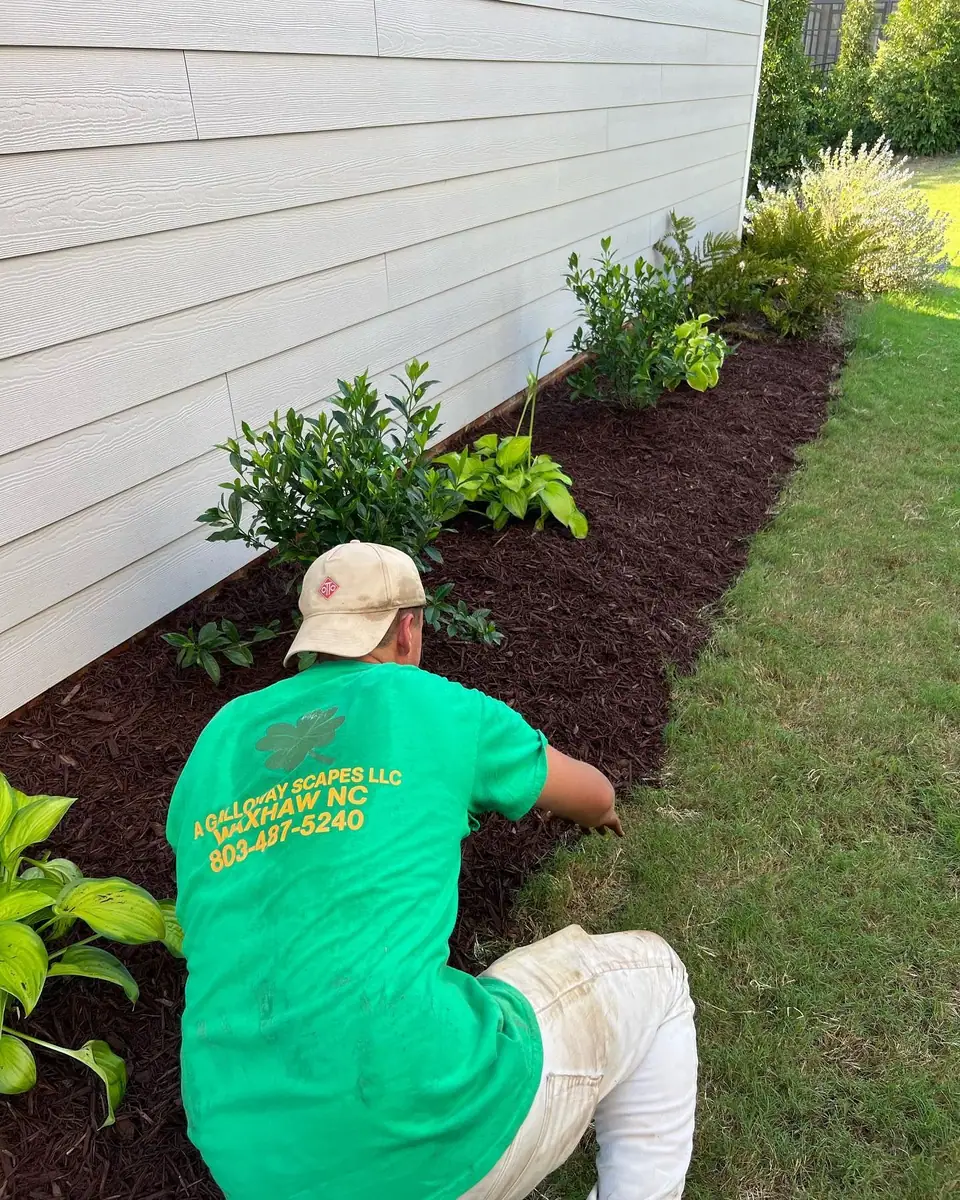
02
Layered planting plans
03
Seasonal color
04
Soil prep and planting
05
Mulch finish
Planting details
The small choices that make it look finished.
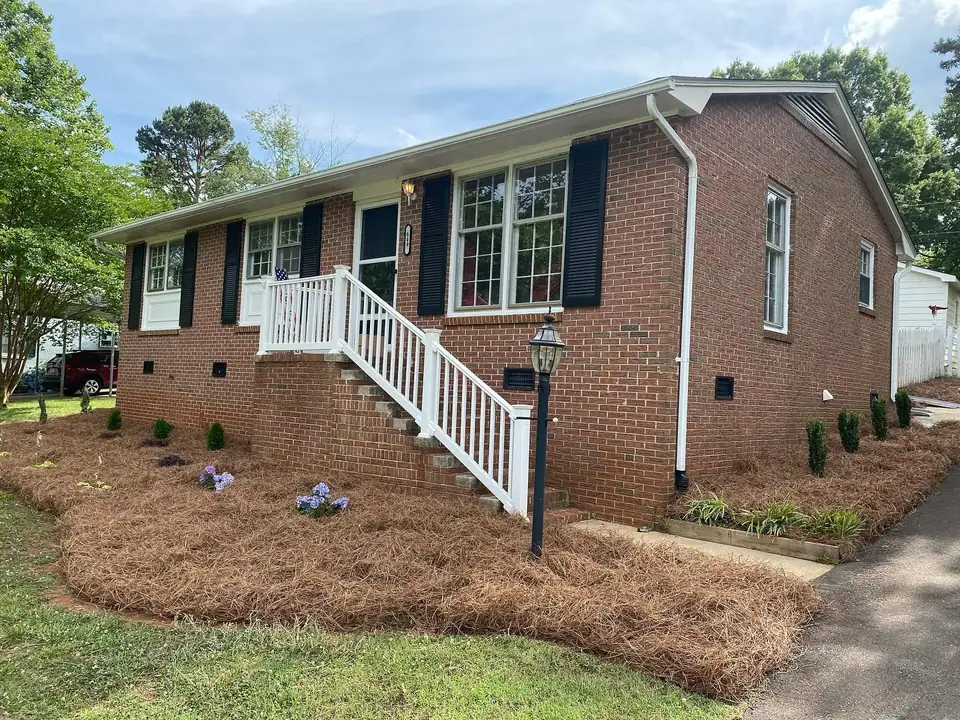
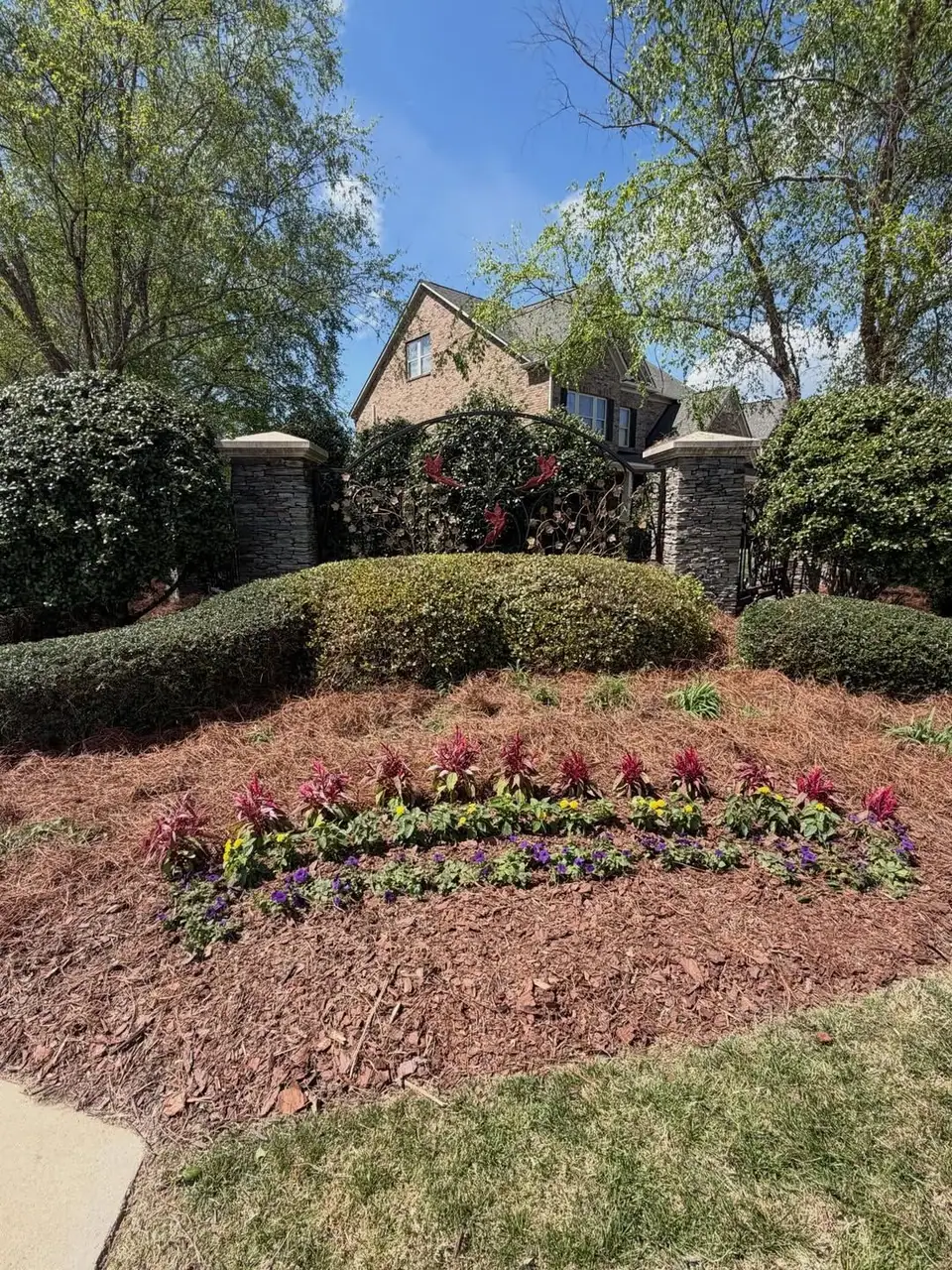
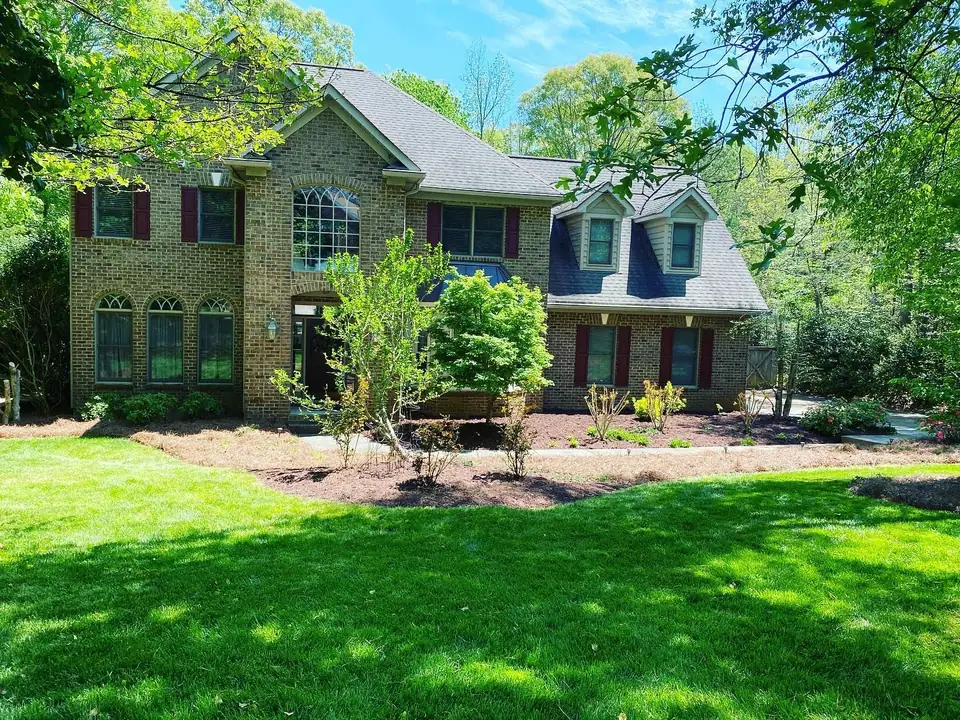
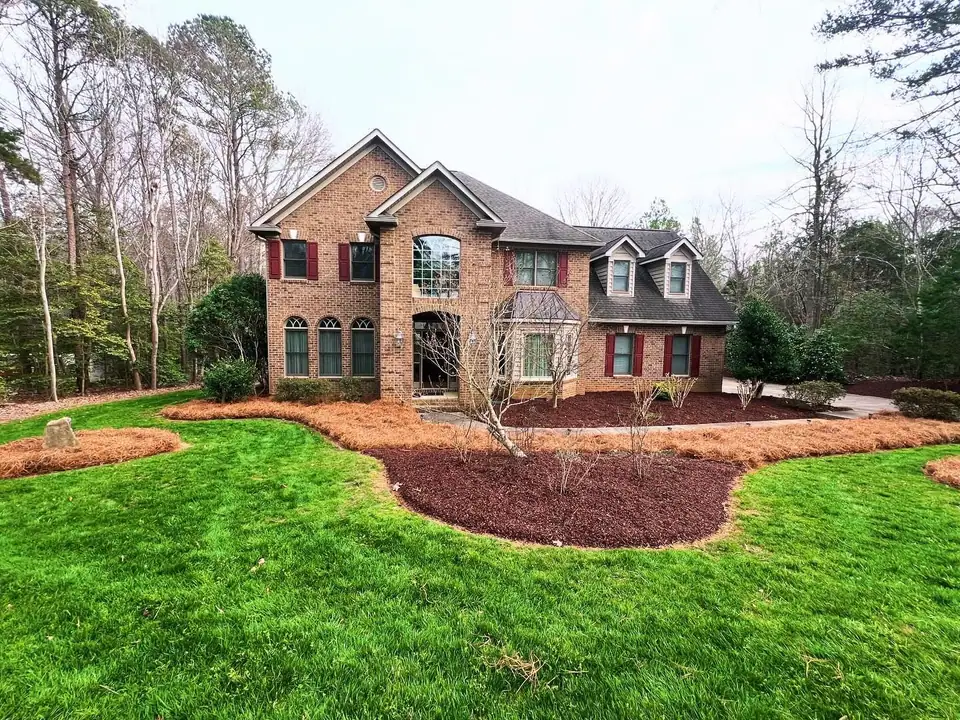
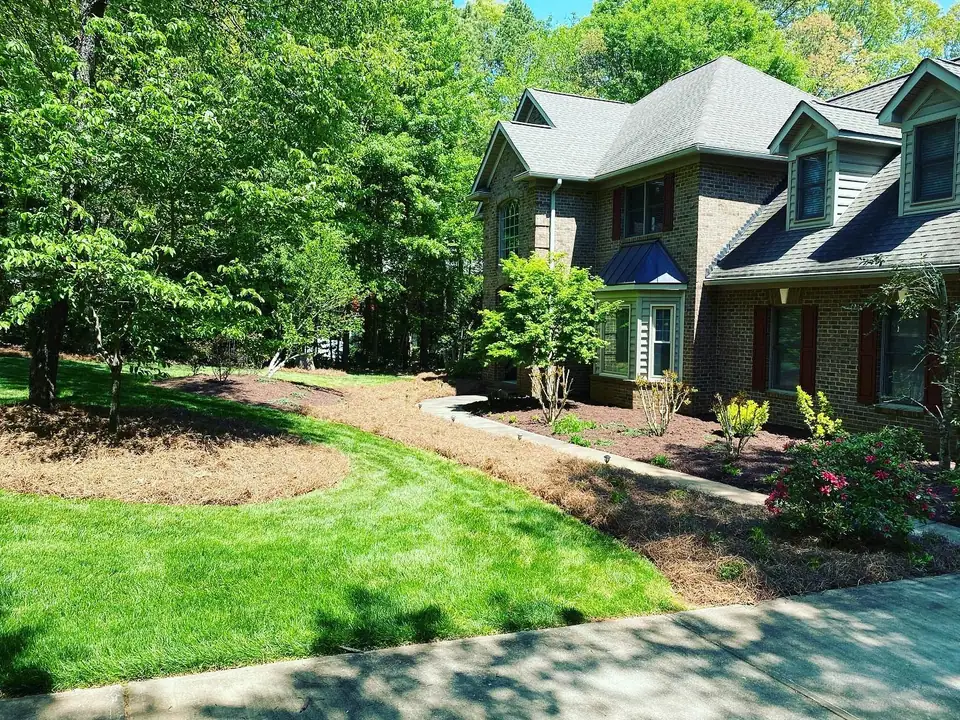
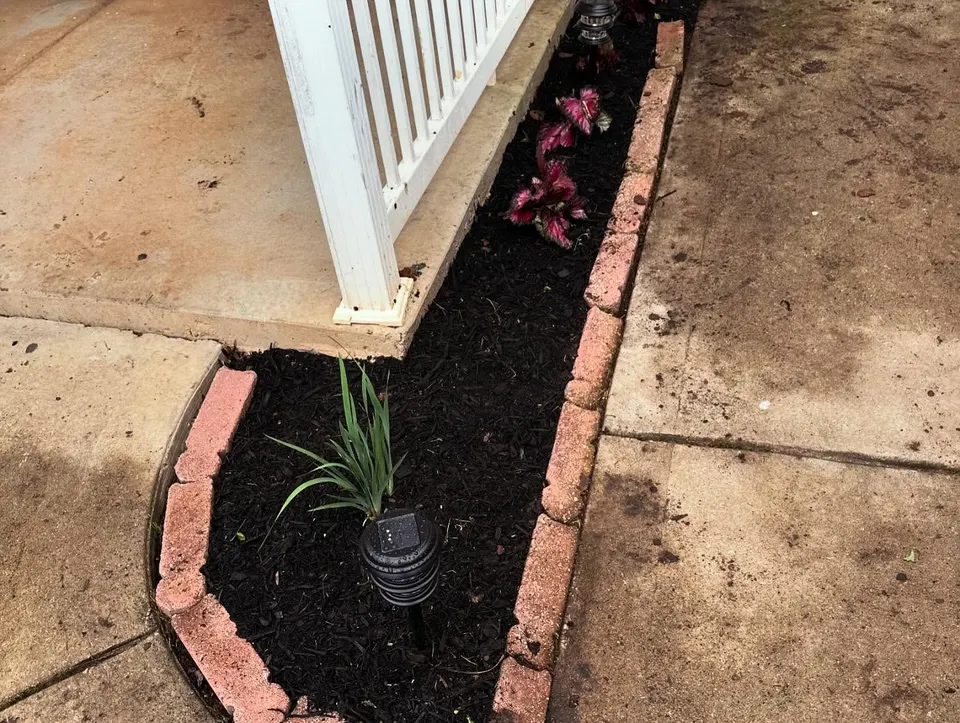
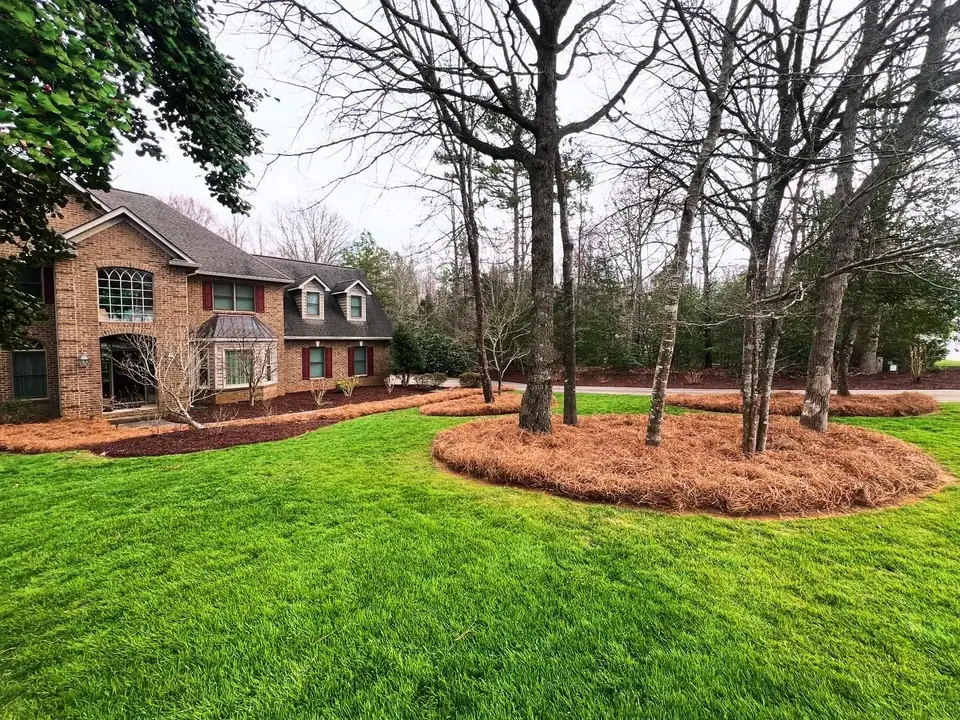
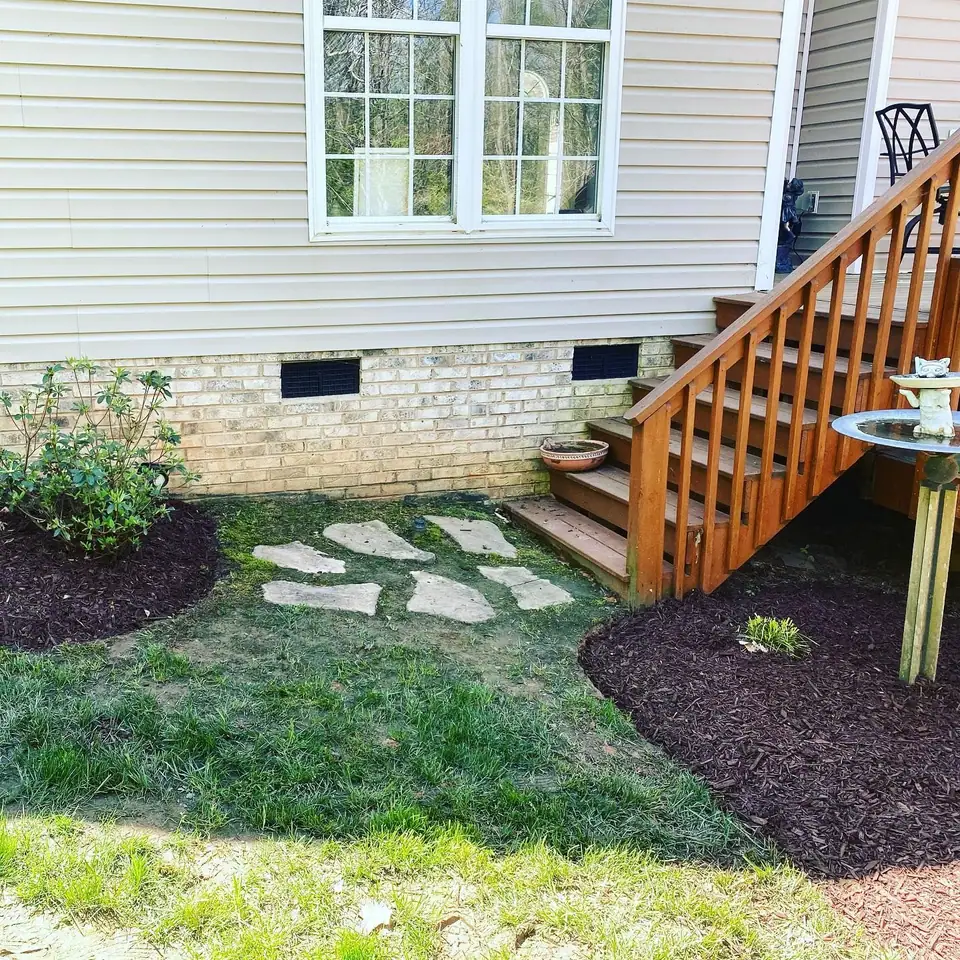
What we plant, where, and why, from Galloway Scapes projects around Waxhaw.
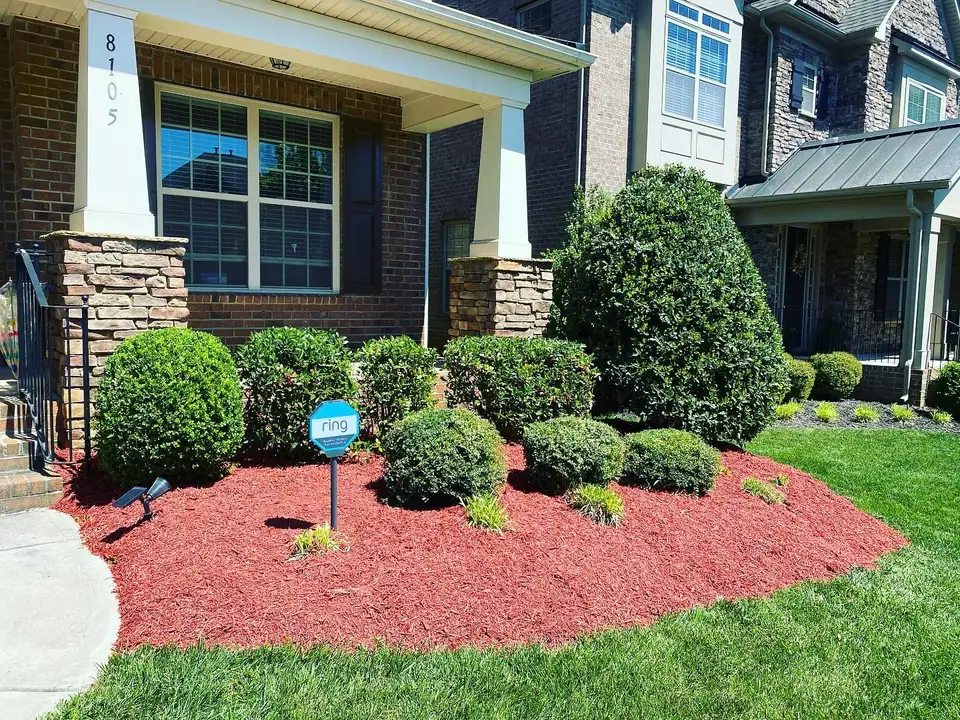
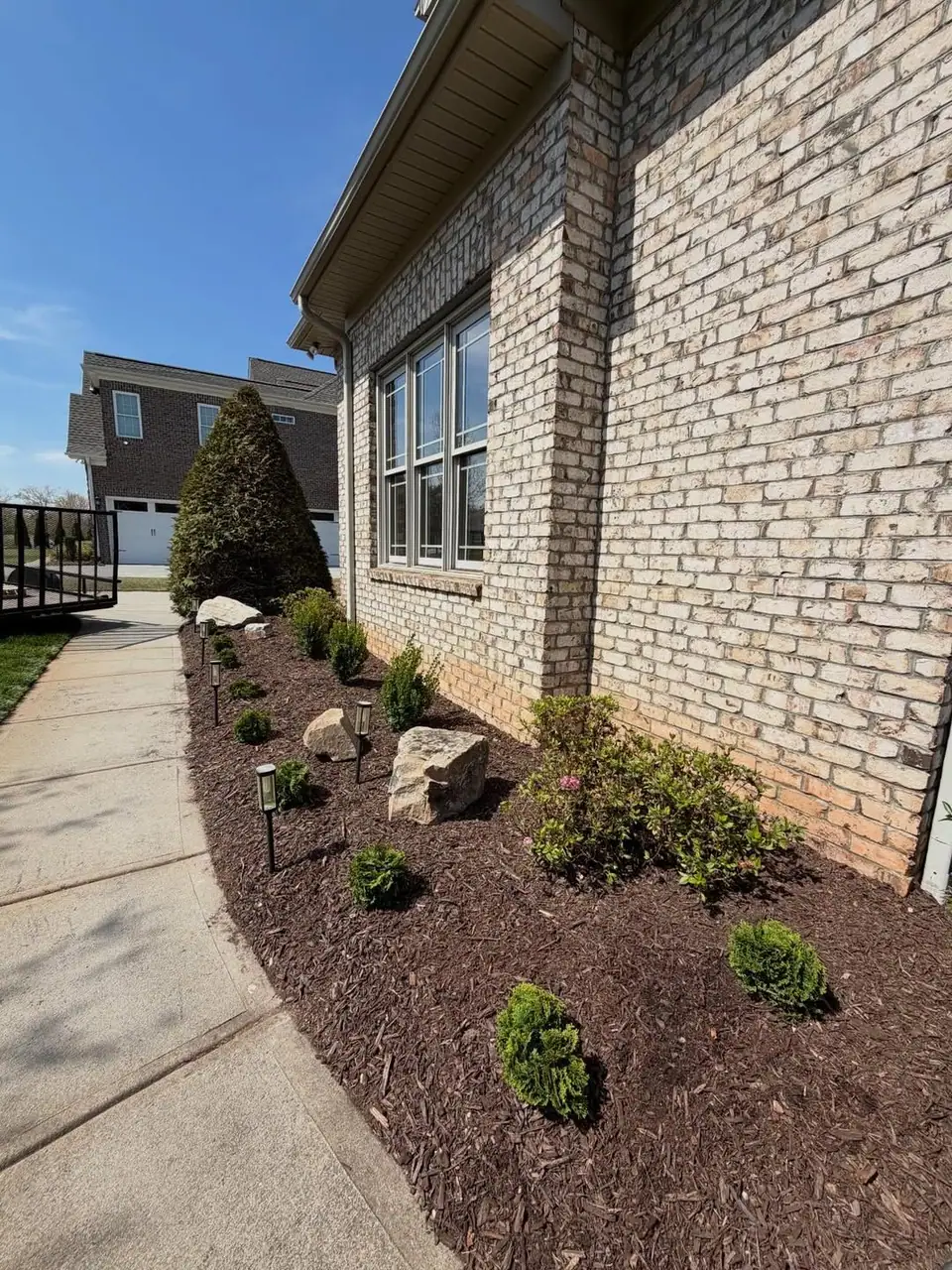
Boxwoods in fresh mulch
Evergreen boxwoods frame the porch and stay tidy all year with two trims.
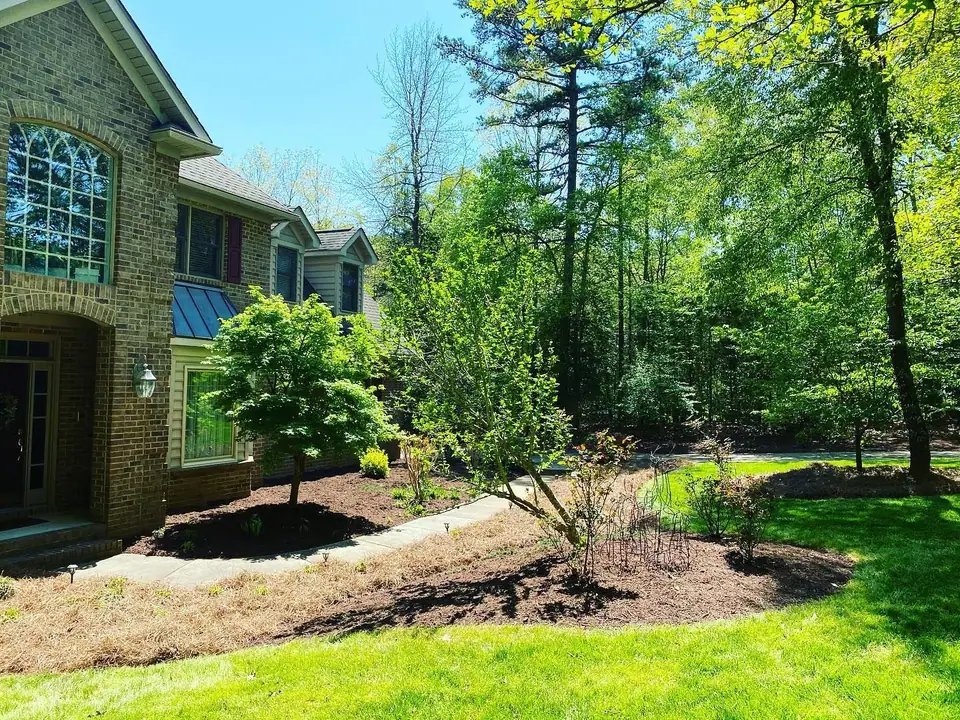
Boulder accents
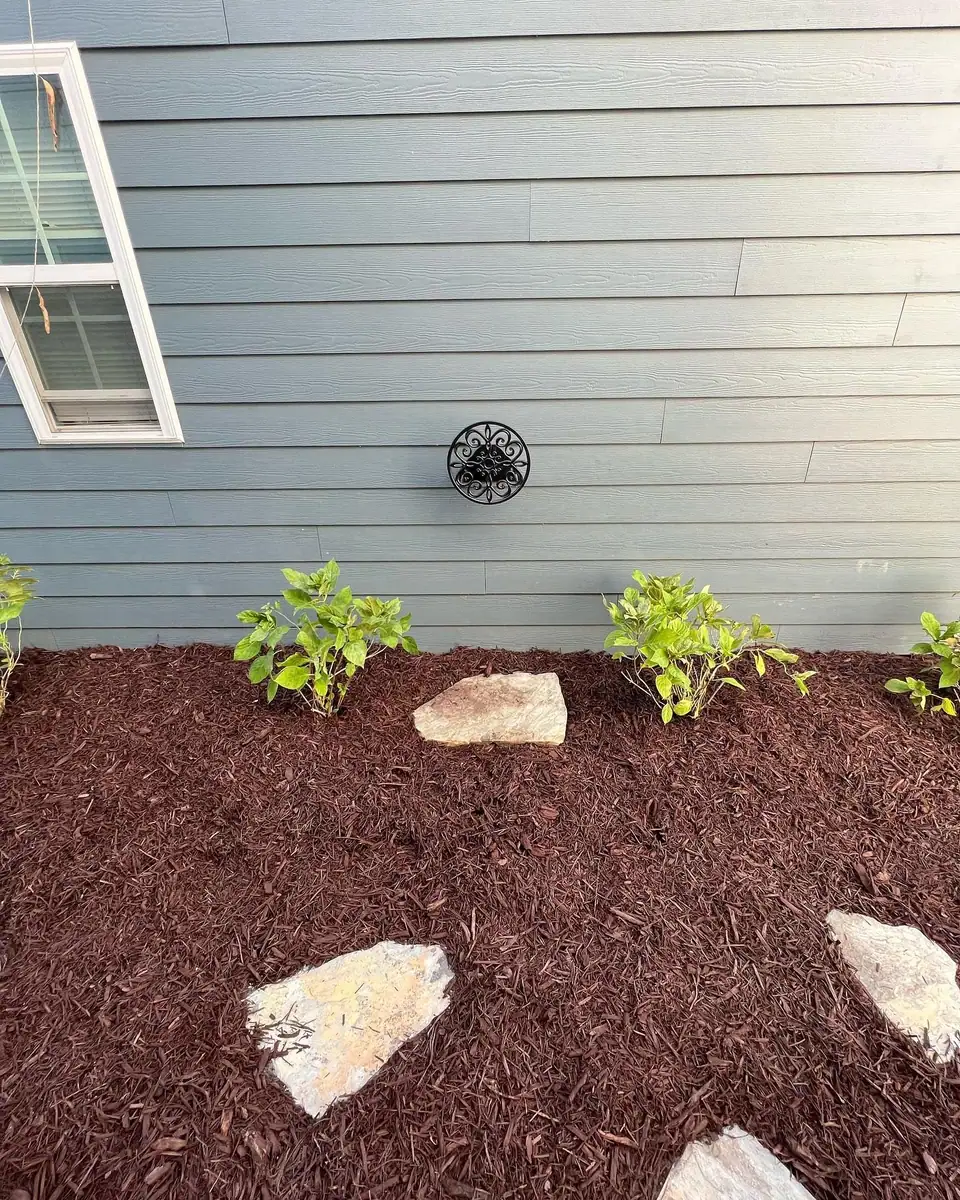
A single boulder anchors the bed and gives low plantings something to grow around.
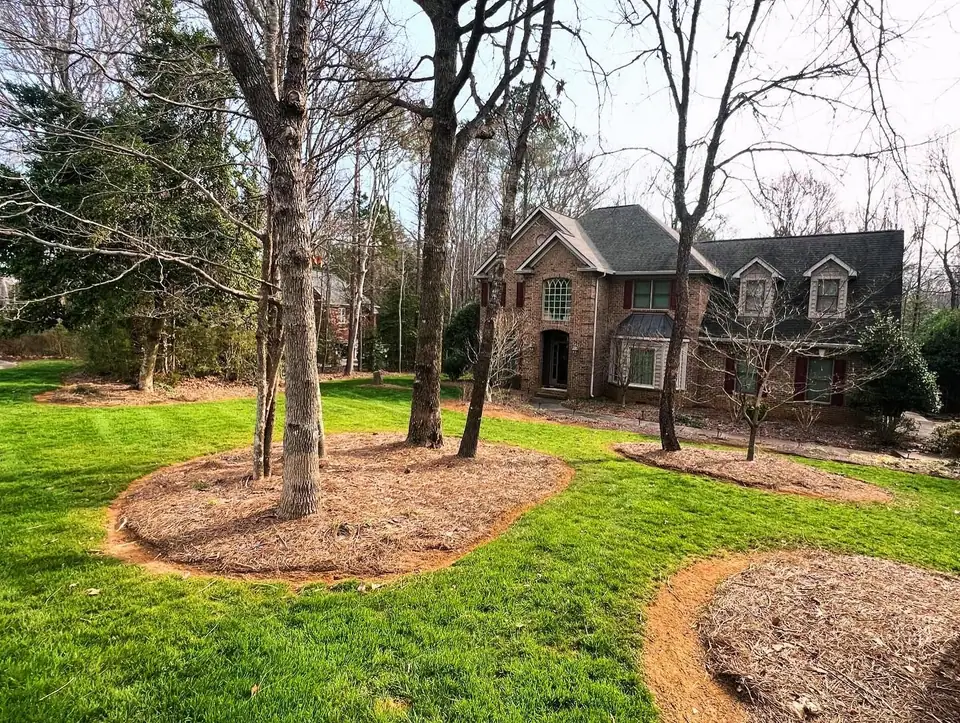
Pine straw tree rings
Rings around mature trees protect roots from mowers and tie the yard together.
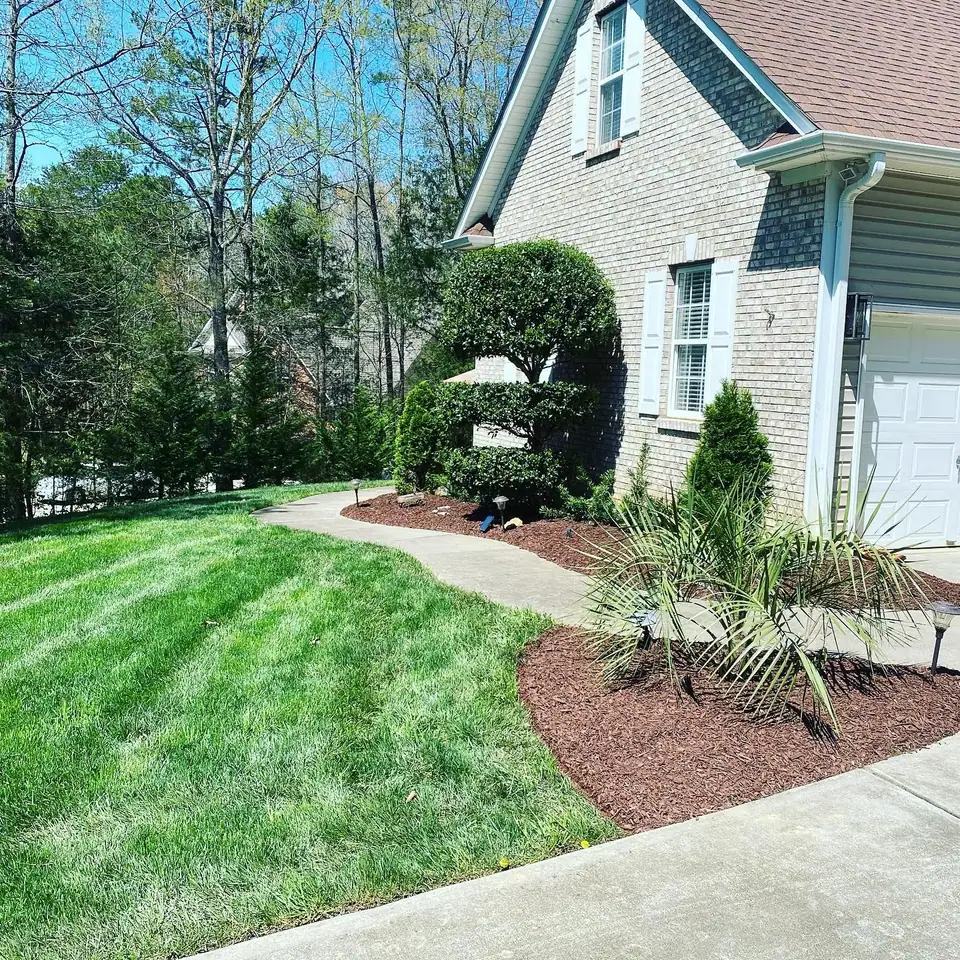
Beds along the walk
Layered plantings soften the steps and lead guests to the front door.
When to call
Signs it’s time.
- Plants that keep dying
- Beds with no structure
- Wanting color near the entry
Recent work
From our crew’s camera.
Related services
More landscape design services.
Residential Landscape Design
Front and back yard designs with beds, plantings and structure that suit the home.
Learn more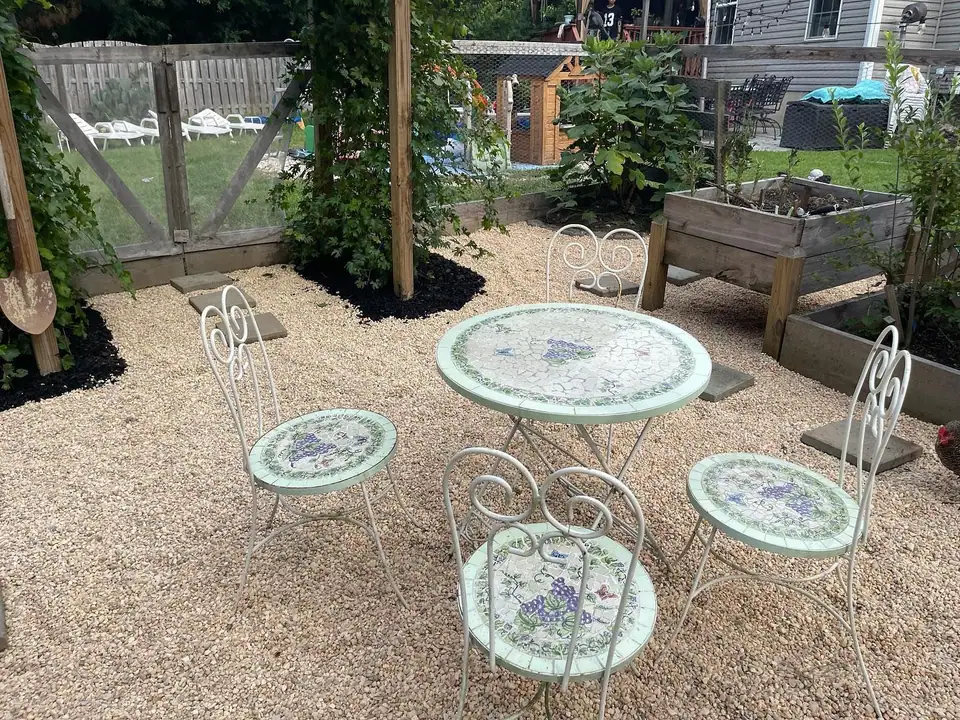
Outdoor Living Design
Fire pit areas, gravel patios and backyard spaces you’ll actually spend evenings in.
Learn more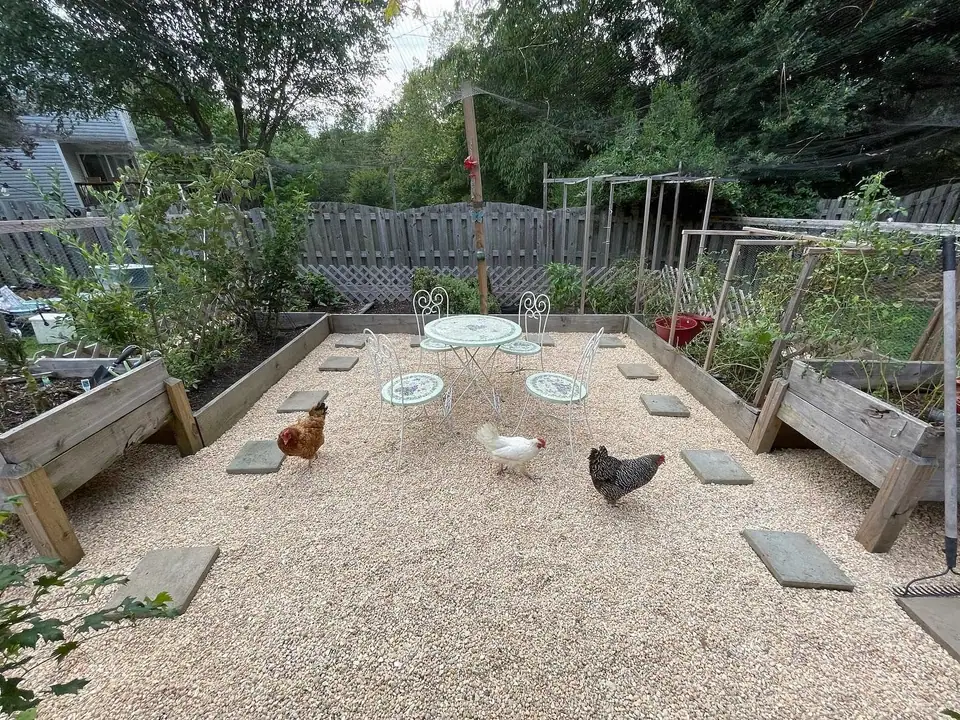
Hardscape Design
Gravel patios, stepping-stone paths, timber and stone edging, and fire pit areas.
Learn more
Landscape Lighting
Low-voltage path and accent lighting for walks, trees and the front of the house.
Learn moreGarden and planting design in Waxhaw, NC: the right plant in the right place
The short answer
Planting design means choosing plants for the exact conditions of each spot, including sun or shade, wet or dry soil, deer pressure and mature size, and arranging them in layers so the garden looks good in every season. On Carolina clay, success also depends on preparing the soil, planting at the right depth and watering properly while roots establish.
01How are plants chosen for a specific spot?
Every bed on a property has its own conditions. The east side of a house gets gentle morning sun; the west side bakes in afternoon heat. Areas under mature oaks are dry and shady, while low corners can stay wet for days. A plant that thrives in one spot can struggle ten feet away.
Planting design starts by reading those conditions, then choosing plants that want to grow there. The right plant in the right place needs less water, less fertilizer, less pruning and fewer treatments.
- Light: full sun, part shade or full shade through the day
- Moisture: well-drained, seasonally wet or dry under trees
- Mature size: room to grow without constant pruning
- Deer pressure: resistant choices where deer browse
- Purpose: screening, color, texture or a focal point
02What does layered planting mean?
A layered planting works like a well-arranged room. Evergreen structure forms the backbone and keeps the garden from looking empty in January. Flowering shrubs add seasonal moments. Perennials and ornamental grasses bring texture and summer color. Groundcovers knit the front edge together and shade the soil. A small tree or specimen plant gives the eye a place to land.
The goal is that something looks good every month: camellias in winter, azaleas and redbuds in spring, perennials and crape myrtles in summer, and grasses and foliage color in fall.
03Which plants handle Charlotte-area conditions?
Durable performers in the Piedmont include hollies, distylium, loropetalum, abelia and tea olive for evergreen structure; camellias, azaleas and hydrangeas for part-shade flowers; and crape myrtles, redbuds and serviceberries as small trees. Coneflower, black-eyed Susan, salvia, lantana, daylilies and muhly grass are reliable in sun. Native plants support pollinators and are often well adapted to local soils and weather.
Deer are a real issue in parts of Waxhaw, Weddington and Marvin near woodland. Where they browse, plant selections lean toward species deer usually avoid.
04How are plants installed in clay soil?
Planting holes in clay are dug wide rather than deep, typically two to three times the width of the root ball, so roots can spread into loosened soil. Root balls are set slightly high so the crown sits above grade and water drains away from it. Circling roots are loosened. Native soil is mixed with organic matter rather than replaced entirely, which avoids creating a bathtub that holds water. Each plant is watered in deeply and mulched, keeping mulch off the stems.
05What about seasonal color?
Annual color, such as pansies and violas for winter and spring, or heat-loving annuals for summer, brings the most impact when it is concentrated in a few high-visibility spots, like containers and the beds beside the front door, rather than spread thinly across the whole property. That keeps cost and maintenance manageable while making the entry feel welcoming every season.
How it works
Four steps. No surprises.
From the first call to the final cleanup, you deal with the same owner-run crew.
Call or send the form
Tell us what’s bothering you about the yard. We get back to you within 24 hours.
Walk the property
We look at slope, soil, drainage paths, turf type and how you actually use the space. No guessing from a photo.
A written estimate
You get a plain-language scope and price. No surprise add-ons after the crew shows up.
Owner-led work and cleanup
Terry is on the job. Beds edged, debris hauled off and the driveway blown clean before we leave.
Garden & Planting Design near you
FAQ
Garden & Planting Design: questions, answered.
How much does planting design and installation cost?
Planting design and installation cost depends on the size of the beds, the number and size of plants, whether trees are included, how much old plant material and weeds must be removed, soil preparation needs, mulch, and any seasonal color. Larger plants cost more but give an immediate finished look, while smaller plants are more affordable and often establish faster. A few foundation beds are a modest project; a complete garden with layered plantings across front and back yards is larger. Galloway Scapes provides a free written estimate with a plant list after a site walk, and plantings can be phased over time.
When is the best time to plant shrubs in North Carolina?
Fall is generally the best time to plant trees and shrubs in the North Carolina Piedmont. Soil stays warm into late fall, so roots keep growing even as top growth slows, and cooler air means less water stress. By the following summer, fall-planted shrubs have established roots that help them handle heat. Spring is the second-best window and works well with consistent watering through the first summer. Summer planting is possible but requires careful, regular watering. Perennials and annuals follow their own calendars, with pansies and violas planted in fall and heat-loving annuals after the last frost in spring.
What are good deer-resistant plants for the Charlotte area?
No plant is completely deer-proof, especially when deer are hungry, but some are browsed much less often. Commonly recommended deer-resistant options for the Charlotte region include many hollies, boxwood, distylium, tea olive, rosemary, lantana, salvia, Russian sage, catmint, ornamental grasses, daffodils and many aromatic or fuzzy-leaved plants. Hostas, daylilies, azaleas and pansies are often eaten. Deer pressure varies from one neighborhood to another and is often heavier near wooded areas around Waxhaw, Weddington and Marvin. Galloway Scapes takes deer activity into account when choosing plants for your property.
Why do new shrubs die after planting?
The most common causes of new shrub loss in the Charlotte area are watering problems and planting depth. In clay soil, a shrub planted too deep or in a small hole sits in water that can't drain, and the roots rot; a shrub in a sunny spot that isn't watered regularly through its first summer dries out. Other causes include planting a shade plant in full sun or the reverse, mulch piled against stems, roots left circling from the nursery pot, and poor drainage in the bed. Galloway Scapes plants slightly high in wide holes, loosens roots, mulches properly and gives you a watering plan for the establishment period.
What does a layered planting plan look like?
A layered planting plan arranges plants by height and role. At the back, near the house or fence, are evergreen shrubs and small trees that provide year-round structure and a backdrop. In front are flowering and textural shrubs that bring seasonal interest. Then come perennials and ornamental grasses for summer color and movement, followed by groundcovers and low plants at the bed edge that knit everything together and shade the soil. A focal plant or small tree draws the eye. Plants are grouped in repeating drifts, and the plan specifies mature sizes and spacing so plants fill in without crowding each other.
We had several landscaping projects completed at our property, including new sod installation, mulching, and drainage work, and I couldn’t be happier with how everything turned out. The sod installation completely transformed the appearance of our yard.
We contacted Galloway Scapes for lawn leveling and are very pleased with their service. Terry and his crew are incredible and did a great job on our lawn! They arrived on schedule and did a thorough job.
Terry and his crew are the best! He is attentive, professional, and knowledgeable. I have a fast growing weed in my lawn and he works diligently on keeping it under control.
Reliable, efficient, and professional, with great attention to detail. Everything looked clean, green, and well cared for.
Very good, consistent service. They are responsive when asked about things and address concerns as they arise.
Reliable, punctual, creative, clean, and professional throughout the process. I really appreciated how easy they made everything.
Knowledgeable and skilled approach to lawn maintenance and yard landscaping, with meticulous attention to detail. Fair pricing combined with outstanding results.
Free estimate
Tell us about your garden & planting design project.
A few quick details. We reply within 24 hours, usually sooner, and we walk the property before we price anything.
(803) 487-5240Mon–Sat, 7 AM–7 PM · call or text
- Free, written estimates with no obligation
- Owner Terry Galloway on every project
- Licensed, bonded & insured · NC & SC Pesticide License