
01
Grading
Yard Grading & Leveling in Waxhaw, NC
Every good lawn, patio and drainage system starts with the shape of the ground.
★★★★★ 4.9 on Google · 16 reviewsLicensed, bonded & insuredOwner on every jobFree written estimates
Our approach
Talk it through with Terry →
How we approach grading.
Grading is where most yard problems start — and where they can be fixed for good. We use our own compact track loader and mini excavator to cut high spots, fill lows, set positive slope away from the foundation and leave a smooth, compacted surface ready for sod, seed or hardscape.
Because we also install the lawn and landscape afterward, the grade is built for what goes on top of it.
What’s included
Every grading job covers this.
Written into your estimate, so you know exactly what the crew will do before anyone shows up.
Get a Grading Estimate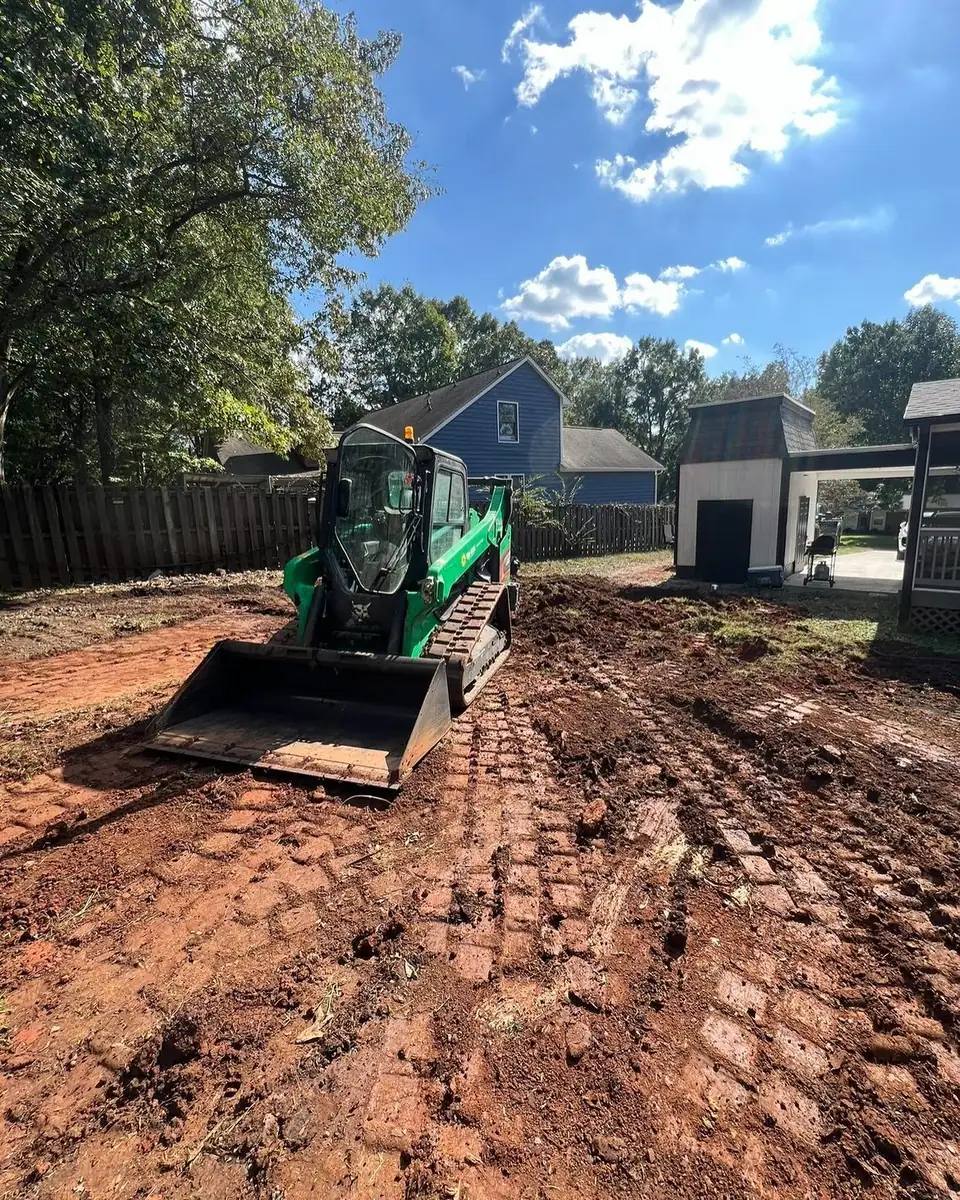
02
Drainage grading
03
Land clearing
04
New-construction grading
05
Foundation prep and compaction
06
Ready-for-sod finish grade
When to call
Signs it’s time.
- Bumpy, uneven lawn
- Water flowing toward the house
- Overgrown lot to clear
- New build needs final grade
Recent work
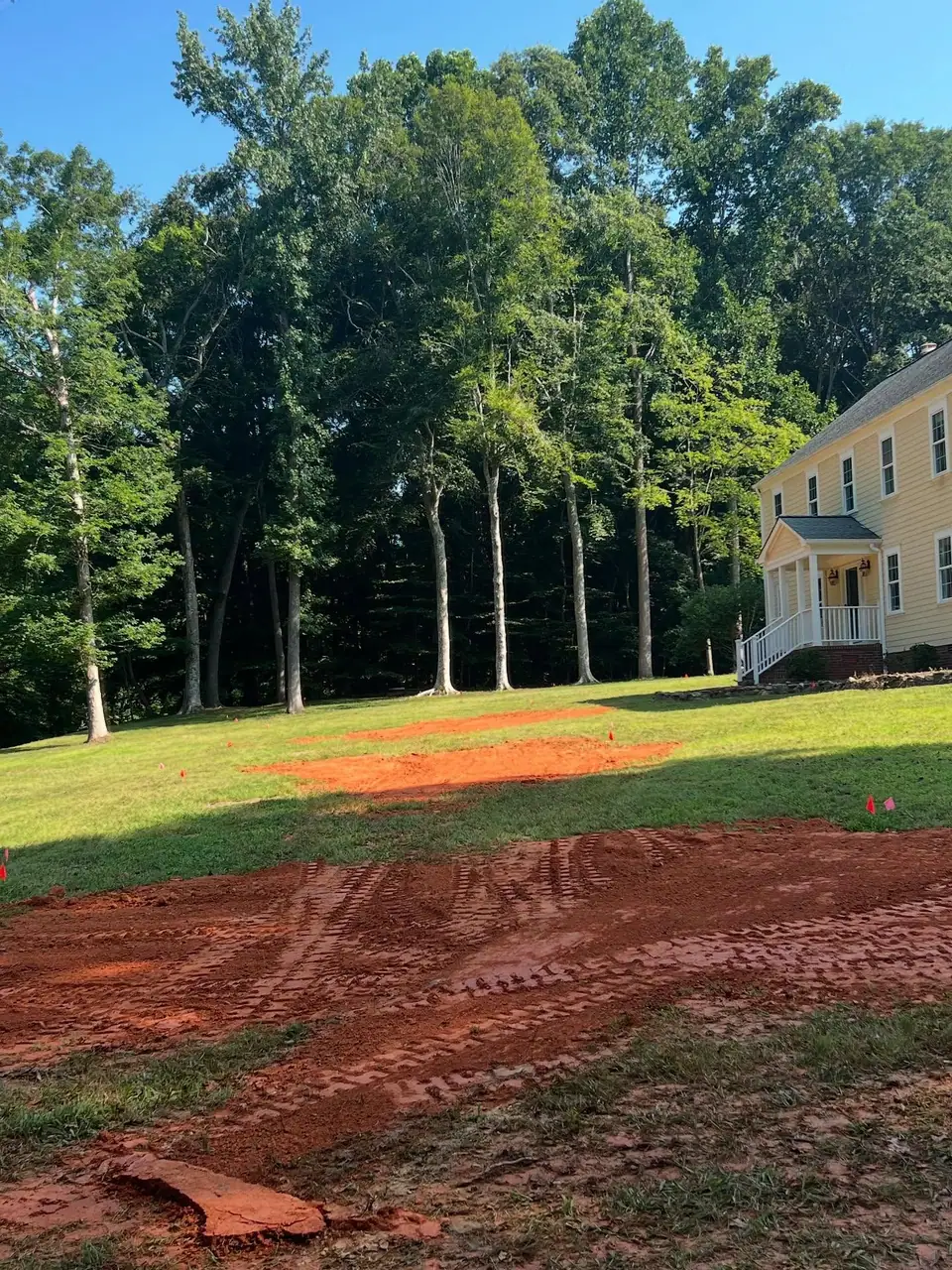
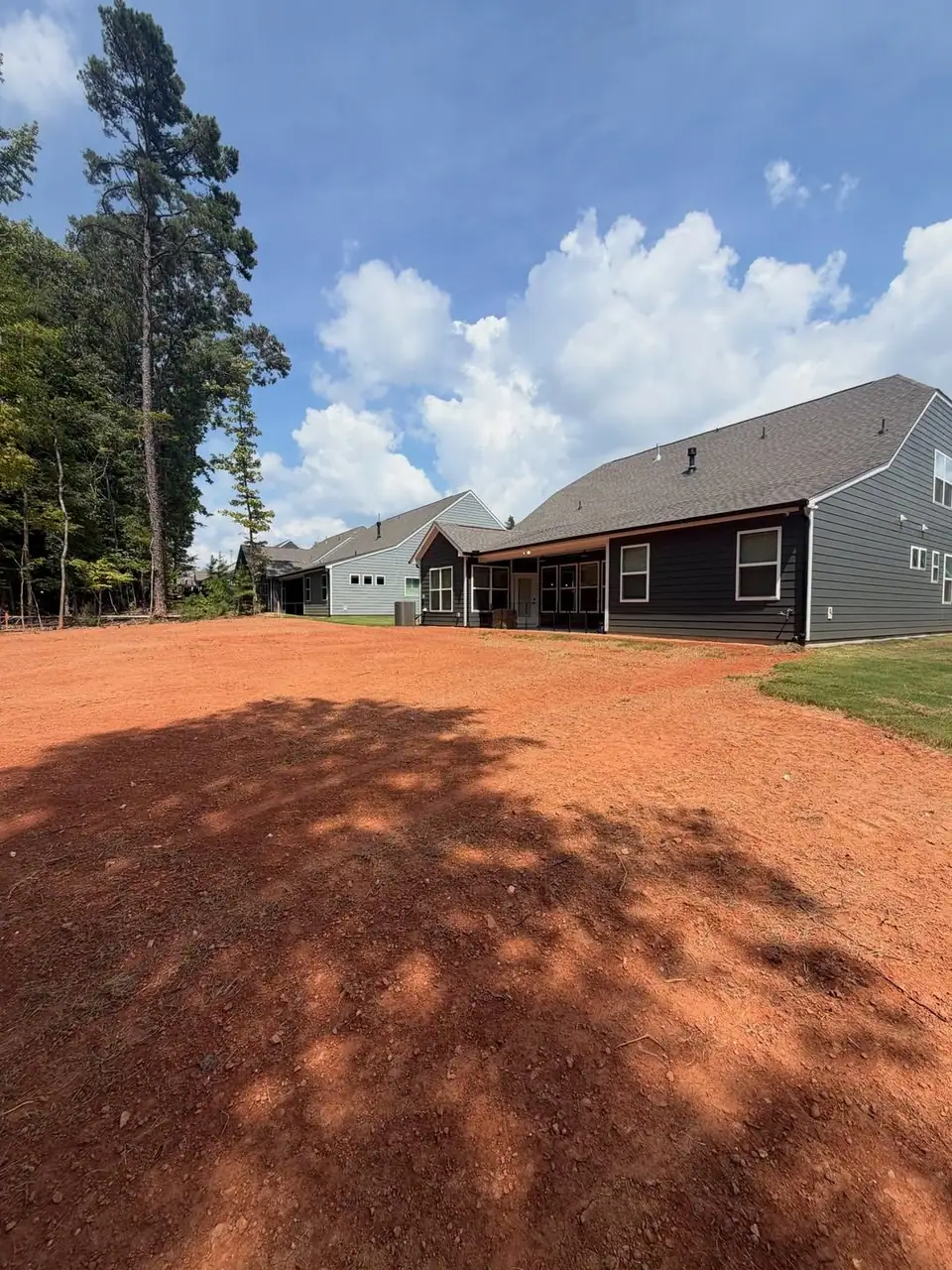
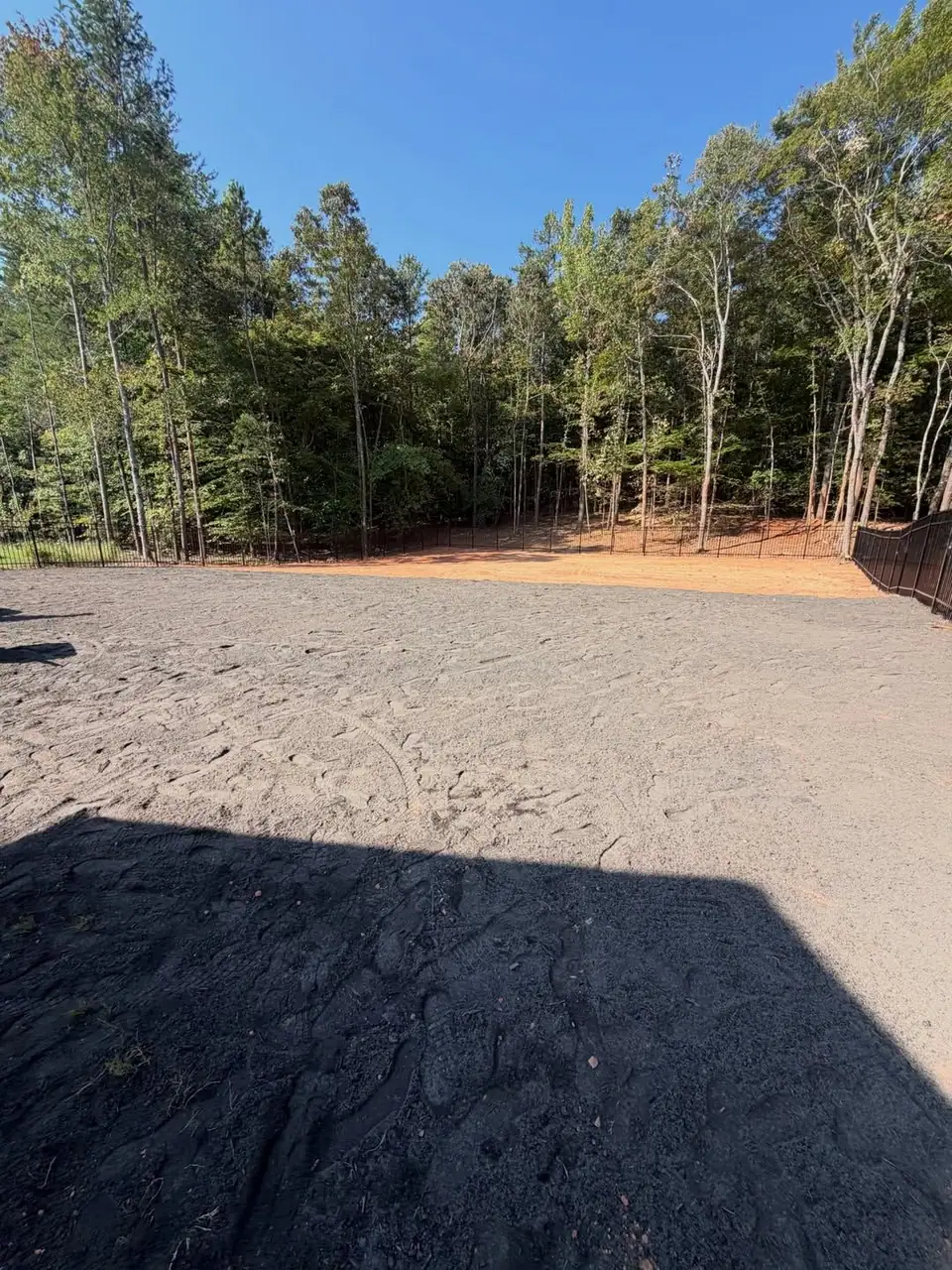
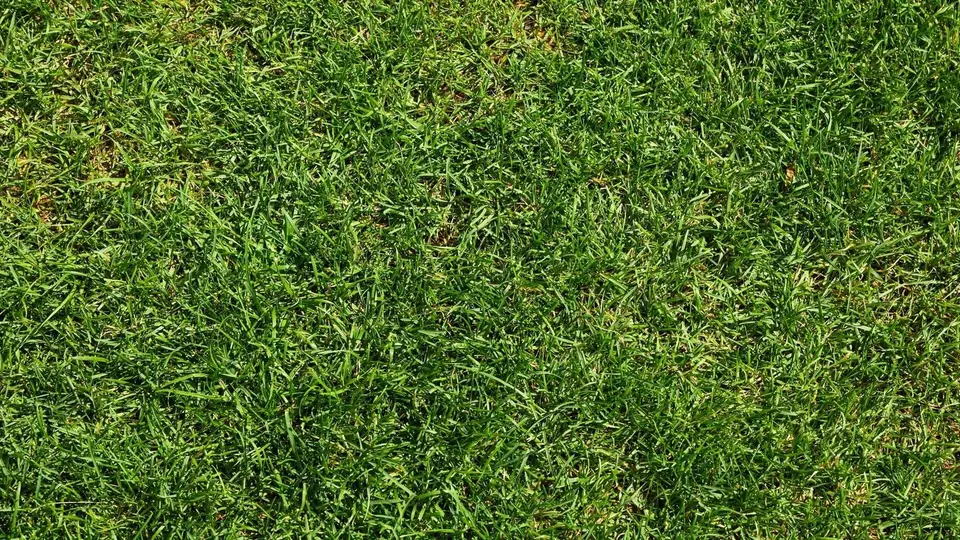
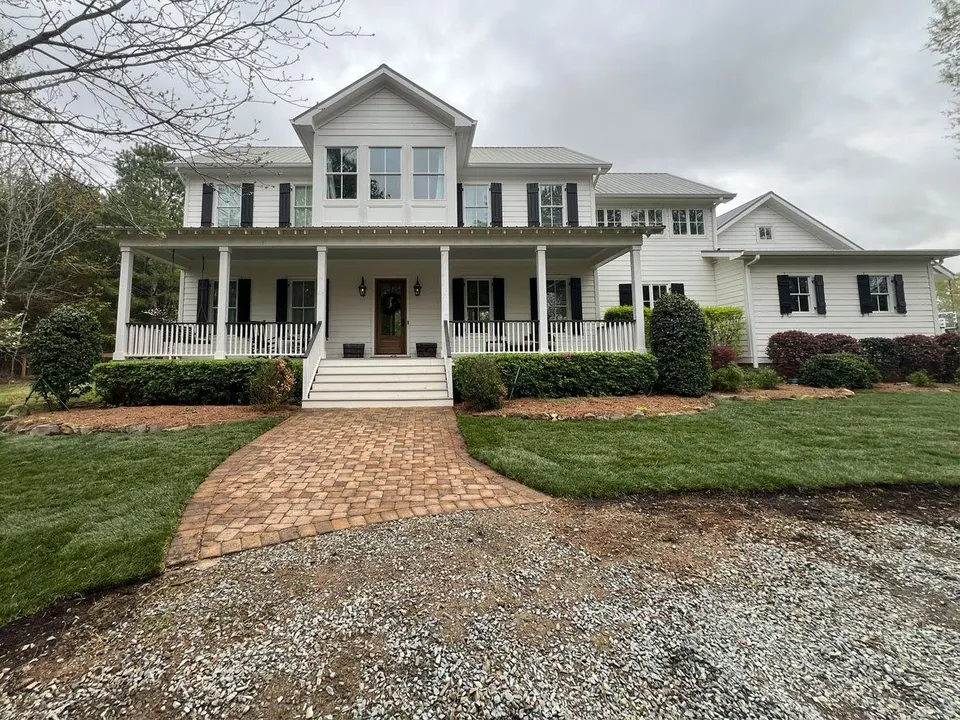
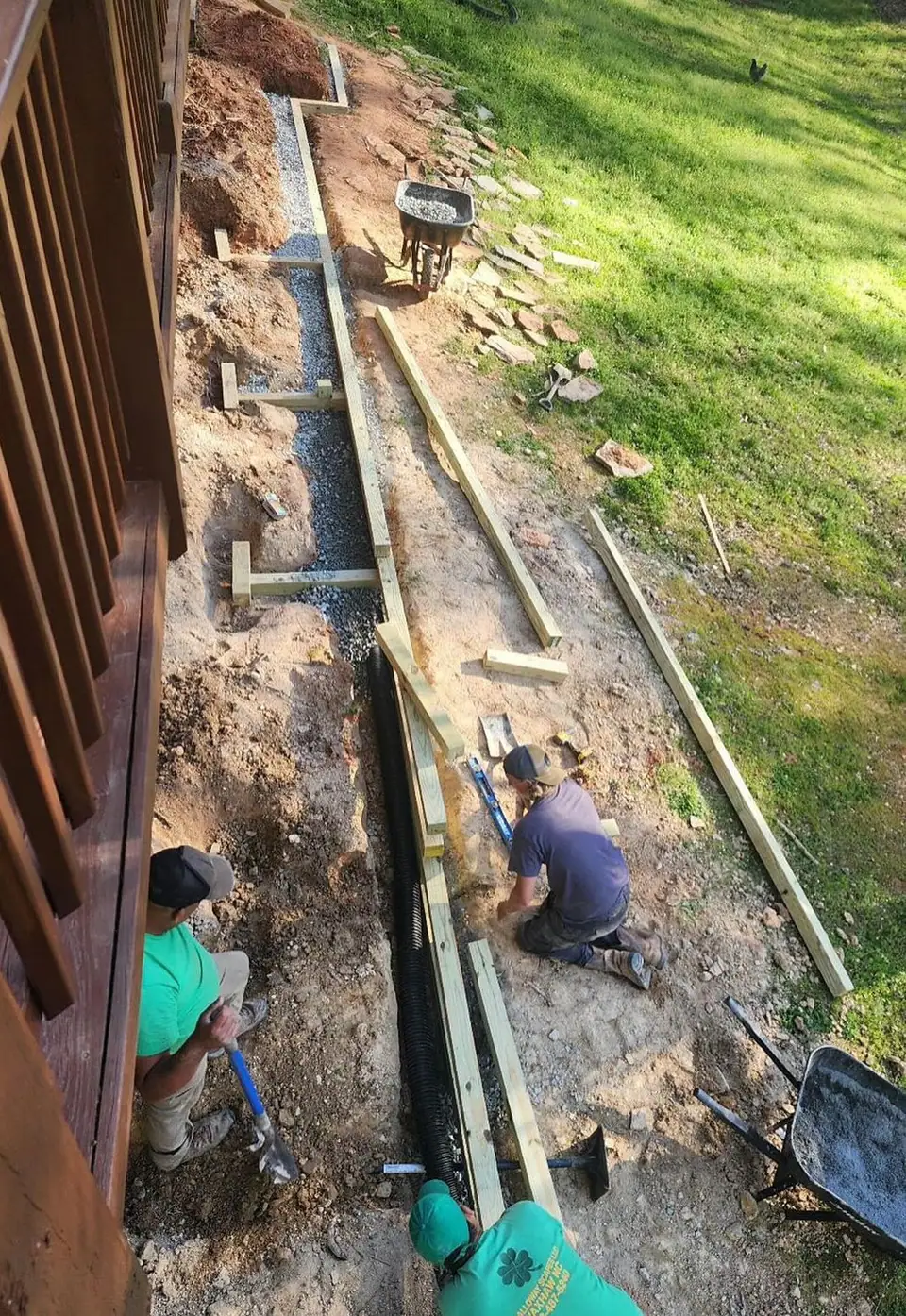
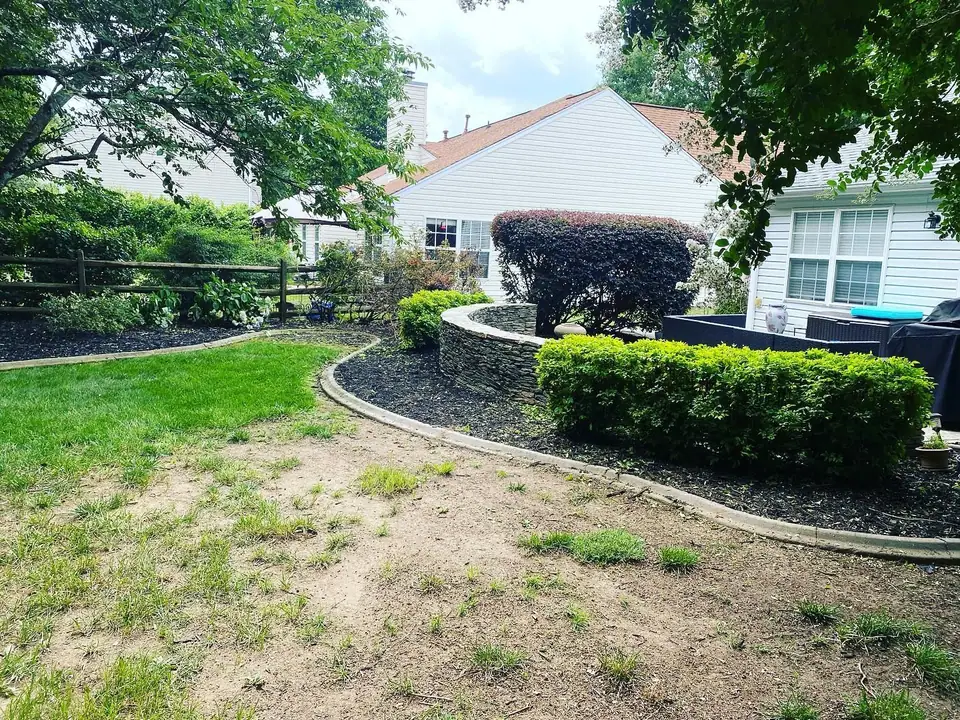
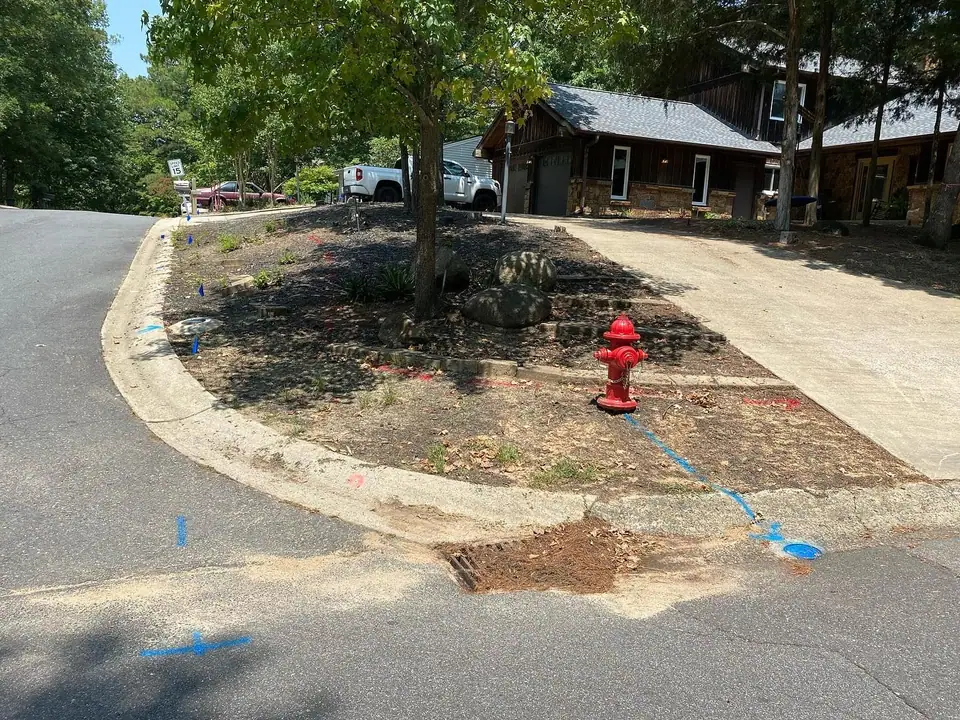
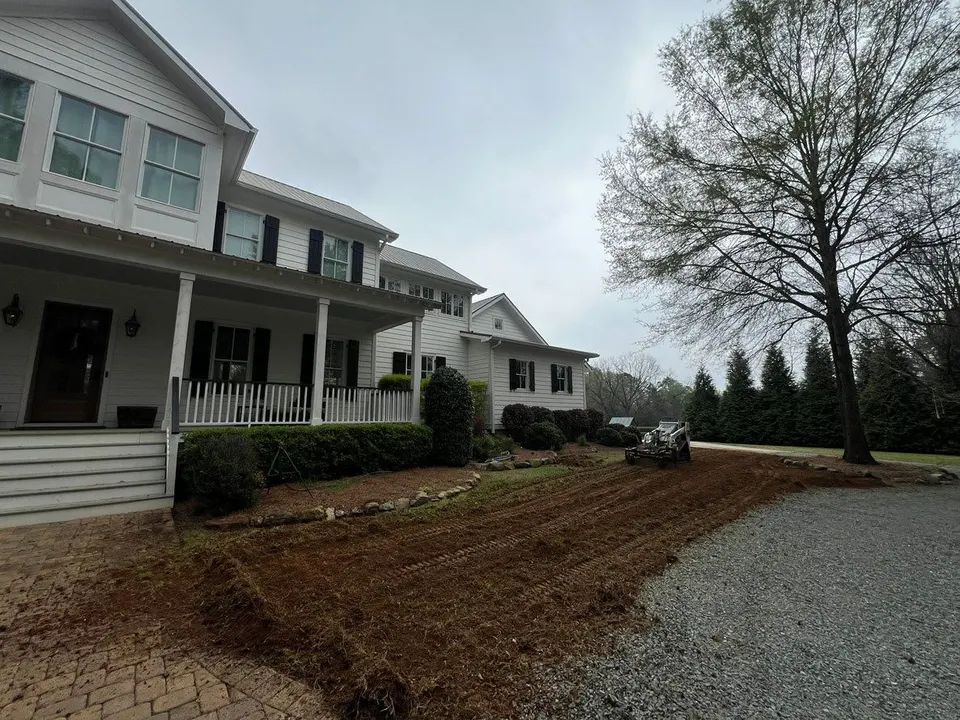
From our crew’s camera.
Services in this category
Everything under grading.
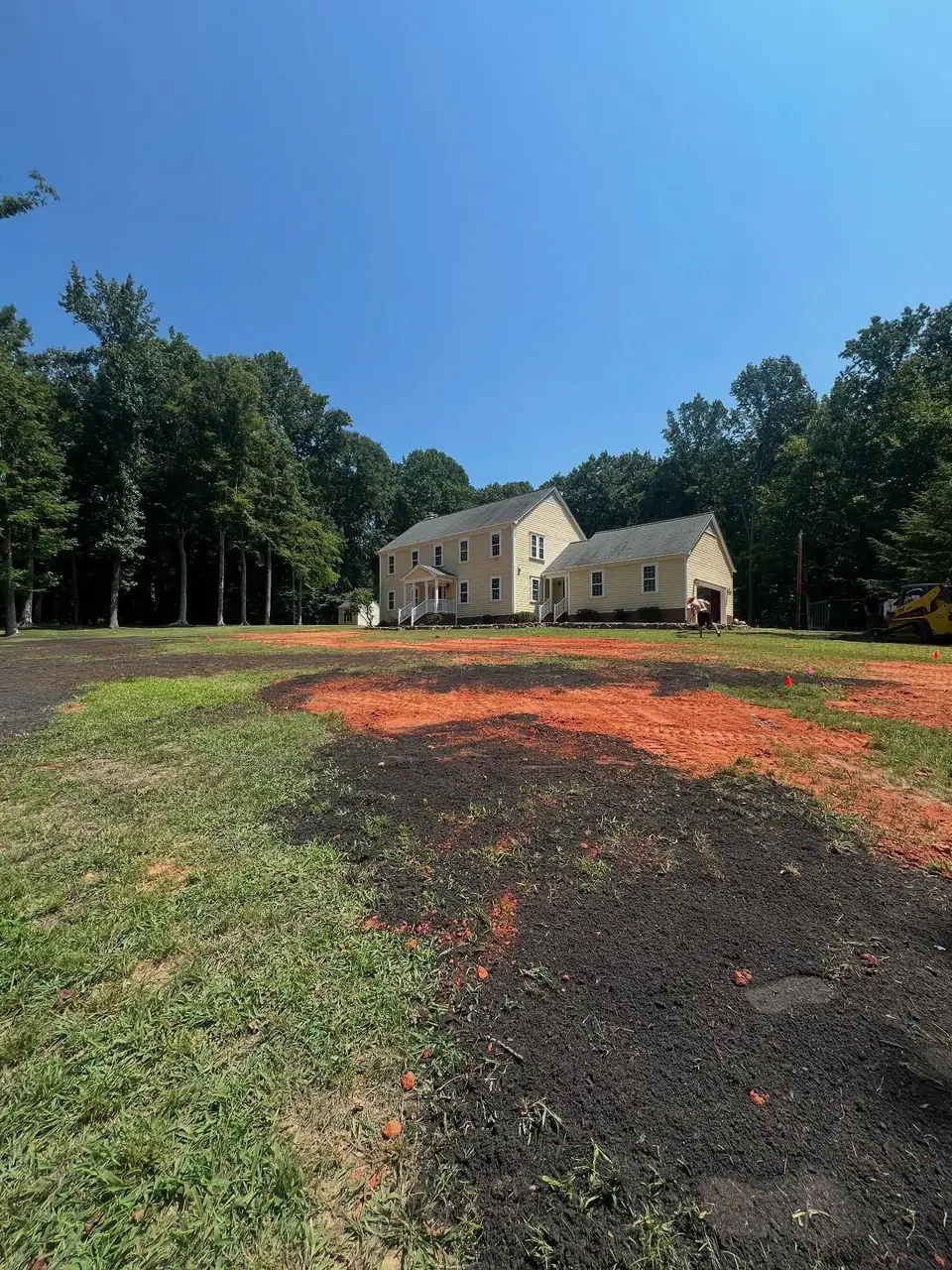
Yard Leveling
Smooth out bumpy, uneven lawns so they mow clean and drain properly.
Learn more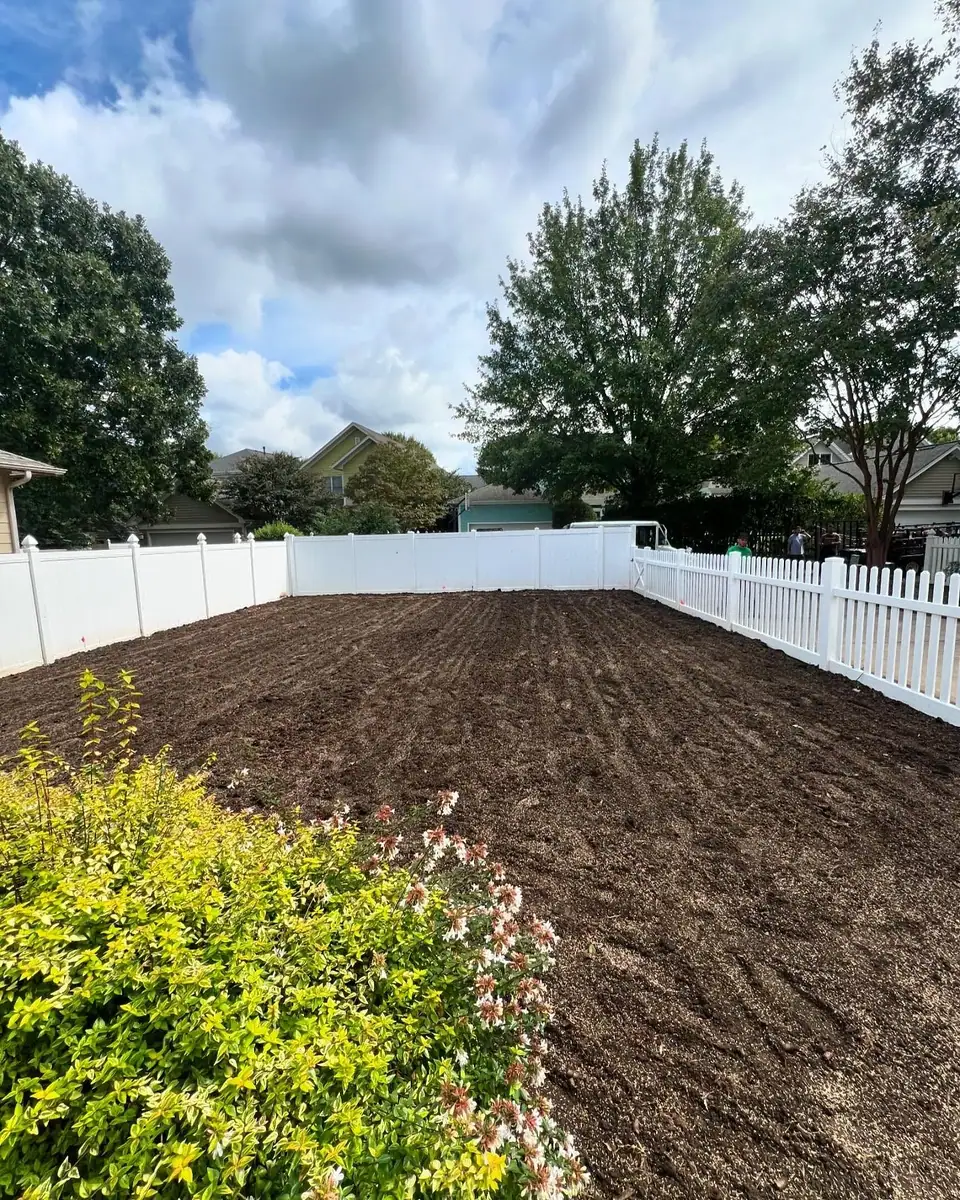
Drainage Grading
Reshape the ground so water flows away from your home and off the property.
Learn more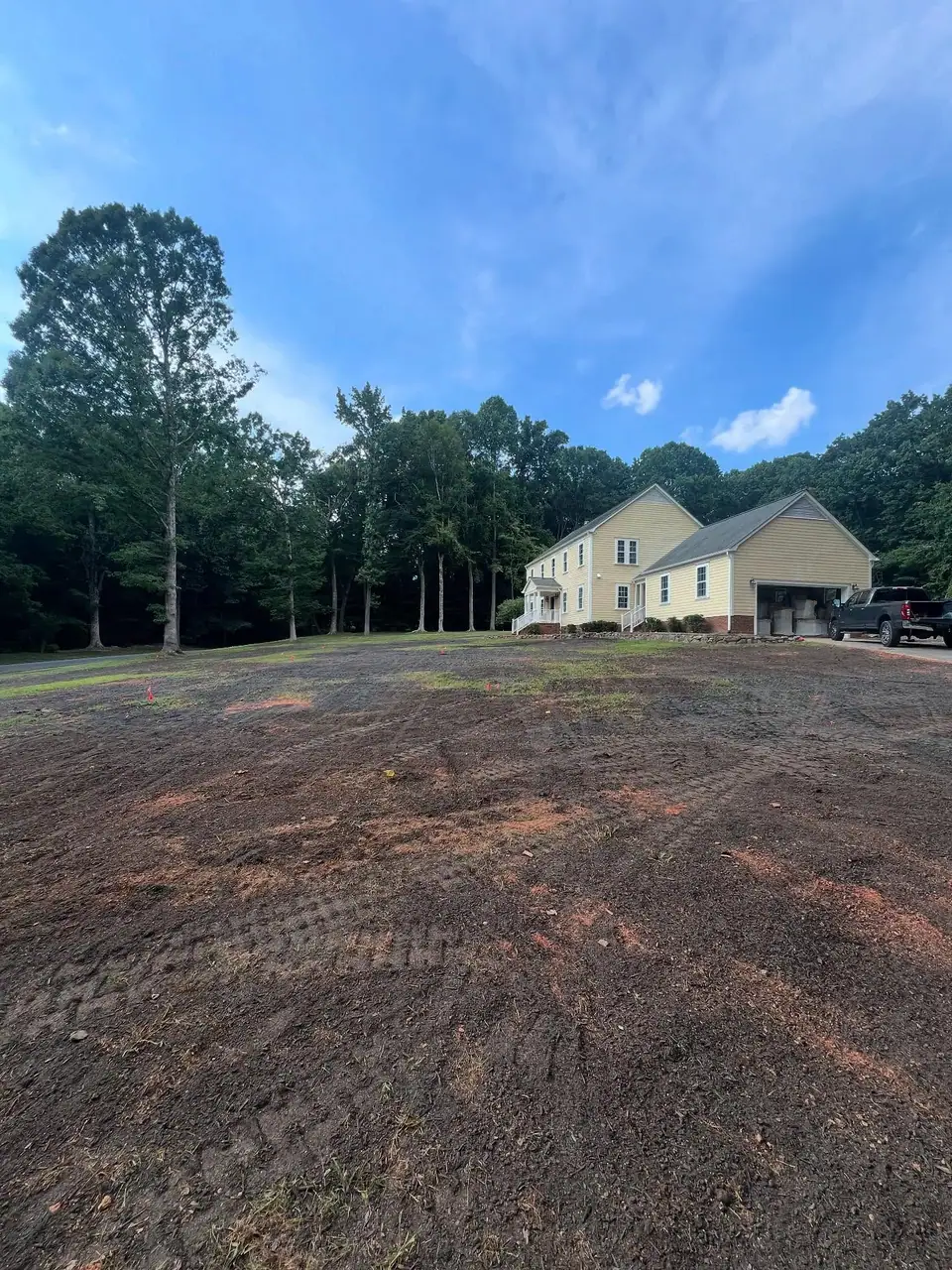
Land Clearing
Clear brush, small trees and debris to open up usable space.
Learn more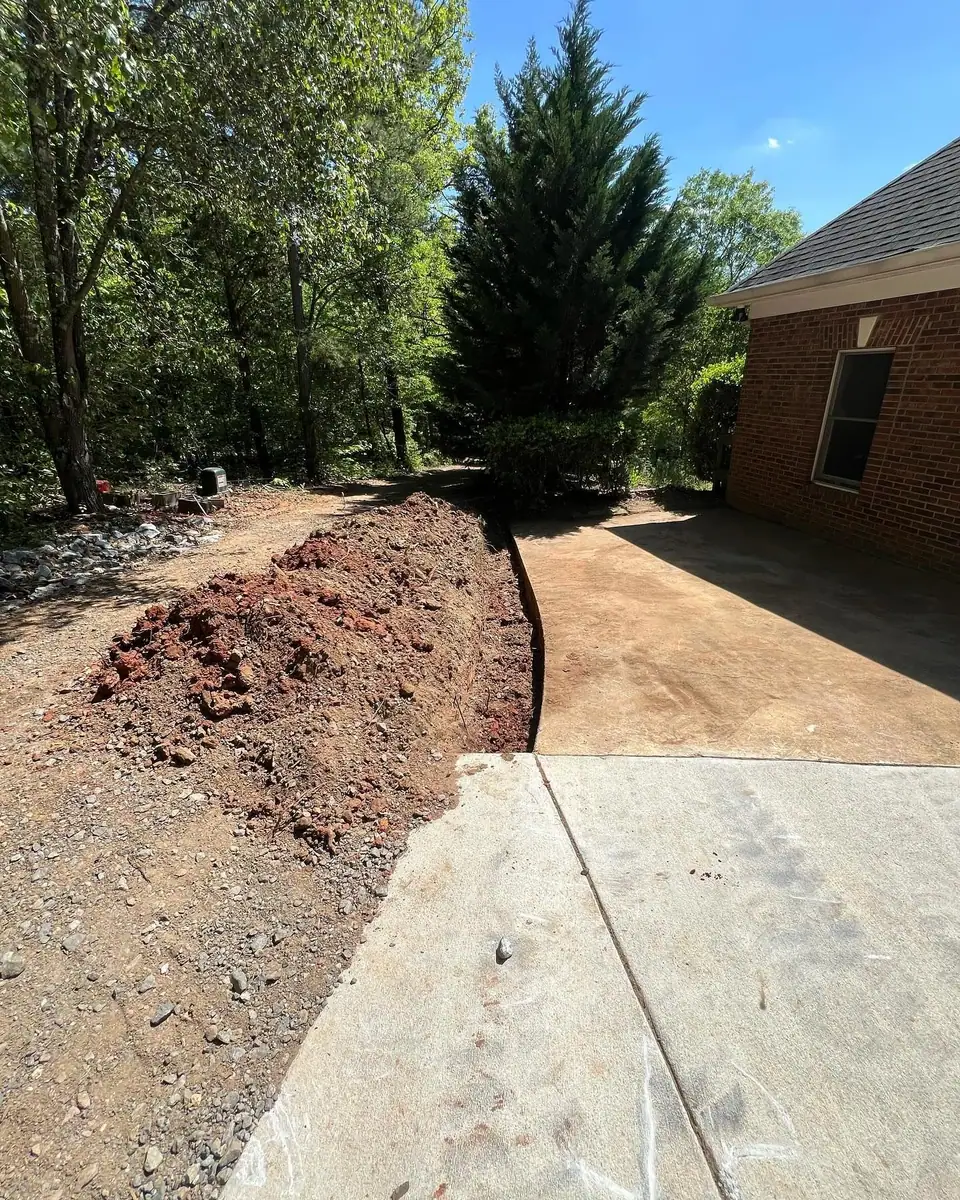
New Construction Grading
Final grade and site prep for new builds so the lawn and foundation start right.
Learn more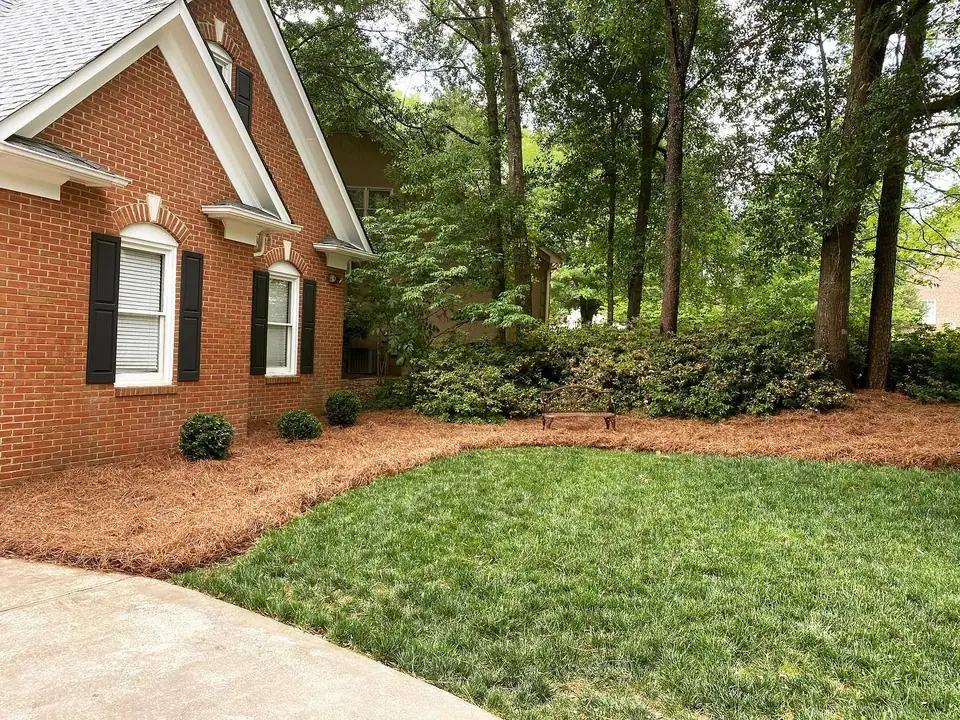
Foundation Prep & Soil Compaction
Compacted, level bases for patios, sheds and slabs that won’t settle.
Learn moreGrading and yard leveling in Waxhaw and the Charlotte region: the complete guide
The short answer
Grading reshapes the ground so water drains away from buildings and the yard is level enough to mow, use and plant. Around Waxhaw it covers yard leveling, drainage grading, land clearing, new-construction final grade and compacted base prep for patios and slabs, and it is the foundation for good drainage, healthy sod and lasting hardscape.
01What does grading actually involve?
Grading means moving soil to create the right shape and slope. Some areas are cut down, others are filled, and the result is compacted and finished so it stays in place. On a residential lot that might mean leveling a bumpy backyard, building positive slope at the foundation, shaping a swale between two houses, clearing overgrowth to reclaim usable space or preparing a smooth, sod-ready finish grade.
Galloway Scapes does this work with its own equipment, including compact track loaders and excavators that fit through residential gates and minimize damage to the rest of the yard. Because the same crew also does drainage, sod and hardscape, the grade is built with the next step in mind.
- Yard leveling: removes humps, ruts and low spots for an even lawn
- Drainage grading: positive slope at the foundation and swales for runoff
- Land clearing: brush, small trees and debris removed, then rough grade
- New-construction grading: final grade and sod-ready finish
- Foundation prep: excavation and compacted base for slabs and patios
02Why is grading so important on red clay lots?
Clay absorbs water slowly, so slope does most of the drainage work. If the ground is flat or dished, water sits. If it slopes toward the house, water ends up at the foundation. On many lots around Waxhaw, Indian Trail and Fort Mill, backfill around the foundation has settled since construction and reversed the slope, or the builder's final grade was rushed.
Clay also compacts. Heavy equipment during construction leaves a dense layer that roots and water can't penetrate. Proper grading loosens what needs loosening, compacts what needs compacting, and leaves a surface that drains, grows grass and supports patios without settling.
03How much slope should a yard have?
Common building guidance calls for the ground to fall at least six inches within the first ten feet from a foundation. Past that zone, lawns generally need a gentle, continuous slope with no dips where water can collect, and swales are shaped wide and shallow so they can be mowed. Too steep and you trade standing water for erosion and scalped turf.
We set grades with measurement, not guesswork, using laser or string-line checks so the finished surface drains where it is supposed to.
04What happens during land clearing?
Land clearing reclaims space the woods or overgrowth took back: brush, vines, saplings and small trees are removed, debris is hauled off, and the area is rough graded so it can become lawn, a garden, a play area or a building site. On wooded lots we flag trees to keep and protect their root zones.
Larger disturbances can trigger erosion and sediment control requirements, and every job that involves digging starts with an 811 utility-locate call. We will point out on the walkthrough if your project is large enough to need extra erosion measures or approvals.
05Why does base preparation matter for patios and slabs?
Whatever sits on the ground is only as stable as what is under it. Patios, walkways, shed pads and slabs need excavation to firm subgrade, then base material placed and compacted in lifts, which are thin layers compacted one at a time, and a level check before the surface goes on. Skipping this step is the main reason patios sink, crack or tilt within a few years.
06What does the finished yard look like?
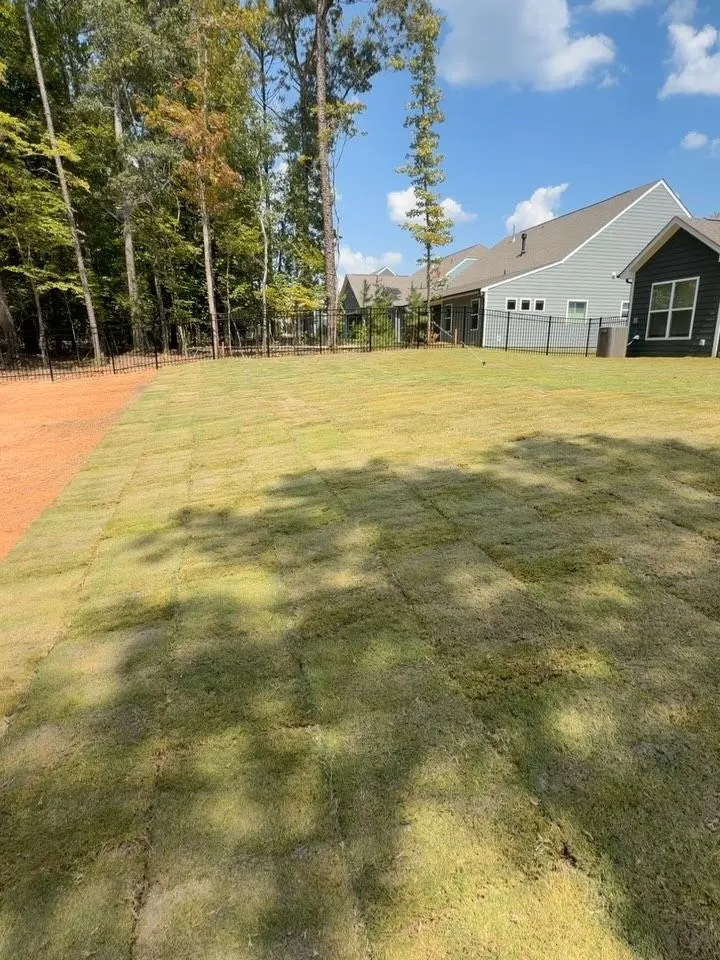
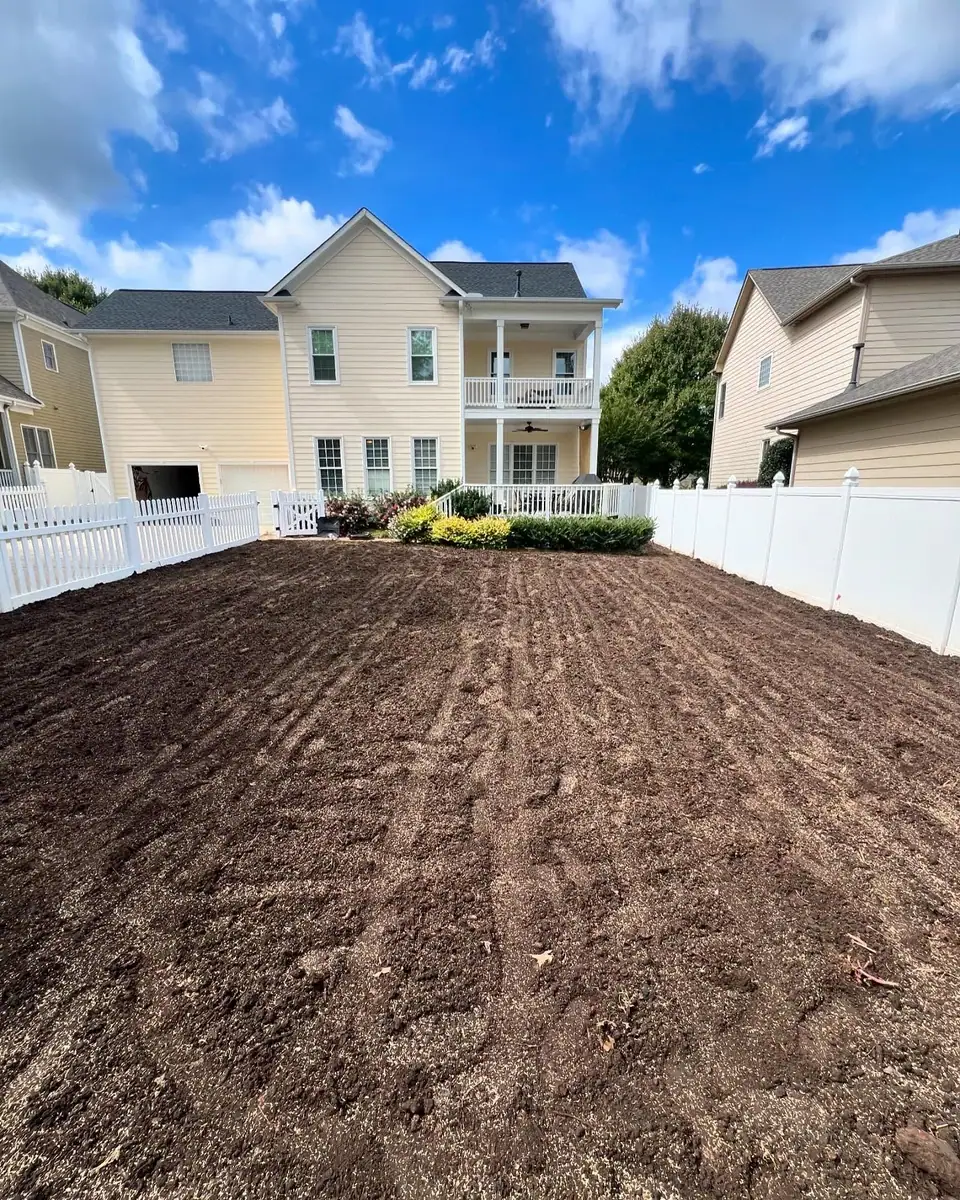
A grading job isn't done when the machine leaves. The finish grade is raked smooth, debris and rocks are removed, and the area is ready for seed or sod, or for the patio or planting that comes next. Many grading jobs flow straight into sod installation, which gives you an even, finished lawn instead of bare dirt.
How it works
Four steps. No surprises.
From the first call to the final cleanup, you deal with the same owner-run crew.
Call or send the form
Tell us what’s bothering you about the yard. We get back to you within 24 hours.
Walk the property
We look at slope, soil, drainage paths, turf type and how you actually use the space. No guessing from a photo.
A written estimate
You get a plain-language scope and price. No surprise add-ons after the crew shows up.
Owner-led work and cleanup
Terry is on the job. Beds edged, debris hauled off and the driveway blown clean before we leave.
FAQ
Grading: questions, answered.
How much does yard grading cost?
Grading costs depend on the size of the area, how much soil needs to be cut or brought in as fill, access for equipment through gates and around structures, whether drainage features such as swales or pipe are needed, and what finish you want, such as seed, sod or a base for a patio. Leveling a small backyard is a very different project from regrading around an entire house or clearing and grading an overgrown acre. Galloway Scapes gives free written estimates after walking the property and checking the existing grade, so you see the planned work, the finish and the restoration included before you decide. Pairing grading with sod in one project is often the most efficient path to a finished lawn.
How do I know if my yard needs regrading?
Common signs include water that flows toward the house during storms, puddles that linger in the lawn or next to the foundation, a damp crawlspace, soil or mulch washing out of beds, bumps and ruts that make mowing rough, and areas where grass won't grow because water sits or soil is compacted. Settled backfill around the foundation is especially common on homes built in the last ten to twenty years around Waxhaw, Indian Trail, Fort Mill and Indian Land. The simplest test is watching where water goes in a heavy rain. On a walkthrough, Galloway Scapes checks the slope at the foundation and across the yard and tells you whether grading, drainage pipe or both are needed.
Can you grade a yard without destroying the whole lawn?
We keep disturbance to the areas that need work. Compact track equipment spreads weight and fits through residential gates, and we plan access routes to protect the rest of the lawn, beds and hardscape. That said, any area that is regraded will be bare soil when the machine work is finished, so restoration is part of the plan. Disturbed areas are raked smooth and finished with seed or sod, and many homeowners choose sod so the yard looks complete right away. If only part of the yard needs leveling, such as a low spot or a rutted strip, the work can be limited to that area and blended into the existing turf.
Do I need a permit for grading or land clearing?
Small residential grading jobs, such as leveling a backyard or correcting the slope around a foundation, usually don't require a building permit, but requirements vary by town and county. Larger land-disturbing projects, especially those that disturb an acre or more, can trigger erosion and sediment control plans under state and local rules, and work near streams, wetlands, easements or stormwater structures may need approval. HOAs in many neighborhoods also want to review grading and tree removal. Every Galloway Scapes job that involves digging starts with an 811 utility-locate request. On the walkthrough we flag anything that may need approvals so you can address it before the work is scheduled.
What is the difference between rough grading and finish grading?
Rough grading sets the overall shape of the ground. It moves the bulk of the soil to establish slopes, swales and elevations, and is common after land clearing or construction. Finish grading is the final, precise layer. The surface is refined to exact slope, rocks and debris are removed, soft spots are corrected, and the soil is raked smooth so it is ready for seed or sod, or compacted for a patio base. Skipping a careful finish grade is why some new lawns look lumpy or hold water in shallow dips. Galloway Scapes does both, so the final surface is built for whatever comes next, and the same crew can install the sod.
We had several landscaping projects completed at our property, including new sod installation, mulching, and drainage work, and I couldn’t be happier with how everything turned out. The sod installation completely transformed the appearance of our yard.
We contacted Galloway Scapes for lawn leveling and are very pleased with their service. Terry and his crew are incredible and did a great job on our lawn! They arrived on schedule and did a thorough job.
Terry and his crew are the best! He is attentive, professional, and knowledgeable. I have a fast growing weed in my lawn and he works diligently on keeping it under control.
Reliable, efficient, and professional, with great attention to detail. Everything looked clean, green, and well cared for.
Very good, consistent service. They are responsive when asked about things and address concerns as they arise.
Reliable, punctual, creative, clean, and professional throughout the process. I really appreciated how easy they made everything.
Knowledgeable and skilled approach to lawn maintenance and yard landscaping, with meticulous attention to detail. Fair pricing combined with outstanding results.
Free estimate
Tell us about your grading project.
A few quick details. We reply within 24 hours, usually sooner, and we walk the property before we price anything.
(803) 487-5240Mon–Sat, 7 AM–7 PM · call or text
- Free, written estimates with no obligation
- Owner Terry Galloway on every project
- Licensed, bonded & insured · NC & SC Pesticide License