
01
Grading
Foundation Prep & Soil Compaction
What’s under a slab or patio decides how long it lasts.
★★★★★ 4.9 on Google · 16 reviewsLicensed, bonded & insuredOwner on every jobFree written estimates
Our approach
Talk it through with Terry →
How we approach foundation prep & soil compaction.
We excavate to firm soil, add and compact base in lifts, and check level so patios, shed pads and slabs don’t settle or crack.
What’s included
Every foundation prep & soil compaction job covers this.
Written into your estimate, so you know exactly what the crew will do before anyone shows up.
Get a Grading Estimate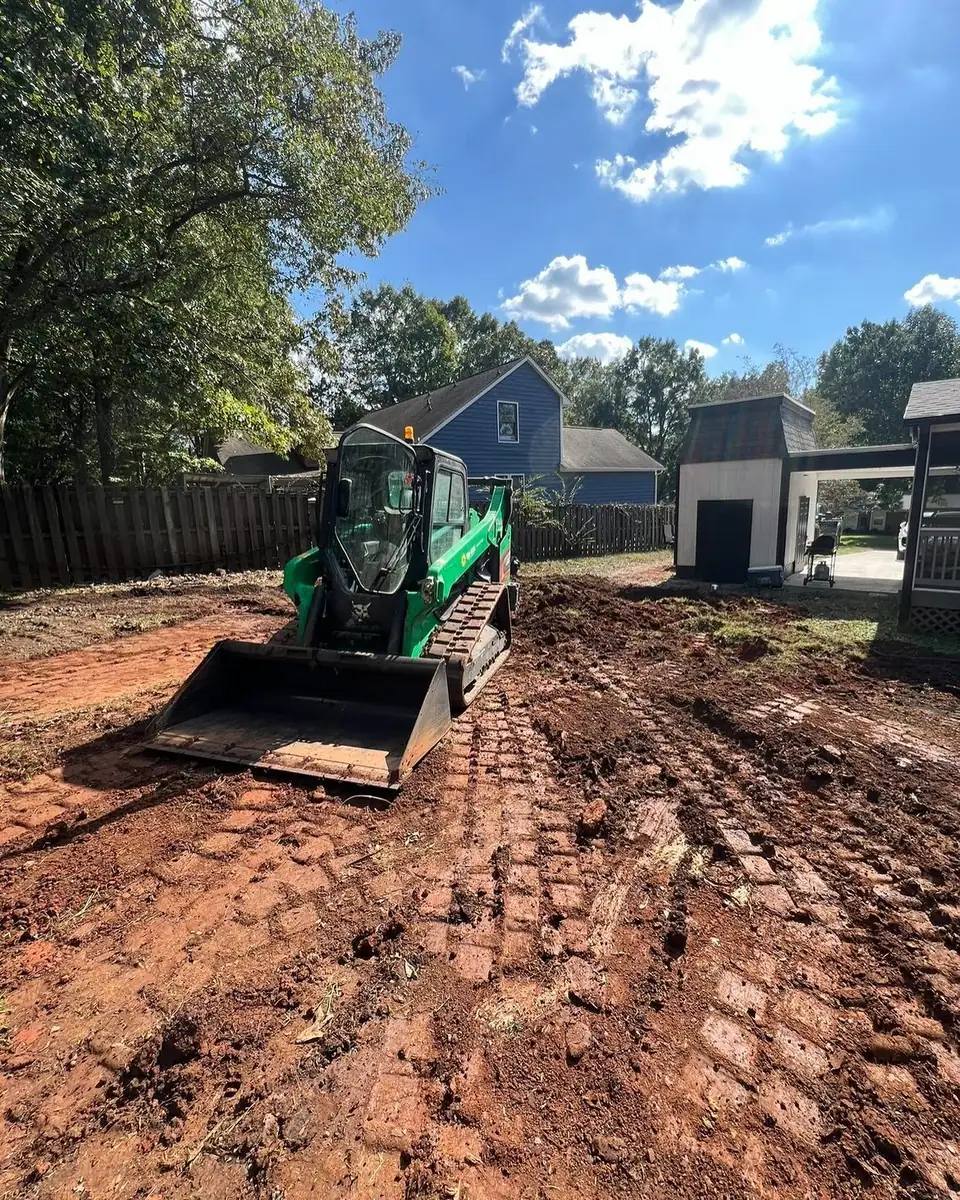
02
Base in compacted lifts
03
Level check
When to call
Signs it’s time.
- Planning a shed or patio
- Previous slab settled
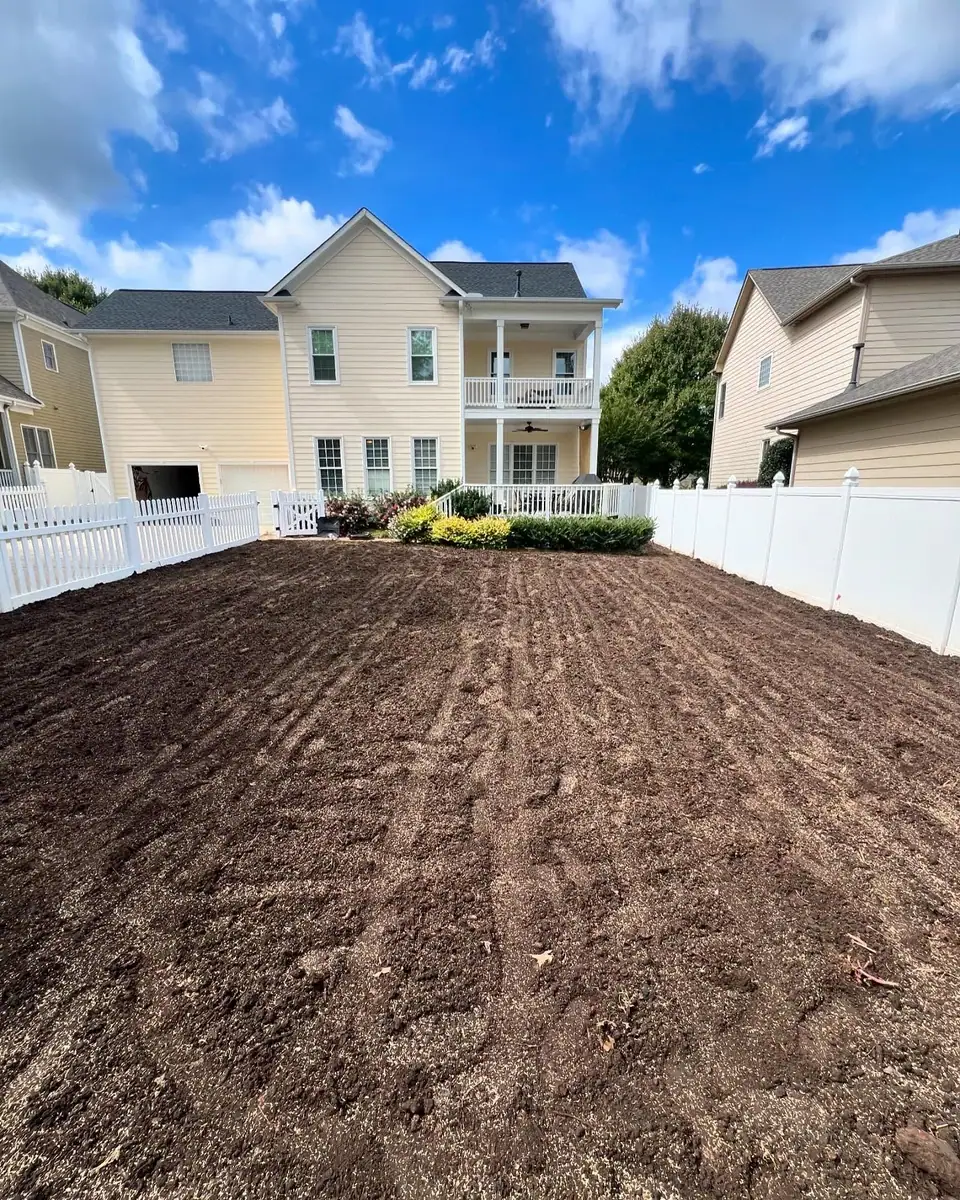
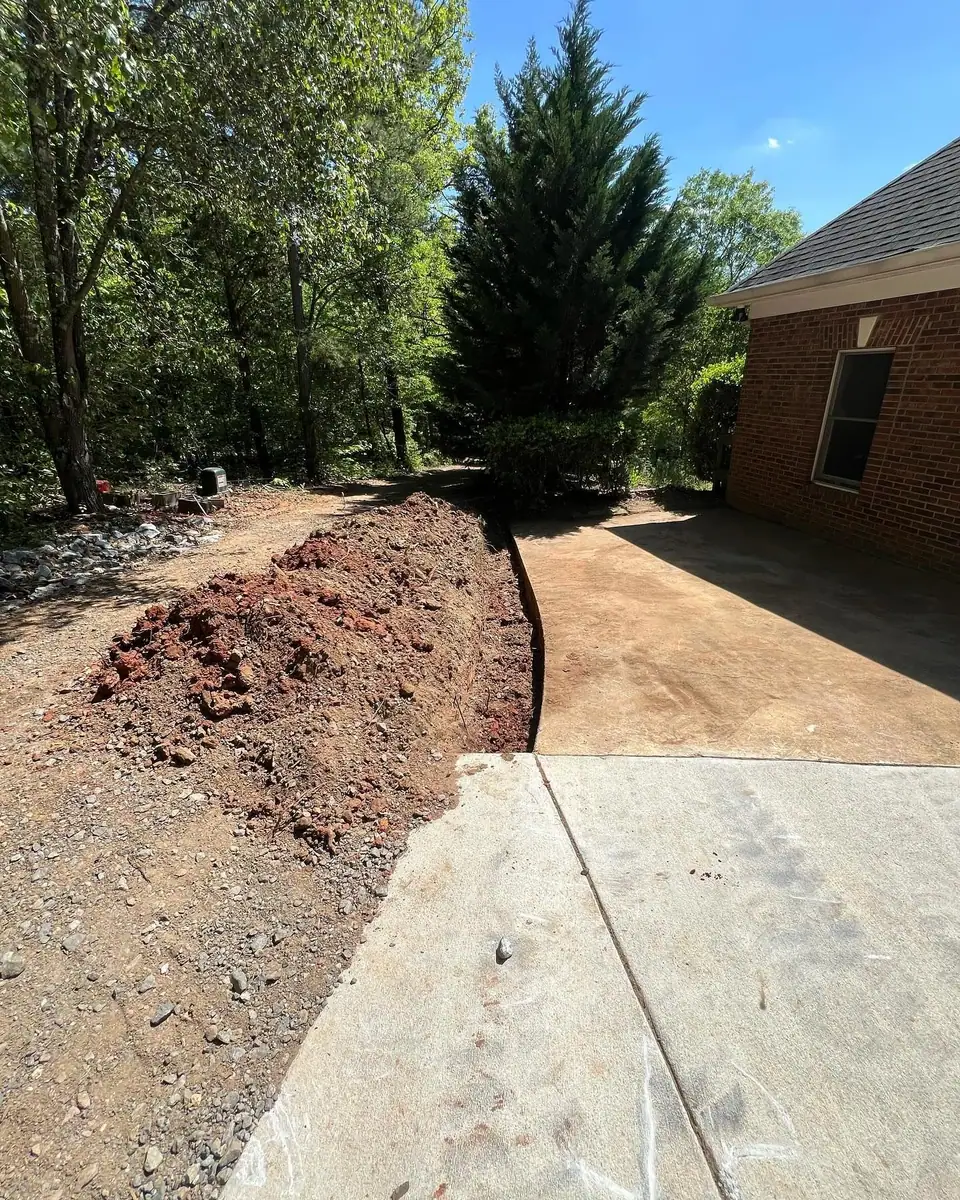
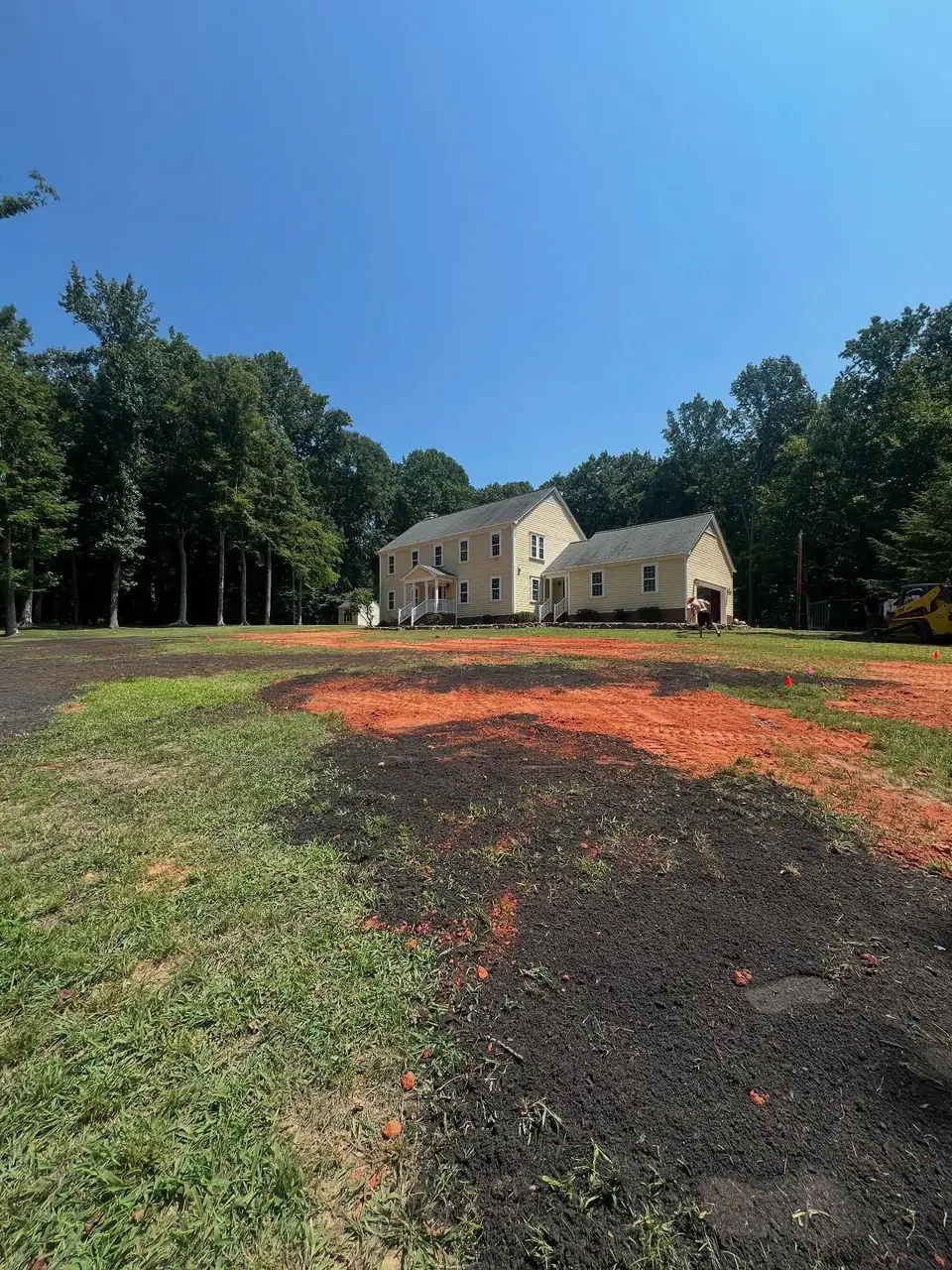
Recent work
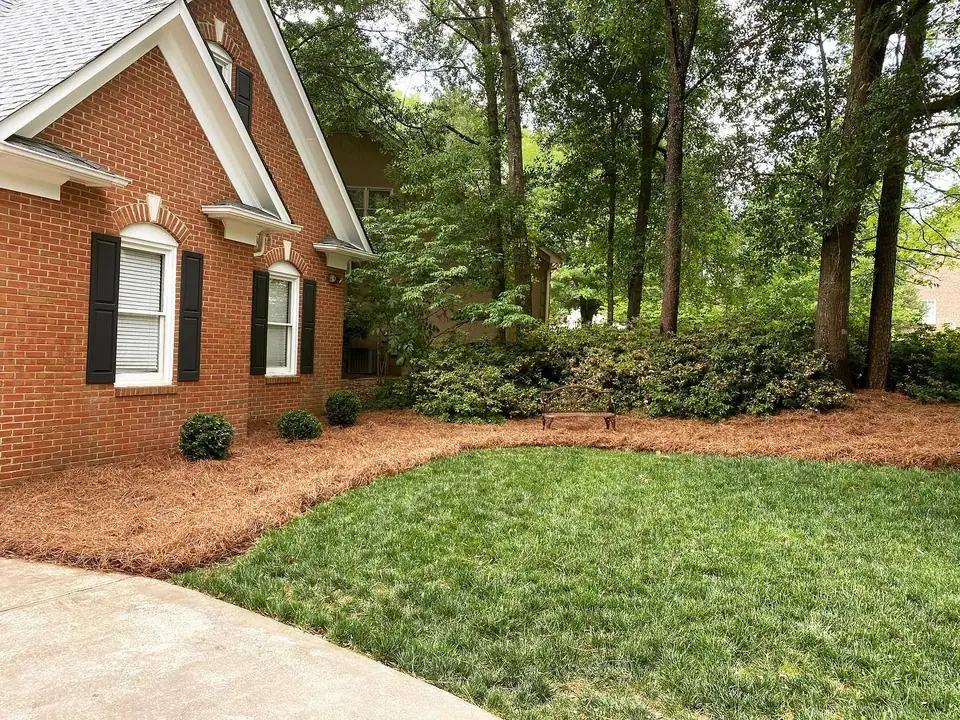
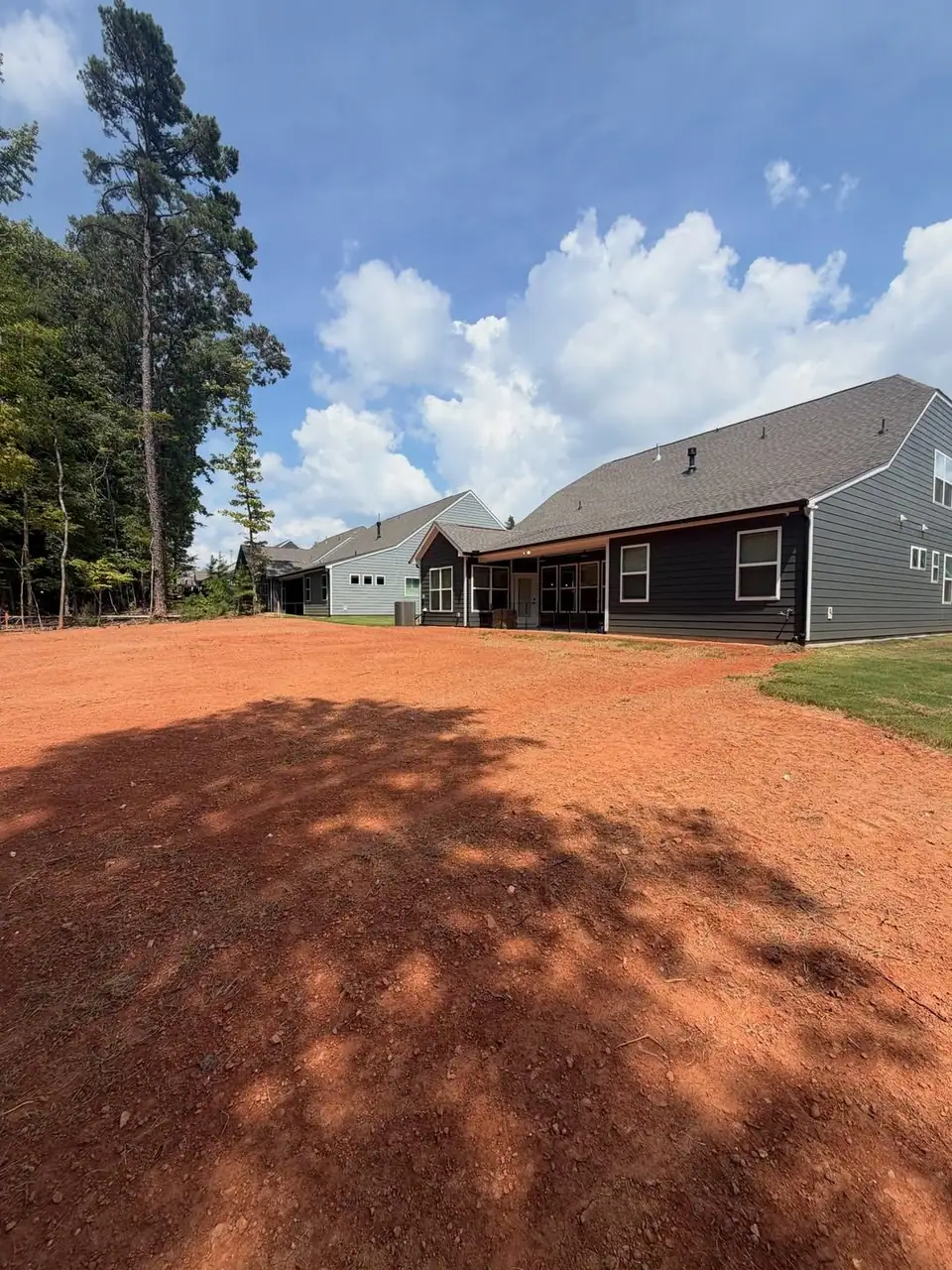
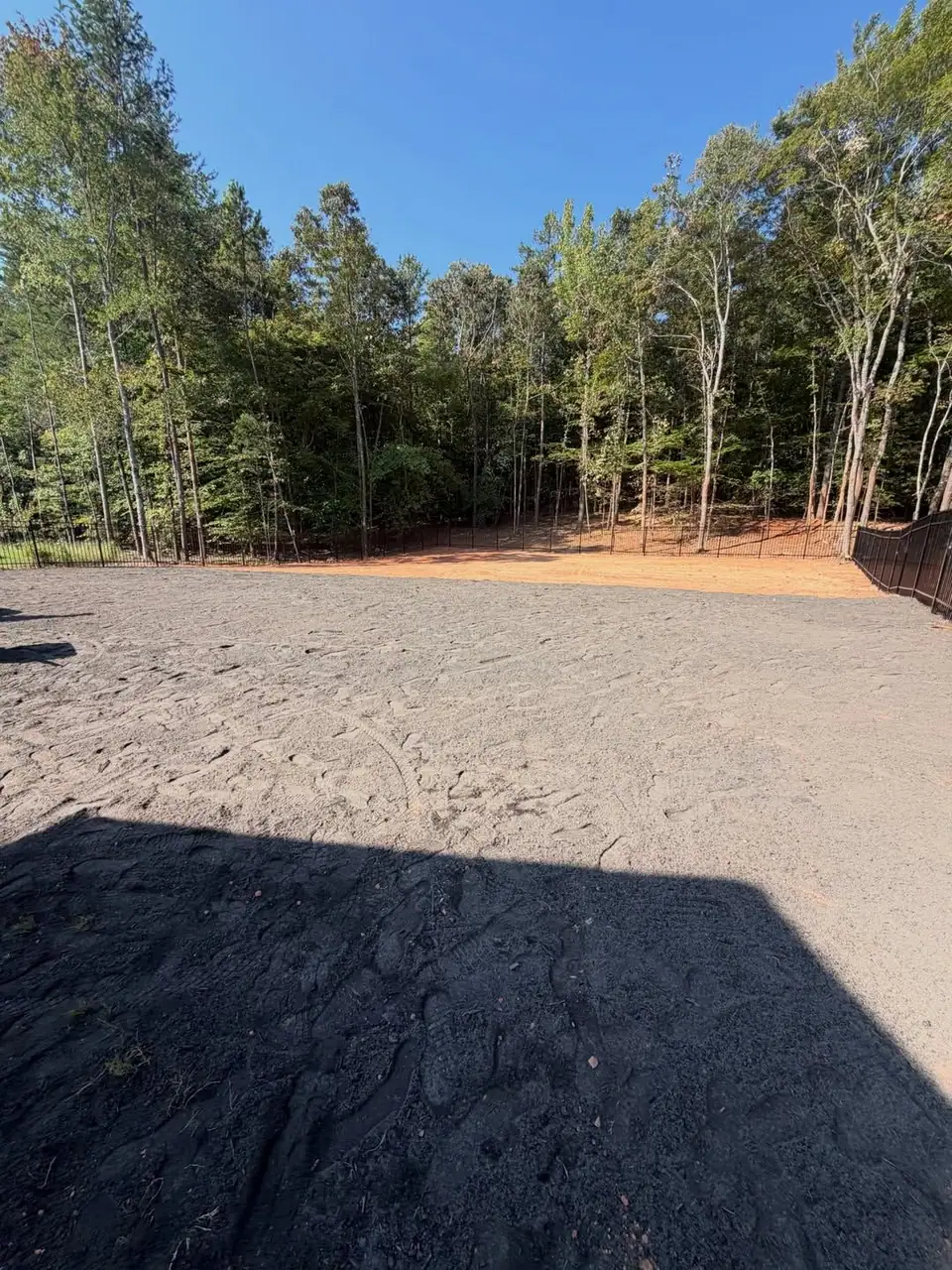
From our crew’s camera.
Related services
More grading services.

Yard Leveling
Smooth out bumpy, uneven lawns so they mow clean and drain properly.
Learn more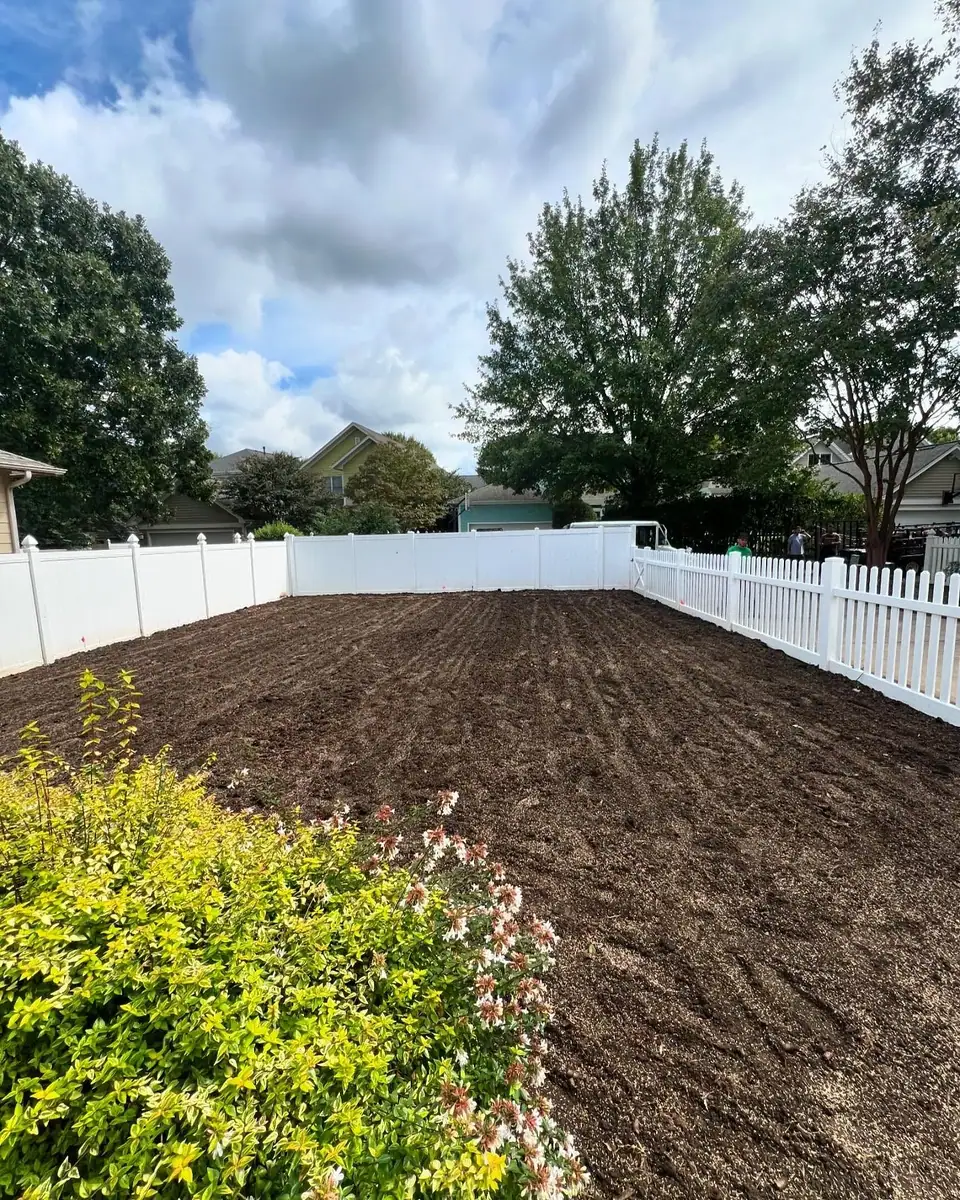
Drainage Grading
Reshape the ground so water flows away from your home and off the property.
Learn more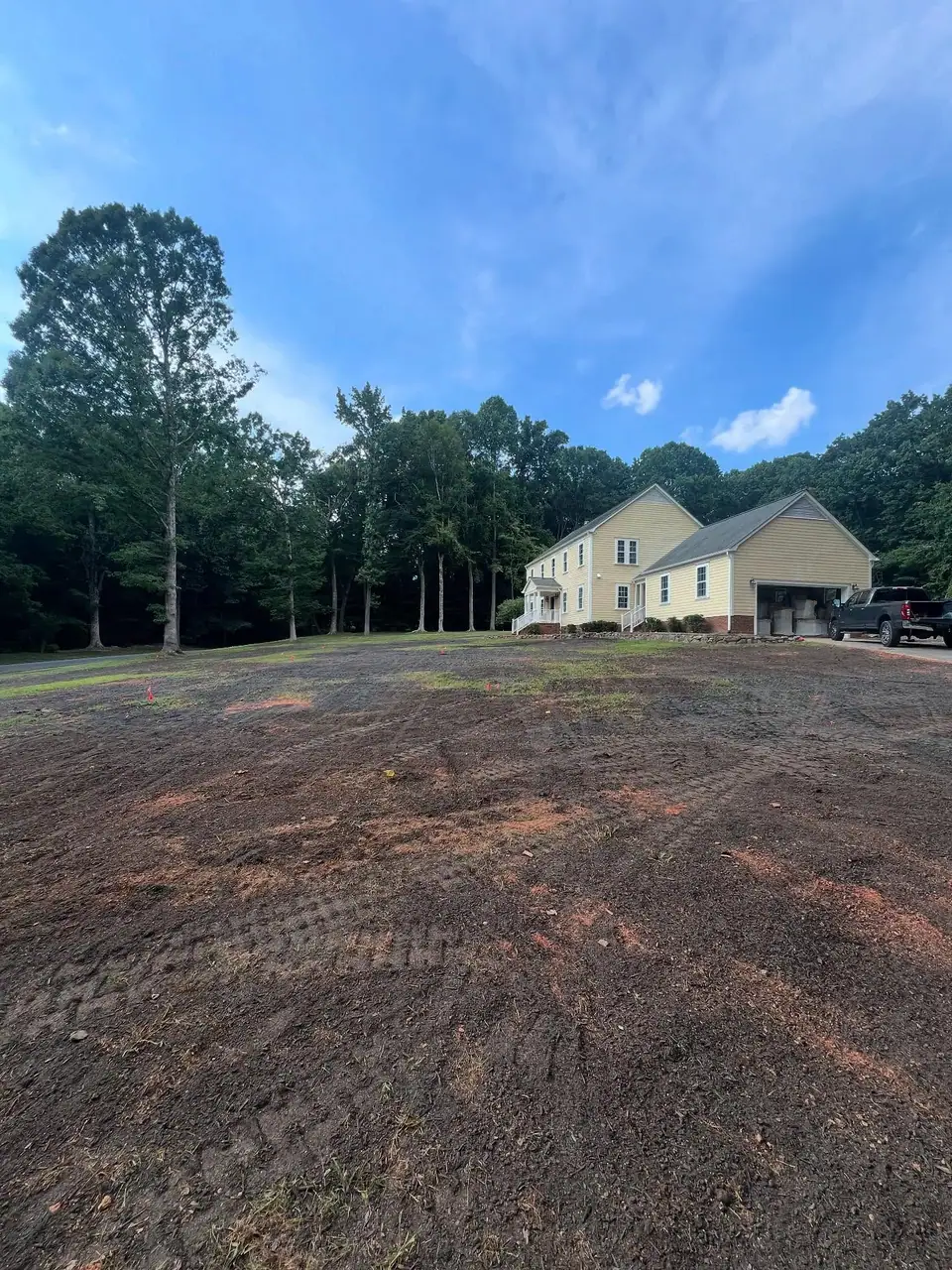
Land Clearing
Clear brush, small trees and debris to open up usable space.
Learn more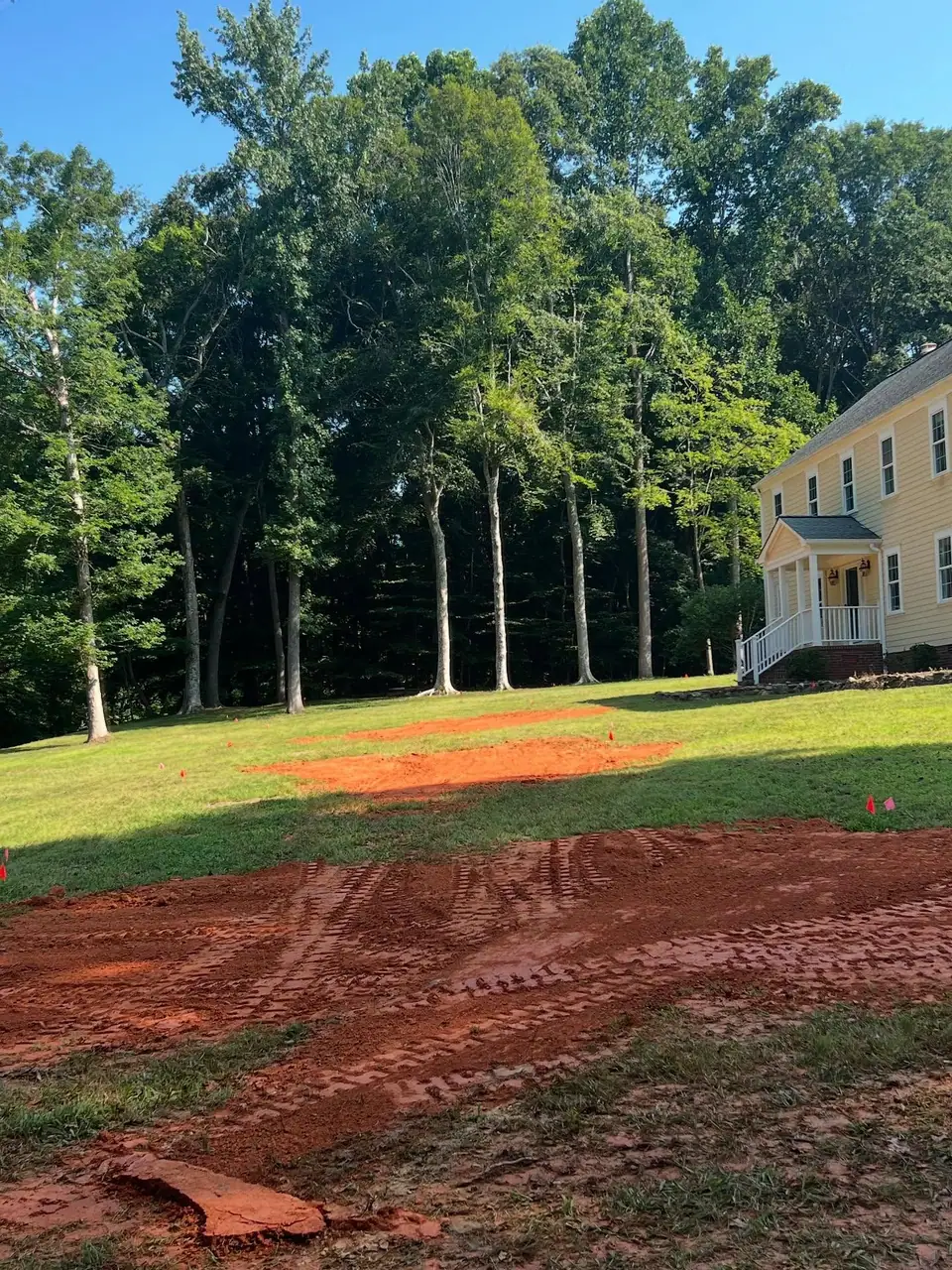
New Construction Grading
Final grade and site prep for new builds so the lawn and foundation start right.
Learn moreFoundation prep and soil compaction in Waxhaw, NC: a stable base for what you build
The short answer
Foundation prep creates a stable, level, well-drained base for sheds, slabs, patios, walkways and other structures. The area is cleared, topsoil and organic material are removed, the subgrade is graded, then fill or base material is placed and compacted in thin layers, called lifts, with plate compactors or rollers. Proper compaction prevents the settling, cracking and sinking that unprepared clay causes.
01Why does soil need to be compacted before building?
Loose soil contains air pockets. Put weight on it and those pockets collapse, so the soil settles, unevenly, over months and years. A slab, shed or patio built on uncompacted soil cracks, tilts and sinks. Red clay adds another challenge: it swells when wet and shrinks when dry, and loose or poorly placed clay moves more.
Compaction presses soil and base material into a dense, stable layer that carries weight evenly and resists movement. It is the step that determines whether what you build stays level.
- Clear: vegetation, roots and debris removed
- Strip: topsoil and organic material taken out
- Grade: subgrade shaped and sloped for drainage
- Lift: fill or base placed in thin layers
- Compact: each lift compacted before the next
02What is compaction in lifts?
Compaction equipment only reaches so deep. If several feet of loose fill are dumped and compacted only on top, the lower layers stay loose and settle later. Building in lifts means placing material in thin layers, typically several inches at a time depending on the material and equipment, and compacting each layer thoroughly before adding the next. Moisture matters too: soil that is too dry or too wet won't compact properly.
This is slower than dumping and spreading, but it is the difference between a base that holds and one that sinks.
03What structures need foundation prep?
Common residential projects include pads for sheds and storage buildings, bases for concrete slabs and patios, walkway and paver bases, areas for playsets and sport courts, pads for HVAC units and generators, and building areas for additions and garages before the foundation contractor begins. Each project calls for a different base depth and material.
04Why does drainage matter for foundation prep?
Water is the enemy of a stable base. A pad that sits in a low spot or collects runoff stays wet, softens and moves. Proper prep slopes the subgrade and surrounding ground so water drains away from the structure, and may include gravel bases that drain freely or French drains for wet areas. Galloway Scapes plans prep and drainage together.
05How does foundation prep fit with other contractors?
Galloway Scapes prepares the ground: clearing, excavation, grading, base placement and compaction. Concrete, structural foundations and building construction are typically handled by the appropriate contractors, and structures that require permits or engineering should follow those plans. We coordinate schedules so the site is ready when the next trade arrives, and we can return afterward to grade, drain and restore the surrounding lawn.
06How long does foundation prep take?
Small projects such as a shed pad or HVAC pad are often completed in a single day once the site is accessible and dry enough to work. Larger slab, patio or addition areas that need more excavation, fill and multiple compaction lifts can take several days. Weather plays a big role: clay that is saturated after heavy rain can't be compacted properly, so work may pause until the soil reaches the right moisture.
Galloway Scapes gives you a realistic timeline in the written estimate and coordinates with your concrete or building contractor so the prepared base is ready when they arrive, rather than sitting exposed to the weather for weeks.
07Can prep be done on a sloped lot?
Yes. Sloped lots are common around Waxhaw, Marvin and Rock Hill, and they simply need more planning. The uphill side of the pad may be cut down while the downhill side is built up with fill placed and compacted in lifts. Water running down the slope must be diverted around the prepared area, often with a swale or drain above it. On steeper grades, a small retaining edge or a pier-style foundation may be more practical than building up fill. Galloway Scapes evaluates slope and drainage first and explains the options in the estimate.
How it works
Four steps. No surprises.
From the first call to the final cleanup, you deal with the same owner-run crew.
Call or send the form
Tell us what’s bothering you about the yard. We get back to you within 24 hours.
Walk the property
We look at slope, soil, drainage paths, turf type and how you actually use the space. No guessing from a photo.
A written estimate
You get a plain-language scope and price. No surprise add-ons after the crew shows up.
Owner-led work and cleanup
Terry is on the job. Beds edged, debris hauled off and the driveway blown clean before we leave.
Foundation Prep & Soil Compaction near you
FAQ
Foundation Prep & Soil Compaction: questions, answered.
How much does foundation prep and compaction cost?
Foundation prep cost depends on the size of the area, how much clearing and excavation is needed, the depth of topsoil and organic material to remove, the amount and type of fill or base material, the number of compaction lifts, slope and drainage needs, and access for equipment. A small shed pad on level ground is a modest project; a large slab area on a slope that needs significant fill is larger. Galloway Scapes provides a free written estimate after seeing the site and understanding what will be built.
How do you prepare ground for a shed?
Preparing ground for a shed starts with choosing a spot that drains well and isn't in a low area. The site is cleared of vegetation and roots, topsoil and organic material are removed, and the subgrade is leveled and sloped slightly for drainage. A base of compactable gravel is then placed in lifts and compacted until firm and level, usually extending slightly beyond the shed footprint. Some sheds sit on a concrete slab or blocks, which have their own requirements. Check the manufacturer's recommendations and any HOA or permit rules before building.
What happens if soil isn't compacted before pouring concrete?
When concrete is poured on uncompacted soil, the soil beneath gradually settles under the weight of the slab and with changing moisture. Because settling is rarely even, the slab can crack, tilt, sink in sections or develop voids underneath that cause it to break under load. Clay soil can also swell and shrink with moisture changes, adding stress. These problems often appear months or years after the pour and are expensive to repair. Proper preparation removes organic material, places base in lifts and compacts each layer so the concrete has firm, uniform support.
What is the best base material for a slab or patio?
For most residential slabs, patios and walkways, a compactable crushed stone base is the standard choice, because the angular particles lock together into a firm, free-draining layer. The appropriate depth depends on the structure, soil conditions and expected loads, and on any engineering or manufacturer specifications. Clean, uniformly sized stone is sometimes used where maximum drainage is needed. Soil fill used under structures should be free of organic material and compacted in lifts. Galloway Scapes recommends the base based on what is being built and the site's drainage.
Do you pour concrete or build foundations?
Galloway Scapes focuses on site preparation: clearing, excavation, grading, base placement, compaction and drainage, so the ground is ready for the next step. Pouring concrete, building structural foundations and constructing buildings are typically handled by the appropriate specialty contractors, following any required permits and engineering plans. We coordinate with your concrete or building contractor so the site is prepared to their specifications and ready on schedule, and we can return afterward to finish the surrounding grade, install drainage and restore the lawn.
We had several landscaping projects completed at our property, including new sod installation, mulching, and drainage work, and I couldn’t be happier with how everything turned out. The sod installation completely transformed the appearance of our yard.
We contacted Galloway Scapes for lawn leveling and are very pleased with their service. Terry and his crew are incredible and did a great job on our lawn! They arrived on schedule and did a thorough job.
Terry and his crew are the best! He is attentive, professional, and knowledgeable. I have a fast growing weed in my lawn and he works diligently on keeping it under control.
Reliable, efficient, and professional, with great attention to detail. Everything looked clean, green, and well cared for.
Very good, consistent service. They are responsive when asked about things and address concerns as they arise.
Reliable, punctual, creative, clean, and professional throughout the process. I really appreciated how easy they made everything.
Knowledgeable and skilled approach to lawn maintenance and yard landscaping, with meticulous attention to detail. Fair pricing combined with outstanding results.
Free estimate
Tell us about your foundation prep & soil compaction project.
A few quick details. We reply within 24 hours, usually sooner, and we walk the property before we price anything.
(803) 487-5240Mon–Sat, 7 AM–7 PM · call or text
- Free, written estimates with no obligation
- Owner Terry Galloway on every project
- Licensed, bonded & insured · NC & SC Pesticide License