
01
Landscape Design
Landscape Lighting
Half the time people see your home, it’s dark. Lighting fixes that.
★★★★★ 4.9 on Google · 16 reviewsLicensed, bonded & insuredOwner on every jobFree written estimates
Our approach
Talk it through with Terry →
How we approach landscape lighting.
Good lighting is subtle: path lights spaced for safe footing, uplights that graze a tree or stone façade, and a warm color temperature that feels like home, not a parking lot. We lay out fixtures, bury low-voltage wire and set timers so it runs itself.
What’s included
Every landscape lighting job covers this.
Written into your estimate, so you know exactly what the crew will do before anyone shows up.
Get a Design Estimate
02
Tree and façade uplighting
03
Low-voltage wiring
04
Timers / photocells
Planting details
The small choices that make it look finished.
What we plant, where, and why, from Galloway Scapes projects around Waxhaw.
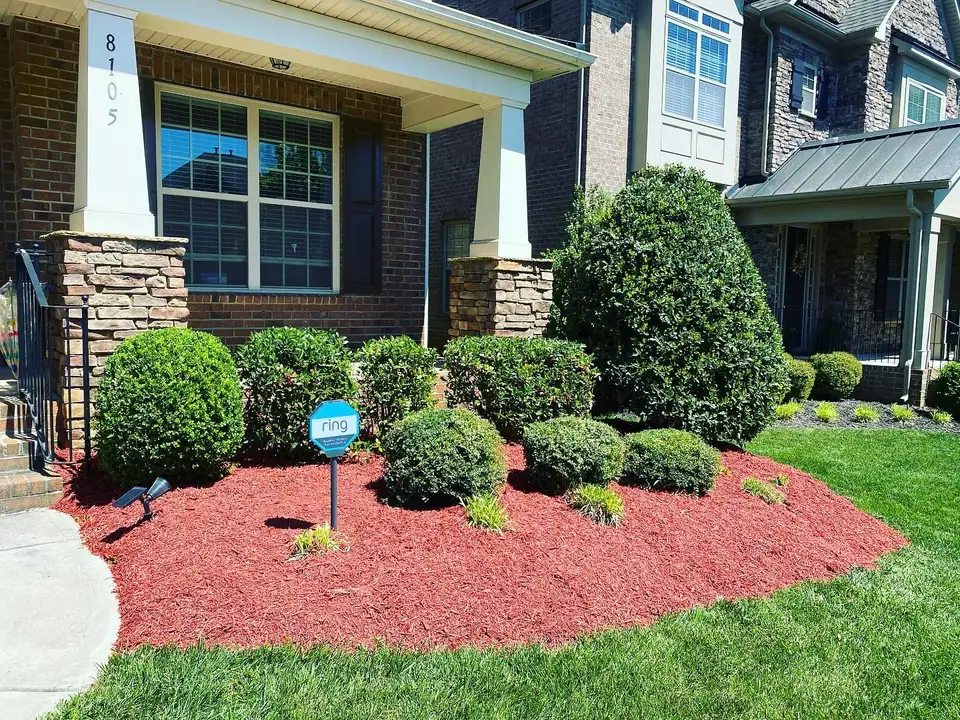
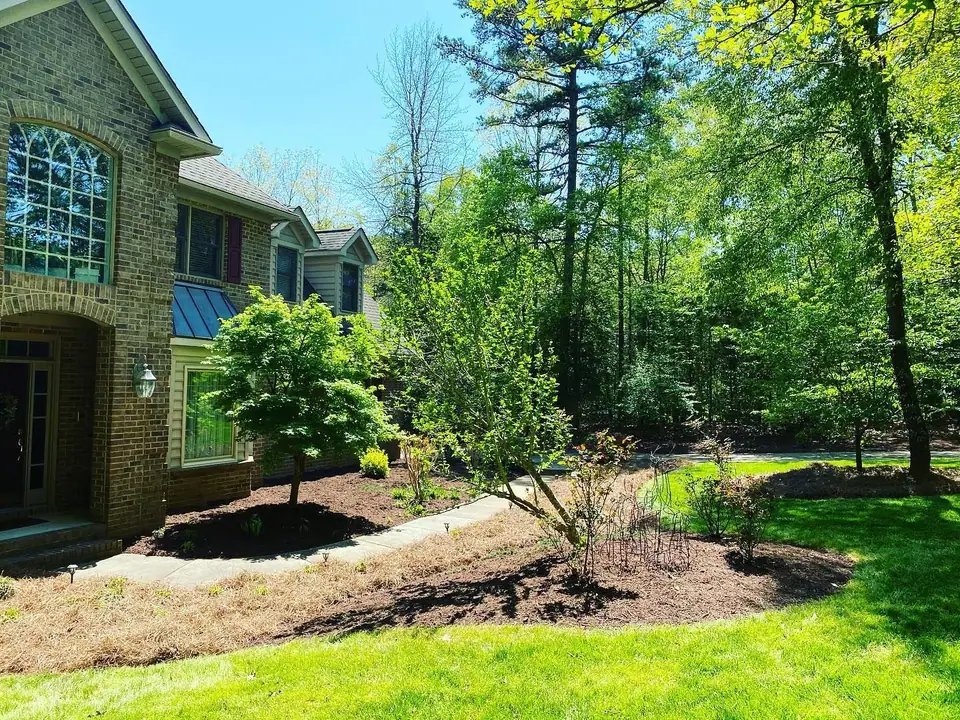
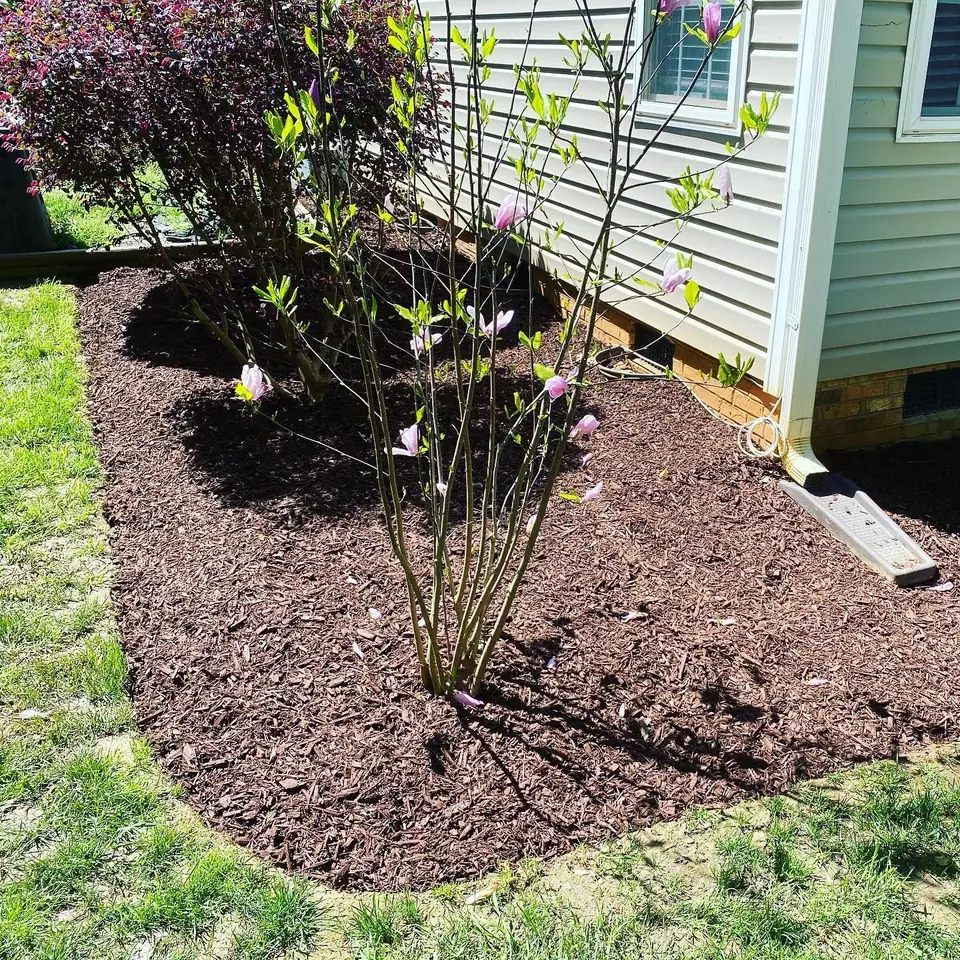
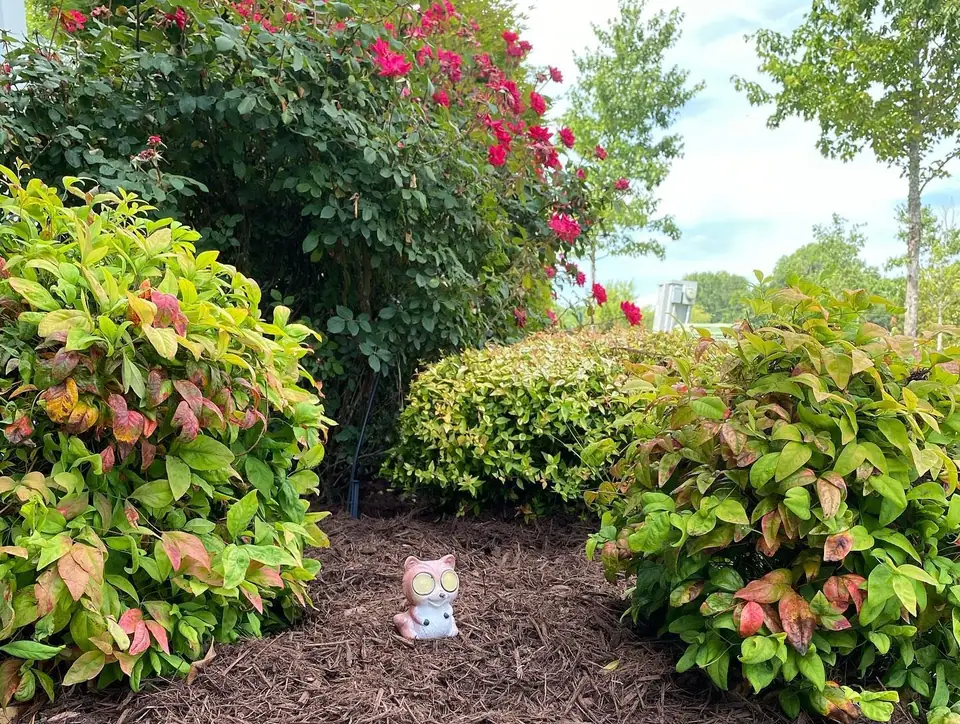
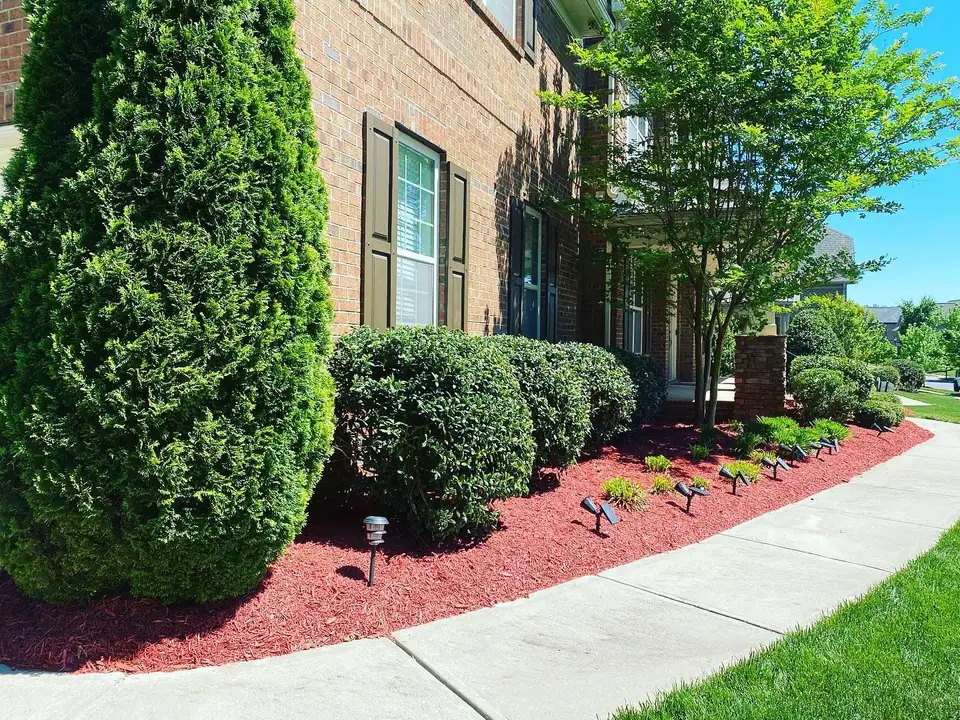
Boxwoods in fresh mulch
Evergreen boxwoods frame the porch and stay tidy all year with two trims.
Boulder accents
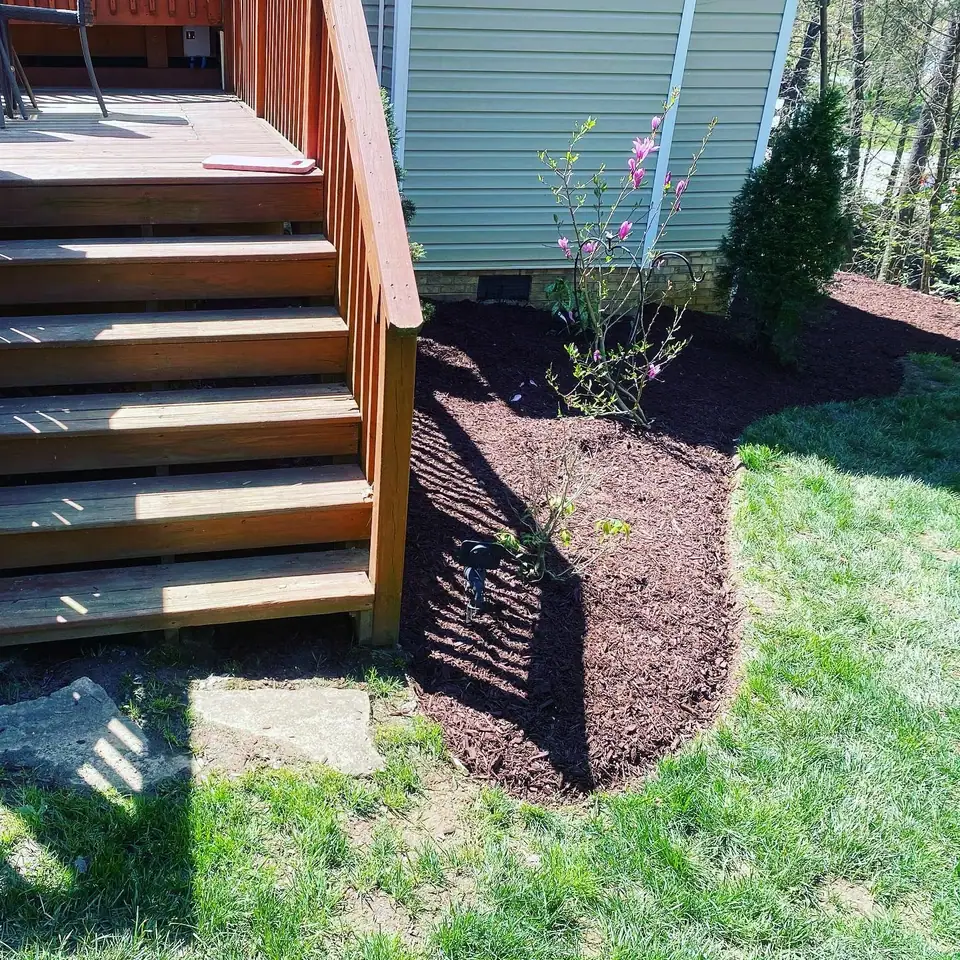
A single boulder anchors the bed and gives low plantings something to grow around.
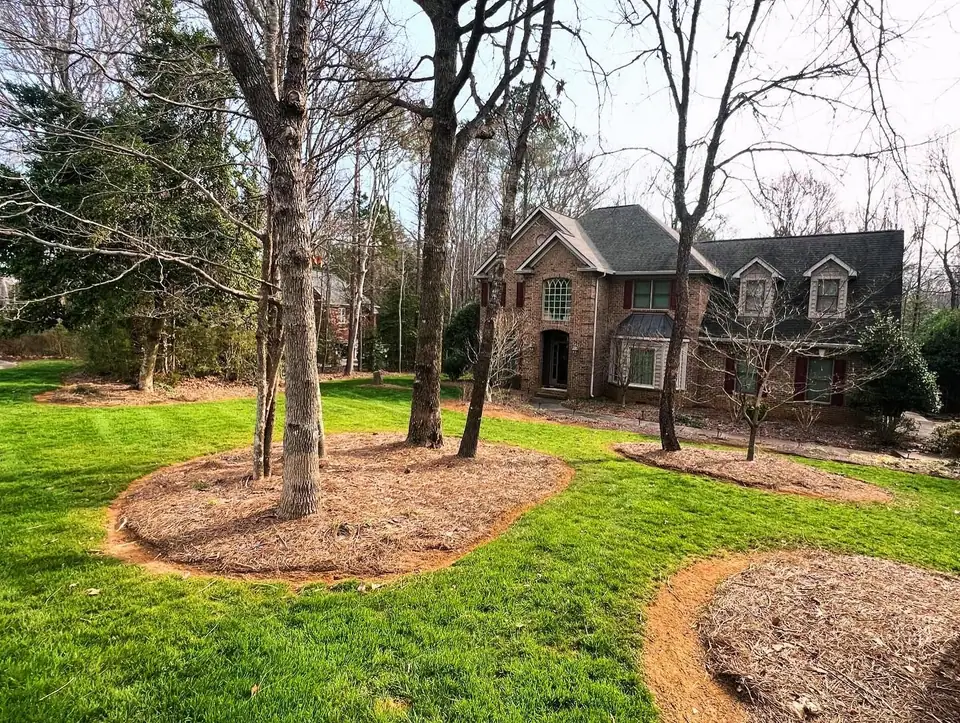
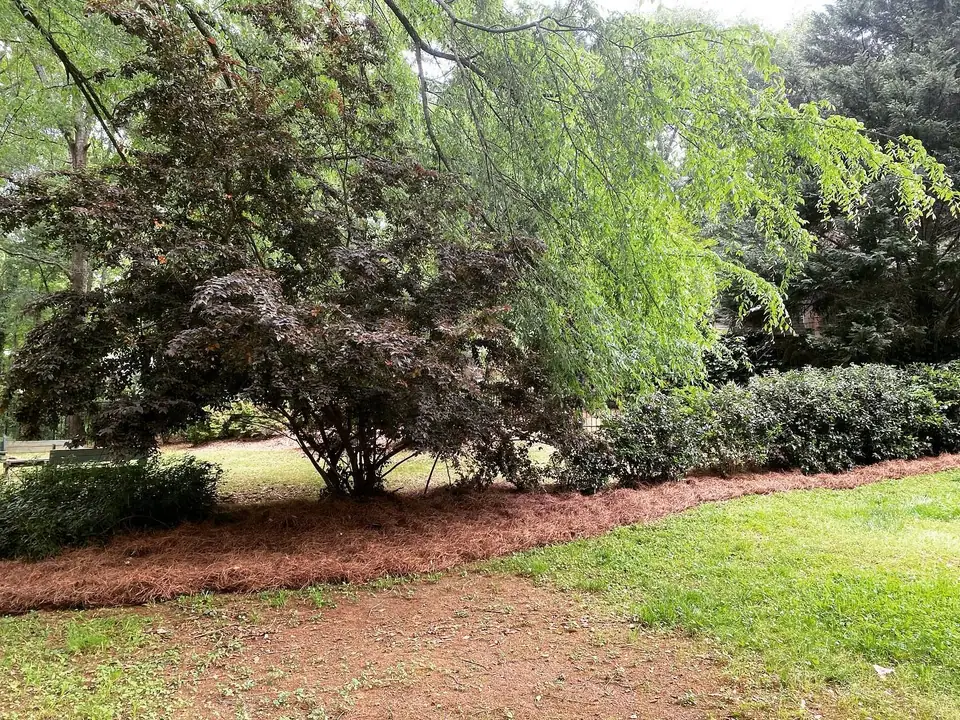
Pine straw tree rings
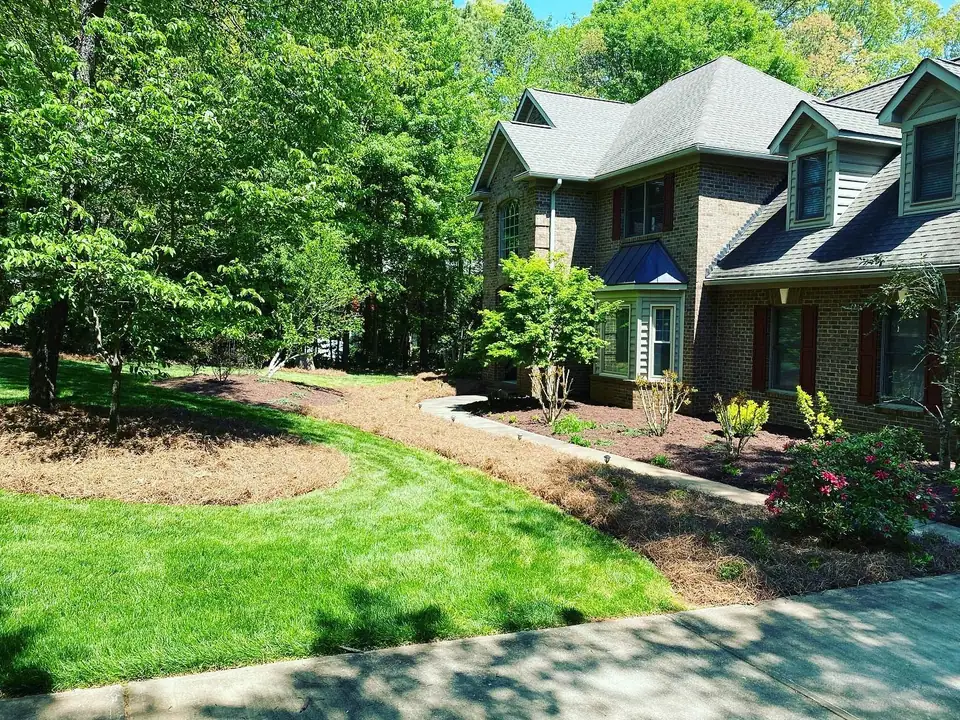
Rings around mature trees protect roots from mowers and tie the yard together.
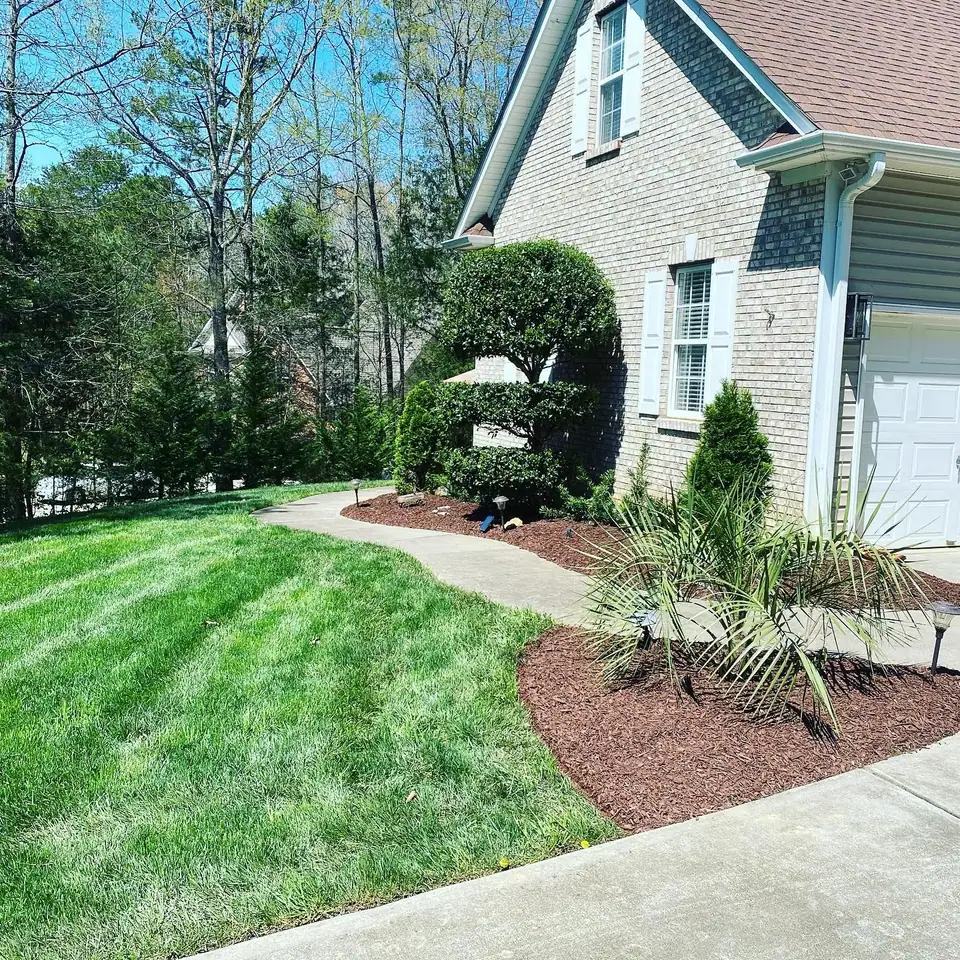
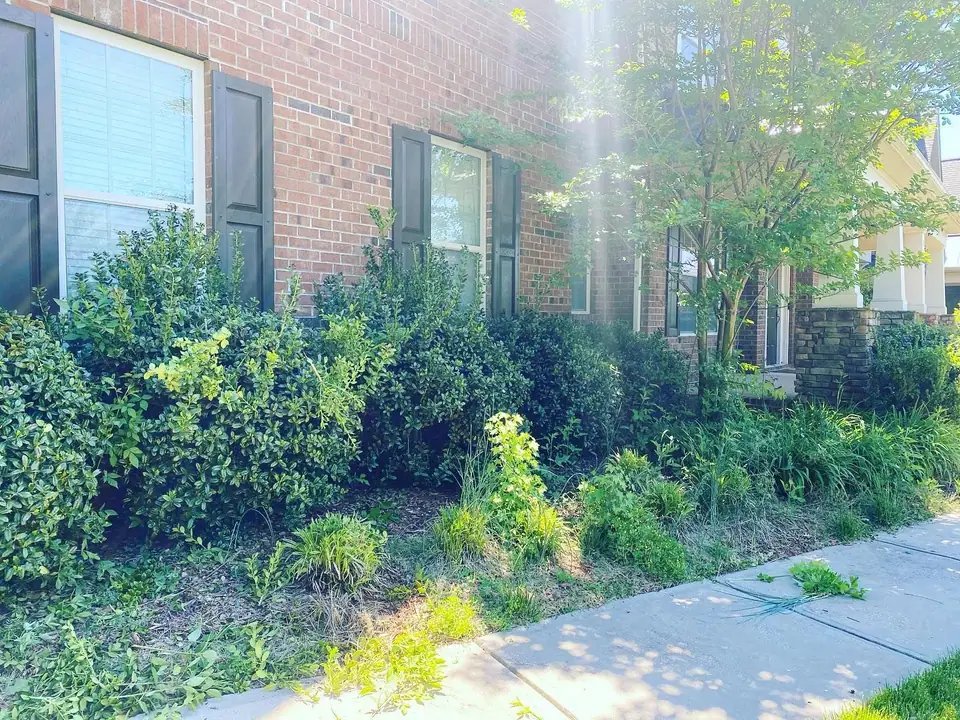
Beds along the walk
Layered plantings soften the steps and lead guests to the front door.
When to call
Signs it’s time.
- Dark front walk
- Beautiful trees no one sees at night
- Security concerns
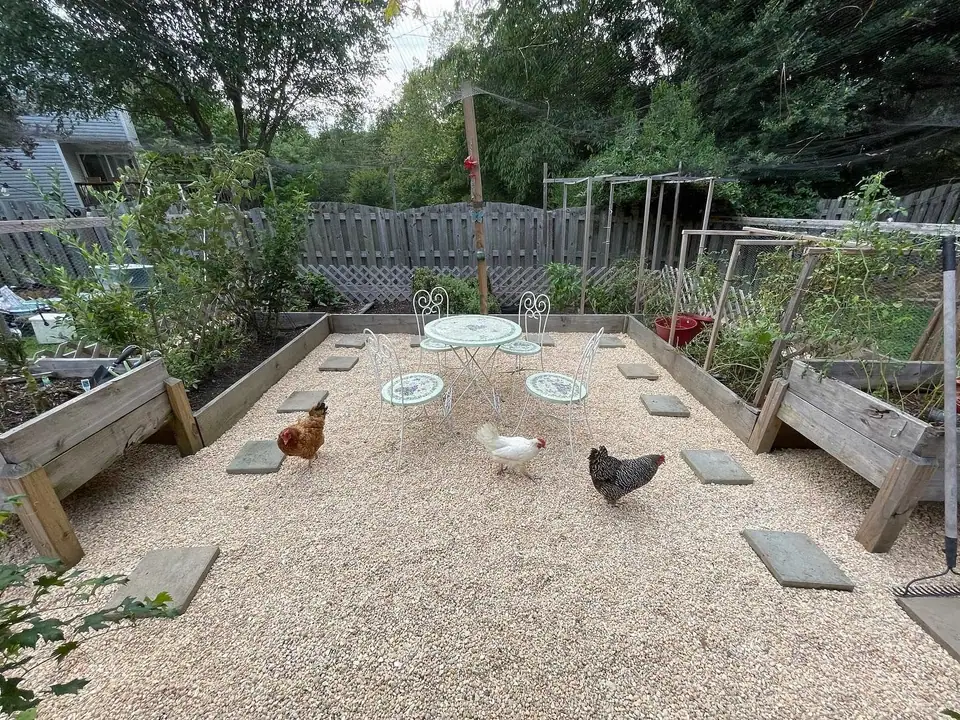
Recent work
From our crew’s camera.
Related services
More landscape design services.
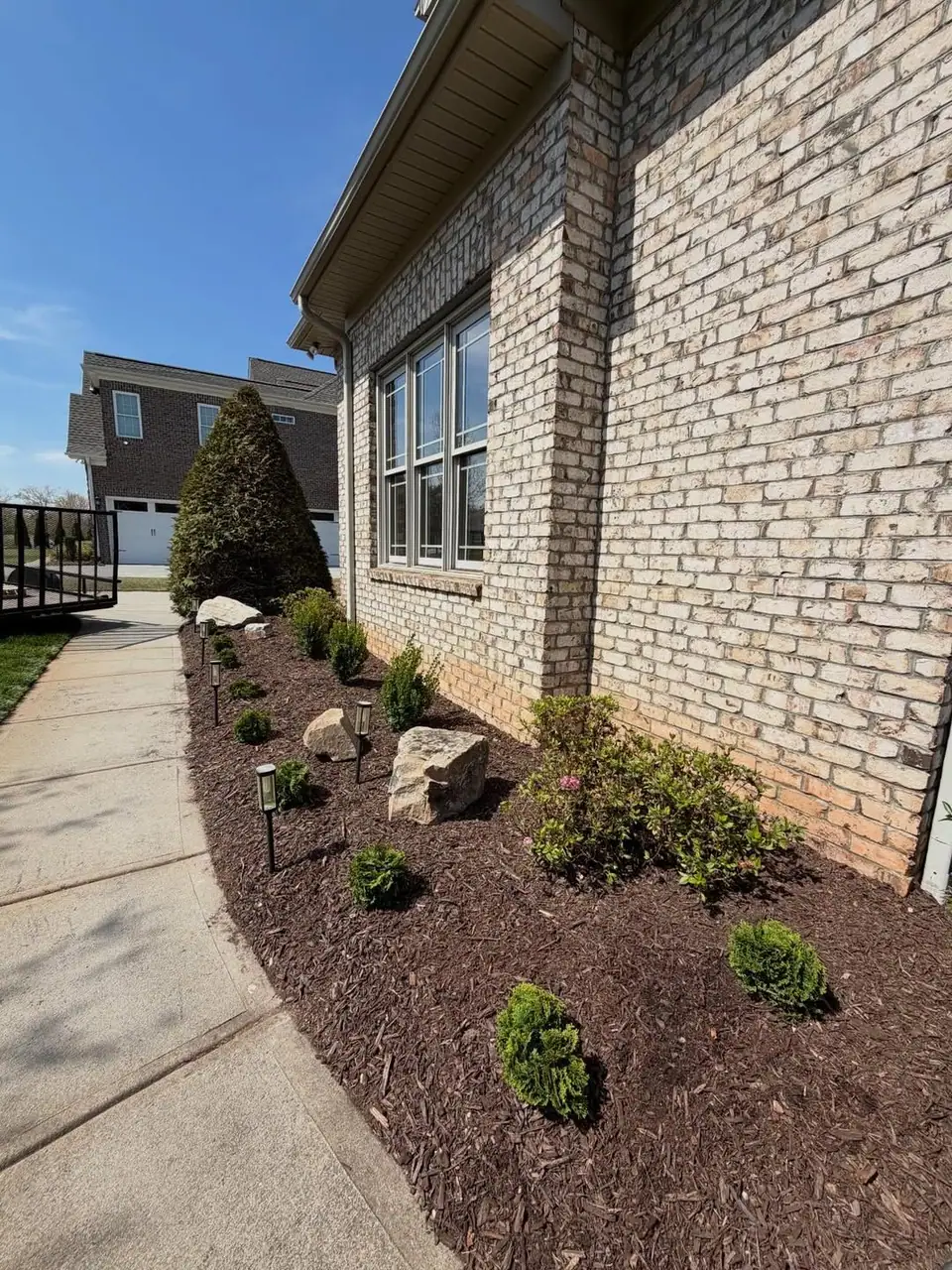
Residential Landscape Design
Front and back yard designs with beds, plantings and structure that suit the home.
Learn more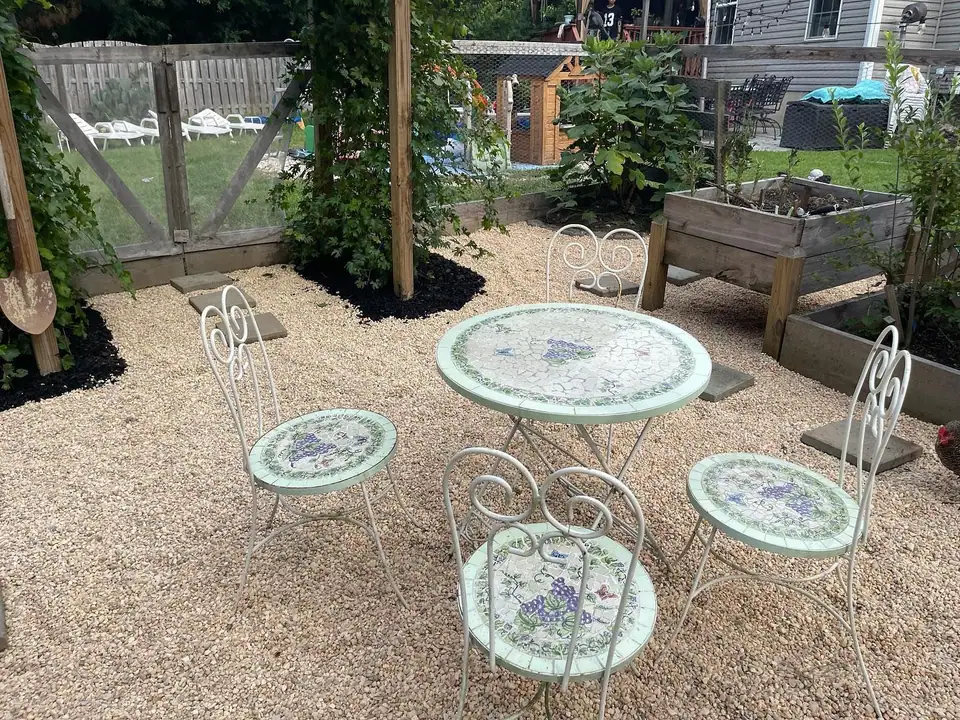
Outdoor Living Design
Fire pit areas, gravel patios and backyard spaces you’ll actually spend evenings in.
Learn more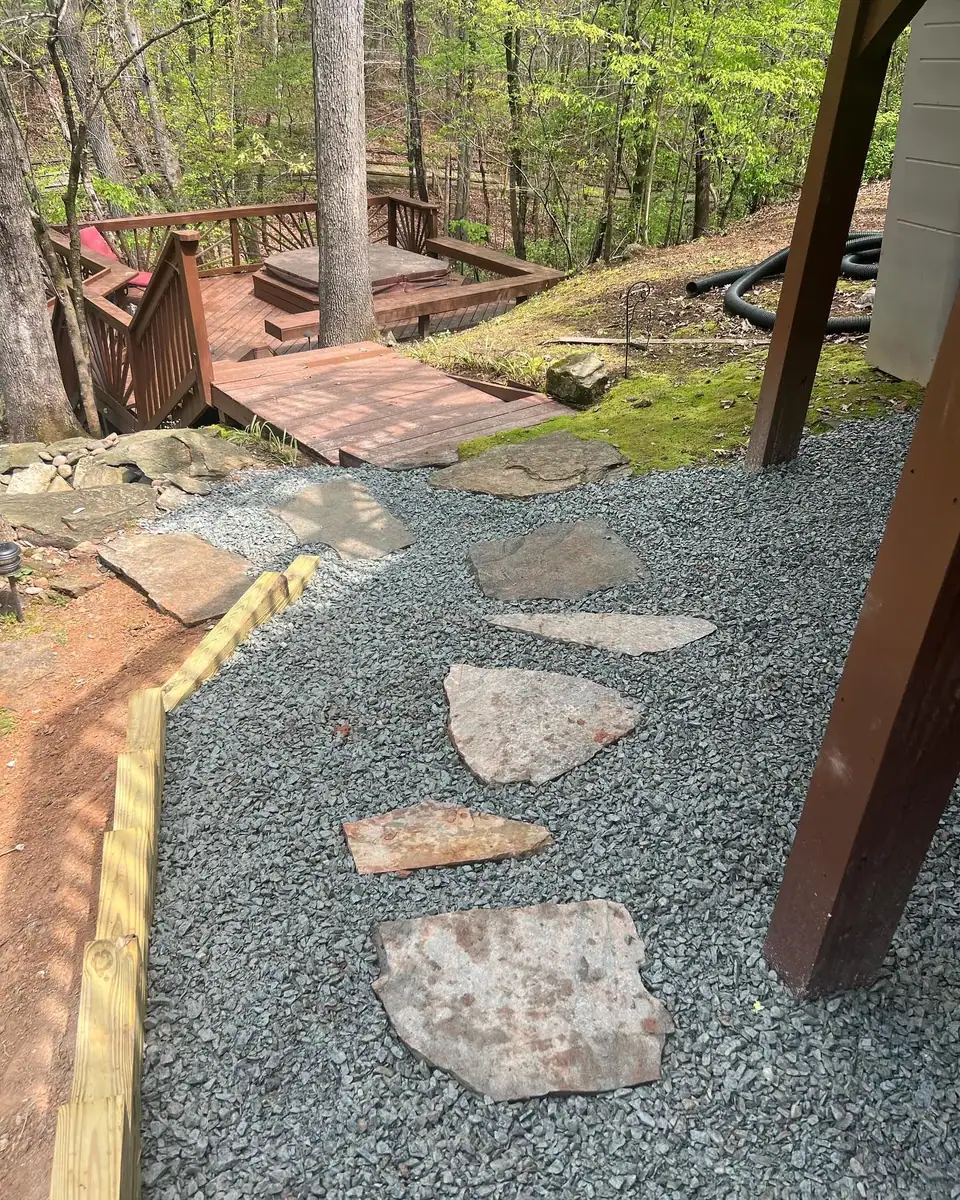
Hardscape Design
Gravel patios, stepping-stone paths, timber and stone edging, and fire pit areas.
Learn more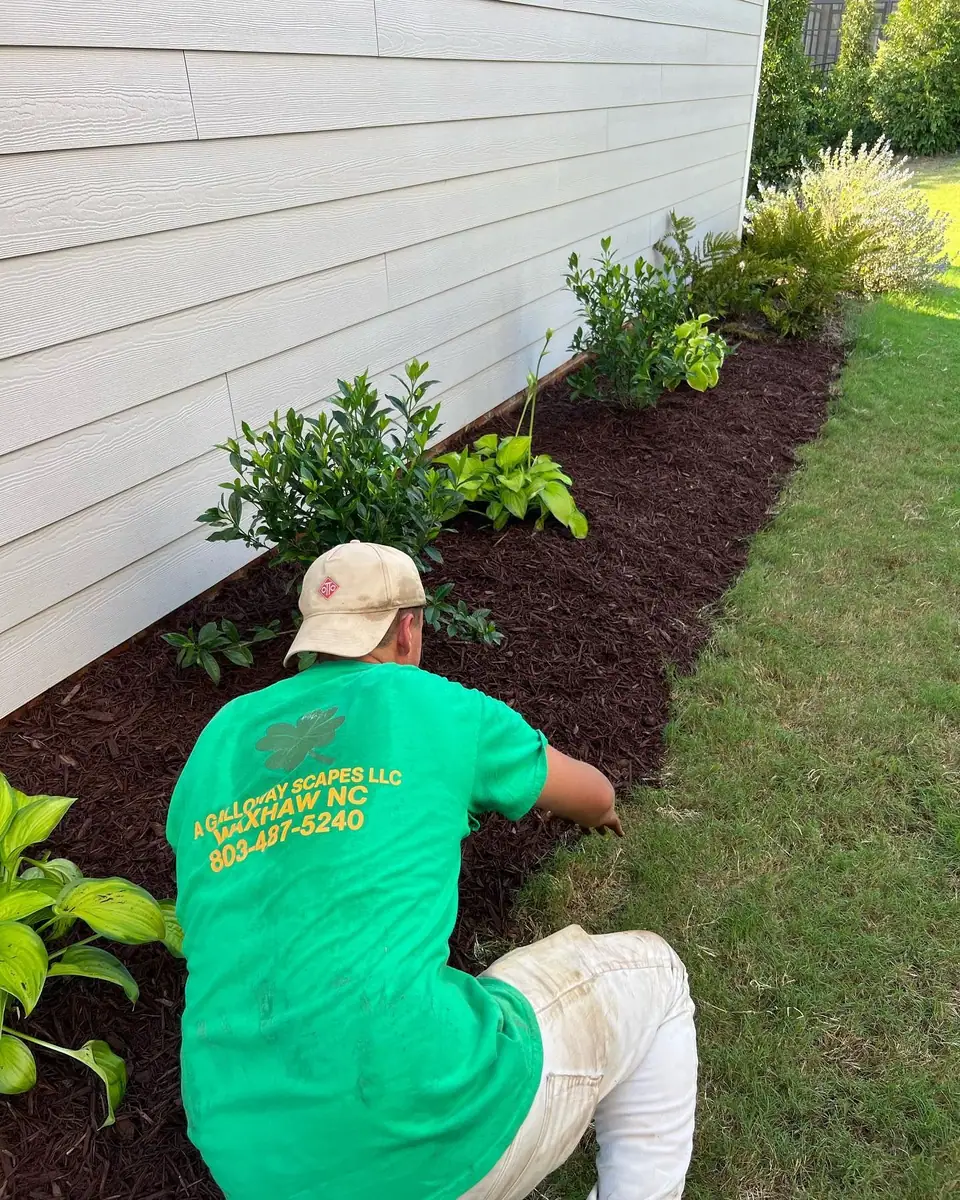
Garden & Planting Design
Planting plans with shrubs, perennials and seasonal color chosen for sun and soil.
Learn moreLandscape lighting in Waxhaw, NC: low-voltage path and accent lighting
The short answer
Landscape lighting uses low-voltage fixtures powered by a transformer to light paths, steps, trees and the front of the house after dark. Good lighting is subtle: path lights spaced for safe footing, uplights that graze a tree trunk or stone facade, warm color temperature and a timer or photocell so the system runs itself, improving safety, security and curb appeal.
01What does professional landscape lighting include?
A lighting system has three parts. A transformer plugs into an exterior outlet and steps household current down to safe low voltage. Direct-burial cable runs underground to each fixture. And the fixtures themselves, path lights, uplights, wash lights and accent lights, are placed to light specific features.
A timer or photocell turns the system on at dusk and off at a set time, so you never have to think about it. LED fixtures use little power and last a long time.
- Path lights: soft pools of light for safe walking
- Uplights: grazing tree trunks, canopies and stone
- Facade lighting: gentle wash on the front of the house
- Low-voltage wiring: buried cable from a transformer
- Controls: timers and photocells so it runs itself
02What makes lighting look good instead of harsh?
The most common lighting mistakes are too many fixtures, fixtures that are too bright, and light pointed straight into people's eyes. Professional lighting is about contrast and restraint. A few well-placed uplights on a specimen tree and the corners of the house create depth. Path lights cast pools of light on the ground rather than glaring at eye level. The fixtures themselves should almost disappear into the plantings.
Warm color temperature, generally around 2700K, feels inviting and flatters brick, stone and foliage. Cool white light can look clinical.
03How should path lights be spaced?
Path lights should create overlapping pools of light so walkers can see each step without a runway effect. Spacing depends on the fixture's light spread, often around eight to ten feet apart, and they are typically staggered on alternating sides of a path rather than lined up like a landing strip. Steps and grade changes get their own light, since that is where people trip.
04Does landscape lighting improve security?
Yes. A well-lit entry, walk and driveway makes it easier for you and guests to see who is there and to get from the car to the door safely. Lighting the corners of the house and dark areas near windows removes hiding spots. It doesn't have to be bright to help; consistent, even light is more useful than a single blinding floodlight.
05How is a lighting system installed?
The layout is designed and reviewed with you, often with a nighttime demonstration of fixture positions. The transformer is mounted near an exterior GFCI outlet and sized for the total fixture load with room to expand. Cable is buried along bed edges and under mulch to each fixture, connections are made with waterproof connectors, and fixtures are aimed after dark for the final adjustments. Timers or photocells are set, and you get a walkthrough of how to adjust them.
06Does landscape lighting need maintenance?
A little, about once or twice a year. Plants grow and can cover fixtures or block their light, so foliage is trimmed back. Lenses collect dirt, pollen and water spots and should be wiped clean. Fixtures can be bumped out of alignment by mowers, pets and kids and need re-aiming. Trees grow taller, so uplights may need adjusting to keep lighting the canopy. Mulch should be kept off fixtures and connections. Timers should be adjusted for daylight saving changes unless the system uses a photocell or astronomical timer.
How it works
Four steps. No surprises.
From the first call to the final cleanup, you deal with the same owner-run crew.
Call or send the form
Tell us what’s bothering you about the yard. We get back to you within 24 hours.
Walk the property
We look at slope, soil, drainage paths, turf type and how you actually use the space. No guessing from a photo.
A written estimate
You get a plain-language scope and price. No surprise add-ons after the crew shows up.
Owner-led work and cleanup
Terry is on the job. Beds edged, debris hauled off and the driveway blown clean before we leave.
Landscape Lighting near you
FAQ
Landscape Lighting: questions, answered.
How much does landscape lighting cost in Waxhaw, NC?
Landscape lighting cost depends mainly on the number and type of fixtures, the quality of the fixtures, the transformer size, the length of wire runs, whether wire must cross under walks or driveways, and whether you want timers, photocells or smart controls. A small system lighting the front walk and entry is a modest project; a whole-property design with path lights, tree uplights, facade lighting and backyard spaces is larger. Quality LED fixtures cost more upfront but last longer and use less power. Galloway Scapes provides a free written estimate with a fixture layout so you can see exactly what will be lit.
Is low-voltage landscape lighting safe?
Yes. Low-voltage systems are the standard for residential landscape lighting because they are much safer than line-voltage lighting. A transformer plugged into a GFCI-protected exterior outlet steps household current down to a low voltage that greatly reduces shock risk, so the cable can be buried at a shallow depth in beds and lawns. LED fixtures also run much cooler than older halogen bulbs. As with any outdoor electrical system, connections should be waterproof, the transformer should be sized properly and wire should be protected where it passes near edging or hardscape. Galloway Scapes installs low-voltage systems with these protections built in.
What color temperature is best for landscape lighting?
For most homes, warm white light around 2700K is the best choice. It feels inviting, makes brick, stone and wood look rich, and flatters foliage and the facade without the harsh, clinical look of cool white light. Some designers use slightly cooler light on certain plants to bring out green foliage, but consistency across the property usually looks best. Color temperature matters as much as brightness: a few warm, well-aimed fixtures create a more beautiful result than many bright, cool ones. Galloway Scapes specifies warm LED fixtures and aims them after dark for the final effect.
How long do LED landscape lights last?
Quality LED landscape fixtures typically last many years, often rated for tens of thousands of hours of operation, which can translate to a decade or more depending on nightly run time. LEDs also use far less power than halogen bulbs, so a larger system can run on a smaller transformer. Longevity depends heavily on fixture quality; solid brass and copper fixtures with sealed LED modules resist corrosion much better than inexpensive plastic or thin aluminum fixtures sold in kits. Periodic maintenance, such as trimming plants away from fixtures, cleaning lenses and re-aiming lights as trees grow, keeps the system looking its best.
Can landscape lights be added to an existing landscape?
Yes. Most landscape lighting is added to established yards. Cable is buried along bed edges and under mulch with minimal disturbance, fixtures are placed among existing plantings, and the transformer mounts near an exterior outlet. Where wire must cross a walk or driveway, it can often be routed around or through existing joints. The design focuses on the best features of your current landscape, such as specimen trees, the entry and stonework, and paths that need safe footing. If you are planning new plantings or hardscape, it is easiest to install lighting cable at the same time, so Galloway Scapes coordinates the two.
We had several landscaping projects completed at our property, including new sod installation, mulching, and drainage work, and I couldn’t be happier with how everything turned out. The sod installation completely transformed the appearance of our yard.
We contacted Galloway Scapes for lawn leveling and are very pleased with their service. Terry and his crew are incredible and did a great job on our lawn! They arrived on schedule and did a thorough job.
Terry and his crew are the best! He is attentive, professional, and knowledgeable. I have a fast growing weed in my lawn and he works diligently on keeping it under control.
Reliable, efficient, and professional, with great attention to detail. Everything looked clean, green, and well cared for.
Very good, consistent service. They are responsive when asked about things and address concerns as they arise.
Reliable, punctual, creative, clean, and professional throughout the process. I really appreciated how easy they made everything.
Knowledgeable and skilled approach to lawn maintenance and yard landscaping, with meticulous attention to detail. Fair pricing combined with outstanding results.
Free estimate
Tell us about your landscape lighting project.
A few quick details. We reply within 24 hours, usually sooner, and we walk the property before we price anything.
(803) 487-5240Mon–Sat, 7 AM–7 PM · call or text
- Free, written estimates with no obligation
- Owner Terry Galloway on every project
- Licensed, bonded & insured · NC & SC Pesticide License