
01
Tree Maintenance
Tree Trimming & Pruning
Cut the right limbs and a tree gets stronger. Cut the wrong ones and it never recovers.
★★★★★ 4.9 on Google · 16 reviewsLicensed, bonded & insuredOwner on every jobFree written estimates
Our approach
Talk it through with Terry →
How we approach tree trimming & pruning.
We make clean cuts at the branch collar, remove dead, crossing and rubbing limbs, raise canopies over drives and roofs, and thin dense crowns so wind passes through. No topping.
What’s included
Every tree trimming & pruning job covers this.
Written into your estimate, so you know exactly what the crew will do before anyone shows up.
Get a Tree Care Estimate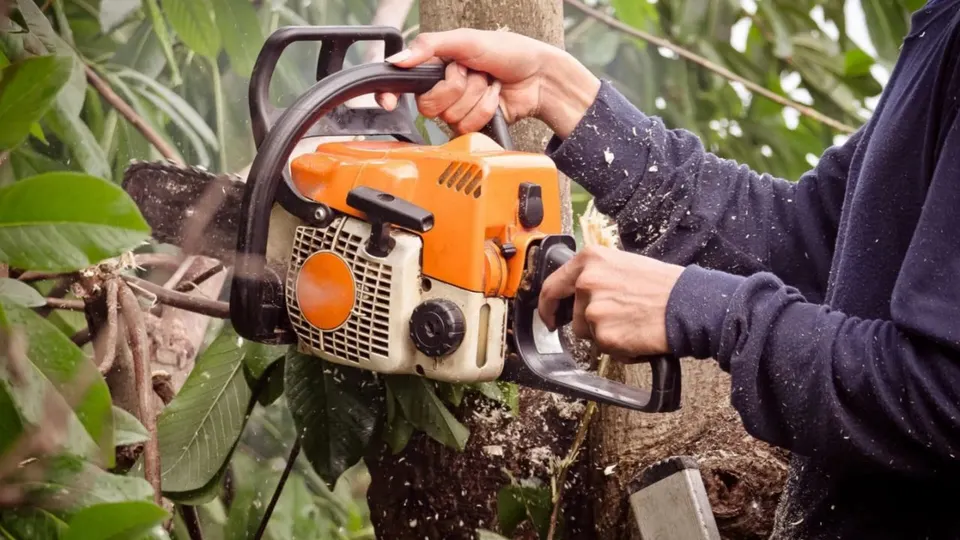
02
Canopy raising
03
Crown thinning
04
Roof and wire clearance
When to call
Signs it’s time.
- Branches on the roof
- Low limbs over the drive
- Dense shade killing the lawn
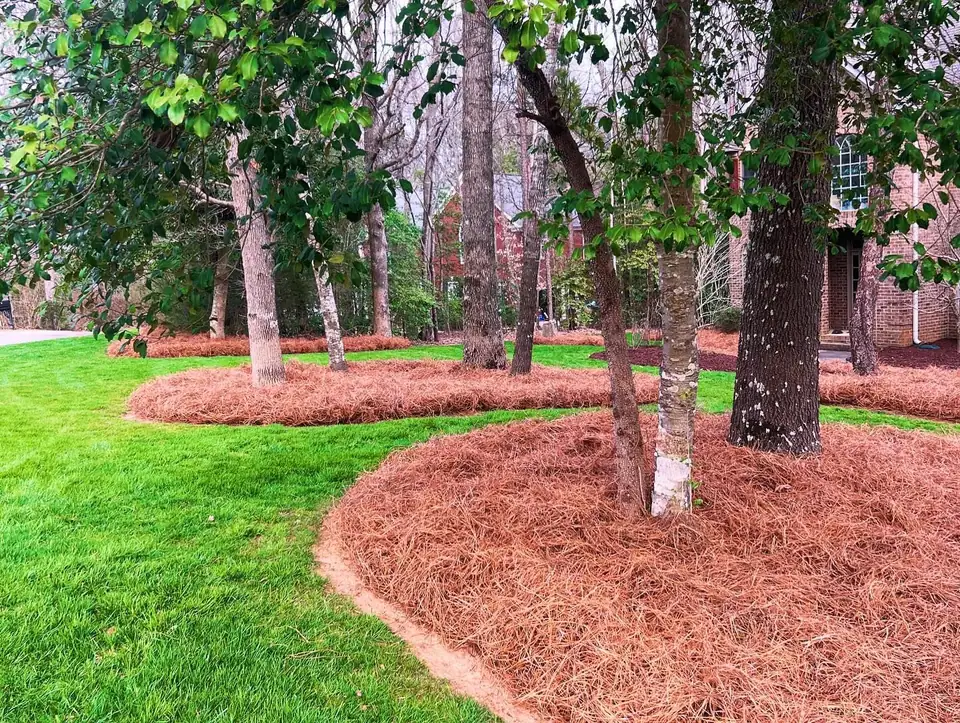
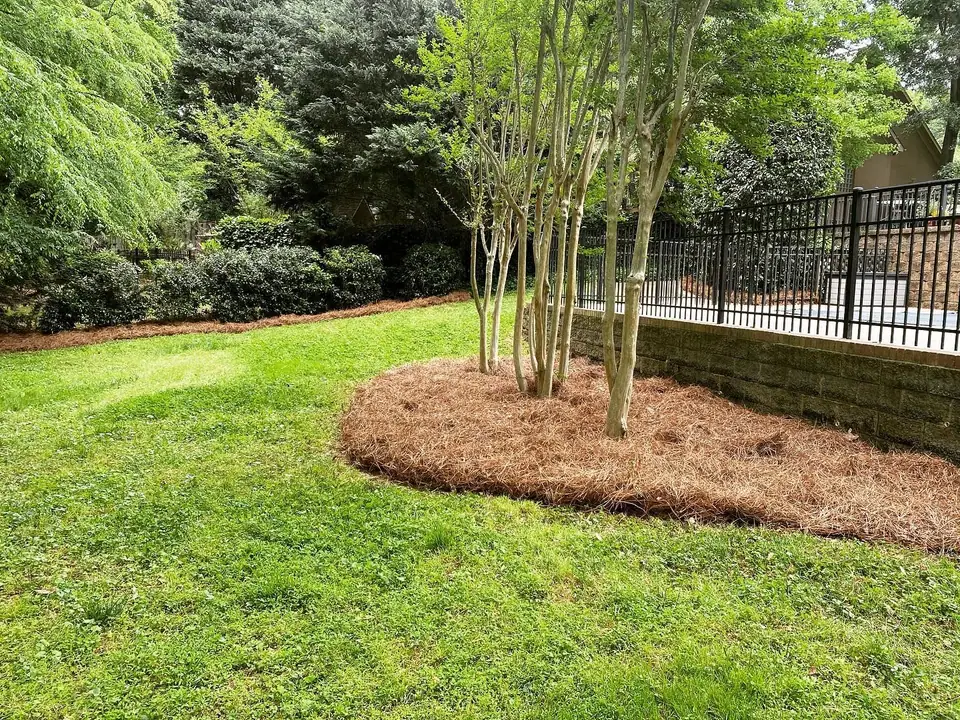
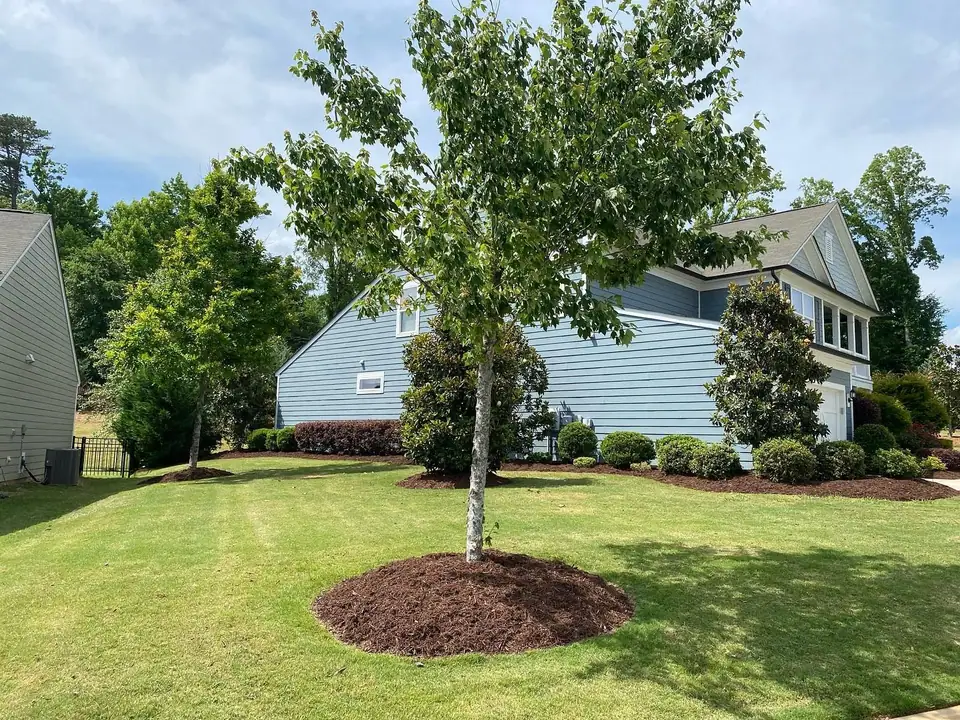
Recent work
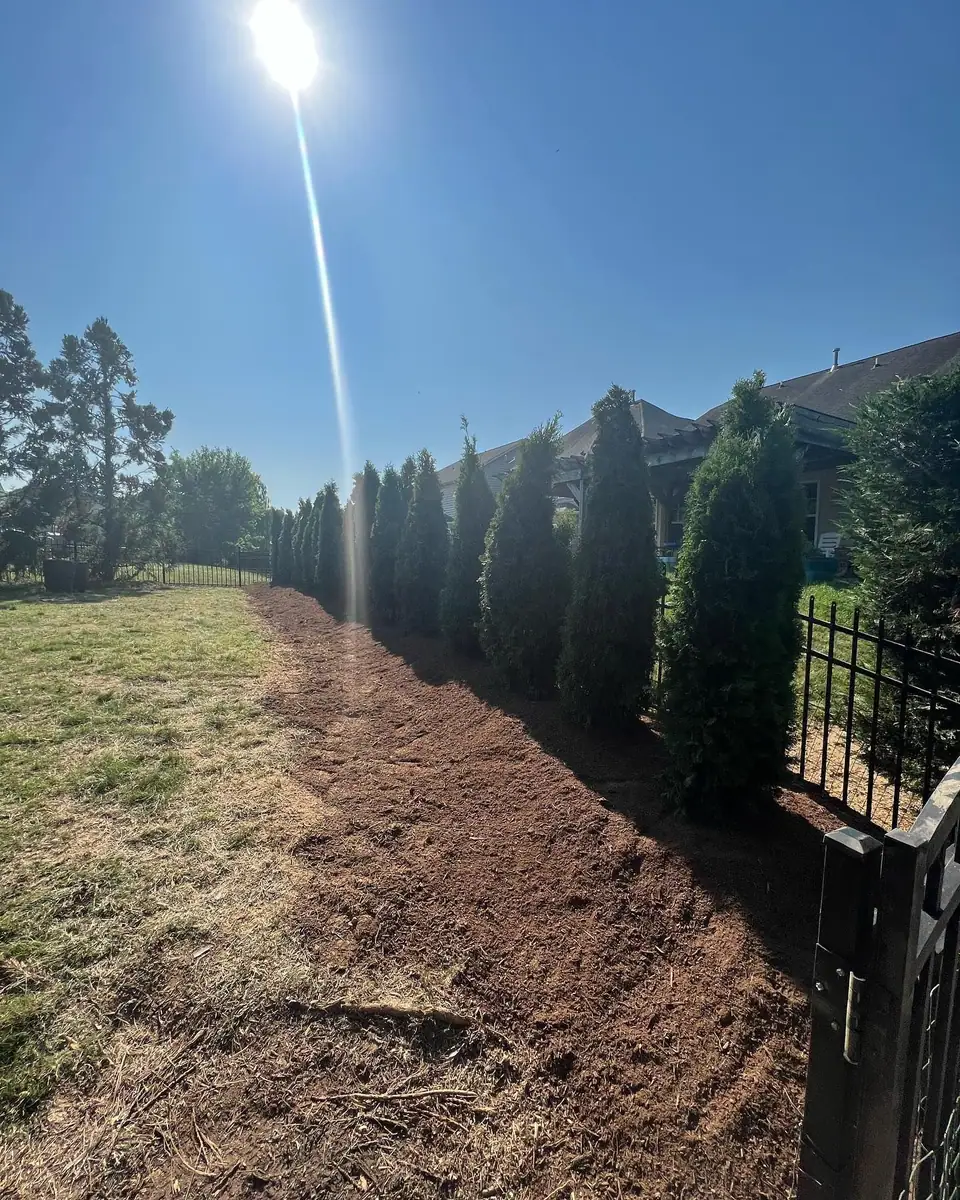
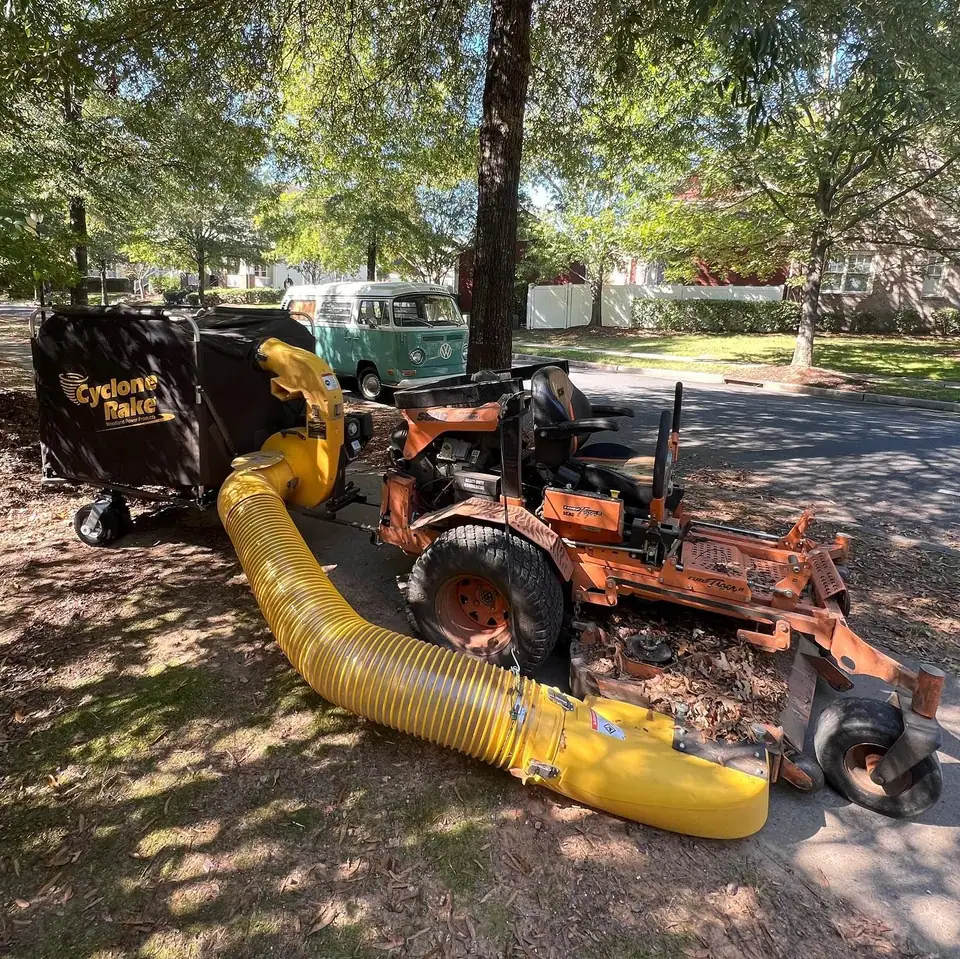
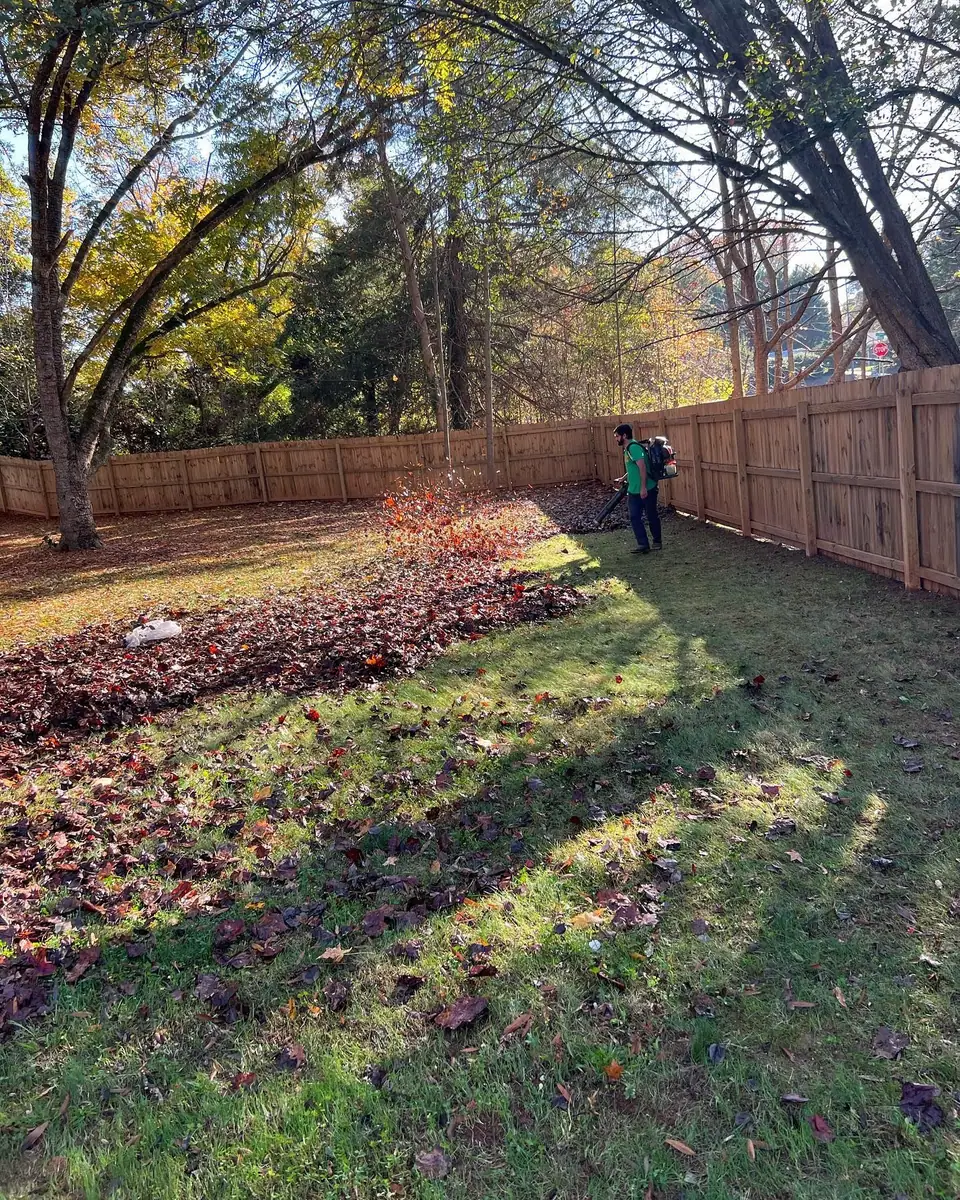
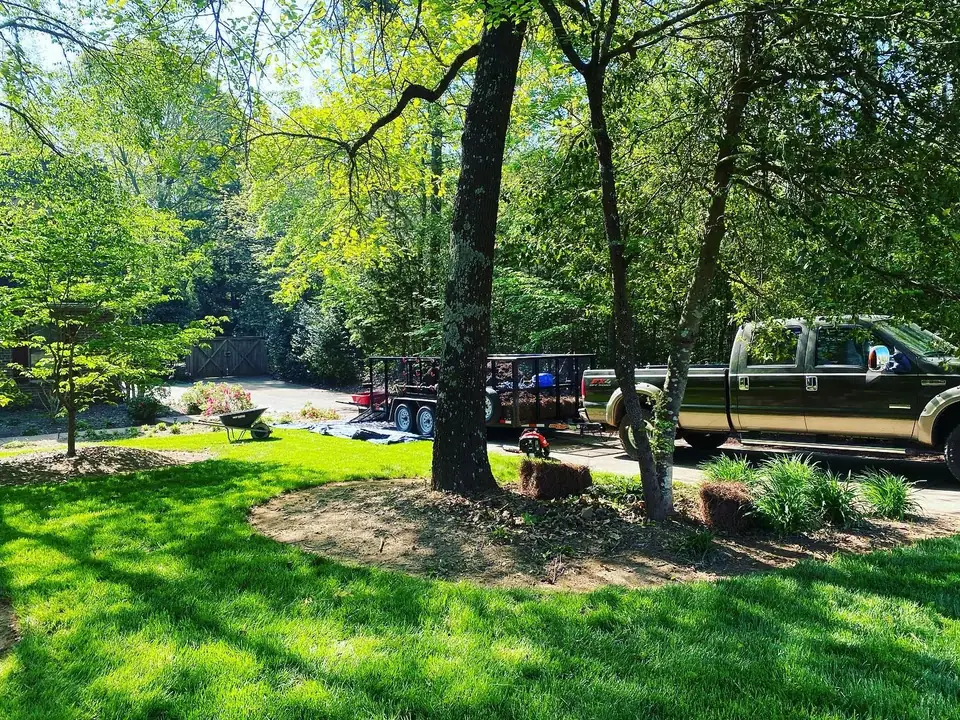
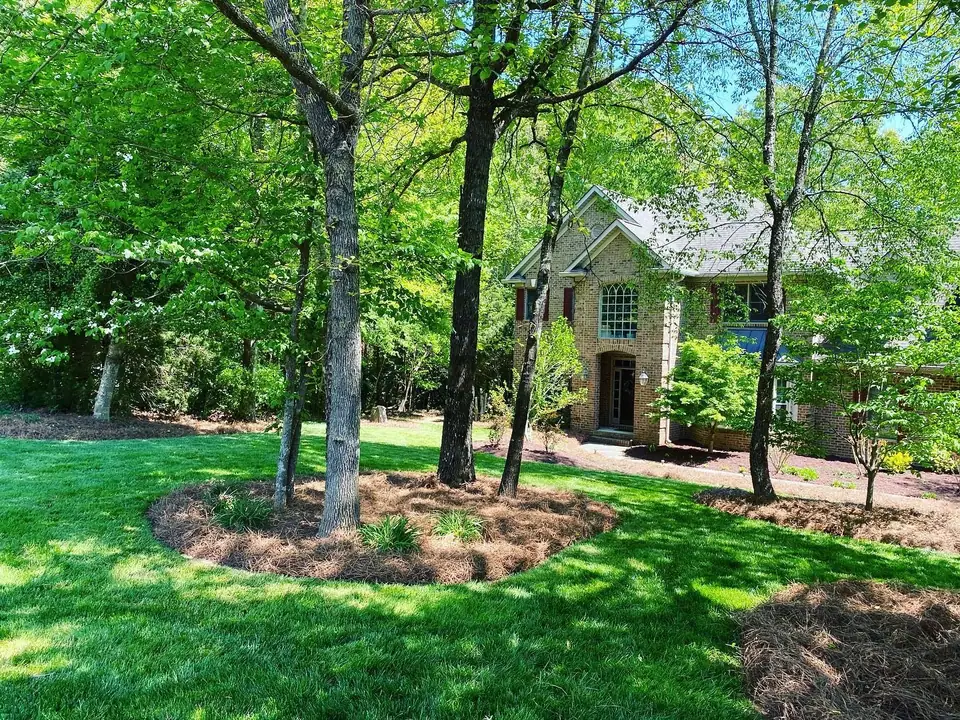
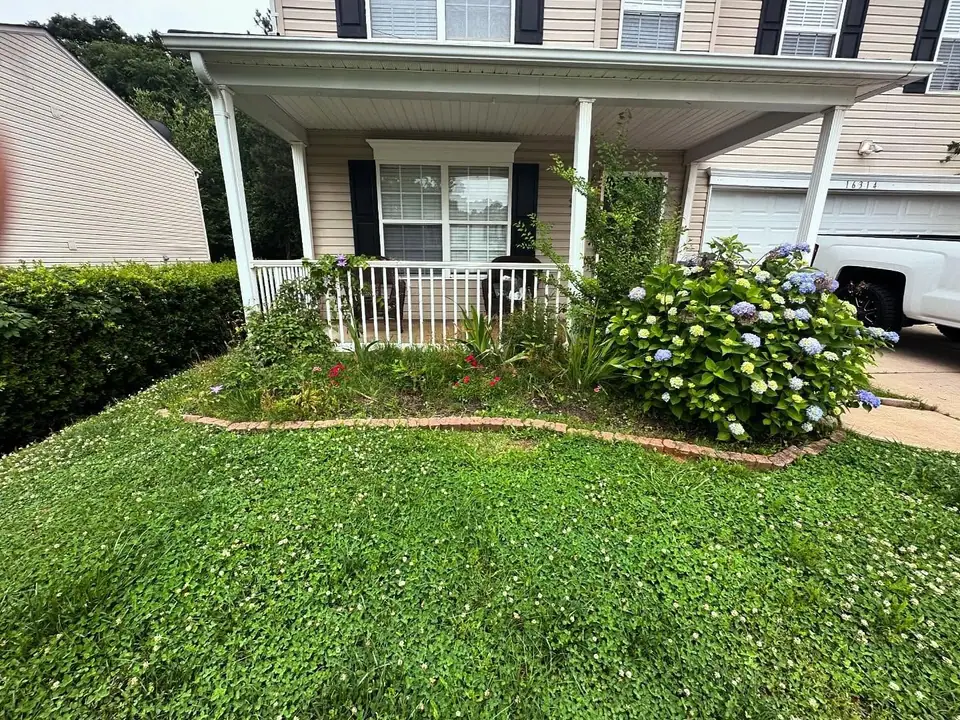
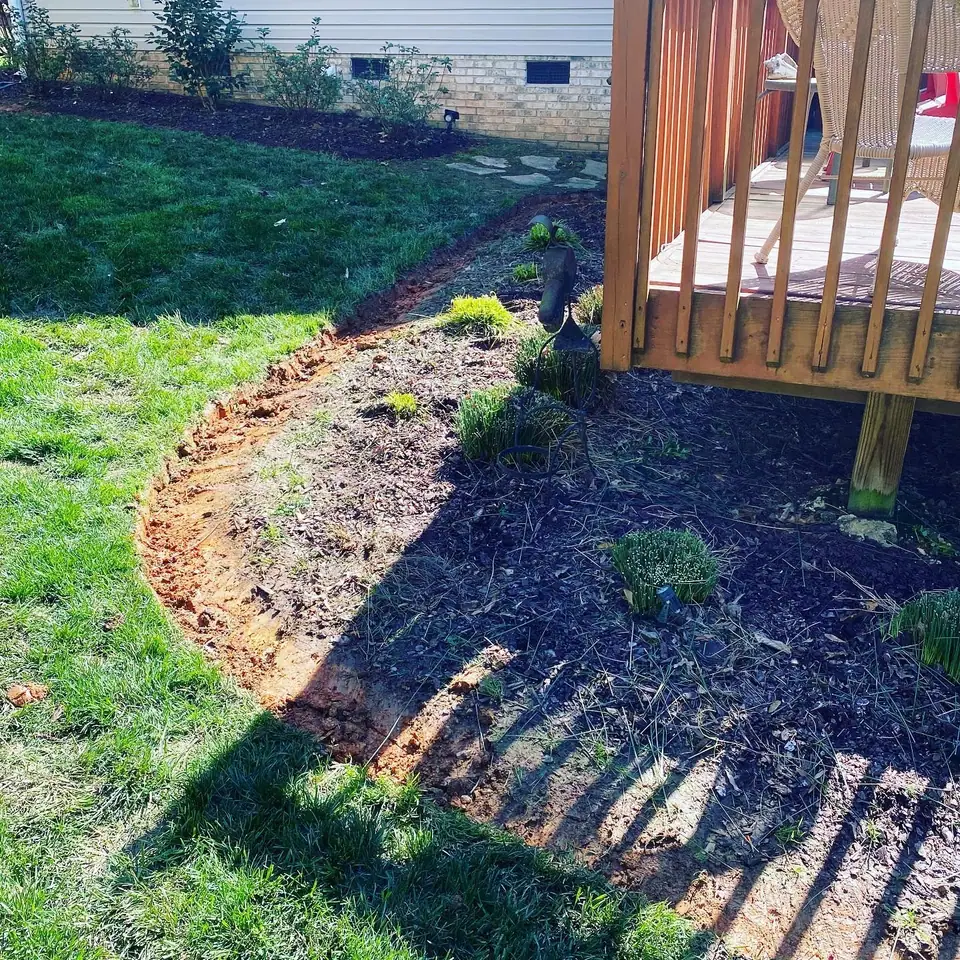
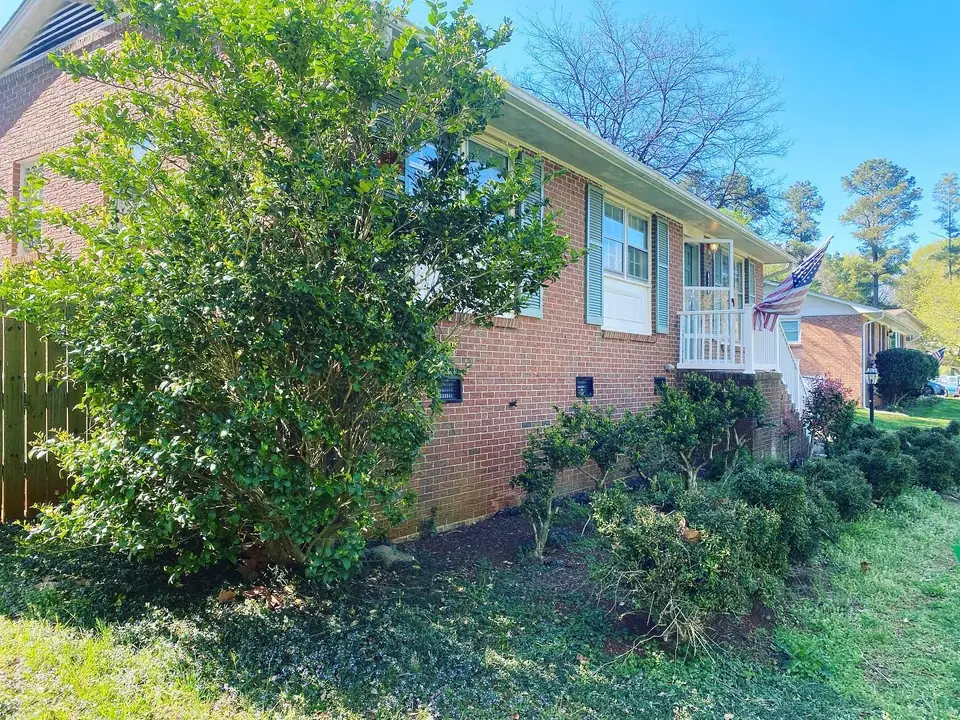
From our crew’s camera.
Related services
More tree maintenance services.
Stump Grinding
Grind stumps below grade so the spot can be seeded, sodded or replanted.
Learn more
Storm Damage Cleanup
Fast removal of downed limbs and debris after storms, then cleanup and haul-off.
Learn more
Tree Health & Disease Treatment
Spot early signs of decline, prune out disease and treat with licensed applications.
Learn more
Tree Removal
Safe removal of dead, dangerous or unwanted trees, with cleanup and stump options.
Learn moreTree trimming and pruning in Waxhaw, NC: cuts that make trees stronger
The short answer
Proper tree pruning removes the right limbs in the right places: dead, crossing and rubbing branches, low limbs over drives and roofs, and excess density in the crown so wind passes through. Each cut is made just outside the branch collar so the tree can seal the wound. Topping, which means cutting main stems back to stubs, weakens trees and is never part of good pruning.
01Why prune trees at all?
Well-timed pruning makes trees safer, healthier and better neighbors to your house. Removing dead and weak limbs prevents them from falling in the next storm. Raising the canopy clears driveways, walks and the roofline. Thinning a dense crown lets wind pass through instead of catching the canopy like a sail, and it lets more light reach the lawn below.
Around Waxhaw, Weddington and Marvin, where many homes sit among mature oaks, hickories, pines and maples, regular pruning is one of the best ways to protect the house and keep big trees for decades.
- Deadwood removal: dead and dying limbs taken out
- Canopy raising: clearance over drives, walks and lawns
- Crown thinning: lighter canopy that wind passes through
- Roof clearance: limbs kept off shingles and gutters
- Structural pruning: crossing and rubbing branches corrected
02What is the right way to cut a branch?
Every branch joins the trunk at a slightly swollen ring of tissue called the branch collar. That collar is where the tree seals off wounds. A correct cut is made just outside the collar, neither flush against the trunk, which removes the tree's defenses, nor leaving a long stub, which rots. Larger limbs are removed with a three-cut method, undercutting first, so the weight of the limb doesn't tear bark down the trunk as it falls.
Clean, correct cuts close over in time. Poor cuts become entry points for decay that can hollow a tree over years.
03Why is tree topping harmful?
Topping cuts main stems and large branches back to stubs to shrink a tree. It looks tidy for a season, then the tree responds by pushing out dense clusters of fast, weakly attached sprouts. Those sprouts grow back quickly, often taller than before, and break easily in storms. Meanwhile, the large wounds decay. Topped trees become more dangerous, not less.
When a tree needs to be smaller or lighter, crown reduction pruning shortens limbs back to healthy lateral branches, preserving the tree's natural shape and strength.
04When is the best time to prune trees?
For most shade trees, late winter, during dormancy, is ideal. Without leaves, the structure is easy to see, wounds close quickly as spring growth begins, and many pests and diseases are inactive. Dead and hazardous limbs can and should be removed any time of year. Spring-flowering trees such as dogwoods and redbuds can be pruned right after bloom to preserve flowers. Oaks are best pruned in winter to reduce disease risk.
05How close should limbs be to the house?
Branches resting on or rubbing against the roof damage shingles and gutters, drop debris that clogs drains, and give squirrels a highway into the attic. A good rule is to keep limbs well clear of the roofline, typically several feet, and higher over the roof where trees overhang. Limbs over driveways should allow for vehicles. Lines from the pole to the house are handled carefully, and utility-owned lines are left to the utility company.
06Is it safe to prune trees near power lines?
Not for homeowners or general landscaping crews. Branches near primary power lines, the high-voltage lines running along the street or between poles, should only be pruned by the utility company or utility-qualified line clearance professionals. Contact Duke Energy, Union Power or your local cooperative if limbs are growing into those lines. The service drop from the pole to your house is a different situation and can often be cleared carefully. Galloway Scapes will tell you which limbs we can safely prune and which need the utility.
How it works
Four steps. No surprises.
From the first call to the final cleanup, you deal with the same owner-run crew.
Call or send the form
Tell us what’s bothering you about the yard. We get back to you within 24 hours.
Walk the property
We look at slope, soil, drainage paths, turf type and how you actually use the space. No guessing from a photo.
A written estimate
You get a plain-language scope and price. No surprise add-ons after the crew shows up.
Owner-led work and cleanup
Terry is on the job. Beds edged, debris hauled off and the driveway blown clean before we leave.
Tree Trimming & Pruning near you
FAQ
Tree Trimming & Pruning: questions, answered.
How much does tree trimming cost in Waxhaw, NC?
Tree trimming cost depends on the size and species of the tree, how many limbs need to come out, how close the tree is to the house, fences or other structures, whether climbing or equipment is required, access for equipment and debris removal, and how much cleanup and haul-off there is. Raising the canopy of a medium tree over a driveway is very different from thinning and clearing several large oaks overhanging a roof. Galloway Scapes provides a free written estimate after looking at the trees, and as a licensed, bonded and insured company, we explain exactly which limbs will be removed and why.
When is the best time to trim trees in North Carolina?
For most shade trees in North Carolina, the best time for routine pruning is late winter, roughly January through early March, while the tree is dormant. The branch structure is easy to see without leaves, wounds begin closing quickly when spring growth starts, and many insects and diseases are inactive. Oaks in particular are best pruned in winter. Spring-flowering trees such as dogwoods, redbuds and cherries can be pruned just after they bloom so you don't lose flowers. Dead, broken or hazardous limbs should be removed whenever they are found, regardless of the season.
Is it bad to top a tree?
Yes. Topping is widely discouraged by arborists and extension services because it damages trees. Cutting main stems back to stubs removes a large portion of the leaf canopy the tree needs to make food, leaves large wounds that decay, and triggers a flush of dense, weakly attached sprouts that grow back fast and break easily. A topped tree often becomes taller, denser and more hazardous within a few years. When a tree needs to be smaller or clear of a structure, proper crown reduction and thinning cut branches back to healthy lateral limbs, keeping the tree strong and natural-looking. Galloway Scapes does not top trees.
How often should trees be pruned?
Most mature shade trees benefit from inspection and pruning every three to five years, while young trees benefit from structural pruning more often in their early years to develop a strong framework. Trees near the house, driveway or play areas may need more frequent attention to maintain clearance. Fast-growing species and trees that have lost limbs in storms may also need more regular care. Dead or hazardous limbs should be removed whenever they appear. During a walkthrough, Galloway Scapes can assess the trees on your property and recommend a sensible schedule.
Can pruning help my lawn grow under trees?
Often, yes. Grass struggles under dense tree canopies because it doesn't get enough sunlight. Thinning the crown and raising lower limbs lets more filtered light reach the ground, which can help Tall Fescue fill in under trees. Pruning alone won't turn deep shade into full sun, and Bermuda will rarely thrive under trees even after pruning, but combined with fall aeration and overseeding with shade-tolerant Fescue, it can make a noticeable difference. In areas where grass still can't keep up, mulched beds or shade-tolerant groundcovers are an attractive alternative. Galloway Scapes handles both tree work and lawn care.
We had several landscaping projects completed at our property, including new sod installation, mulching, and drainage work, and I couldn’t be happier with how everything turned out. The sod installation completely transformed the appearance of our yard.
We contacted Galloway Scapes for lawn leveling and are very pleased with their service. Terry and his crew are incredible and did a great job on our lawn! They arrived on schedule and did a thorough job.
Terry and his crew are the best! He is attentive, professional, and knowledgeable. I have a fast growing weed in my lawn and he works diligently on keeping it under control.
Reliable, efficient, and professional, with great attention to detail. Everything looked clean, green, and well cared for.
Very good, consistent service. They are responsive when asked about things and address concerns as they arise.
Reliable, punctual, creative, clean, and professional throughout the process. I really appreciated how easy they made everything.
Knowledgeable and skilled approach to lawn maintenance and yard landscaping, with meticulous attention to detail. Fair pricing combined with outstanding results.
Free estimate
Tell us about your tree trimming & pruning project.
A few quick details. We reply within 24 hours, usually sooner, and we walk the property before we price anything.
(803) 487-5240Mon–Sat, 7 AM–7 PM · call or text
- Free, written estimates with no obligation
- Owner Terry Galloway on every project
- Licensed, bonded & insured · NC & SC Pesticide License