01
Tree Maintenance
Tree Removal
When a tree has to go, it should come down safely and leave no mess behind.
★★★★★ 4.9 on Google · 16 reviewsLicensed, bonded & insuredOwner on every jobFree written estimates
Our approach
Talk it through with Terry →
How we approach tree removal.
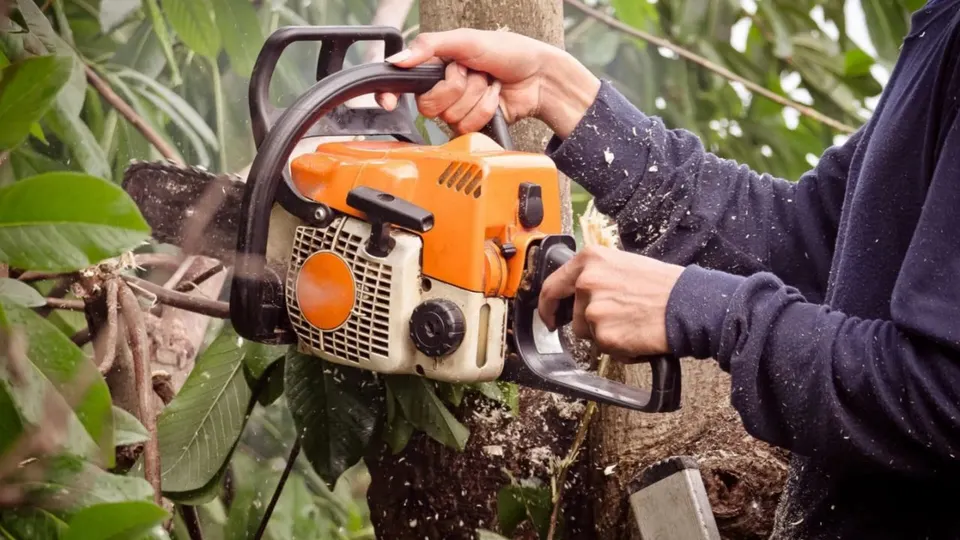
We plan the drop or piece the tree down in sections around houses and fences, haul the wood and debris, and can grind the stump and restore the area.
What’s included
Every tree removal job covers this.
Written into your estimate, so you know exactly what the crew will do before anyone shows up.
Get a Tree Care Estimate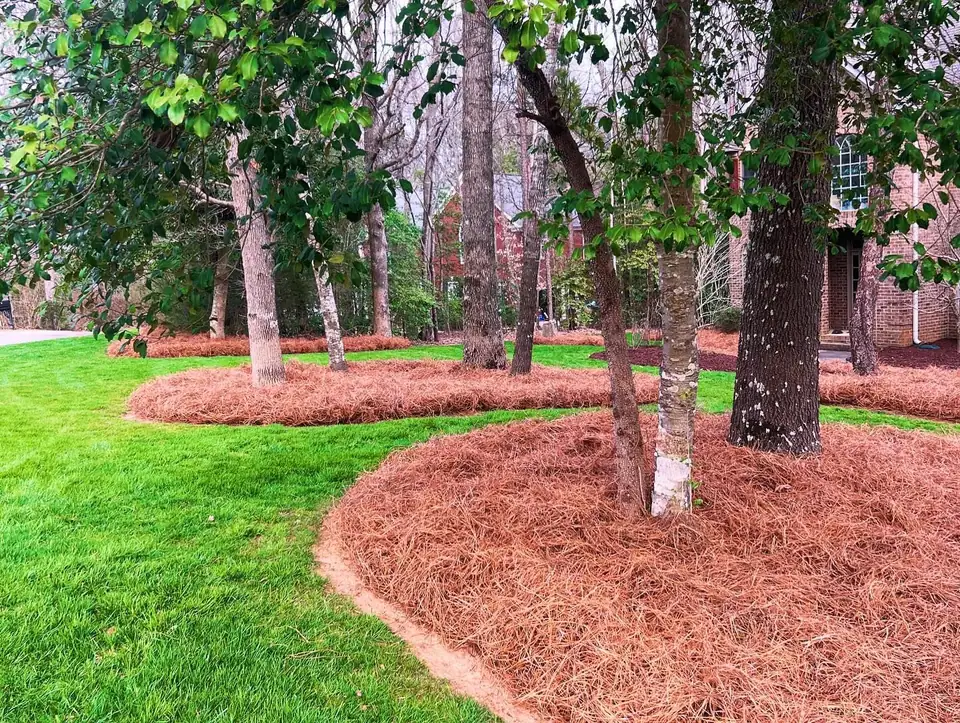
02
Debris and wood haul-off
03
Stump grinding
04
Area restoration
When to call
Signs it’s time.
- Dead or dying trees
- Trees leaning toward the house
- Roots lifting the drive
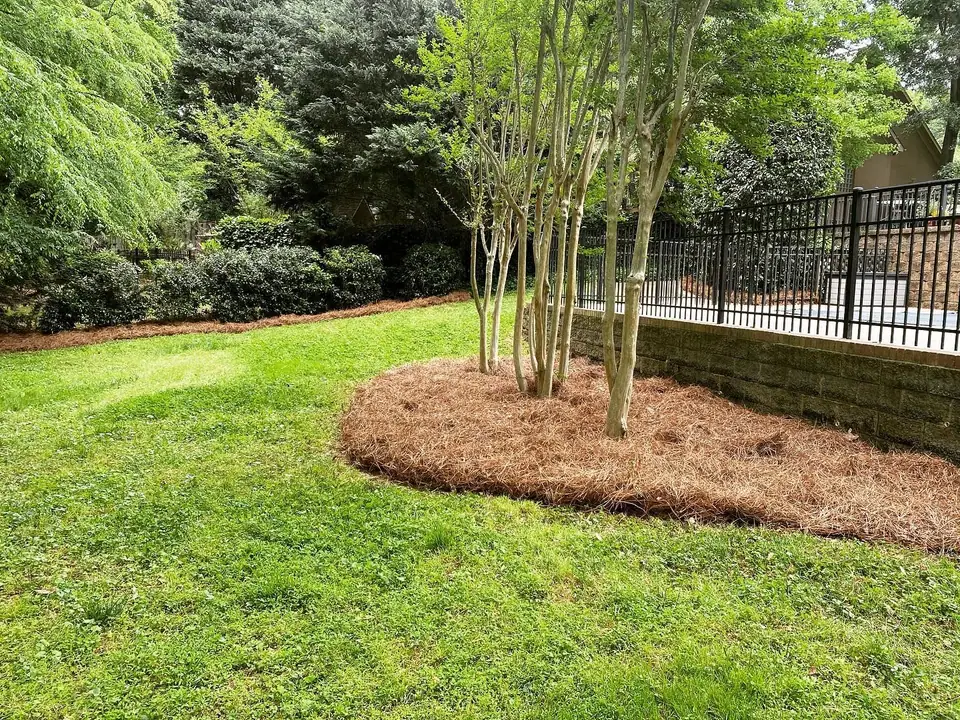
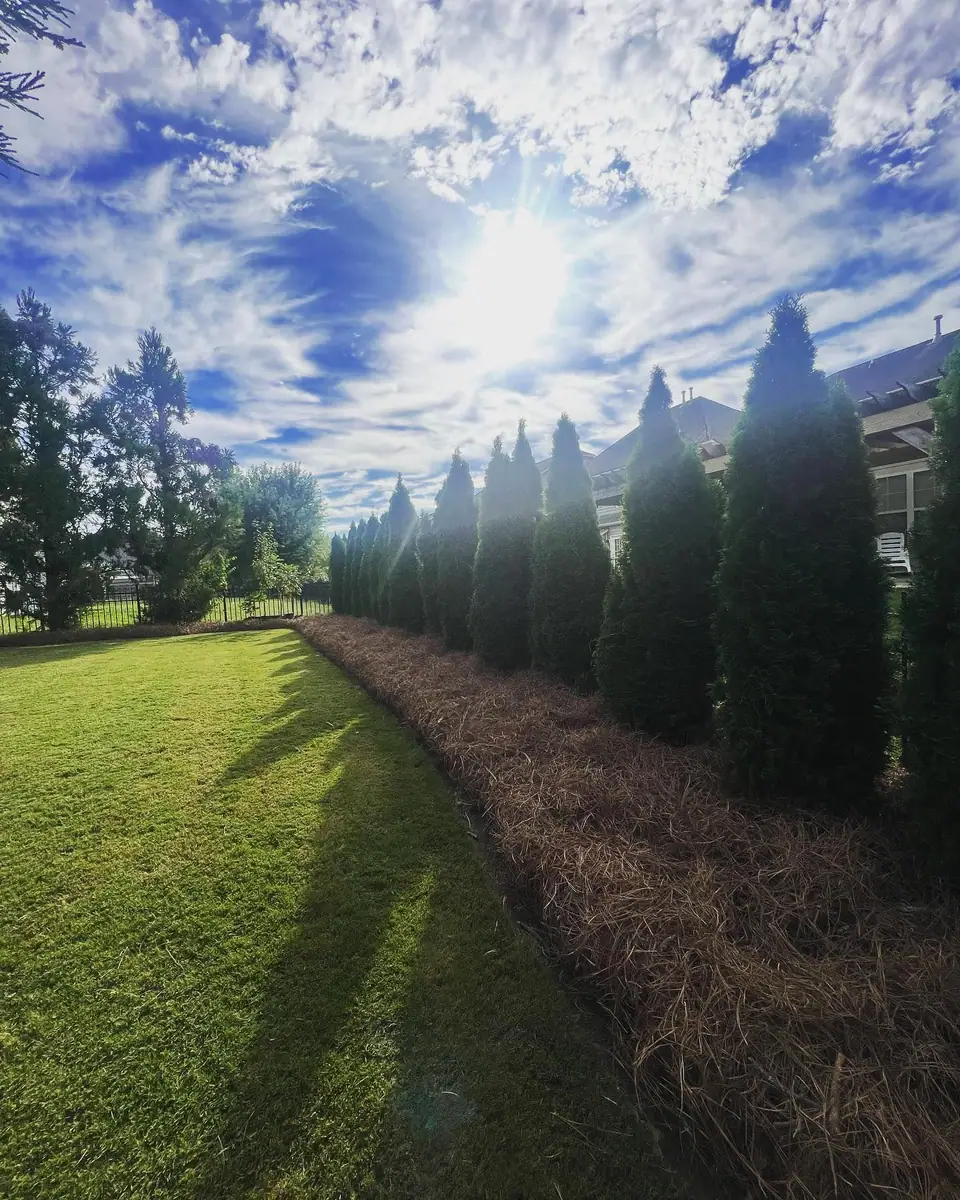
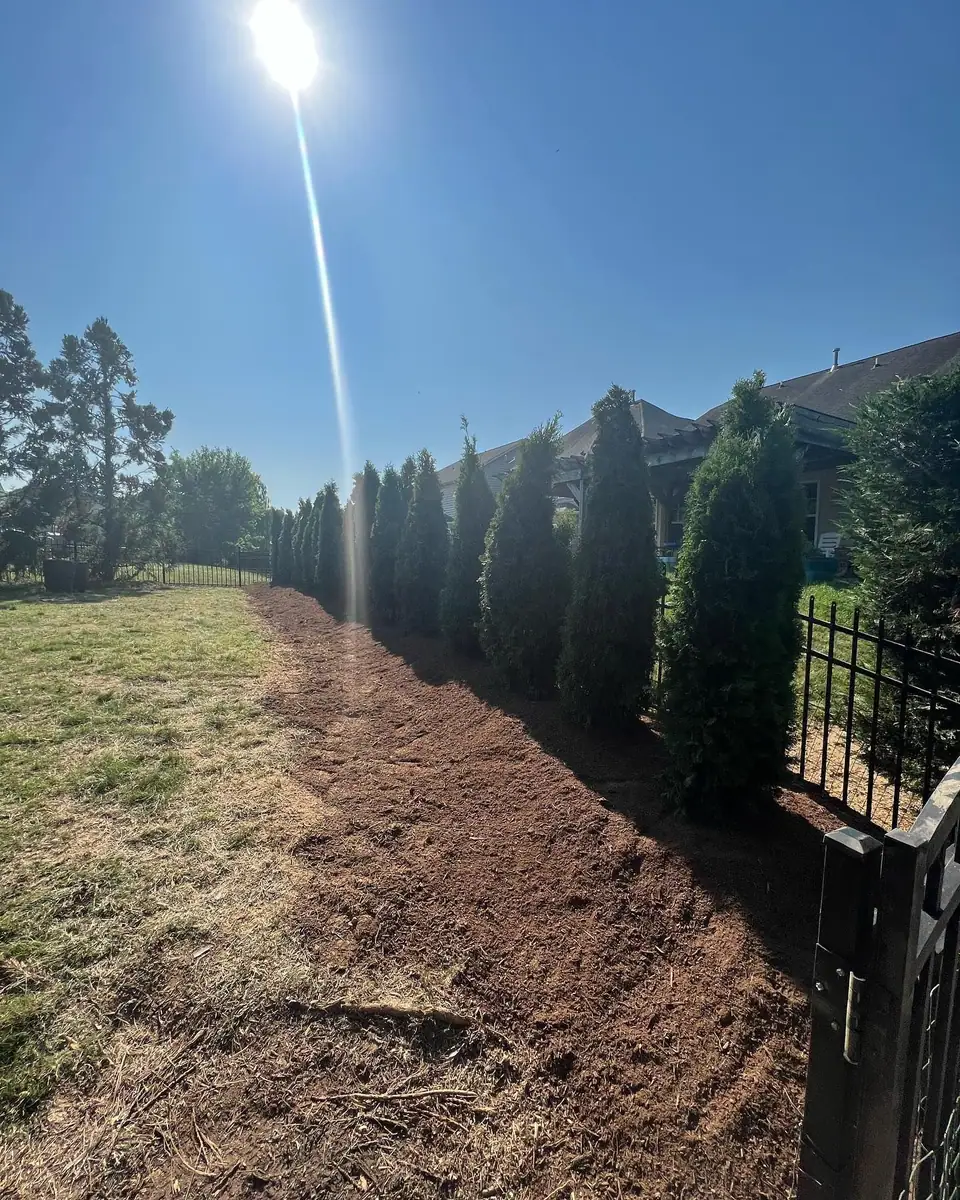
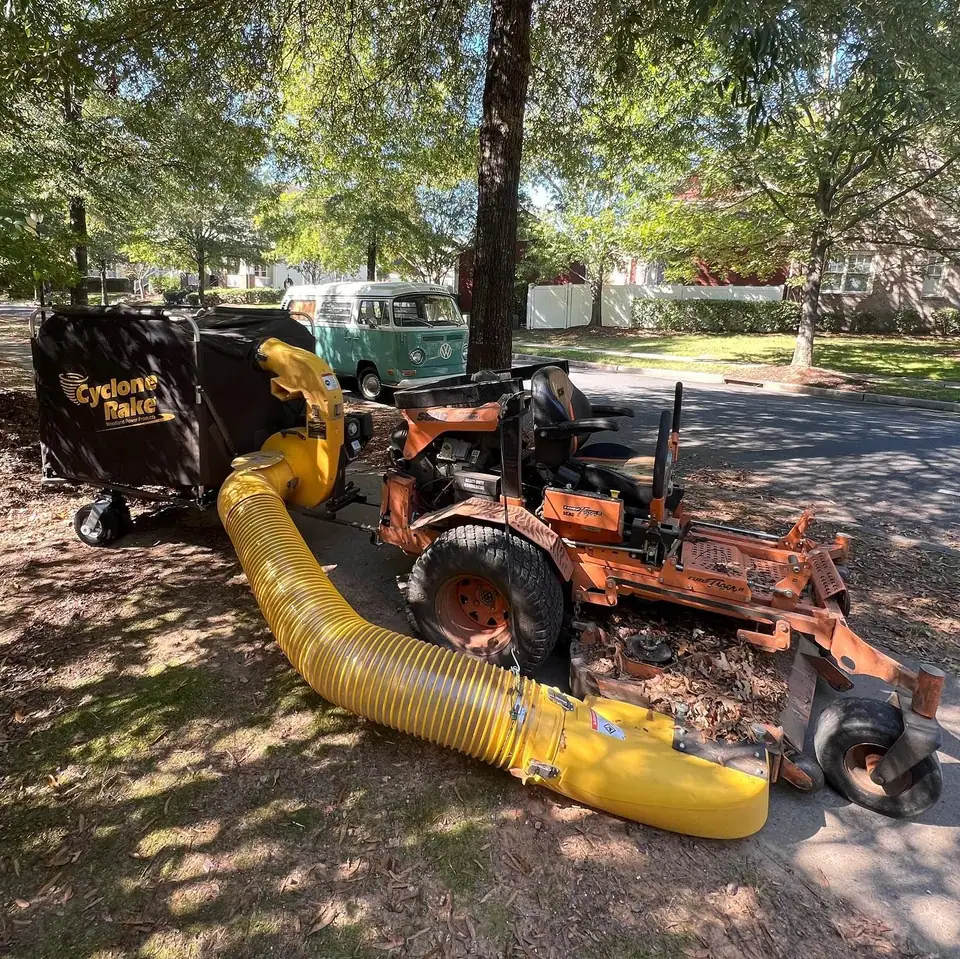
Recent work
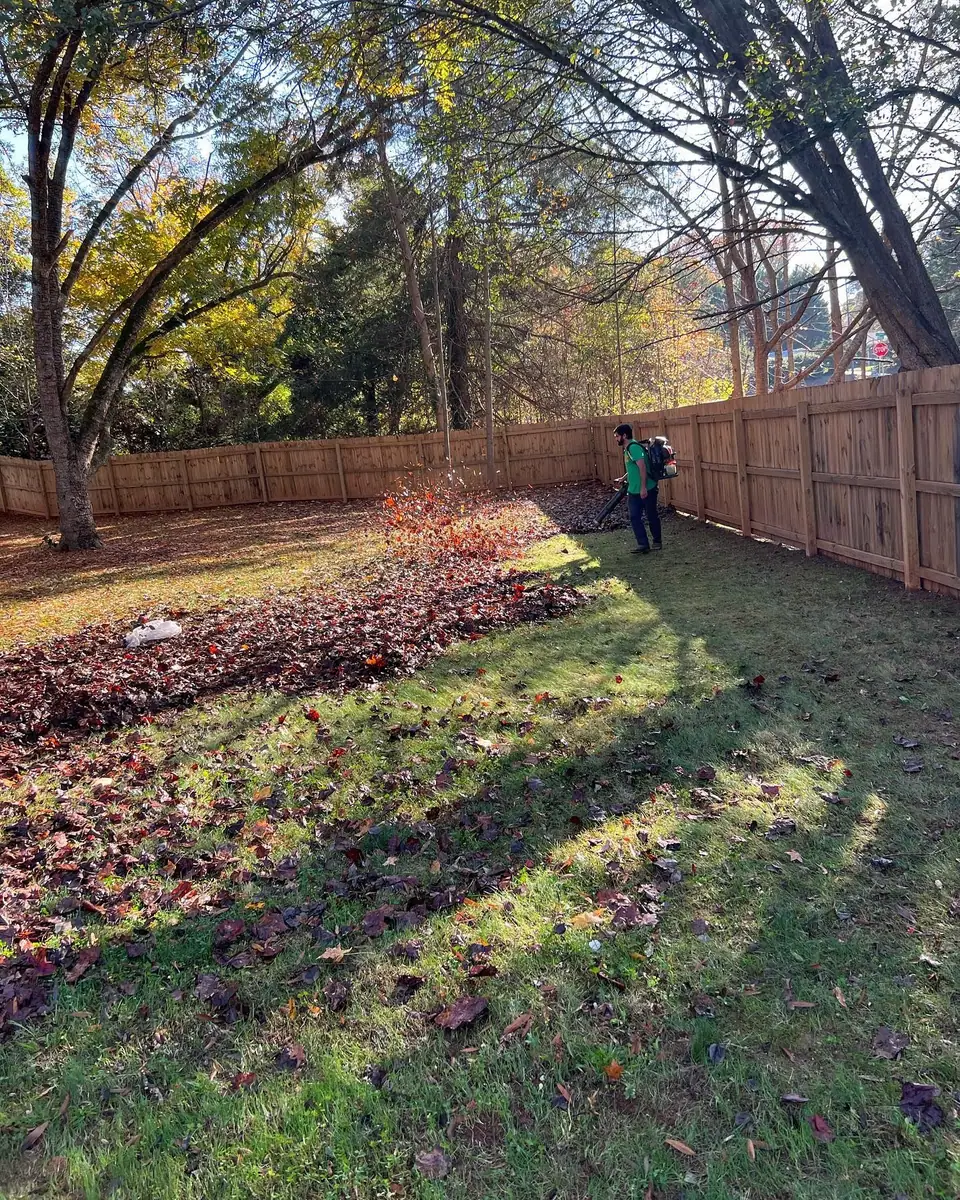
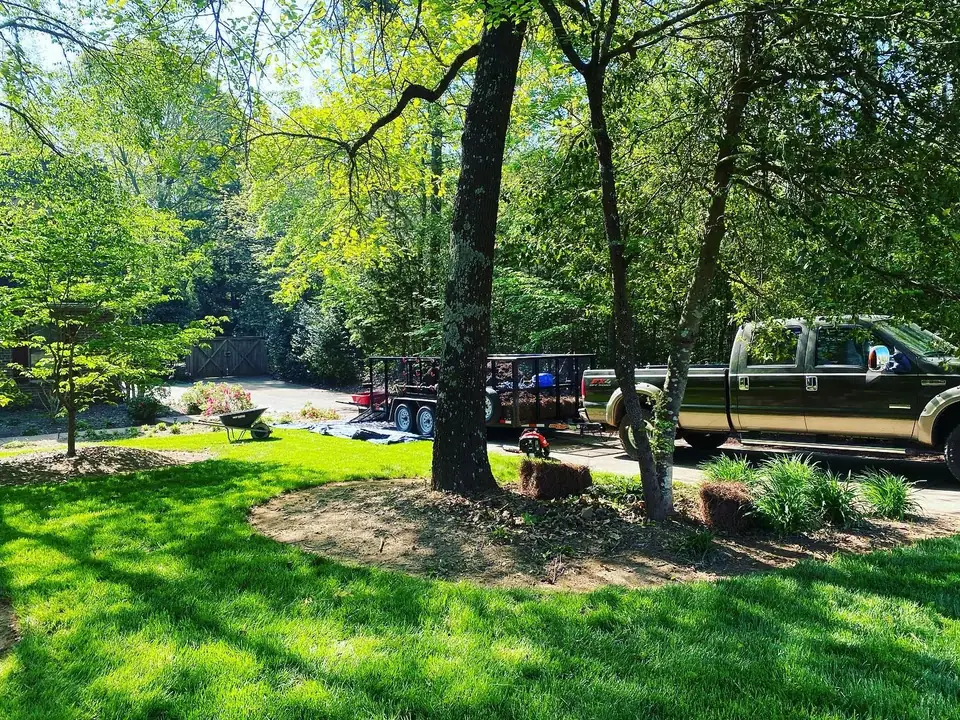
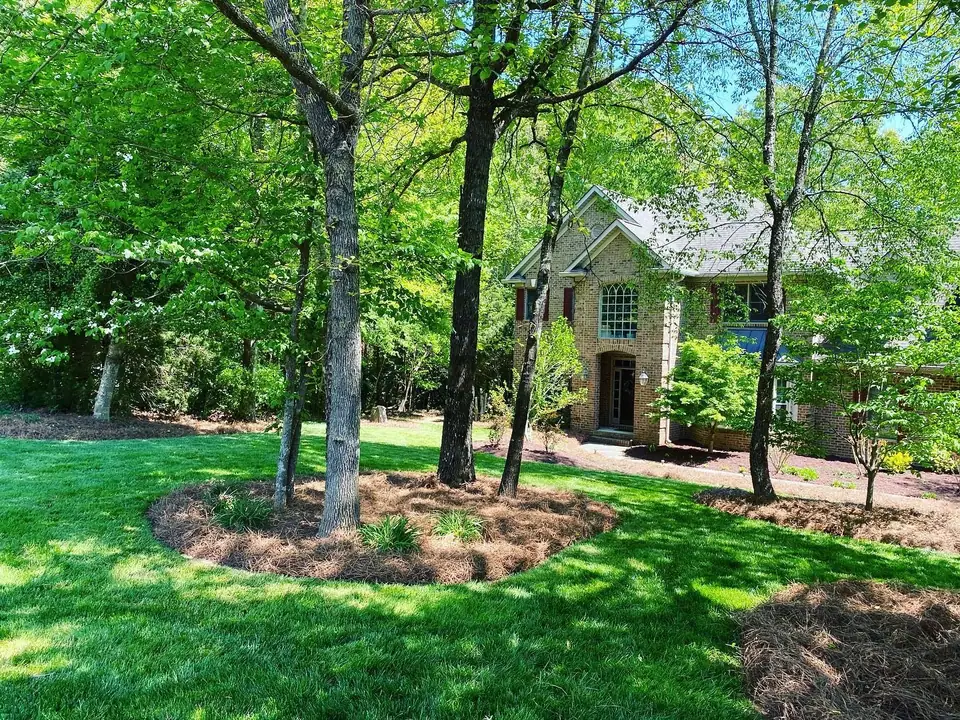
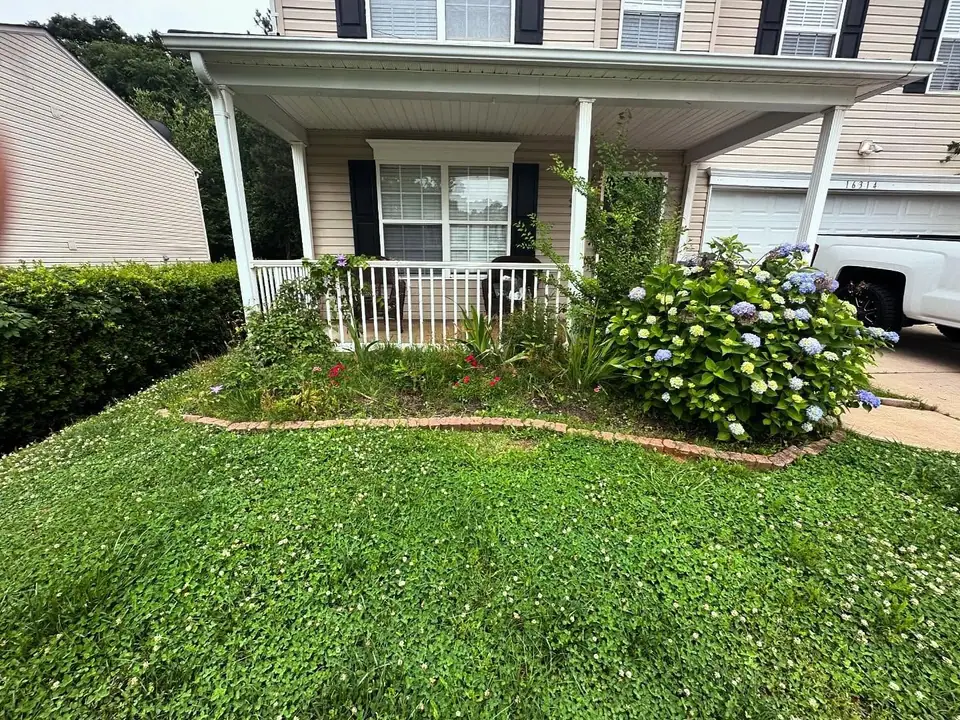
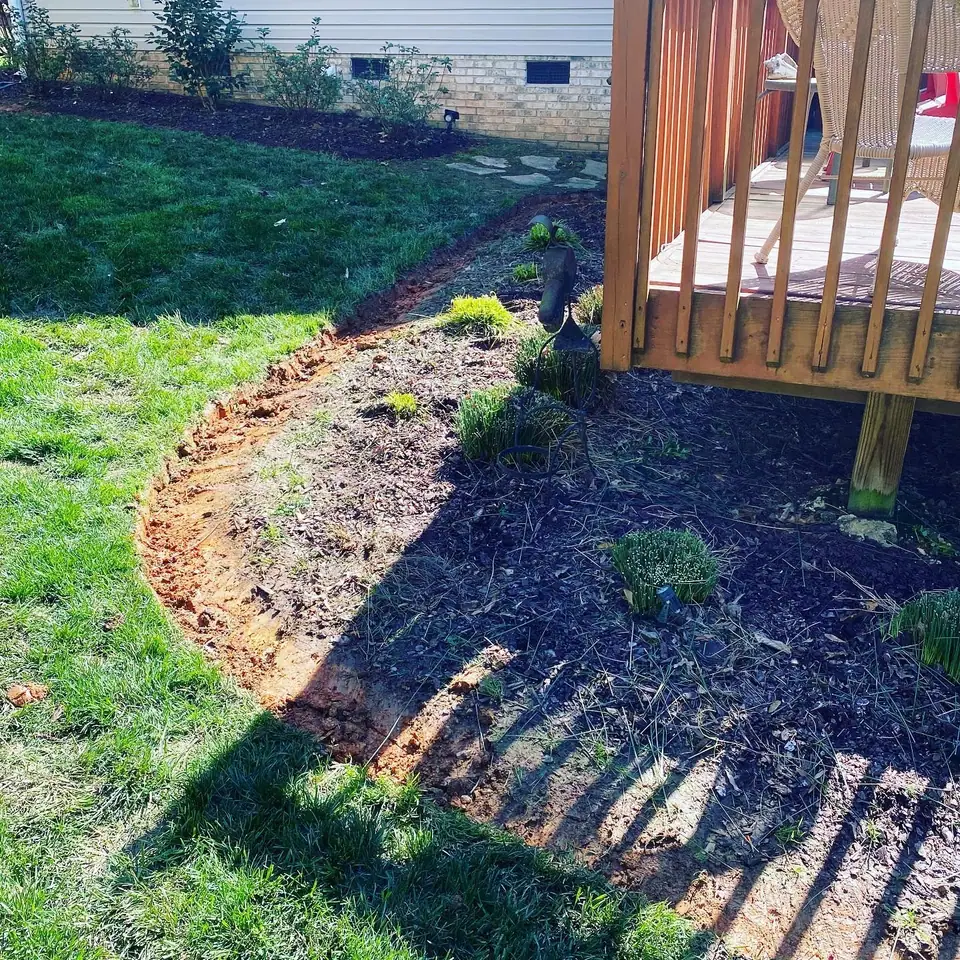
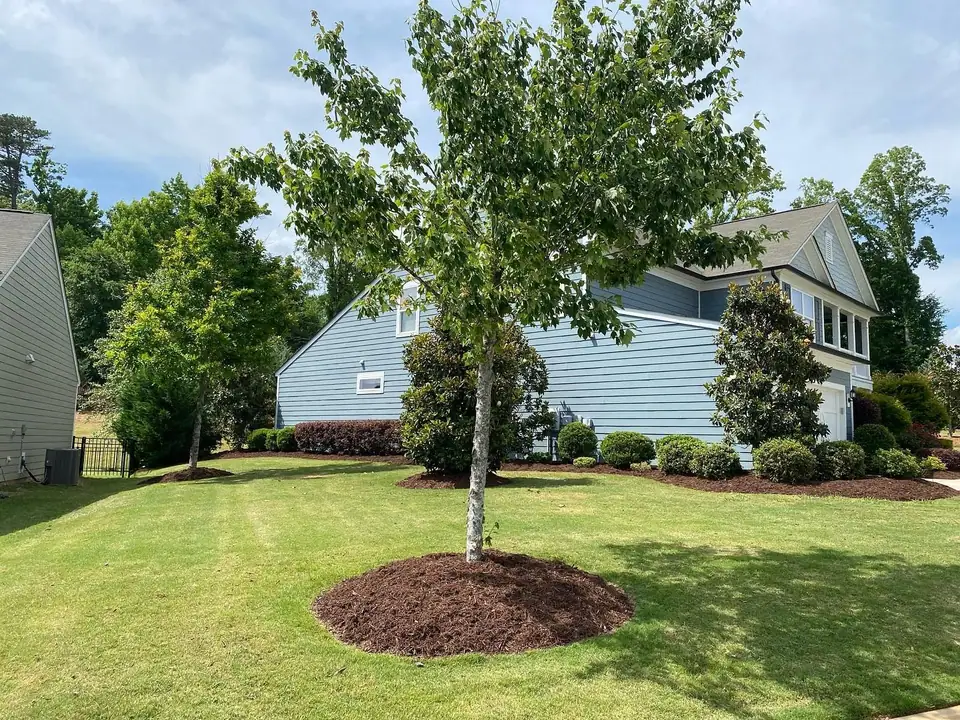
From our crew’s camera.
Related services
More tree maintenance services.
Tree Trimming & Pruning
Thin, raise and clean up canopies for safety, light and healthy growth.
Learn more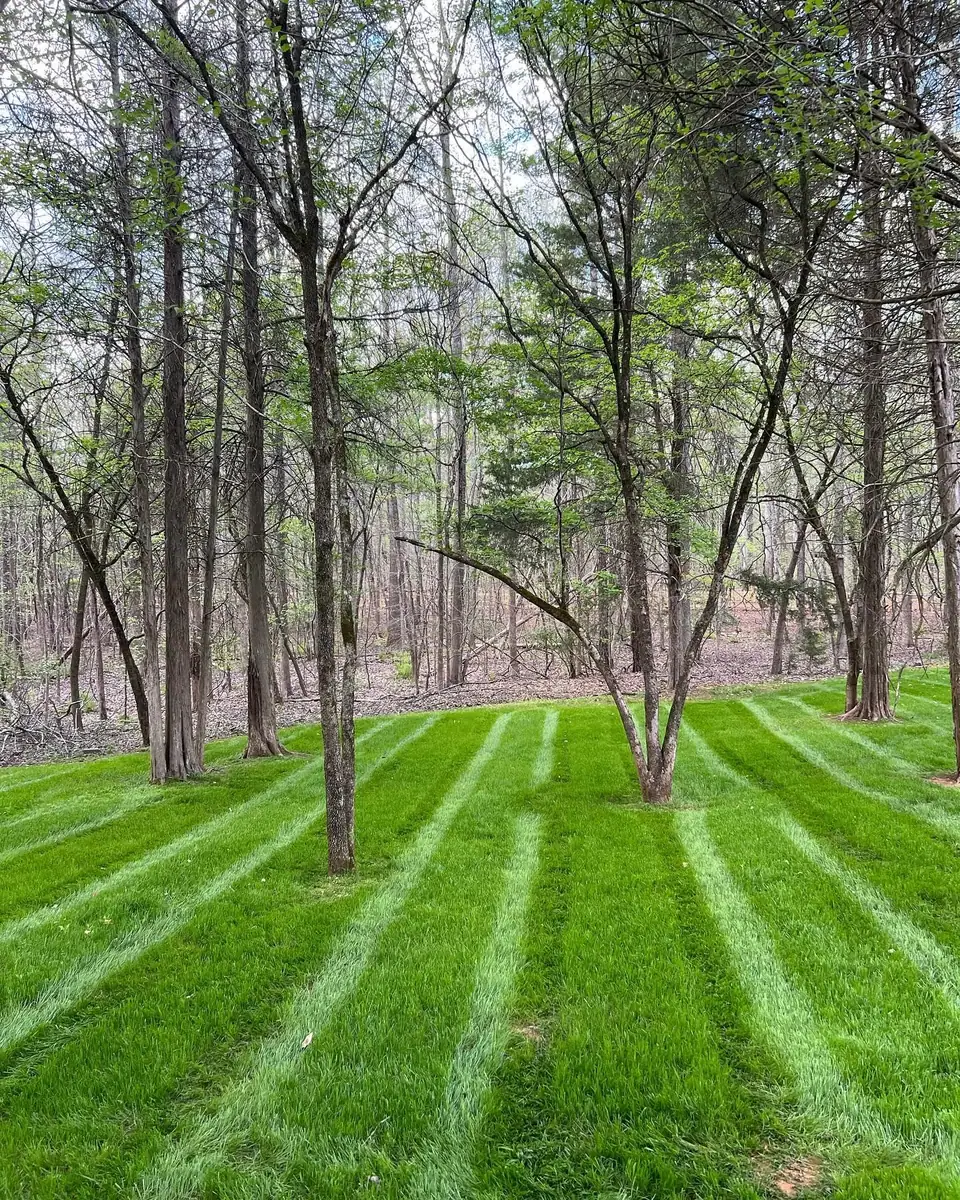
Stump Grinding
Grind stumps below grade so the spot can be seeded, sodded or replanted.
Learn more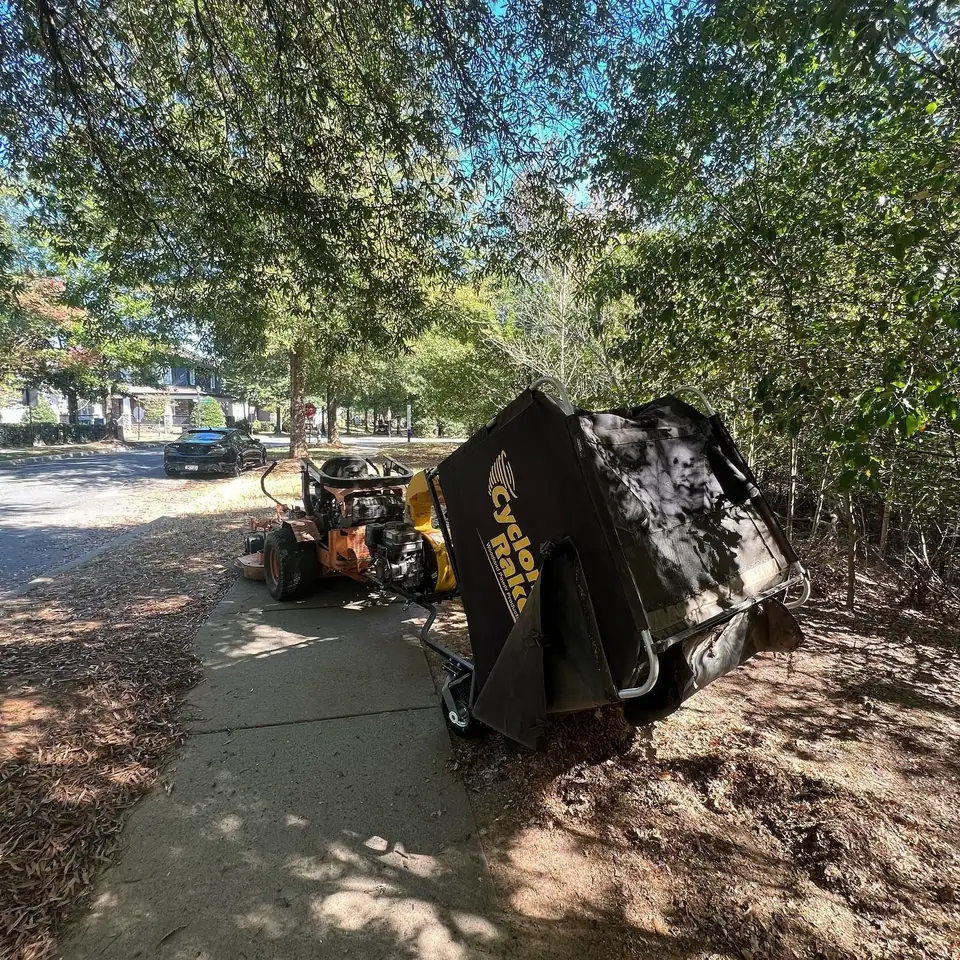
Storm Damage Cleanup
Fast removal of downed limbs and debris after storms, then cleanup and haul-off.
Learn more
Tree Health & Disease Treatment
Spot early signs of decline, prune out disease and treat with licensed applications.
Learn moreTree removal in Waxhaw, NC: safe removals with no mess left behind
The short answer
Safe tree removal starts with a plan: assessing the tree's lean, condition and surroundings, then either felling it in one piece where there is room or taking it down in sections around houses, fences and other structures. The wood and debris are hauled away, the stump can be ground below grade, and the area is restored with soil and seed, sod or plantings.
01When does a tree need to be removed?
Removal is the right call when a tree is dead or dying, structurally unsound, or causing problems that can't be fixed with pruning. Common reasons include trees that are dead or mostly dead, trees with large cracks, cavities or decay in the trunk, trees leaning toward the house after storms or root damage, trees whose roots are lifting driveways or threatening foundations, trees crowding out better trees nearby, and trees in the way of a planned project.
Sometimes a tree is healthy but simply in the wrong place. That is a legitimate reason too.
- Dead or dying: no longer leafing out or heavily declined
- Hazardous: cracks, decay, cavities or a dangerous lean
- Damaging: roots lifting drives or threatening structures
- Storm damaged: split trunks or major canopy loss
- In the way: blocking a project or crowding other trees
02How is a tree removed safely?
Every removal starts with an assessment of the tree's height, lean, condition and what is around it: houses, fences, driveways, power lines, other trees and gardens. Where there is enough open space, a tree can be felled in one piece with a controlled notch and back cut so it falls along a planned line.
Near structures, trees are taken down in sections, removing limbs and then the trunk piece by piece, and lowering pieces with rigging where needed so nothing drops on the roof or fence. Trees touching utility lines are left to the utility company.
03What happens to the wood and stump?
Branches and debris are hauled away. The trunk wood can be removed or cut into firewood lengths and stacked if you would like to keep it. The stump can be left at ground level or ground below grade with a stump grinder, then the area is filled with topsoil and restored with seed, sod or new plantings so the spot blends into the yard.
04Do I need a permit to remove a tree?
On most private residential lots in Union County and the surrounding areas, removing a tree on your own property doesn't require a permit, but rules vary by municipality and HOA. Many planned communities in Waxhaw, Weddington, Marvin, Fort Mill and Tega Cay require HOA approval before removing trees, especially in front yards or buffer areas. Trees in designated buffers or protected areas may have restrictions. Check with your town and HOA before scheduling a removal.
05Should a tree be replaced after removal?
Replacing a removed tree, in a better location or with a species better suited to the site, keeps shade, privacy and property value. Choose a tree sized for the space at maturity and plant it away from the old stump location and the house. Fall is the best planting season in the Charlotte area. Galloway Scapes can recommend and plant replacement trees as part of the same project.
06How long does a tree removal take?
Most single-tree removals on residential lots are completed in a day, including cleanup and haul-off. Large trees close to the house, trees that must be taken down in many small sections, and properties with difficult access can take longer, and several removals may be scheduled across multiple days. Stump grinding and lawn restoration can follow the same day or on a later visit. Weather matters too: high winds pause climbing and rigging work, and saturated ground can delay equipment so it doesn't rut the lawn. You get a realistic timeline in the written estimate.
How it works
Four steps. No surprises.
From the first call to the final cleanup, you deal with the same owner-run crew.
Call or send the form
Tell us what’s bothering you about the yard. We get back to you within 24 hours.
Walk the property
We look at slope, soil, drainage paths, turf type and how you actually use the space. No guessing from a photo.
A written estimate
You get a plain-language scope and price. No surprise add-ons after the crew shows up.
Owner-led work and cleanup
Terry is on the job. Beds edged, debris hauled off and the driveway blown clean before we leave.
Tree Removal near you
FAQ
Tree Removal: questions, answered.
How much does tree removal cost in Waxhaw, NC?
Tree removal cost depends on the tree's height and trunk diameter, species, condition, lean, how close it is to the house, fences or other structures, whether it can be felled in one piece or must be taken down in sections, access for equipment, and whether stump grinding, wood removal and area restoration are included. A small tree in an open yard is far less involved than a large oak leaning over a roof. Dead and hazardous trees can also require more care. Galloway Scapes provides a free written estimate after evaluating the tree, and we are licensed, bonded and insured.
Is it safe to remove a tree near my house?
Yes, when the removal is planned and performed correctly. Trees close to houses are taken down in sections rather than felled in one piece, removing the limbs first and then the trunk in manageable pieces. Rigging is used to lower heavy pieces under control when needed so nothing falls onto the roof, gutters, deck or fence. The crew plans the work zone and keeps people and pets clear. Galloway Scapes is licensed, bonded and insured for this work. Trees in contact with utility lines should be handled by the utility or qualified line-clearance crews first.
Who is responsible for a tree that falls from my neighbor's yard?
Responsibility depends on the circumstances and your insurance policies. In many cases, if a healthy tree falls due to a storm, each homeowner's insurance covers damage to their own property regardless of where the tree stood. If the tree was visibly dead or hazardous and the owner was aware of the problem, responsibility may shift to the owner. Laws and policy terms vary, so contact your insurance company for guidance. If you are concerned about a neighbor's tree, document its condition and consider discussing it with them. Galloway Scapes can assess trees and provide written documentation of their condition.
Do you grind the stump after removing a tree?
Yes. Stump grinding can be included with any Galloway Scapes tree removal. After the tree comes down, the stump is ground below grade, the chips are cleaned up, the hole is filled with topsoil and the area is seeded, sodded or prepared for new plantings so the spot blends into the lawn. If you prefer, the stump can be cut close to the ground and left. Handling removal, grinding and restoration in one project means one crew, one schedule and no leftover mess.
Can a leaning tree be saved instead of removed?
It depends on why the tree is leaning. Many trees grow with a natural lean toward the light and are perfectly stable for decades. A lean becomes a concern when it is new or increasing, especially after a storm, when soil is cracking or heaving on the side opposite the lean, when roots are lifting out of the ground, or when the tree is leaning toward the house or a frequently used area. Those signs indicate the root system may be failing, and removal is usually the safest choice. Galloway Scapes evaluates leaning trees and tells you honestly whether pruning will help or removal is needed.
We had several landscaping projects completed at our property, including new sod installation, mulching, and drainage work, and I couldn’t be happier with how everything turned out. The sod installation completely transformed the appearance of our yard.
We contacted Galloway Scapes for lawn leveling and are very pleased with their service. Terry and his crew are incredible and did a great job on our lawn! They arrived on schedule and did a thorough job.
Terry and his crew are the best! He is attentive, professional, and knowledgeable. I have a fast growing weed in my lawn and he works diligently on keeping it under control.
Reliable, efficient, and professional, with great attention to detail. Everything looked clean, green, and well cared for.
Very good, consistent service. They are responsive when asked about things and address concerns as they arise.
Reliable, punctual, creative, clean, and professional throughout the process. I really appreciated how easy they made everything.
Knowledgeable and skilled approach to lawn maintenance and yard landscaping, with meticulous attention to detail. Fair pricing combined with outstanding results.
Free estimate
Tell us about your tree removal project.
A few quick details. We reply within 24 hours, usually sooner, and we walk the property before we price anything.
(803) 487-5240Mon–Sat, 7 AM–7 PM · call or text
- Free, written estimates with no obligation
- Owner Terry Galloway on every project
- Licensed, bonded & insured · NC & SC Pesticide License