
01
Grading
Yard Leveling
A level yard mows cleaner, drains better and feels better underfoot.
★★★★★ 4.9 on Google · 16 reviewsLicensed, bonded & insuredOwner on every jobFree written estimates

Our approach
Talk it through with Terry →
How we approach yard leveling.
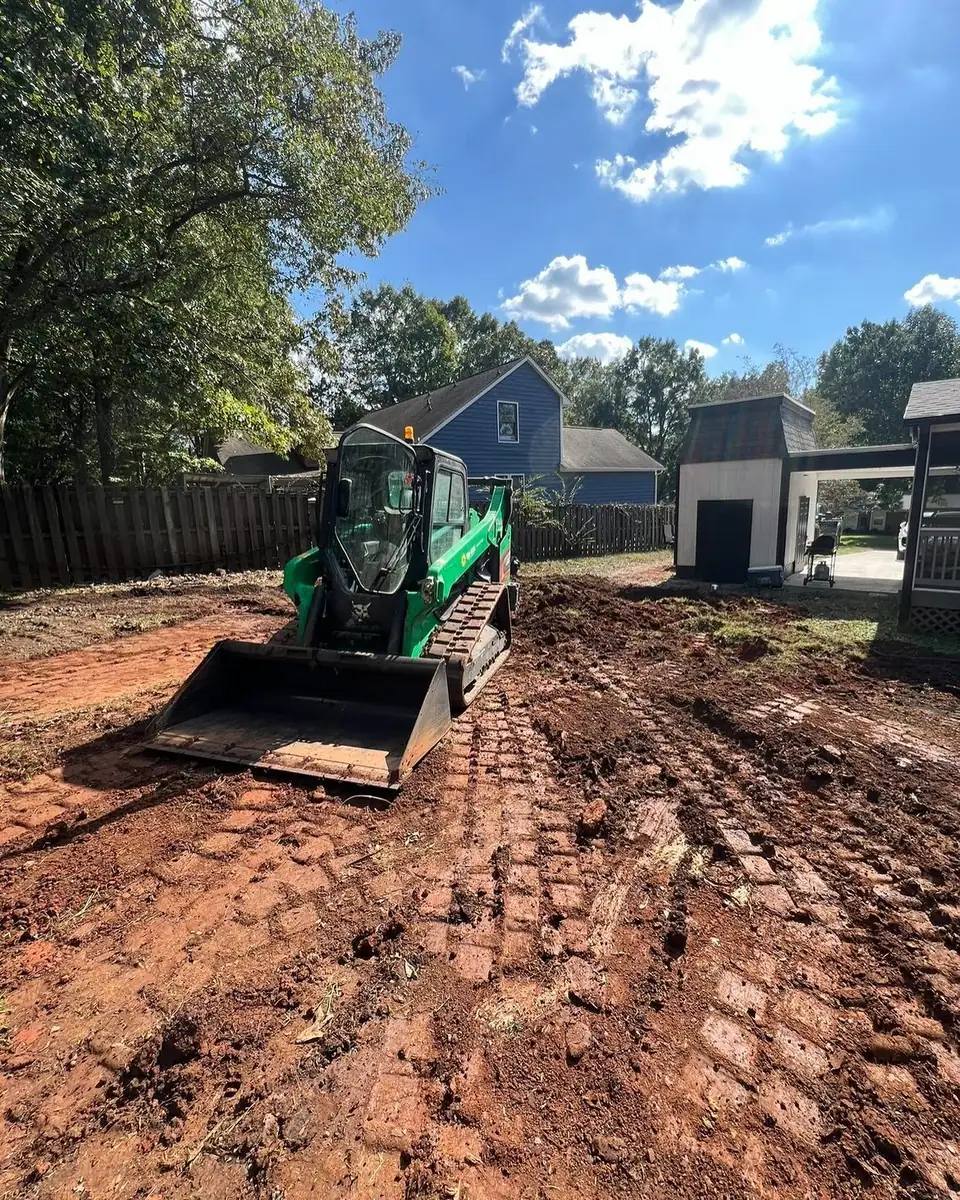
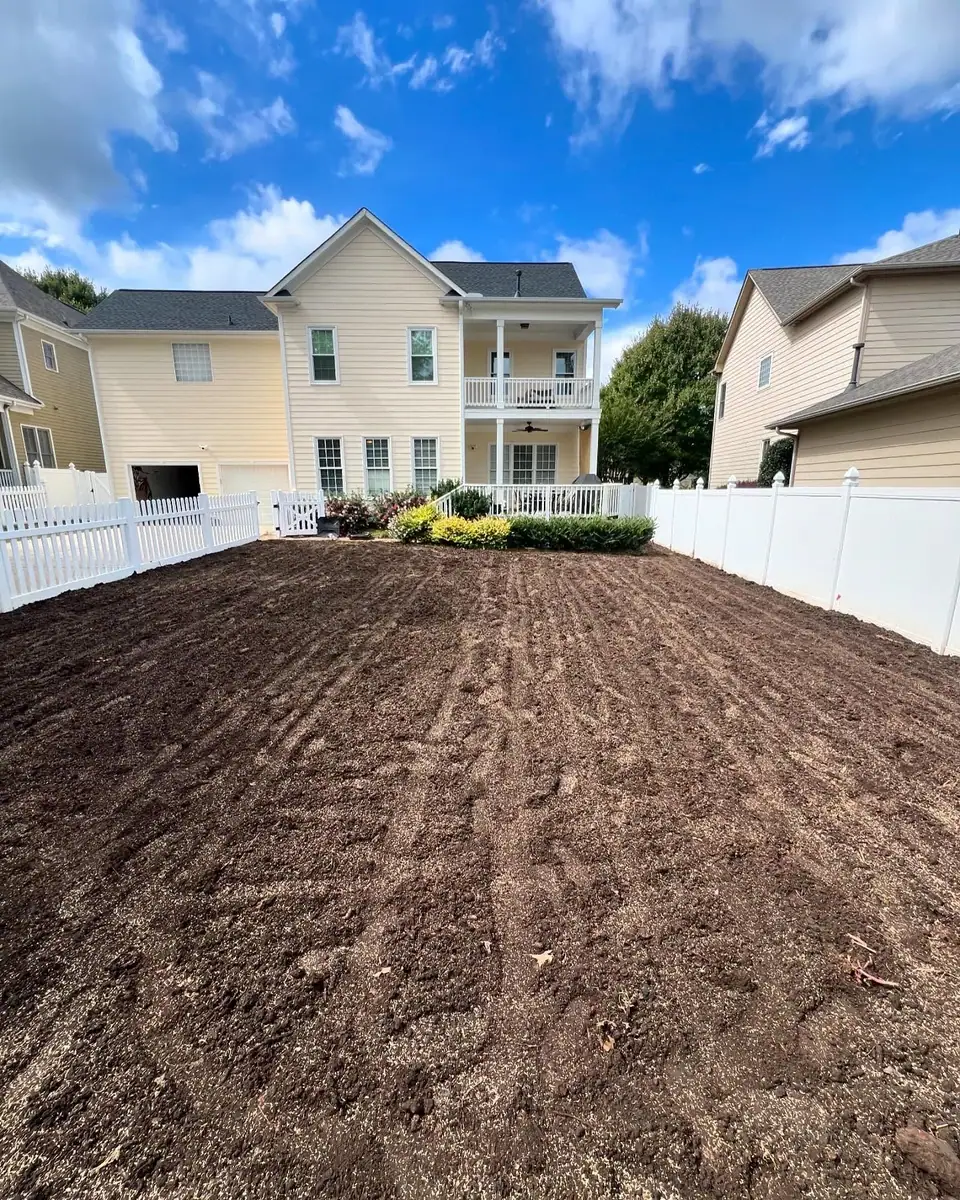
We cut high spots, fill low ones with quality soil, keep positive slope for drainage, and finish with seed or sod. For minor bumps, topdressing and leveling without full regrading may be enough — we’ll tell you which.
What’s included
Every yard leveling job covers this.
Written into your estimate, so you know exactly what the crew will do before anyone shows up.
Get a Grading Estimate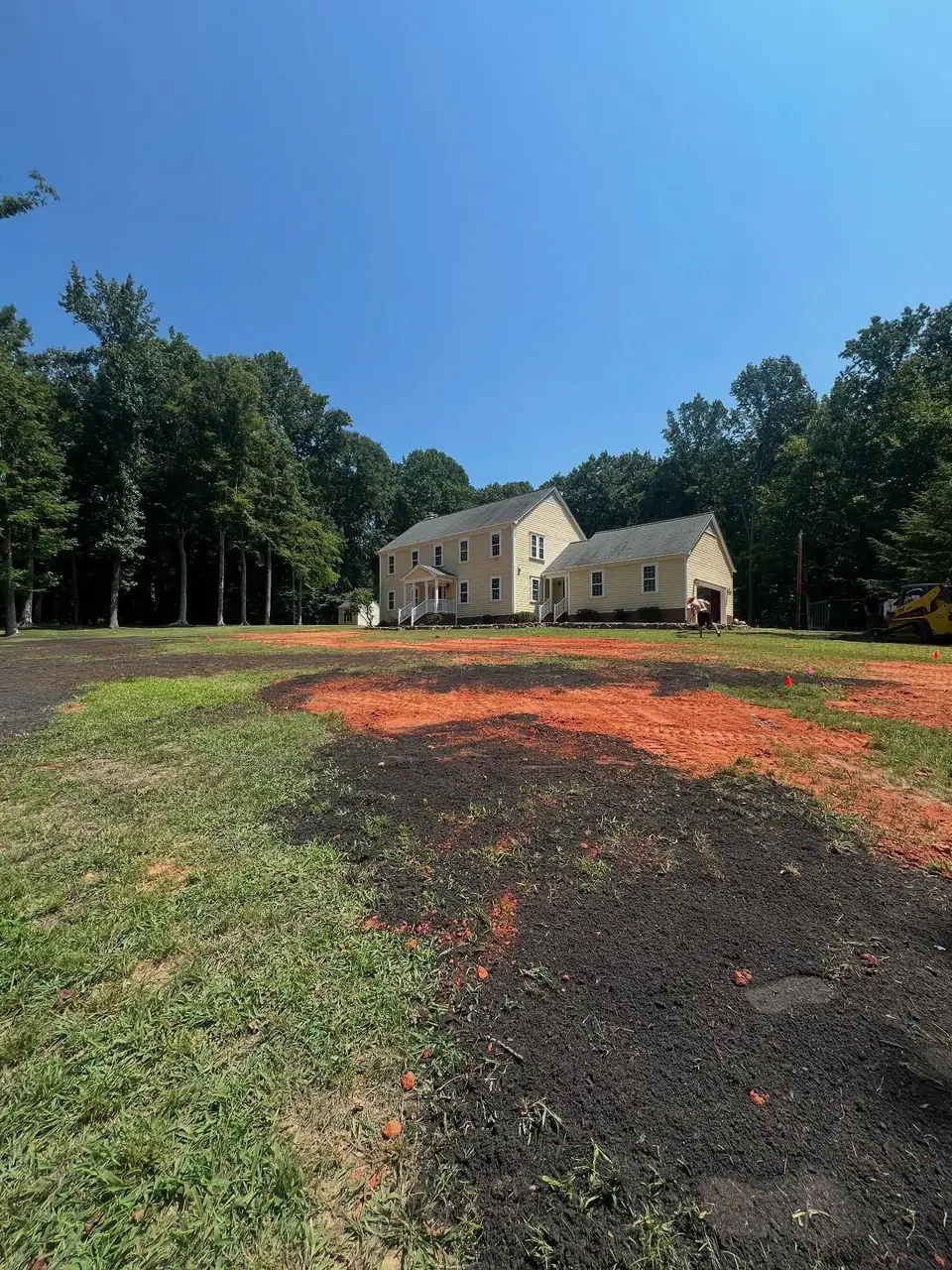
02
Topdressing
03
Drainage slope
04
Seed or sod finish
When to call
Signs it’s time.
- Scalped high spots
- Ankle-twisting holes
- Puddles in low spots
Recent work
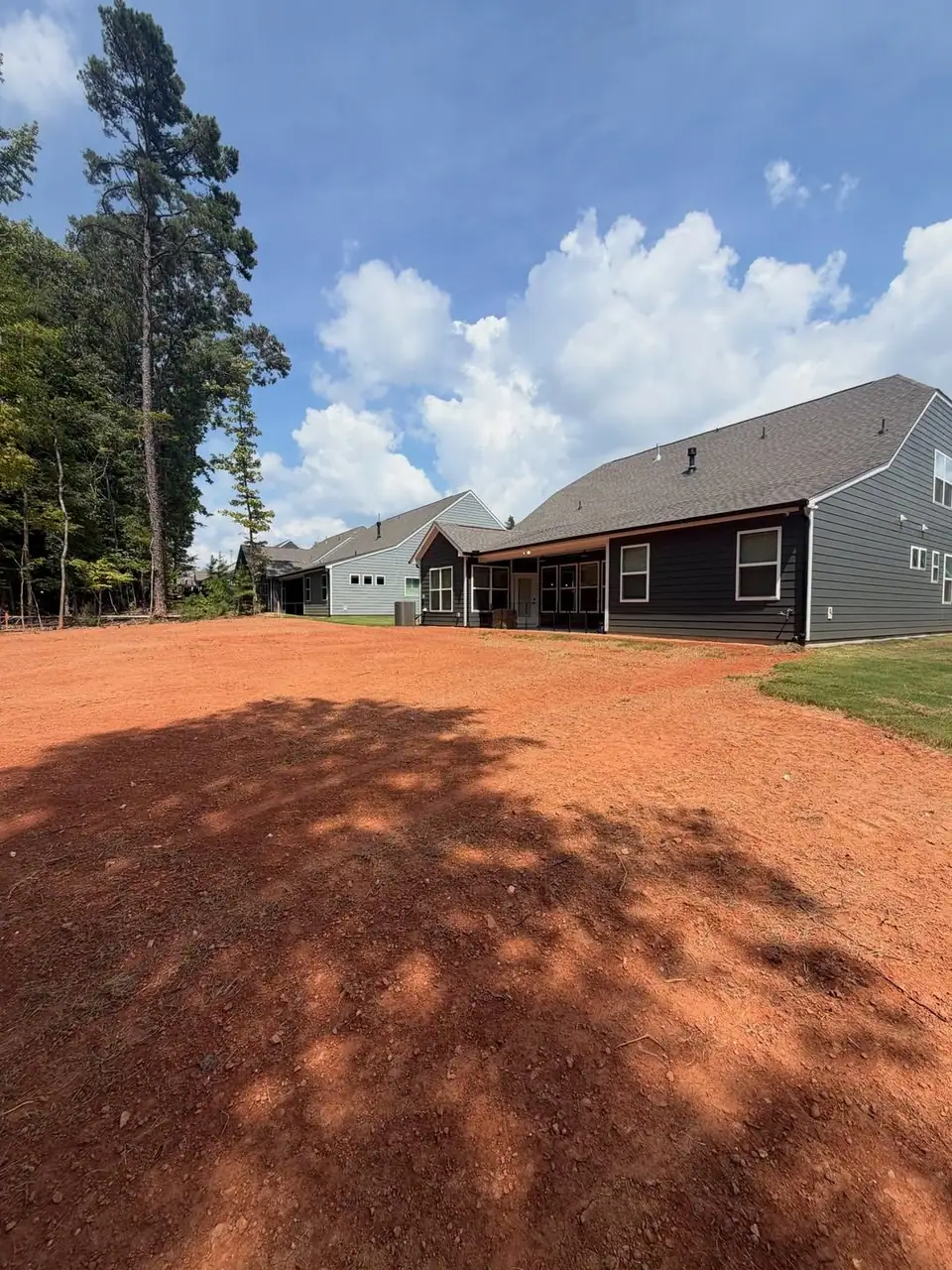
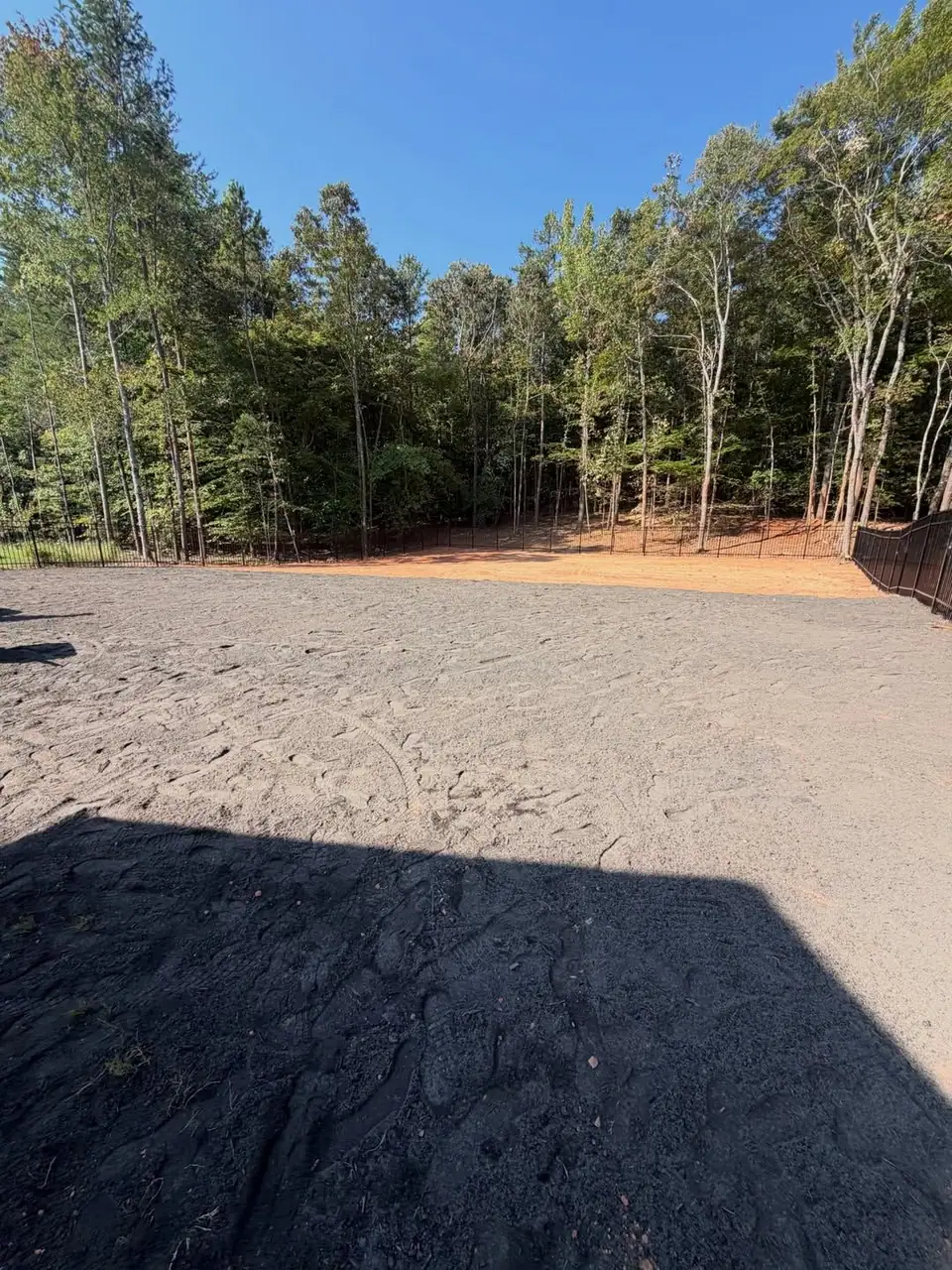
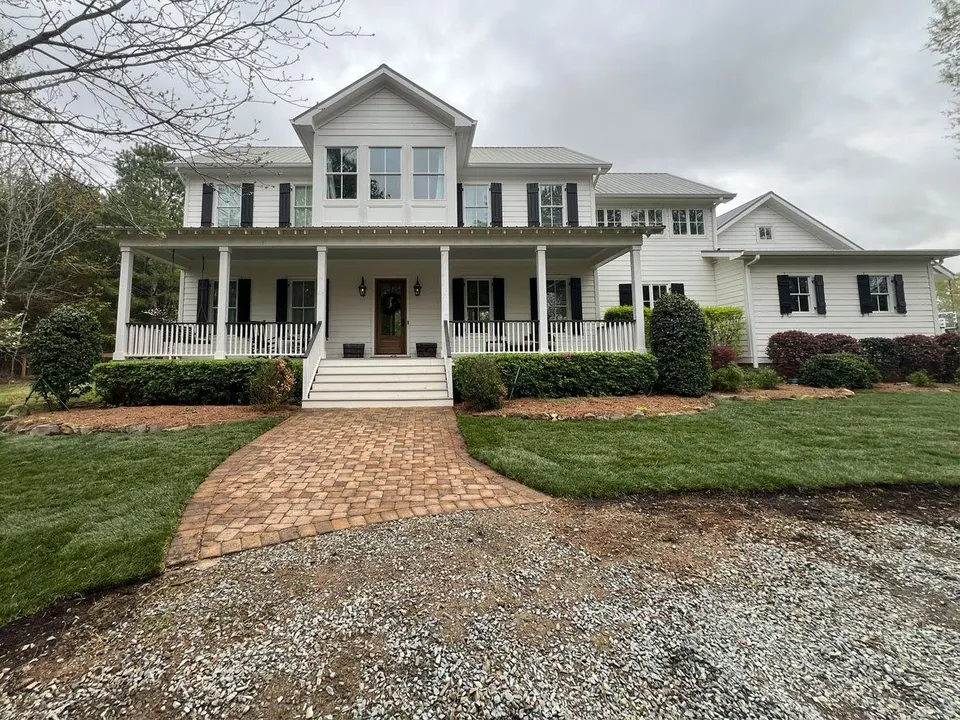
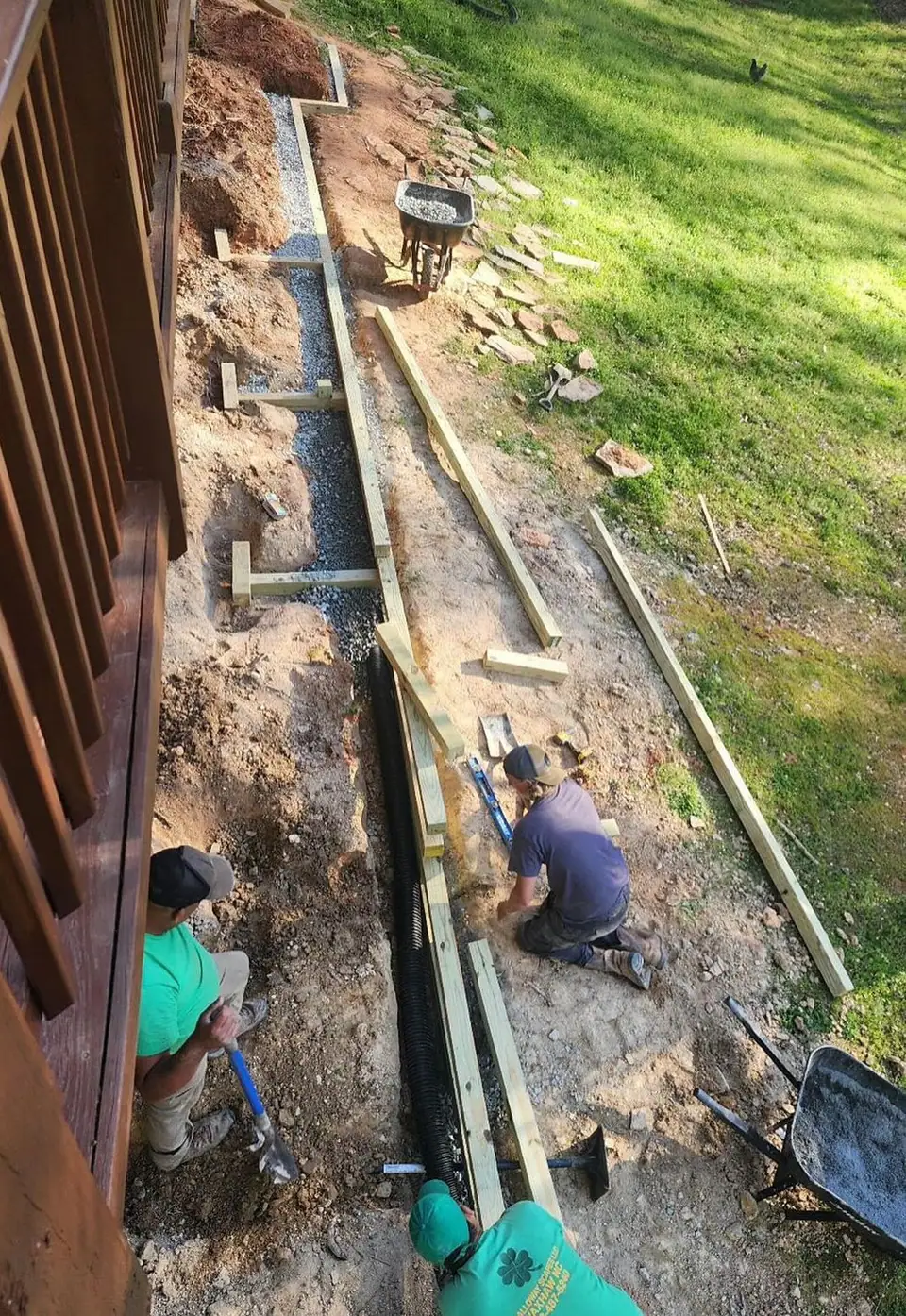
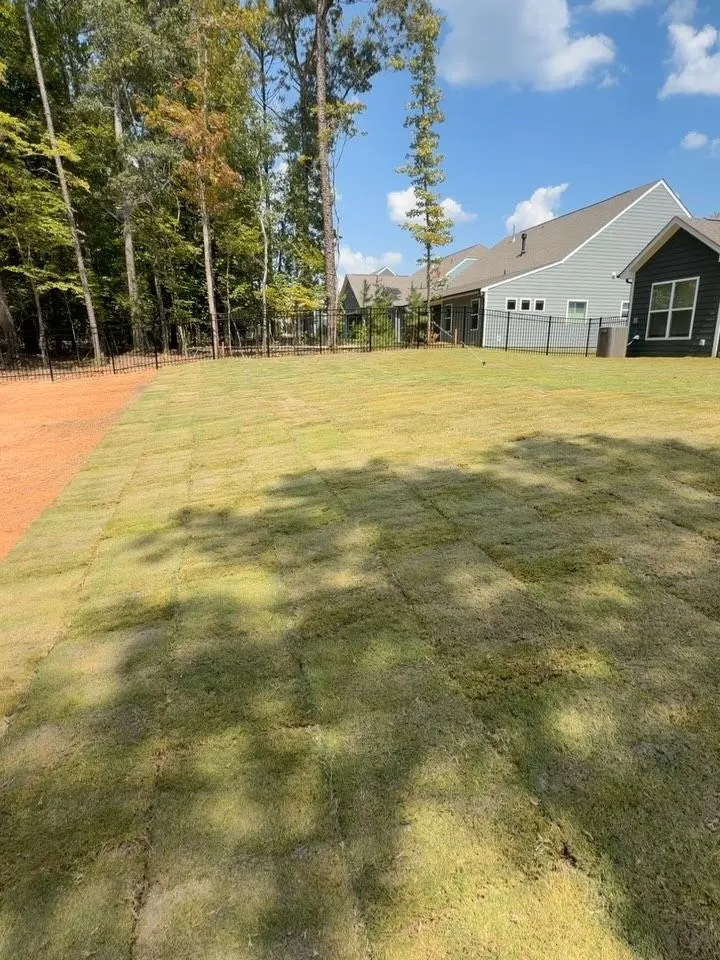
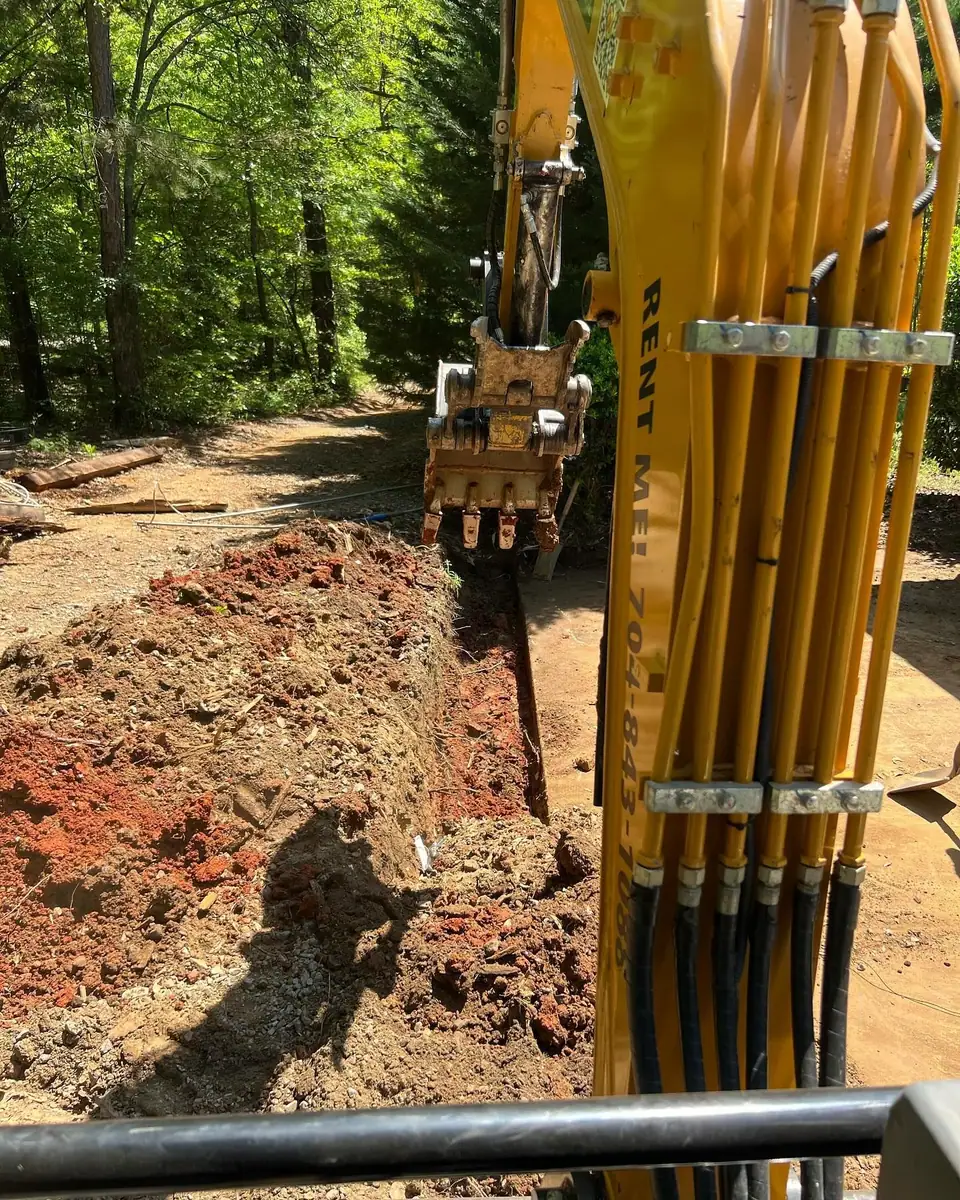
From our crew’s camera.
Related services
More grading services.
Drainage Grading
Reshape the ground so water flows away from your home and off the property.
Learn more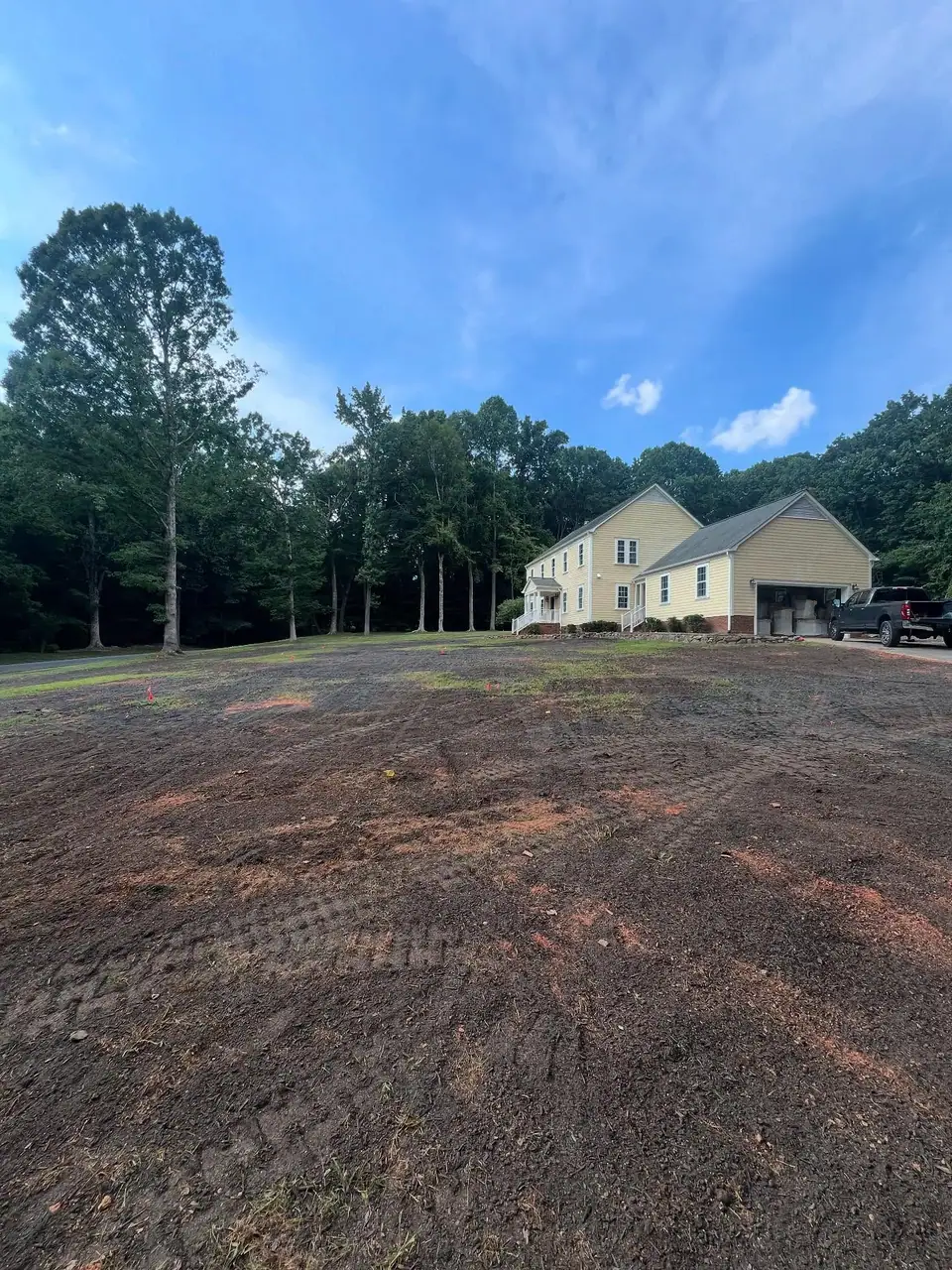
Land Clearing
Clear brush, small trees and debris to open up usable space.
Learn more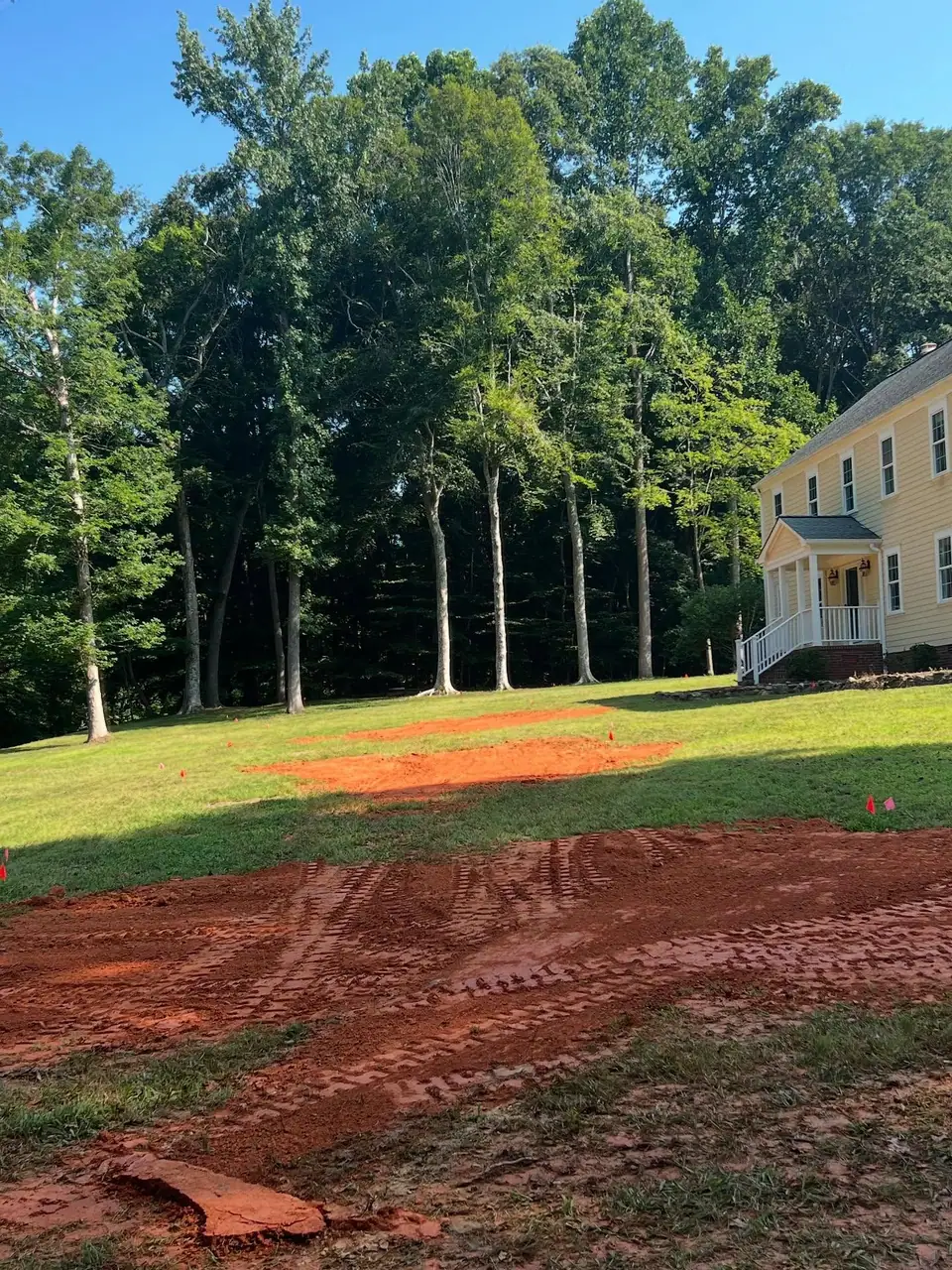
New Construction Grading
Final grade and site prep for new builds so the lawn and foundation start right.
Learn more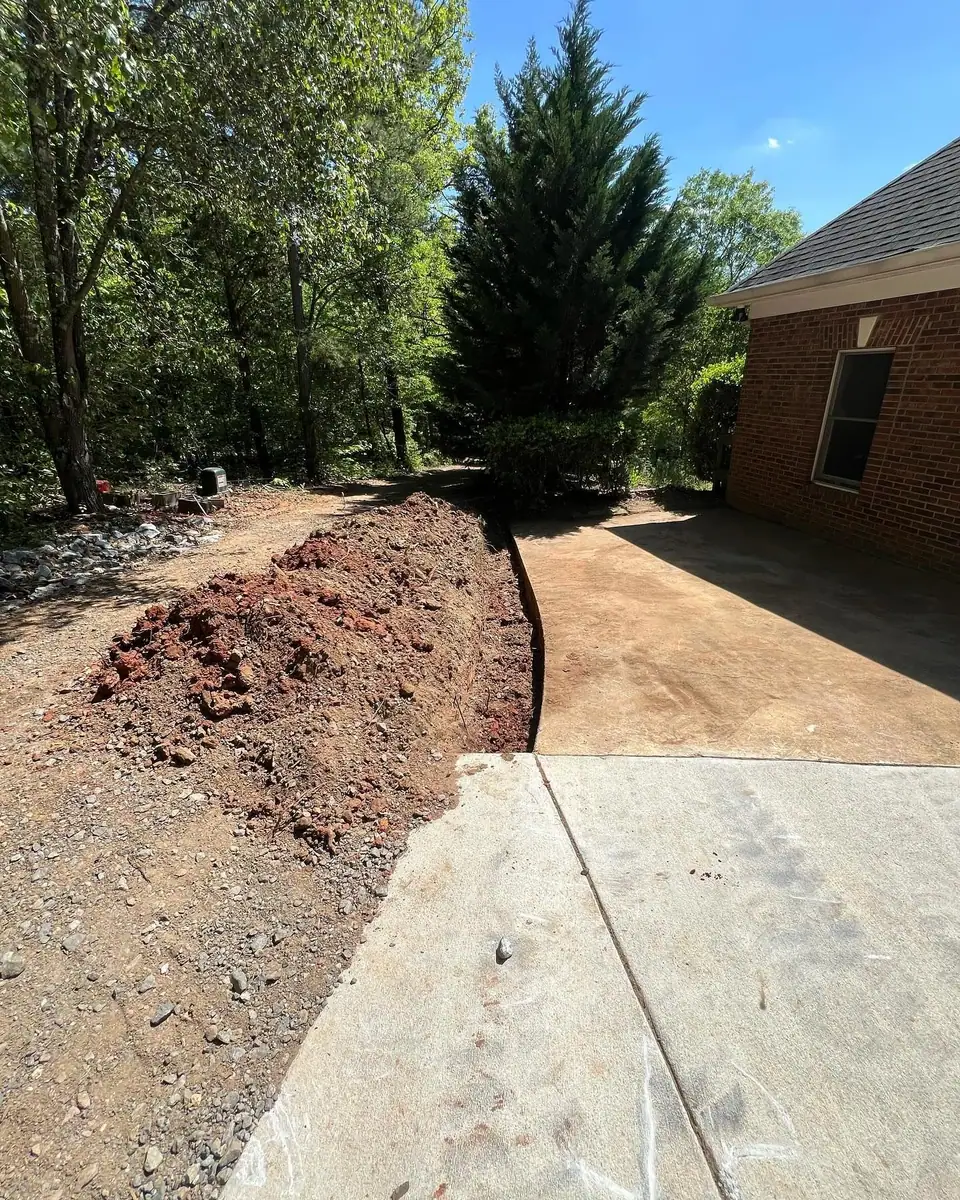
Foundation Prep & Soil Compaction
Compacted, level bases for patios, sheds and slabs that won’t settle.
Learn moreYard leveling in Waxhaw, NC: smoothing bumps, dips and uneven lawns
The short answer
Yard leveling fixes lumpy, uneven lawns by cutting down high spots, filling low spots with quality topsoil, and shaping the surface into a smooth, gentle grade that still drains away from the house. Small dips can be top-dressed into existing turf; larger corrections are graded with equipment, compacted and finished with seed or sod.
01Why do yards become uneven?
Uneven lawns are common in the Charlotte area, and there are usually clear causes. Soil settles over utility trenches, irrigation lines and old drainage work. Stumps and roots decompose and leave sunken spots. Construction leaves rough final grading with buried debris that settles later. Moles and voles tunnel near the surface. Heavy equipment, vehicles and foot traffic compact some areas more than others. And erosion carries soil from high areas into low ones.
The result is a yard that scalps under the mower, holds puddles and is uncomfortable to walk or play on.
- Settling: over trenches, lines and old stumps
- Construction: rough grading and buried debris
- Erosion: soil moving from high to low areas
- Pests: moles and voles tunneling near the surface
- Compaction: uneven traffic and equipment ruts
02Top-dressing or regrading?
For shallow dips, generally around an inch or so, top-dressing works well. A thin layer of quality topsoil or a sand-soil blend is spread into the low areas and worked into the existing turf, which grows up through it. Repeated light applications can level larger dips over time without killing the grass.
For deeper low spots, high humps, ruts and yards that need a different overall slope, regrading is the right approach. Turf is removed or stripped, the soil is cut and filled with equipment, the surface is compacted and graded, and new seed or sod is installed.
03How does leveling affect drainage?
Leveling doesn't mean making the yard perfectly flat. A perfectly flat lawn on clay soil holds water. A good leveling job creates a smooth surface with a gentle, consistent slope away from the house and toward a safe outlet. When leveling, Terry checks where water currently flows and makes sure the finished grade improves drainage rather than creating new problems.
04What soil is used for leveling?
Quality screened topsoil is the standard fill for lawns. Fill dirt, the clay-heavy subsoil often sold cheaply, compacts hard and makes a poor root zone for turf. For top-dressing existing lawns, a fine topsoil or sand-soil blend spreads evenly and works into the grass. Pure sand isn't recommended on clay lawns because it can create layers that hold water.
05When is the best time to level a lawn?
Top-dressing is best done while grass is actively growing so it can recover quickly: late spring through summer for Bermuda and Zoysia, and fall for Tall Fescue. Larger regrading projects can be done in more seasons, timed so the new seed or sod can establish well. Fall is ideal for Fescue lawns, and late spring through summer for warm-season sod.
06How long until I can use the yard after leveling?
After top-dressing, the existing grass usually grows through the new soil within a couple of weeks during the growing season, and the lawn can be mowed and used normally as soon as the soil has settled and dried. After a full regrade with new sod, the lawn should be kept off as much as possible while the sod roots, often a couple of weeks in warm weather. Seeded areas take longer, typically several weeks before regular traffic.
You get clear watering and mowing instructions after every leveling project, and if the lawn is on weekly service or the Lawn Program, the crew adjusts the schedule automatically while the new turf establishes.
07Can moles cause an uneven yard?
Yes. Moles tunnel just below the surface while hunting grubs and earthworms, leaving raised ridges and soft spots that feel spongy underfoot, while voles create shallow runways and holes. Leveling a lawn with active mole tunnels only works temporarily, because new tunnels will appear. The tunnels should be addressed first, then the lawn can be rolled lightly where ridges have collapsed and top-dressed to fill low areas. Galloway Scapes can level and restore the lawn once activity has been controlled, and will tell you if mole damage appears to be the cause.
How it works
Four steps. No surprises.
From the first call to the final cleanup, you deal with the same owner-run crew.
Call or send the form
Tell us what’s bothering you about the yard. We get back to you within 24 hours.
Walk the property
We look at slope, soil, drainage paths, turf type and how you actually use the space. No guessing from a photo.
A written estimate
You get a plain-language scope and price. No surprise add-ons after the crew shows up.
Owner-led work and cleanup
Terry is on the job. Beds edged, debris hauled off and the driveway blown clean before we leave.
Yard Leveling near you
FAQ
Yard Leveling: questions, answered.
How much does yard leveling cost in Waxhaw, NC?
Yard leveling cost depends on the size of the area, how uneven it is, whether top-dressing will do or full regrading is needed, the amount of topsoil required, access for equipment, whether drainage corrections are part of the work, and whether the lawn is restored with seed or sod. Top-dressing a few low spots is a modest project; regrading an entire backyard with new sod is much larger. Galloway Scapes provides a free written estimate after walking the yard, explaining the approach and how the finished grade will handle water.
Can I level my yard without killing the grass?
Yes, for shallow unevenness. Top-dressing spreads a thin layer of quality topsoil or a sand-soil blend into low spots, generally no more than about half an inch to an inch at a time, and the existing grass grows up through it. Repeating the process over a season or two can level larger dips gradually. Deeper low spots, high humps and ruts usually require removing the turf, regrading and reseeding or resodding, because piling on too much soil at once smothers the grass. Top-dressing works best when the grass is actively growing.
What is the best soil for leveling a lawn?
Screened topsoil is generally the best choice for leveling lawns, because it provides a good root zone and blends with existing soil. For top-dressing established turf, a fine-screened topsoil or a topsoil-sand blend spreads evenly and works down into the grass. Avoid cheap fill dirt, which is often heavy clay subsoil that compacts hard and grows poor turf. Pure sand isn't recommended on clay lawns, since layering sand over clay can create drainage problems. Galloway Scapes sources quality topsoil for leveling and restoration work.
Why is my yard bumpy?
Bumpy yards usually result from settling, pests, construction or traffic. Soil often settles unevenly over trenches for utilities, irrigation and drains, and over decomposing stumps and roots. Moles and voles create raised tunnels and soft spots. Construction leaves rough grading and buried debris that settle over time. Freeze-thaw cycles and erosion move soil, and mowing or driving on wet clay creates ruts. Identifying the cause matters: active mole tunnels need pest control, and repeated settling over a trench may indicate a problem below. Galloway Scapes evaluates the cause before leveling.
Will leveling my yard help with standing water?
Often, yes, as long as the leveling is designed around drainage. Many puddles form in low spots left by settling or rough construction grading, and filling and smoothing those areas so water flows across a gentle slope can solve the problem. However, simply filling the lowest spot of a yard can push water somewhere else, sometimes toward the house or a neighbor. A good leveling plan creates a consistent slope away from the house toward a safe outlet, and sometimes includes a swale, catch basin or French drain. Galloway Scapes plans leveling and drainage together.
We had several landscaping projects completed at our property, including new sod installation, mulching, and drainage work, and I couldn’t be happier with how everything turned out. The sod installation completely transformed the appearance of our yard.
We contacted Galloway Scapes for lawn leveling and are very pleased with their service. Terry and his crew are incredible and did a great job on our lawn! They arrived on schedule and did a thorough job.
Terry and his crew are the best! He is attentive, professional, and knowledgeable. I have a fast growing weed in my lawn and he works diligently on keeping it under control.
Reliable, efficient, and professional, with great attention to detail. Everything looked clean, green, and well cared for.
Very good, consistent service. They are responsive when asked about things and address concerns as they arise.
Reliable, punctual, creative, clean, and professional throughout the process. I really appreciated how easy they made everything.
Knowledgeable and skilled approach to lawn maintenance and yard landscaping, with meticulous attention to detail. Fair pricing combined with outstanding results.
Free estimate
Tell us about your yard leveling project.
A few quick details. We reply within 24 hours, usually sooner, and we walk the property before we price anything.
(803) 487-5240Mon–Sat, 7 AM–7 PM · call or text
- Free, written estimates with no obligation
- Owner Terry Galloway on every project
- Licensed, bonded & insured · NC & SC Pesticide License