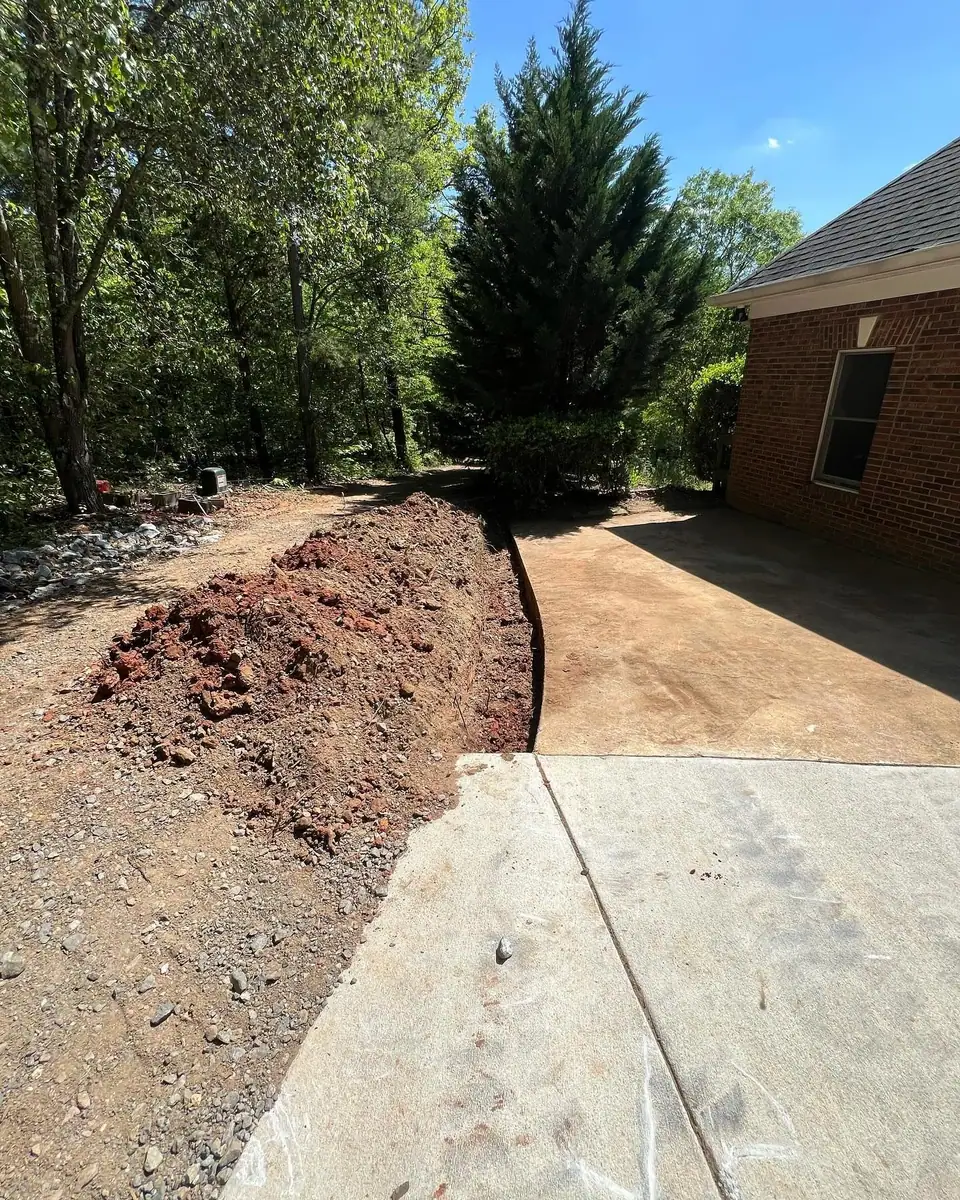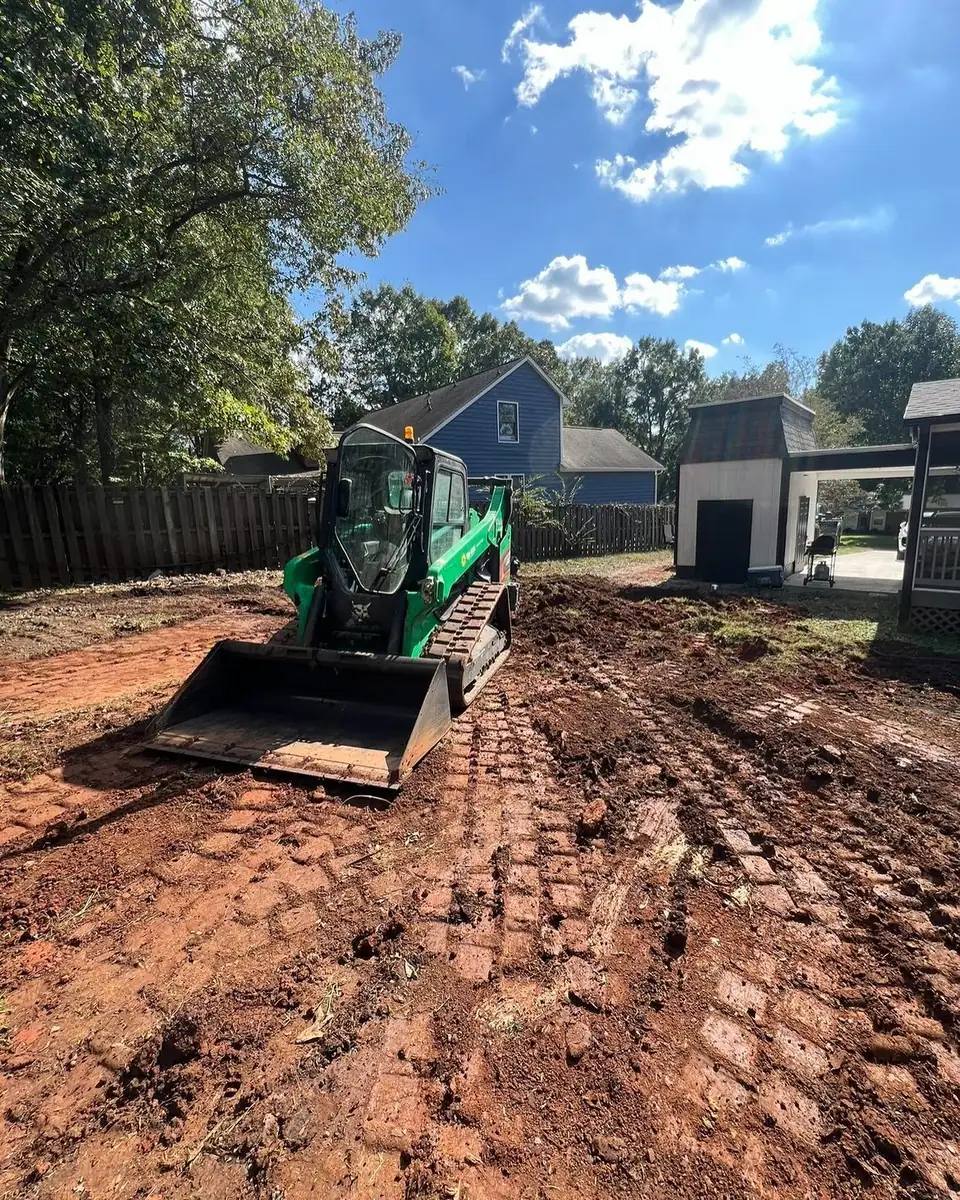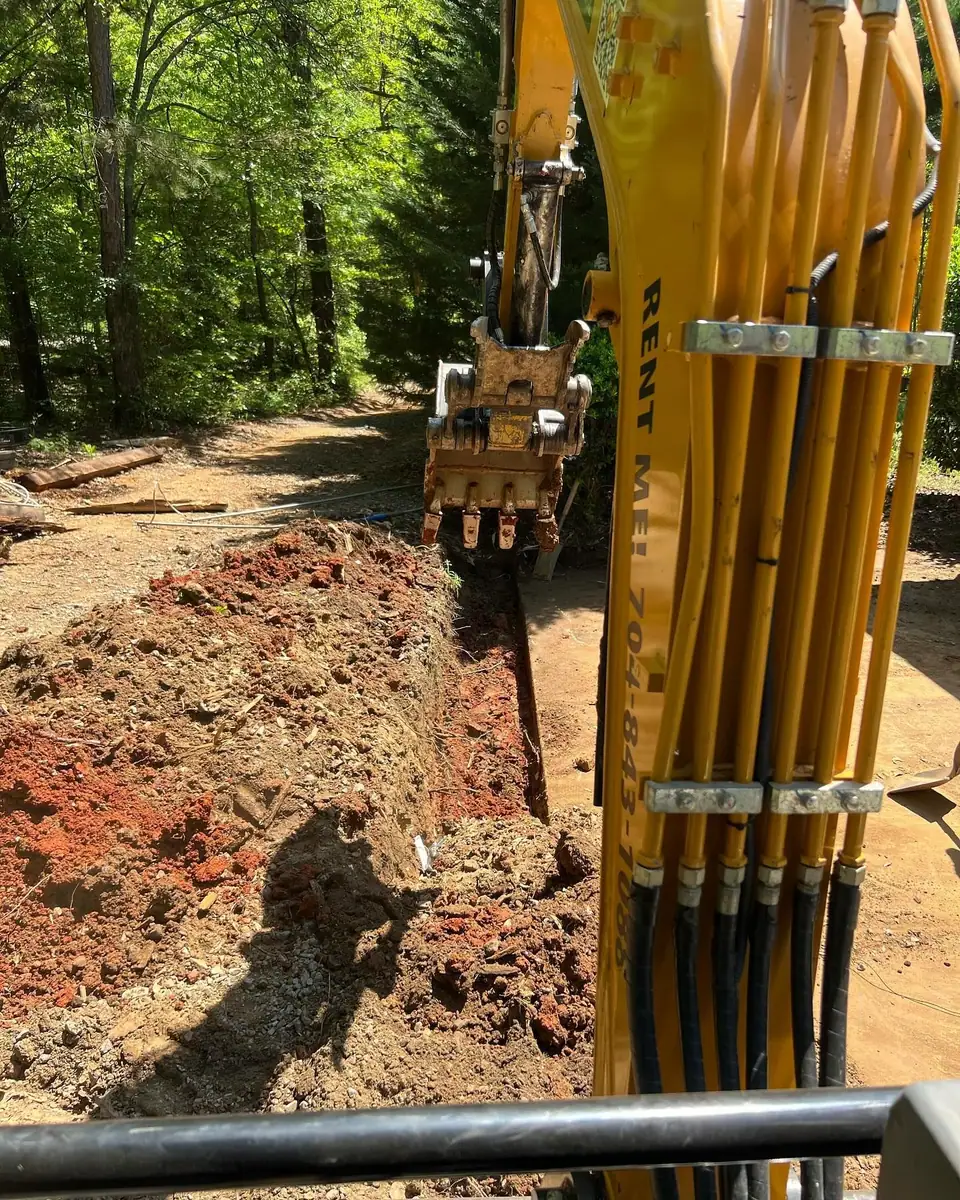
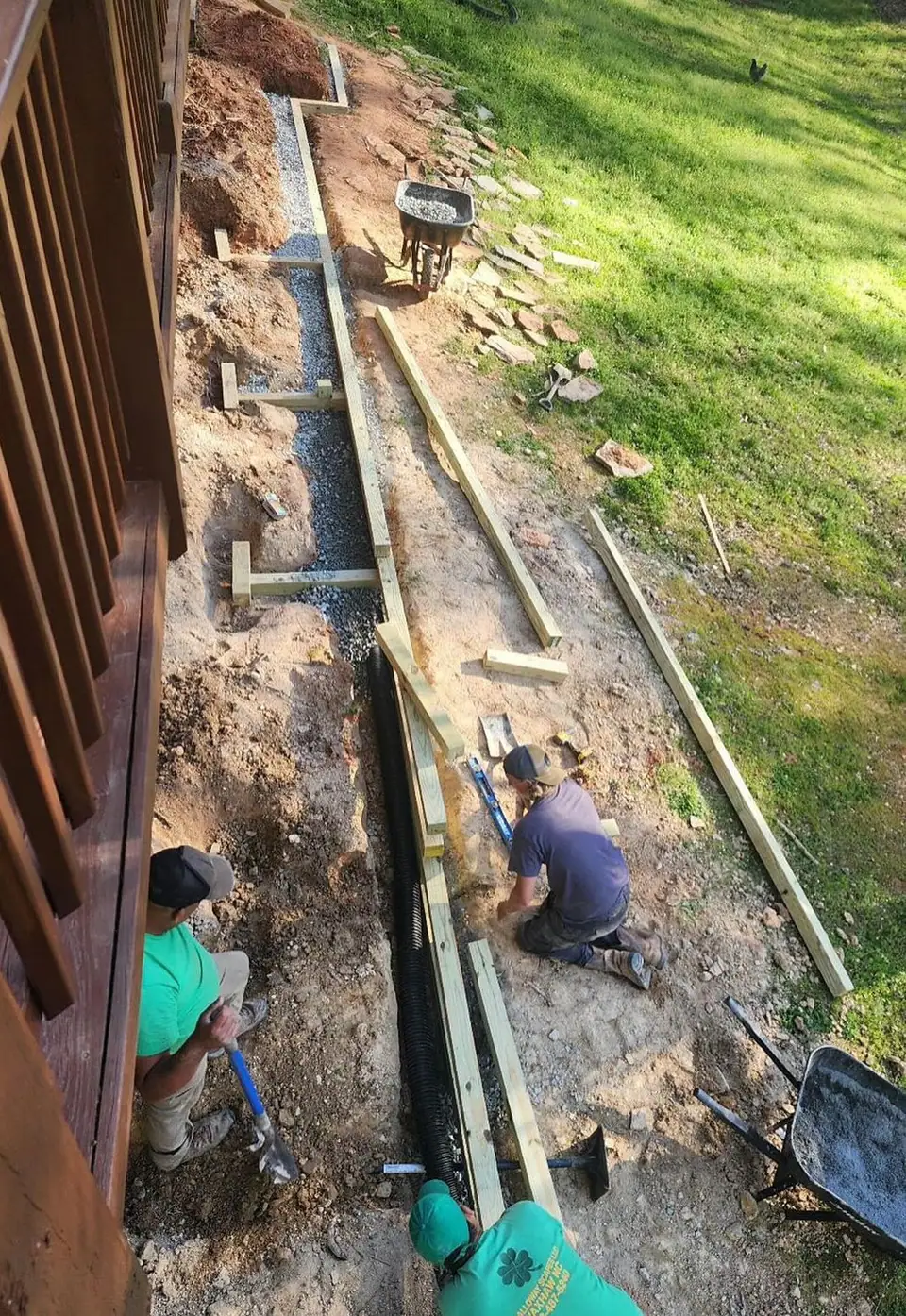
Common yard drainage problems include standing water, soggy lawns, erosion on slopes, water against the foundation and downspouts that dump into beds. Landscaping fixes include regrading, swales, French drains, dry creek beds, buried downspout extensions and plants that tolerate wet soil.
A beautiful landscape can quickly lose its appeal when drainage problems develop. Standing water, muddy lawns, soil erosion, and dying plants often point to one issue many homeowners overlook—poor yard drainage. Water that does not move properly through a property can affect lawns, landscaping, foundations, driveways, and outdoor living spaces.
Many people assume drainage issues only occur after major storms, but even normal rainfall can create problems when the landscape is not designed to manage water effectively. Over time, excess moisture may lead to structural damage, unhealthy plants, mosquito activity, and costly repairs.
Understanding common yard drainage problems and the landscaping solutions available can help homeowners protect their property while maintaining attractive and functional outdoor spaces.
Why Proper Yard Drainage Matters
Drainage is the process of directing water away from structures and allowing excess moisture to move safely through the landscape.
When water flows properly, it helps:
- Protect foundations
- Prevent erosion
- Maintain healthy lawns
- Reduce standing water
- Improve plant growth
- Preserve outdoor features
- Protect walkways and patios
Without proper drainage, even well-maintained landscapes can develop serious issues.
Water naturally follows the path of least resistance. If a yard lacks grading, drainage systems, or proper planning, moisture may collect in unwanted areas.
Ignoring these problems often leads to larger repair expenses later.
Signs Your Yard May Have Drainage Problems
Homeowners often notice drainage issues through visible changes in the landscape.
Common warning signs include:
Standing Water After Rain
Puddles that remain for more than a day after rainfall usually indicate poor drainage.
Water should gradually soak into the soil or flow away from the area.
Persistent pooling suggests:
- Compacted soil
- Low spots
- Improper grading
- Poor drainage design
Soggy or Muddy Areas
Sections of lawn that remain wet for extended periods often signal underground drainage problems.
These areas may feel soft underfoot and become difficult to mow.
Soil Erosion
Moving water can wash away soil, mulch, and grass.
Signs include:
- Exposed roots
- Bare patches
- Washed-out flower beds
- Uneven ground
Basement or Foundation Moisture
Water collecting near a home can seep into:
- Basements
- Crawl spaces
- Foundation walls
Moisture problems inside the home frequently begin outside.
Dying Plants
Plants affected by excessive water may show:
- Yellow leaves
- Root rot
- Slow growth
- Wilting despite wet soil
Too much water can be just as damaging as drought conditions.
Mosquito Activity
Standing water creates ideal breeding conditions for mosquitoes and other insects.
An increase in pests may indicate hidden drainage issues.
Problem #1: Poor Yard Grading
Improper grading is among the most common causes of drainage problems.
Grading refers to the slope and elevation of land.
Ideally, water should move away from buildings and flow toward designated drainage areas.
Poor grading often causes water to collect:
- Near foundations
- Around patios
- Along driveways
- In lawn depressions
Landscaping Solution: Regrading the Yard
Regrading involves reshaping the landscape to improve water movement.
This process may include:
- Adding soil
- Creating gentle slopes
- Filling low spots
- Redirecting runoff
Professional grading helps ensure water flows away from structures without causing erosion.
Even small adjustments can significantly improve drainage.
Problem #2: Standing Water in Low Areas
Many properties naturally contain low spots where rainwater accumulates.
These depressions often become muddy and unusable.
Common causes include:
- Settling soil
- Construction changes
- Heavy foot traffic
- Natural terrain variations
Landscaping Solution: Dry Creek Beds
Dry creek beds provide decorative drainage channels made from stone and gravel.
Benefits include:
- Moving excess water
- Reducing erosion
- Improving aesthetics
- Adding landscape texture
Unlike traditional drains, dry creek beds blend naturally into landscape designs.
They work especially well in areas with repeated runoff.
Landscaping Solution: Fill and Level Low Spots
Adding topsoil and reshaping the area may eliminate minor depressions.
After leveling, new grass or plants restore appearance.
Problem #3: Soil Compaction
Compacted soil prevents water from soaking into the ground.
Instead of absorbing moisture, the surface becomes hard and water remains above it.
Compaction commonly results from:
- Vehicle traffic
- Frequent walking
- Heavy equipment use
- Clay-heavy soils
Symptoms include:
- Thin grass
- Persistent puddles
- Hard ground surfaces
Landscaping Solution: Aeration
Lawn aeration creates openings in the soil.
These holes improve:
- Water absorption
- Root growth
- Oxygen movement
- Nutrient penetration
Aeration is especially useful for clay soils and heavily used lawns.
Landscaping Solution: Soil Amendments
Adding organic materials such as compost improves soil structure.
Better soil allows water to move more efficiently.
This supports healthier lawns and plant growth.
Problem #4: Downspout Water Accumulation
Roof runoff often contributes to drainage problems.
When downspouts release water too close to the home, moisture collects around foundations.
This may cause:
- Basement leaks
- Soil erosion
- Landscape damage
- Foundation stress
Landscaping Solution: Downspout Extensions
Extensions move water farther away from the structure.
Water can then flow toward safer drainage areas.
Landscaping Solution: Underground Drain Systems
Buried pipes transport water underground and discharge it away from problem zones.
These systems keep landscapes cleaner while reducing visible runoff.
Problem #5: Erosion on Sloped Properties
Sloped yards can be attractive but often experience erosion.
Fast-moving water carries away:
- Soil
- Grass seed
- Mulch
- Plant roots
Over time, slopes may become unstable.
Heavy rainfall often worsens these issues.
Landscaping Solution: Retaining Walls
Retaining walls hold soil in place and reduce water movement.
They also create:
- Level planting areas
- Improved usability
- Visual structure
Materials may include:
- Stone
- Concrete blocks
- Brick
- Timber
Landscaping Solution: Ground Covers
Ground cover plants stabilize soil.
Popular options include:
- Creeping plants
- Ornamental grasses
- Native species
Roots help hold soil while reducing runoff.
Landscaping Solution: Terracing
Terraces divide slopes into smaller sections.
This slows water movement and minimizes erosion.
Terracing also creates planting opportunities.
Problem #6: Excess Water Near Patios and Walkways
Hard surfaces do not absorb water.
Instead, rain flows across them.
Without proper planning, water may collect around:
- Patios
- Sidewalks
- Outdoor kitchens
- Seating areas
Pooling water reduces usability and may create slipping hazards.
Landscaping Solution: Permeable Pavers
Permeable paving systems allow water to pass through spaces between materials.
Water filters into the ground instead of pooling.
Advantages include:
- Reduced runoff
- Better drainage
- Improved appearance
- Lower erosion risk
Landscaping Solution: Channel Drains
Linear drains capture surface water before it accumulates.
These systems are useful around hardscape installations.
Problem #7: Oversaturated Plant Beds
Flower beds often suffer when water remains trapped.
Excess moisture damages roots and encourages disease.
Common signs include:
- Mushy soil
- Yellow foliage
- Plant decline
- Mold growth
Landscaping Solution: Raised Beds
Raised planting areas improve drainage by elevating soil.
Benefits include:
- Better root health
- Improved aeration
- Easier maintenance
Raised beds also enhance visual appeal.
Landscaping Solution: Mulching
Mulch regulates moisture while protecting soil.
Organic mulch options include:
- Bark
- Wood chips
- Pine straw
Proper mulch depth improves water management.
Problem #8: Water Flow Toward the Foundation
Water moving toward the house is among the most serious drainage concerns.
Foundation problems may include:
- Cracks
- Moisture intrusion
- Structural movement
- Basement flooding
Landscaping Solution: Swales
Swales are shallow landscape channels that direct water safely away.
They often appear as:
- Grassy depressions
- Decorative drainage pathways
Swales slow runoff and reduce pressure near foundations.
Landscaping Solution: French Drains
French drains use perforated pipes surrounded by gravel.
These systems collect underground water and redirect it.
French drains are effective for:
- Wet lawns
- Foundation protection
- Persistent moisture zones
They remain one of the most common drainage improvements.
Problem #9: Poor Irrigation Management
Too much irrigation can mimic drainage problems.
Overwatering creates:
- Soft lawns
- Root disease
- Standing water
- Fungus growth
Landscaping Solution: Smart Irrigation Systems
Modern irrigation controls adjust watering based on:
- Rainfall
- Soil moisture
- Weather conditions
These systems reduce waste and improve efficiency.
Landscaping Solution: Zone Watering
Different plants require different amounts of water.
Dividing irrigation zones prevents overwatering.
Sustainable Landscaping for Better Drainage
Modern landscaping often combines drainage improvements with environmentally friendly practices.
Sustainable solutions include:
Rain Gardens
Rain gardens collect runoff and allow water to soak naturally into the soil.
They typically contain:
- Native plants
- Deep-rooted grasses
- Water-tolerant flowers
Rain gardens reduce erosion and improve appearance.
Native Landscaping
Native plants adapt better to local conditions.
Advantages include:
- Lower water needs
- Stronger root systems
- Better drainage support
- Reduced maintenance
Permeable Surfaces
Replacing solid pavement with permeable materials improves water absorption.
Examples include:
- Gravel paths
- Open pavers
- Decorative stone
These materials reduce runoff.
How Professional Landscape Design Helps Solve Drainage Issues
Drainage problems rarely have one simple cause.
Multiple factors often contribute, including:
- Soil type
- Slope
- Plant placement
- Hardscape design
- Water sources
Professional landscape planning evaluates all these conditions.
Experts may assess:
- Water movement
- Elevation changes
- Existing damage
- Drainage capacity
They then recommend solutions tailored to the property.
Combining drainage improvements with landscaping upgrades often produces better results than addressing issues separately.
Preventing Future Yard Drainage Problems
Prevention is usually less expensive than repairs.
Homeowners can reduce risk by:
- Cleaning gutters regularly
- Inspecting downspouts
- Maintaining grading
- Aerating lawns
- Avoiding overwatering
- Monitoring erosion
- Refreshing mulch
- Checking drainage after storms
Routine maintenance keeps systems working efficiently.
Small problems become easier to manage when addressed early.
Long-Term Benefits of Proper Yard Drainage
Effective drainage protects more than the lawn.
Long-term advantages include:
- Healthier plants
- Better curb appeal
- Reduced erosion
- Foundation protection
- Increased property value
- Safer outdoor spaces
- Lower maintenance costs
- Improved landscape lifespan
Homes with good drainage systems often experience fewer moisture-related repairs.
Landscaping also remains healthier and more attractive.
Final Thoughts
Yard drainage problems can affect nearly every part of a property, from lawns and gardens to patios and foundations. Standing water, erosion, compacted soil, and poor grading may seem minor at first, but they often lead to larger issues when ignored.
Fortunately, landscaping solutions such as grading adjustments, French drains, retaining walls, rain gardens, dry creek beds, and permeable surfaces provide effective ways to manage water while improving outdoor appearance.
A well-designed landscape does more than look attractive—it protects investments, improves usability, and keeps outdoor spaces functioning properly year after year.
By identifying drainage issues early and implementing the right solutions, homeowners can create healthier, safer, and more valuable properties.
Need help with drainage?
Free, written estimates from an owner-led crew.