
To keep your yard green all year, mow at the right height every 7–10 days in season, apply pre-emergent in spring, feed through summer, aerate and overseed Fescue in fall, remove leaves promptly and give the lawn a winter feeding. Healthy soil and consistent care beat quick fixes.
A lush, green lawn doesn’t happen by accident.
It takes the right balance of care, timing, and knowledge to maintain a yard that not only looks great but stays healthy through every season. Yet many homeowners struggle with common issues—patchy grass, weeds, dry spots, or lawns that just never seem to thrive no matter how much effort they put in.
If that sounds familiar, you’re not alone.
The truth is, lawn care isn’t about doing more—it’s about doing the right things at the right time.
In this complete guide, we’ll walk you through everything you need to know to keep your yard green and healthy all year long—from seasonal lawn care tips and maintenance routines to common mistakes and professional insights.
Why Lawn Care Matters More Than You Think
Your lawn is more than just grass—it’s a major part of your home’s curb appeal and overall value.
A well-maintained lawn:
- Enhances your property’s appearance
- Improves outdoor usability
- Prevents soil erosion
- Supports a healthier environment
- Increases property value
On the flip side, a neglected lawn can quickly become:
- Overgrown and unattractive
- Infested with weeds and pests
- Prone to disease and damage
Consistent lawn maintenance is the key to avoiding these problems.
Understanding Your Lawn: The Foundation of Success
Before diving into maintenance, it’s important to understand your lawn’s basic needs.
Grass requires:
- Sunlight
- Water
- Nutrients
- Proper soil conditions
Different grass types (cool-season vs warm-season) have different requirements, but the core principles remain the same.
The Four Pillars of Lawn Care
Every healthy lawn depends on four essential practices:
1. Mowing Properly
2. Watering Effectively
3. Fertilizing Consistently
4. Controlling Weeds and Pests
Master these, and you’re already ahead of most homeowners.
Seasonal Lawn Care Guide
Lawn care changes with the seasons. What works in summer won’t necessarily work in winter.
Let’s break it down.
Spring Lawn Care: Setting the Foundation
Spring is when your lawn wakes up from dormancy.
Key Tasks:
1. Clean Up Debris
Remove leaves, twigs, and dead grass to allow sunlight and air to reach the soil.
2. Aerate the Soil
Aeration reduces soil compaction and improves nutrient absorption.
3. Overseed Bare Spots
Fill in thin areas to promote a thick, healthy lawn.
4. Apply Fertilizer
Give your grass the nutrients it needs for strong growth.
5. Start Weed Control
Apply pre-emergent herbicides to prevent weeds before they grow.
Summer Lawn Care: Protecting Your Lawn
Summer heat can stress your lawn.
Key Tasks:
1. Water Deeply but Infrequently
Aim for early morning watering to reduce evaporation.
2. Adjust Mowing Height
Keep grass slightly longer to protect roots from heat.
3. Watch for Pests and Disease
Inspect regularly for signs of damage.
4. Avoid Over-Fertilizing
Too much fertilizer in heat can burn your lawn.
Fall Lawn Care: Strengthening for the Future
Fall is one of the most important seasons for lawn care.
Key Tasks:
1. Aerate Again
Helps roots grow deeper and stronger.
2. Overseed for Thickness
Cool weather is perfect for grass growth.
3. Apply Fall Fertilizer
Supports root development before winter.
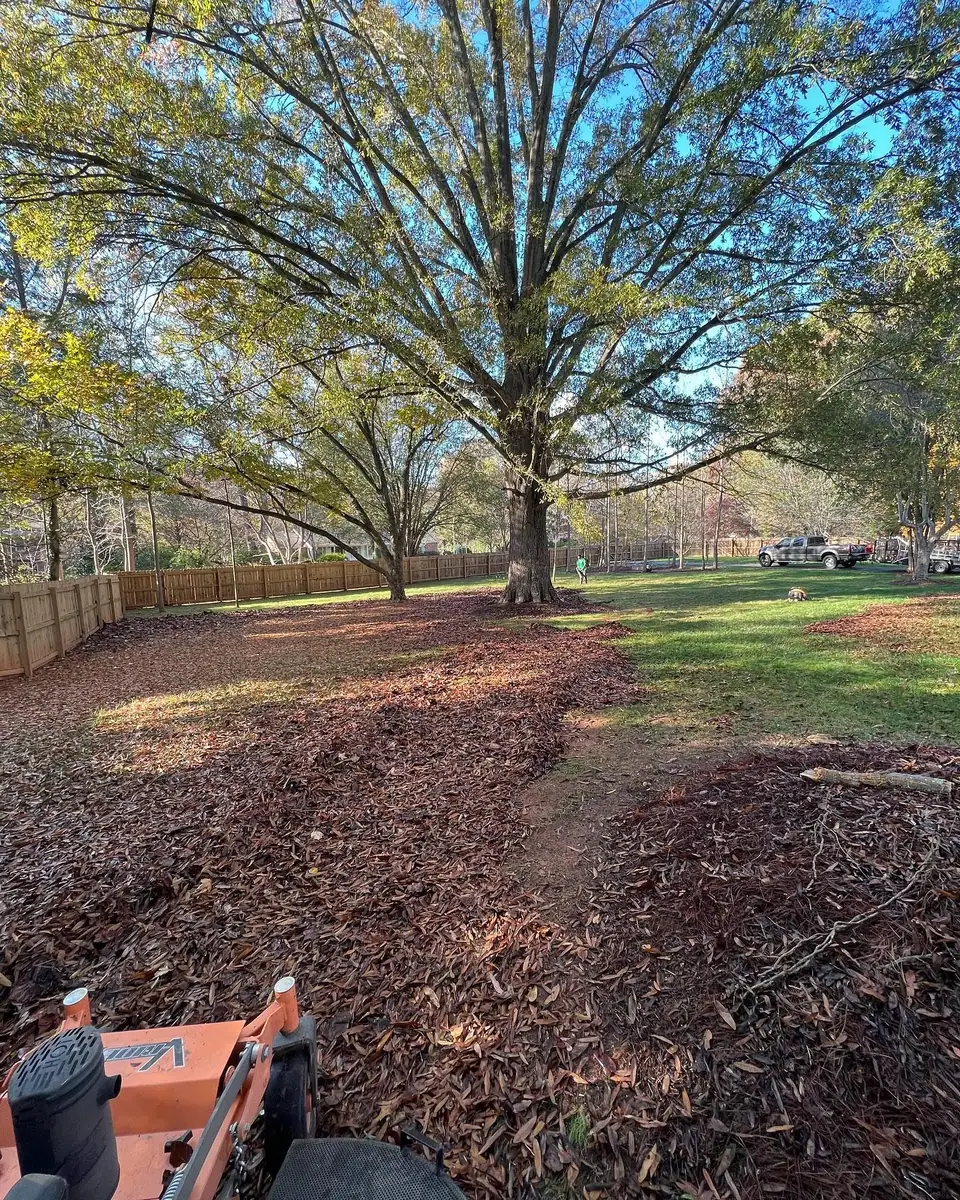
4. Rake Leaves Regularly
Prevent smothering and mold growth.
Winter Lawn Care: Maintenance Mode
While your lawn may go dormant, care still matters.
Key Tasks:
1. Minimize Foot Traffic
Avoid damaging dormant grass.
2. Clear Debris
Keep your lawn clean to prevent disease.
3. Plan for Spring
Use this time to prepare your lawn care strategy.
Proper Mowing Techniques
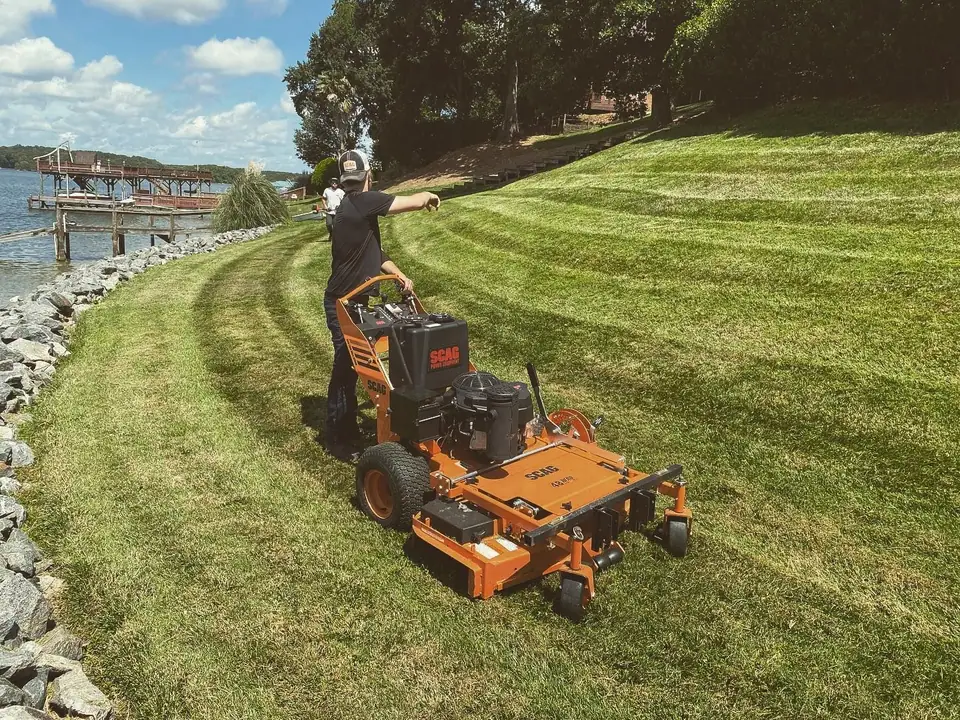
Mowing might seem simple—but doing it wrong can harm your lawn.
Best Practices:
- Never cut more than one-third of the grass height at once
- Keep mower blades sharp
- Mow consistently based on growth rate
- Change mowing patterns to avoid soil compaction
Proper mowing promotes healthier, thicker grass.
Watering the Right Way
Overwatering is just as harmful as underwatering.
Smart Watering Tips:
- Water early in the morning
- Provide about 1–1.5 inches of water per week
- Adjust based on rainfall
- Avoid frequent shallow watering
Deep watering encourages strong root systems.
Fertilization: Feeding Your Lawn
Grass needs nutrients to thrive.
Key Nutrients:
- Nitrogen (growth and color)
- Phosphorus (root development)
- Potassium (overall health)
Tips:
- Use slow-release fertilizers
- Follow seasonal schedules
- Avoid over-fertilizing
Weed Control Strategies
Weeds compete with your grass for nutrients and water.
Types of Weed Control:
Pre-Emergent: Prevents weeds before they grow
Post-Emergent: Targets existing weeds
Consistency is key to keeping weeds under control.
Dealing with Common Lawn Problems
1. Patchy or Thin Grass
Cause: Poor soil, lack of nutrients
Solution: Overseeding and fertilization
2. Yellowing Grass
Cause: Overwatering, nutrient deficiency
Solution: Adjust watering and apply fertilizer
3. Weeds Taking Over
Cause: Weak grass
Solution: Strengthen lawn and apply weed control
4. Bare Spots
Cause: Heavy traffic or disease
Solution: Reseed and protect area
Soil Health: The Secret to a Great Lawn
Healthy soil equals a healthy lawn.
Improve Soil By:
- Aerating regularly
- Adding organic matter
- Testing soil pH
- Adjusting nutrients as needed
Aeration and Overseeding Explained
These two practices can transform your lawn.
Aeration: Loosens compacted soil
Overseeding: Adds new grass for density
Together, they create a thicker, healthier lawn.
Lawn Care Tools You Need
Having the right tools makes maintenance easier.
Essential tools include:
- Lawn mower
- Sprinkler system or hose
- Aerator
- Fertilizer spreader
- Rake
DIY vs Professional Lawn Care
DIY Lawn Care Works If:
- You have time and knowledge
- Your lawn is in decent condition
Hire Professionals If:
- Your lawn has persistent problems
- You want consistent results
- You lack time for maintenance
Professional services provide expertise and efficiency.
Common Lawn Care Mistakes to Avoid
- Overwatering
- Cutting grass too short
- Ignoring soil health
- Skipping seasonal care
- Using too much fertilizer
Avoiding these mistakes can dramatically improve your lawn.
Pro Tips for a Perfect Lawn
- Mow regularly but correctly
- Water deeply, not frequently
- Feed your lawn seasonally
- Stay consistent with maintenance
- Address problems early
Final Thoughts
A green, healthy lawn isn’t about luck—it’s about consistency, timing, and proper care.
By following this complete lawn care guide, you can:
- Improve your lawn’s appearance
- Prevent common problems
- Save money on repairs
- Enjoy your outdoor space year-round
And remember—if maintaining your lawn feels overwhelming, professional help is always an option to keep your yard looking its best.
Need help with lawn maintenance?
Free, written estimates from an owner-led crew.