Landscape design improves curb appeal and property value by framing the house with well-scaled beds, healthy plants, clean edges and a clear path to the door. A thoughtful design also solves drainage and maintenance problems. Buyers notice a finished, cared-for yard first.
When homeowners think about increasing property value, they often focus on interior upgrades such as kitchen remodels, bathroom renovations, new flooring, or fresh paint. While these improvements certainly matter, the outdoor appearance of a home plays an equally important role. In many cases, landscaping is the first thing people notice when they arrive at a property, making it one of the most influential factors in creating a positive first impression.
Landscape design is more than planting flowers or mowing grass. It is the strategic planning and arrangement of outdoor elements to create beauty, functionality, balance, and long-term value. A professionally designed landscape can transform an ordinary yard into an attractive outdoor space while improving curb appeal and increasing property worth.
For homeowners planning to sell, improve their living environment, or invest in long-term property enhancements, landscape design offers significant benefits.
Understanding Landscape Design
Landscape design involves organizing and enhancing outdoor areas through a combination of natural and constructed features. The goal is to create visually appealing spaces that complement the architecture of the home while serving practical purposes.
Landscape design may include:
- Lawn installation and maintenance
- Plant selection and placement
- Trees and shrubs
- Flower beds
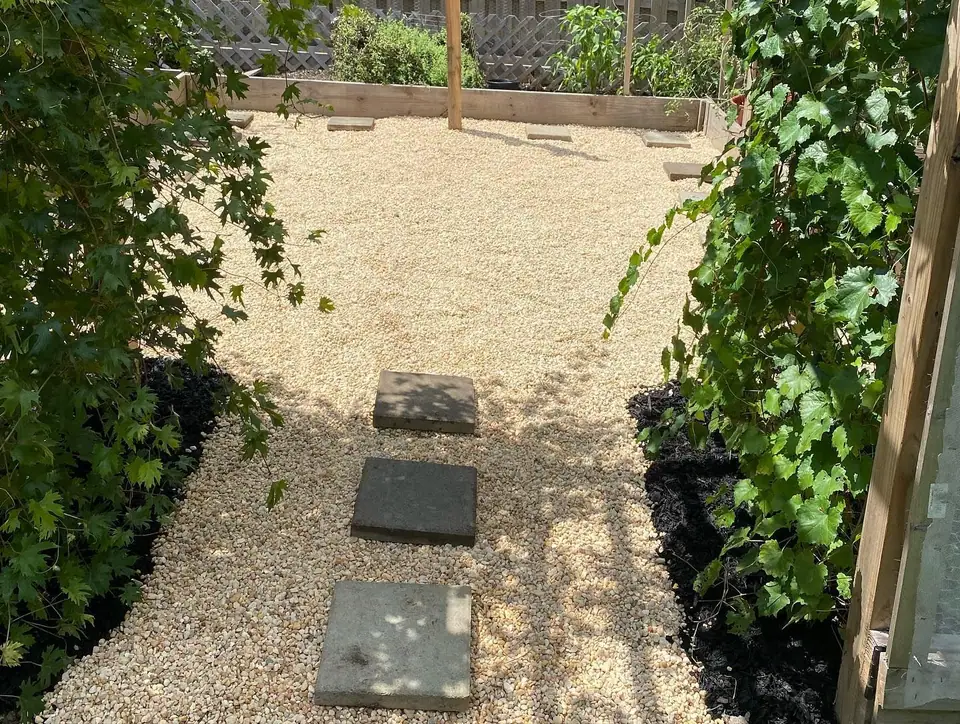
- Walkways and pathways
- Retaining walls
- Outdoor lighting
- Patios and seating areas
- Water features
- Drainage solutions
- Irrigation systems
- Fire pits and outdoor kitchens
Rather than treating each element separately, landscape design creates harmony between all outdoor components.
A well-designed yard balances aesthetics, usability, maintenance requirements, and environmental conditions.
Why Curb Appeal Matters
Curb appeal refers to how attractive a property looks from the street. It influences how visitors, neighbors, and potential buyers perceive a home.
First impressions happen quickly. Studies consistently show that people form opinions about a property within moments of seeing it. An attractive exterior often creates assumptions about the quality and care of the entire home.
Poor landscaping can negatively affect perception by creating issues such as:
- Overgrown shrubs
- Bare lawn patches
- Weed growth
- Dead plants
- Uneven walkways
- Poor drainage
- Lack of visual balance
- Unmaintained hardscapes
On the other hand, thoughtful landscaping instantly creates a welcoming environment.
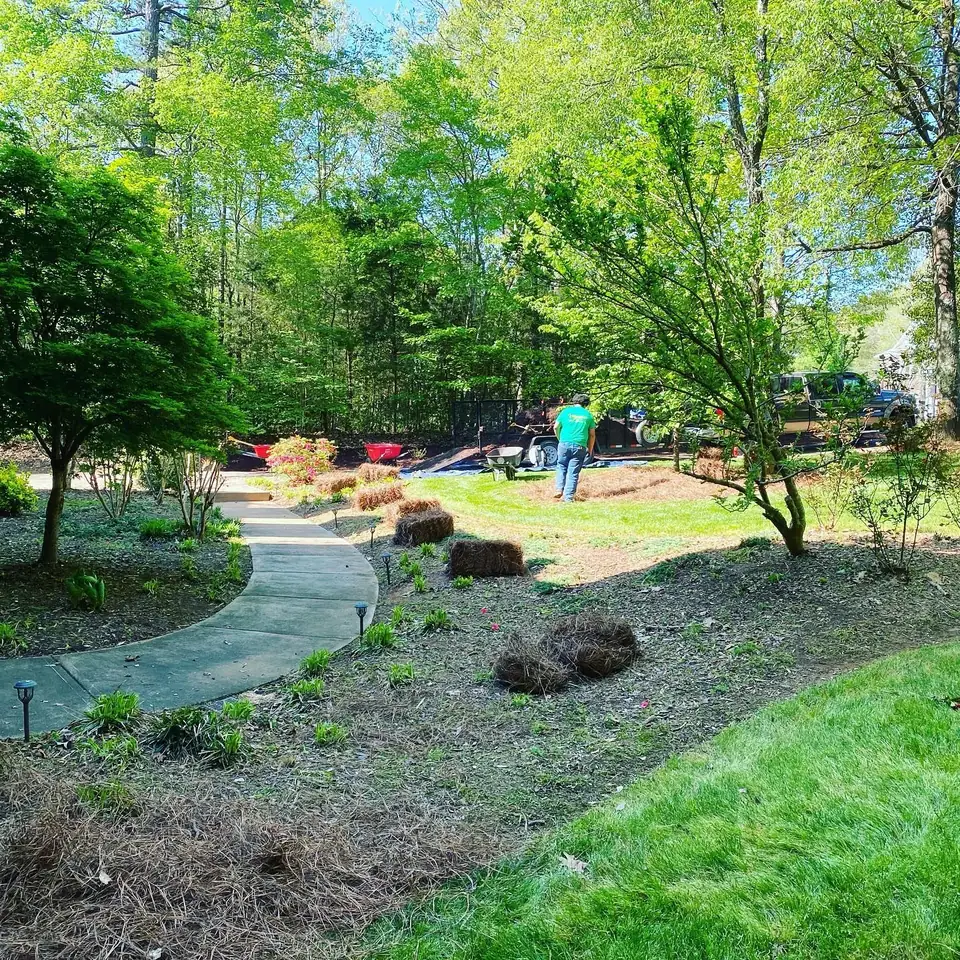
Simple improvements such as fresh mulch, trimmed plants, and colorful flower beds can dramatically improve a home’s appearance.
Landscape Design Creates Strong First Impressions
The front yard acts as an introduction to the property.
When visitors arrive, they notice:
- Lawn condition
- Entry pathways
- Trees and plant health
- Garden organization
- Lighting features
- Outdoor cleanliness
Professional landscape design directs attention toward the home while highlighting architectural strengths.
For example:
A house with a basic exterior may appear more elegant when framed by symmetrical shrubs and decorative pathways.
Likewise, modern homes often benefit from minimalist landscaping with clean lines, ornamental grasses, and strategic lighting.
Traditional homes may pair well with layered flower beds, curved walkways, and mature trees.
These details help establish personality and visual interest.
Increased Property Value Through Landscaping
Landscape improvements often provide one of the highest returns among home upgrades.
Real estate professionals frequently note that attractive outdoor spaces influence buyer decisions and selling prices.
Well-designed landscapes may increase property value by:
1. Enhancing Marketability
Homes with attractive landscaping typically receive more attention during showings and online listings.
Buyers often prefer move-in-ready properties with established outdoor spaces.
An appealing yard can make a property stand out in competitive markets.
2. Improving Perceived Home Condition
People often associate exterior care with overall maintenance.
A neglected lawn may suggest hidden issues inside the home.
Conversely, manicured landscapes create confidence.
Buyers may assume the property has been well maintained.
3. Expanding Usable Space
Outdoor living areas effectively extend the home’s usable square footage.
Patios, pergolas, decks, and seating areas provide additional gathering space.
Functional outdoor environments add lifestyle value.
4. Reducing Future Expenses
Mature landscaping, irrigation systems, drainage solutions, and established plants reduce work for future owners.
Buyers appreciate lower maintenance costs.
The Role of Trees in Property Value
Trees are among the most valuable landscaping elements.
Mature trees provide:
- Shade
- Energy efficiency
- Privacy
- Noise reduction
- Wildlife support
- Visual interest
Strategically placed trees can lower cooling costs by reducing direct sunlight exposure.
They also create seasonal beauty through changing colors and textures.
However, tree placement matters.
Poor positioning may interfere with:
- Foundations
- Driveways
- Roofs
- Utility lines
Professional landscape planning helps maximize benefits while avoiding problems.
Flower Beds Add Color and Dimension
Flower beds are often the focal point of residential landscapes.
They soften hard surfaces and add seasonal color.
Layered planting designs improve depth by combining:
- Ground covers
- Perennials
- Shrubs
- Decorative grasses
- Annual flowers
Using plants with staggered bloom periods ensures year-round interest.
Homeowners can also select low-maintenance native plants suited to local climates.
Native landscaping often requires:
- Less water
- Fewer chemicals
- Reduced maintenance
- Better drought tolerance
This approach supports sustainability while maintaining beauty.
Hardscaping Improves Functionality
Landscape design is not limited to plants.
Hardscaping refers to built features made from stone, concrete, wood, or brick.
Popular hardscape additions include:
Patios
Patios create outdoor entertainment spaces.
They support activities such as:
- Dining
- Gatherings
- Relaxation
- Outdoor cooking
Walkways
Walkways improve navigation while enhancing visual flow.
Materials may include:
- Pavers
- Natural stone
- Concrete
- Gravel
Retaining Walls
Retaining walls manage slopes and erosion.
They also create planting opportunities and visual structure.
Fire Features
Fire pits and fireplaces extend outdoor use into cooler months.
These additions increase comfort and social interaction.
Hardscape elements often provide long-lasting value because they require less upkeep than some landscape features.
Outdoor Lighting Enhances Appearance and Safety
Landscape lighting transforms outdoor spaces after sunset.
It serves both practical and aesthetic purposes.
Benefits include:
Better Visibility
Lighting improves safety around:
- Walkways
- Stairs
- Driveways
- Entry points
Highlighting Design Features
Accent lighting showcases:
- Trees
- Flower beds
- Water features
- Architectural details
Improved Security
Well-lit exteriors may discourage trespassing and improve visibility.
Extended Outdoor Use
Patios and seating areas become functional during evenings.
Modern LED systems also improve energy efficiency.
Functional Landscapes Increase Enjoyment
Landscape design is not only about appearances.
Functional outdoor spaces improve daily life.
Examples include:
Family Gathering Areas
Outdoor seating encourages social activities.
Families use these spaces for:
- Meals
- Celebrations
- Relaxation
Play Areas
Designated zones help organize recreational activities for children.
Garden Spaces
Raised beds and planting zones support home gardening.
Pet-Friendly Areas
Thoughtful layouts create safe spaces for pets while protecting plants.
Functional landscapes often increase homeowner satisfaction and long-term property appeal.
Drainage Solutions Protect Property Investments
Water management is frequently overlooked during landscape planning.
Poor drainage can lead to serious problems including:
- Soil erosion
- Foundation damage
- Standing water
- Plant loss
- Basement moisture
Landscape design often incorporates:
Grading
Proper slopes move water away from structures.
French Drains
These systems redirect excess groundwater.
Dry Creek Beds
Decorative stone channels improve drainage while enhancing aesthetics.
Rain Gardens
Rain gardens absorb runoff and support native plants.
Addressing drainage early protects both landscaping and structural components.
Sustainable Landscaping Adds Modern Appeal
More homeowners are choosing environmentally responsible landscaping methods.
Sustainable practices include:
- Native plants
- Drought-resistant species
- Mulching
- Efficient irrigation
- Composting
- Pollinator gardens
These approaches reduce:
- Water use
- Maintenance costs
- Chemical applications
Eco-friendly landscapes appeal to environmentally conscious buyers and support long-term property value.
Seasonal Interest Keeps Landscapes Attractive Year-Round
Great landscapes remain visually appealing throughout all seasons.
Professional designers often combine plants that provide changing textures and colors.
Spring may feature:
- Flowering shrubs
- Tulips
- Bright blooms
Summer offers:
- Lush lawns
- Perennials
- Green foliage
Fall introduces:
- Colorful leaves
- Ornamental grasses
- Decorative plant textures
Winter landscapes may include:
- Evergreen trees
- Stone features
- Lighting displays
Seasonal variety prevents yards from appearing empty or neglected.
Low-Maintenance Design Appeals to Homeowners
Many homeowners want attractive landscapes without constant work.
Low-maintenance design focuses on efficiency.
Common features include:
- Mulched beds
- Native plants
- Automated irrigation
- Perennials
- Stone borders
- Ground covers
Reducing maintenance requirements increases convenience and lowers costs.
Busy families especially appreciate landscapes that remain attractive with minimal effort.
Landscape Design Supports Emotional Well-Being
Outdoor environments affect mood and mental wellness.
Research continues to show benefits associated with green spaces.
Landscaped yards may help reduce stress by providing areas for:
- Relaxation
- Gardening
- Outdoor exercise
- Quiet reflection
Features like water fountains, shaded seating, and natural plantings create calming environments.
Homes with inviting outdoor spaces often feel more enjoyable and livable.
Common Landscape Mistakes That Reduce Value
Not all landscaping increases property value.
Poor planning can create maintenance issues and expensive corrections.
Avoid mistakes such as:
Overplanting
Crowded plants compete for resources and create clutter.
Ignoring Scale
Large trees placed near small homes may overwhelm the property.
Poor Drainage Planning
Standing water damages lawns and foundations.
Excessive Decorations
Too many features can appear chaotic.
Neglecting Maintenance
Even beautiful designs lose value without care.
Professional planning helps avoid these problems.
How to Start Improving Your Landscape
Homeowners interested in improving curb appeal can begin with simple steps.
Evaluate Existing Conditions
Inspect:
- Lawn health
- Drainage
- Plant condition
- Walkways
- Lighting
Create Goals
Determine priorities:
- Beauty
- Entertainment
- Privacy
- Sustainability
- Low maintenance
Focus on Entry Areas
Front entrances deliver major visual impact.
Improvements may include:
- New plants
- Fresh mulch
- Decorative lighting
- Clean pathways
Add Layers
Mix heights and textures.
Combine:
- Trees
- Shrubs
- Flowers
- Ground covers
Consider Professional Design
Landscape professionals help create balanced plans that maximize both function and value.
Long-Term Benefits of Investing in Landscape Design
Landscape improvements provide benefits beyond appearance.
Long-term advantages include:
- Increased property value
- Better outdoor usability
- Improved energy efficiency
- Reduced erosion
- Higher buyer interest
- Environmental support
- Greater enjoyment of outdoor areas
Unlike temporary décor updates, many landscape investments continue providing value for years.
Mature plants often become more attractive over time.
Hardscape features remain durable and functional.
Well-maintained landscapes continue enhancing curb appeal long after installation.
Final Thoughts
Landscape design is one of the most effective ways to improve both curb appeal and property value. A carefully planned outdoor space creates stronger first impressions, increases functionality, and enhances everyday living.
Whether the goal is preparing a property for sale, modernizing an aging yard, or creating a relaxing outdoor retreat, landscaping offers practical and financial advantages.
From trees and flower beds to patios, lighting, and drainage solutions, every element contributes to a cohesive and attractive environment.
Investing in thoughtful landscape design does more than beautify a home—it creates long-lasting value, improves usability, and transforms outdoor spaces into meaningful extensions of daily life.
Need help with landscape design?
Free, written estimates from an owner-led crew.