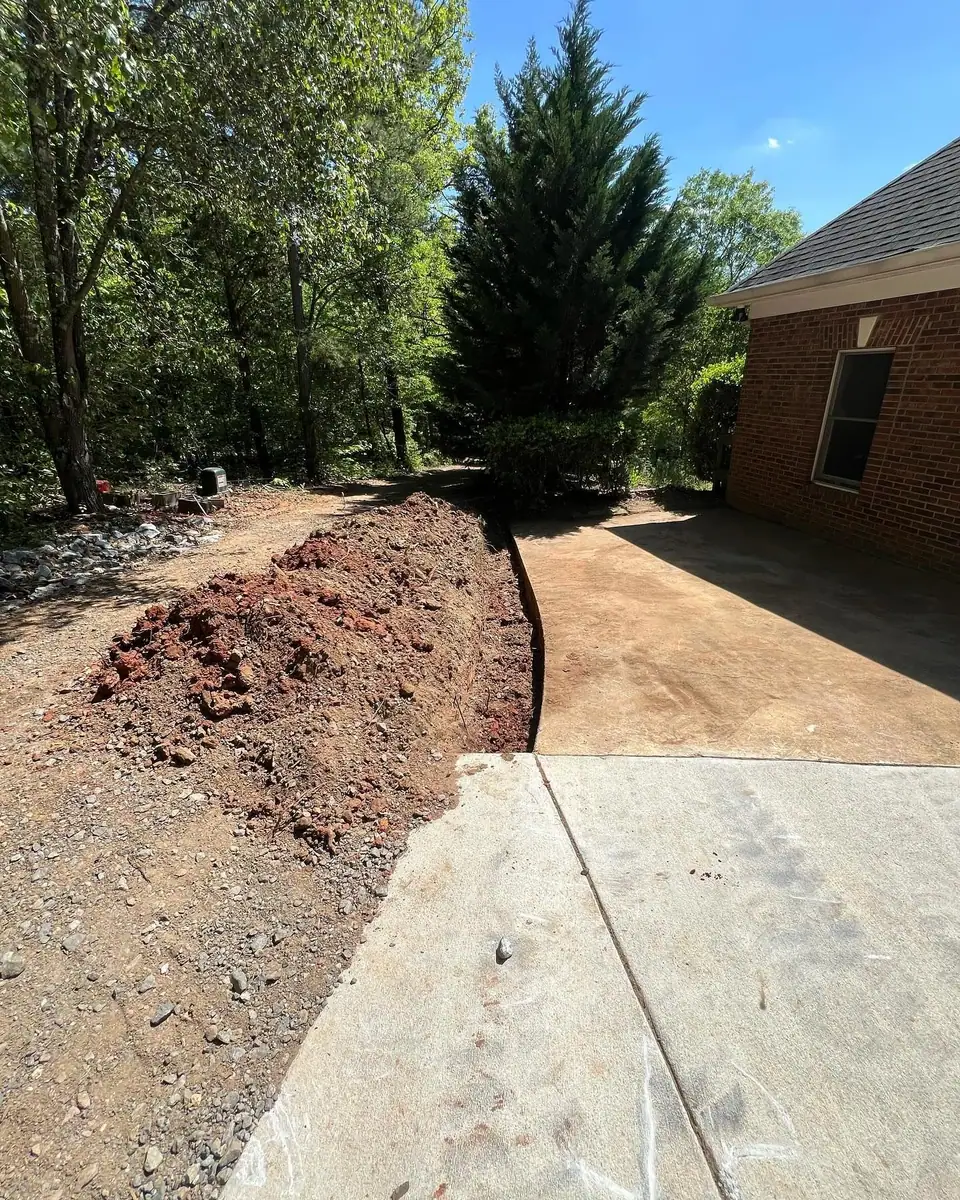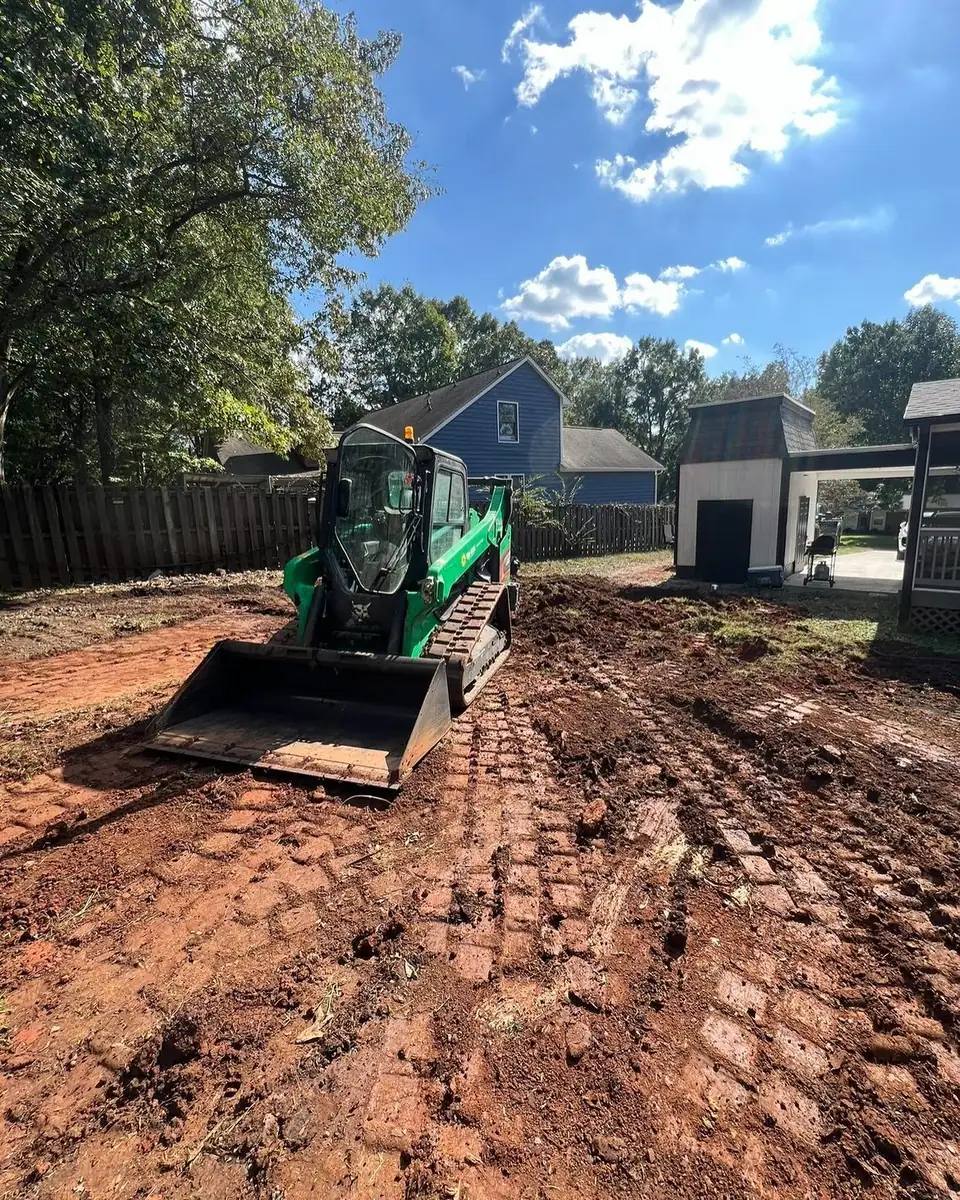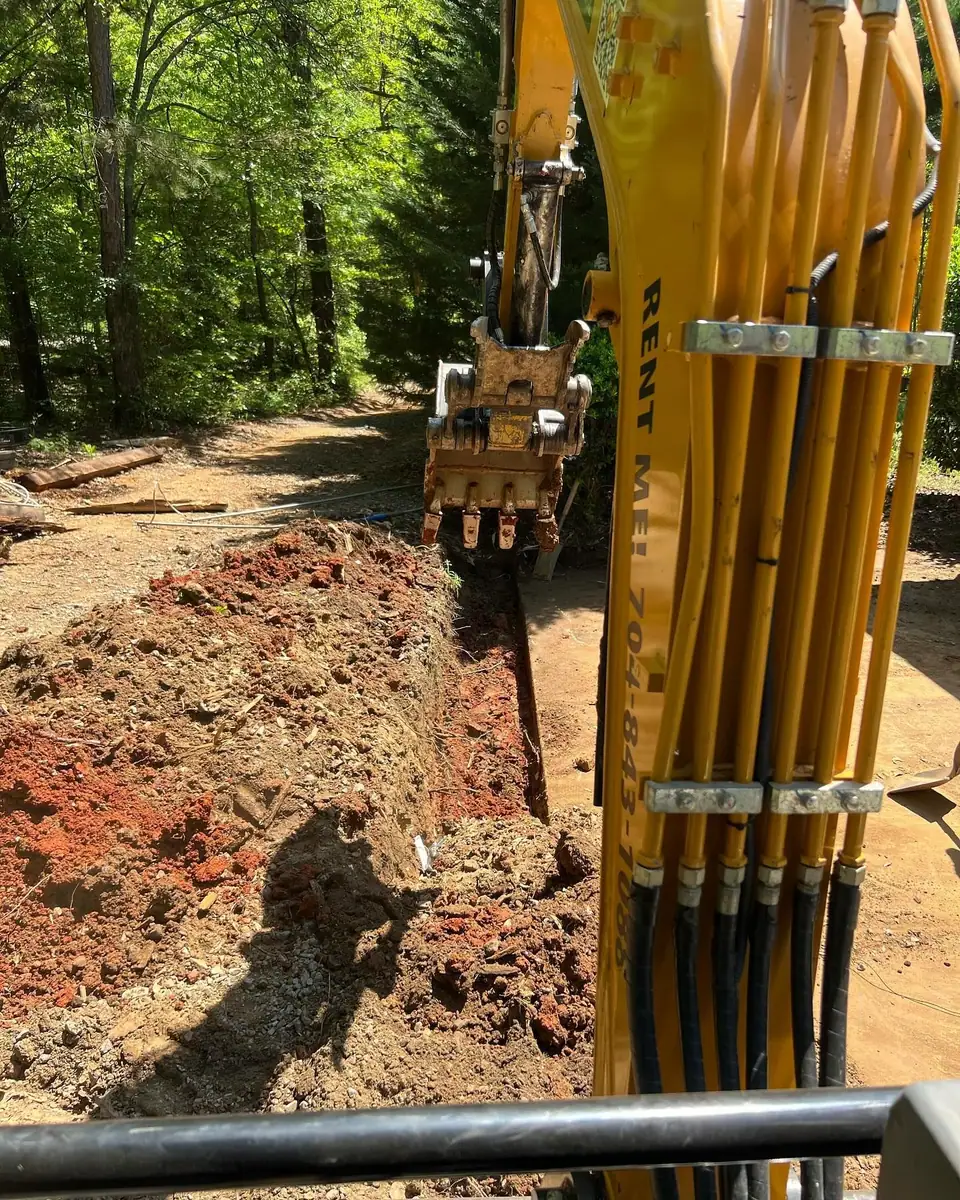
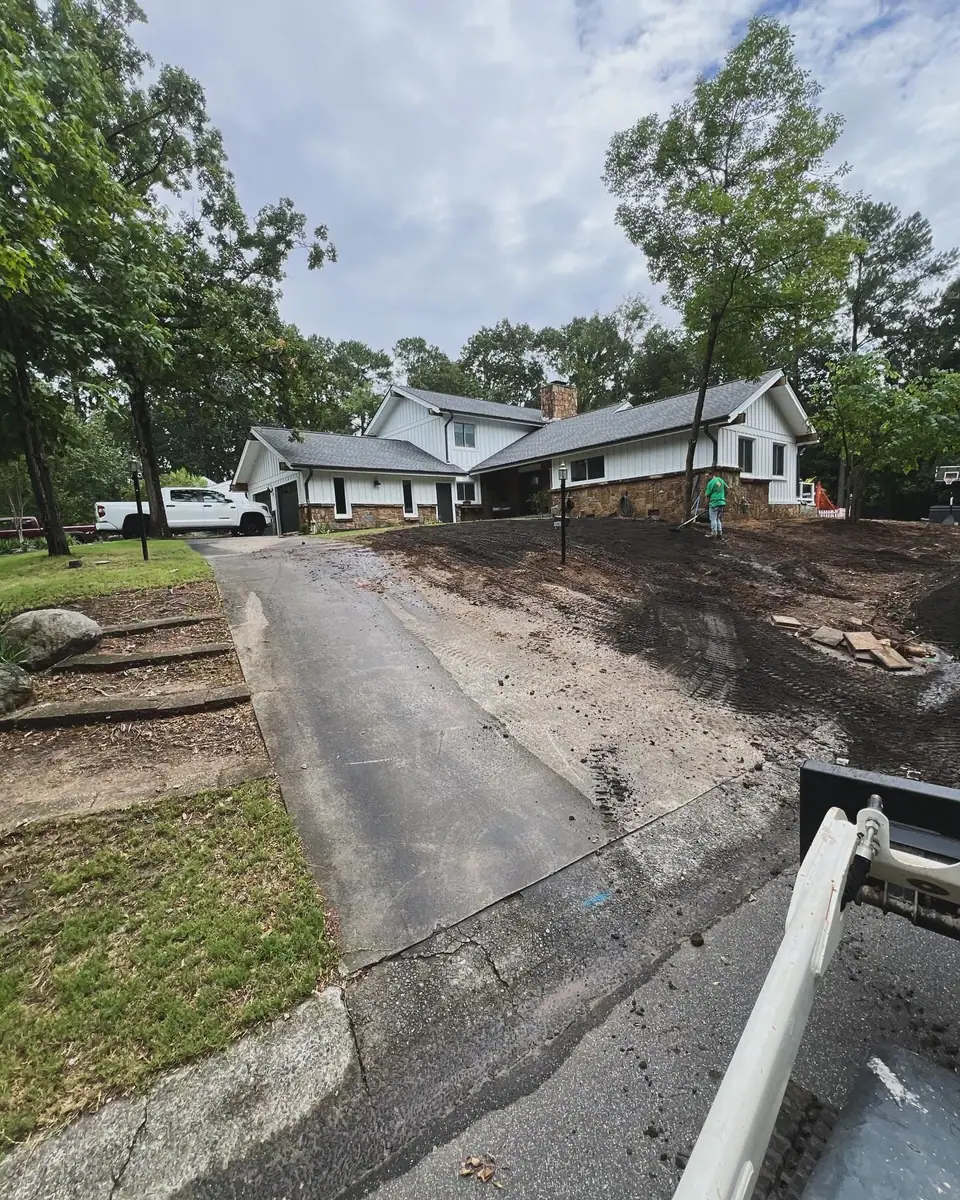
Poor drainage causes long-term damage because water that sits in the yard kills grass roots, invites disease and erodes soil. When it collects against the house, the clay swells and shrinks, which can crack foundations and dampen crawlspaces. The damage builds slowly, so early fixes cost far less.
Poor yard drainage is one of those problems homeowners often ignore—until it becomes expensive. A little standing water after rain might not seem like a big deal at first, but over time, improper drainage can quietly damage your lawn, weaken your landscape, and even threaten the structural integrity of your home’s foundation.
Understanding how water behaves on your property is key to preventing long-term issues. Once you see how drainage problems develop and what they lead to, it becomes clear why proper grading and drainage solutions are essential—not optional.
Why Yard Drainage Matters More Than Most Homeowners Realize
Every property is designed to handle rainfall in a controlled way. Ideally, water should flow away from your home, move through designated drainage paths, and be absorbed safely into the soil or redirected into storm systems.
When drainage is poor, water has nowhere to go. It begins to collect in low spots, saturate the soil, and slowly create damage that builds over months or years.
The real issue is not just what you can see after a storm—it’s what happens beneath the surface.
Common Causes of Poor Yard Drainage
Before understanding the damage, it helps to know what causes drainage problems in the first place.
1. Improper Yard Grading
If your yard is not sloped correctly, water naturally flows toward your home instead of away from it. Even a slight misgrade can create recurring puddles and soggy areas.
2. Clay or Dense Soil Composition
Many regions have heavy clay soil that does not absorb water quickly. Instead of draining, water sits on the surface or moves very slowly through the ground.
3. Clogged or Missing Drainage Systems
Downspouts, French drains, and surface drains are meant to direct water away from structures. If they are missing, damaged, or clogged, water accumulates where it shouldn’t.
4. Overwatering or Poor Irrigation Design
Irrigation systems that run too frequently or unevenly can saturate specific areas of the lawn, creating mini “swamps” over time.
5. Landscape Obstructions
Hardscapes like patios, walkways, or retaining walls can unintentionally block natural water flow if not designed with drainage in mind.
How Poor Drainage Slowly Destroys Your Lawn
Your lawn is often the first visible victim of drainage problems. What starts as soft soil or occasional puddles can quickly escalate into widespread lawn damage.
1. Root Rot and Grass Decline
Grass roots need oxygen as much as they need water. When soil remains waterlogged, oxygen levels drop and roots begin to suffocate.
This leads to:
- Yellowing grass
- Patchy or thinning lawn areas
- Weak root systems that can’t recover after stress
Over time, large sections of grass may die completely, leaving bare soil behind.
2. Increased Weed Growth
Weeds thrive in weak, stressed lawns. Poor drainage creates the perfect environment for invasive species such as crabgrass, sedges, and moss.
Once weeds take hold, they compete with your grass for nutrients and moisture, making lawn recovery even harder.
3. Soil Compaction and Erosion
When water repeatedly pools in the same areas, it compacts the soil beneath it. Compacted soil prevents proper air and nutrient flow.
In other cases, especially on sloped yards, excess runoff can wash away topsoil entirely. This leads to uneven ground, exposed roots, and poor plant growth.
4. Lawn Diseases and Fungal Growth
Excess moisture encourages fungi and lawn diseases such as:
- Brown patch
- Dollar spot
- Root fungus
These diseases spread quickly in damp environments and can destroy large sections of turf if not addressed.
5. Dead Patches and Permanent Damage
If drainage issues continue unchecked, parts of your lawn may become permanently damaged. At this stage, simple lawn care is no longer enough—you may need soil replacement or re-sodding.
How Poor Drainage Impacts Your Home’s Foundation
While lawn damage is frustrating, foundation damage is far more serious—and expensive.
Water is one of the biggest threats to a home’s structural integrity. When it pools around your foundation, it creates pressure and long-term weakening.
1. Hydrostatic Pressure Against Foundation Walls
When soil around your home becomes saturated, it expands and puts pressure on foundation walls. This is called hydrostatic pressure.
Over time, this pressure can cause:
- Wall cracks
- Bowing basement walls
- Structural shifting
Even small cracks can grow larger as water continues to seep in.
2. Foundation Cracks and Water Intrusion
Standing water near your home eventually finds its way into tiny cracks in concrete. Once inside, it can:
- Expand cracks over time
- Create damp basements or crawl spaces
- Lead to mold growth inside the home
This is one of the most expensive consequences of poor drainage.
3. Basement Flooding and Moisture Problems
Homes with basements are especially vulnerable. If drainage directs water toward the house, flooding becomes a recurring issue.
Even minor seepage can lead to:
- Musty odors
- Mold and mildew growth
- Damaged flooring and drywall
4. Soil Shifting and Foundation Movement
When soil repeatedly absorbs and releases water, it expands and contracts. This movement can gradually shift your foundation.
Signs may include:
- Uneven floors
- Sticking doors or windows
- Visible cracks in interior walls
These issues often develop slowly, making them easy to overlook until they become severe.
Outdoor Structures Also Suffer
Poor drainage doesn’t just affect your lawn and home. It also damages outdoor features such as:
- Driveways (cracking and sinking)
- Patios (settling or tilting)
- Retaining walls (bulging or failure)
- Walkways (erosion underneath)
Water is persistent—if it isn’t directed properly, it will find the weakest point in your landscape.
Warning Signs of Yard Drainage Problems
Homeowners often miss early indicators. Watch for these warning signs:
- Water pooling for more than 24 hours after rain
- Spongy or soggy lawn areas
- Mud forming near foundation edges
- Grass that stays overly green in patches (over-saturation)
- Visible soil erosion or washouts
- Musty smell near basement or crawl space
If you notice more than one of these signs, drainage issues are likely already developing.
Long-Term Consequences of Ignoring Drainage Issues
Ignoring drainage problems rarely makes them go away. Instead, they typically worsen over time and lead to:
- Expensive foundation repairs
- Complete lawn replacement
- Landscape reconstruction
- Mold remediation inside the home
- Reduced property value
What starts as a simple water pooling issue can eventually turn into a structural repair project costing thousands of dollars.
Effective Solutions for Poor Yard Drainage
The good news is that most drainage issues can be fixed with the right approach. Common solutions include:
1. Regrading the Yard
Adjusting the slope of your yard ensures water flows away from your home instead of toward it.
2. Installing French Drains
French drains redirect water underground through gravel and perforated pipes, moving it away from problem areas.
3. Downspout Extensions
Redirecting roof runoff away from the foundation is one of the simplest and most effective fixes.
4. Dry Creek Beds
These decorative drainage channels help guide water naturally while improving landscape appearance.
5. Soil Aeration and Improvement
Improving soil structure helps water absorb more evenly instead of pooling.
6. Retaining Walls with Drainage Support
Properly built retaining walls include drainage systems to prevent water buildup behind them.
Preventing Drainage Problems in the Future
Once drainage issues are fixed, maintenance is key. Homeowners should:
- Keep gutters and downspouts clean
- Avoid overwatering lawns
- Monitor yard grading after landscaping work
- Inspect drainage paths after heavy rain
- Address small pooling areas early
Prevention is always more affordable than repair.
Final Thoughts
Poor yard drainage is not just a landscaping inconvenience—it’s a long-term threat to both your outdoor space and your home’s structural health. From soggy lawns and dead grass to foundation cracks and basement flooding, the effects can escalate quickly if left unaddressed.
The key is early detection and proper correction. Whether through regrading, drainage installation, or soil improvements, solving water issues at the surface protects everything underneath it.
A well-drained yard doesn’t just look better—it protects your investment for years to come.
Need help with drainage?
Free, written estimates from an owner-led crew.