To design a low-maintenance landscape that still looks high-end, use fewer plant varieties in bold groupings, clean curved bed lines, quality mulch or pine straw, natural stone or gravel accents and landscape lighting. Choose slow-growing shrubs sized for the space so pruning stays minimal.
A luxury-looking landscape does not have to come with endless weekend chores, constant watering, or high maintenance costs. In fact, the most elegant outdoor spaces are often designed with simplicity, structure, and smart planning—not complexity.
Whether you’re upgrading your front yard for curb appeal or transforming your backyard into a relaxing retreat, the key is to design intentionally. A low-maintenance landscape focuses on reducing effort while increasing long-term beauty, functionality, and value.
This guide walks through practical, professional strategies to help you design a landscape that looks high-end but stays easy to maintain year-round.
1. Start with a Smart Landscape Plan (Don’t Skip This Step)
Most high-maintenance yards become that way because they were planted or built without a clear plan. A luxury-grade, low-maintenance landscape always starts with design thinking.
Before you buy plants or install anything, consider:
- How the space will be used (entertaining, relaxing, kids, pets)
- Sun and shade patterns throughout the day
- Drainage and soil conditions
- Maintenance time you realistically want to spend per week
- Views from inside the home (windows matter as much as the yard)
A professional-looking yard is not random—it is structured. Even simple layouts can look premium when zones are clearly defined.
Design tip:
Divide your yard into “functional zones”:
- Seating/entertainment area
- Green focal area
- Pathways or transitions
- Low-water planting beds
This immediately creates order, which is a hallmark of luxury landscaping.
2. Use Native and Climate-Appropriate Plants
One of the biggest secrets to low-maintenance landscaping is plant selection. Exotic plants may look appealing, but they often require extra water, fertilizers, pruning, and pest control.
Instead, choose:
- Native plants
- Drought-tolerant plants
- Regionally adapted shrubs and grasses
These plants naturally thrive in your local environment, which means less intervention from you.
Benefits of native planting:
- Requires less watering once established
- More resistant to local pests and diseases
- Lower fertilizer needs
- Better long-term survival rates
Example plant types often used in low-maintenance luxury landscapes:
- Ornamental grasses (for movement and texture)
- Evergreen shrubs (for year-round structure)
- Groundcovers instead of high-maintenance lawns
- Perennials that return yearly without replanting
A luxury landscape is not about quantity—it’s about consistency and texture that looks good in every season.
3. Reduce Lawn Area (Yes, This Changes Everything)
Lawns are one of the most maintenance-heavy features in any yard. They require:
- Regular mowing
- Fertilizing
- Weed control
- Irrigation
- Seasonal reseeding in some climates
A luxury low-maintenance design does not eliminate lawns completely—but it reduces them strategically.
Smart alternatives to large lawns:
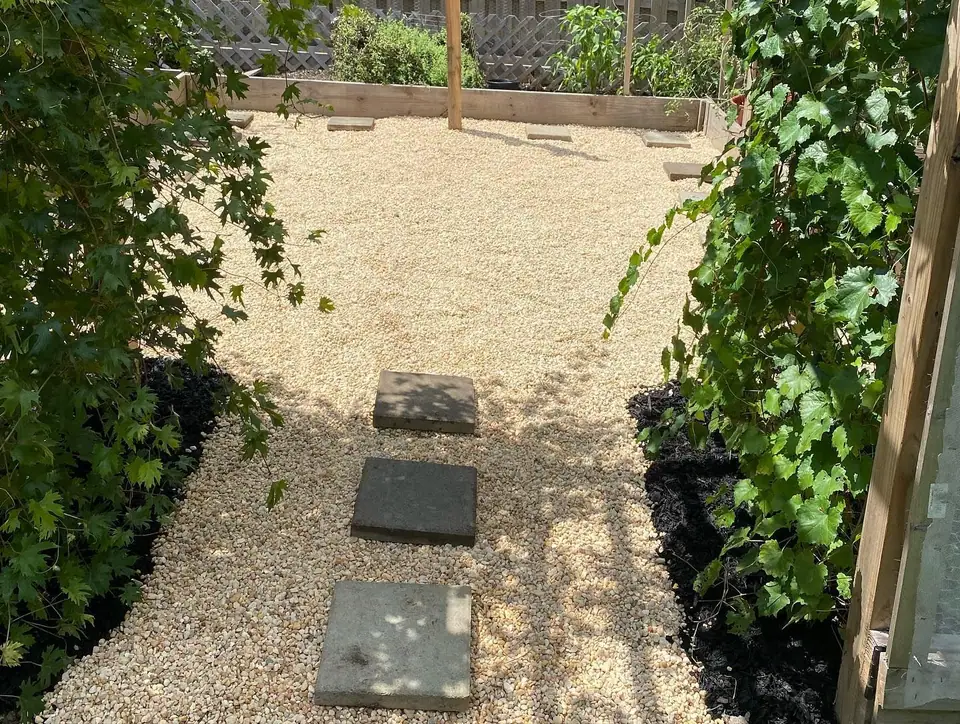
- Decorative gravel or stone areas
- Groundcover plants
- Mulched garden beds
- Artificial turf (in select areas)
- Hardscaped patios
Pro design principle:
Think of grass as an “accent,” not the main feature.
Smaller, well-shaped lawn sections framed by clean edges and planting beds look far more upscale than large, uneven grassy areas.
4. Invest in Hardscaping for Structure and Elegance
Hardscaping is the backbone of a luxury landscape. These are the non-living elements such as:
- Patios
- Walkways
- Retaining walls
- Stone borders
- Outdoor seating areas
Hardscaping reduces maintenance because it replaces areas that would otherwise need mowing, watering, or trimming.
Why hardscaping creates a luxury feel:
- Adds structure and symmetry
- Creates usable outdoor living space
- Reduces plant clutter
- Provides year-round visual appeal
Popular low-maintenance hardscape materials:
- Natural stone
- Concrete pavers
- Stamped concrete
- Gravel with edging
Well-placed stone or pavers instantly elevate a yard from “basic” to “architect-designed.”
5. Use Mulch Strategically to Control Weeds and Moisture
Mulch is one of the simplest ways to reduce maintenance while improving appearance.
Benefits of mulch:
- Suppresses weed growth
- Retains soil moisture (reducing watering needs)
- Improves soil health over time
- Gives planting beds a clean, finished look
Best practice:
- Apply 2–3 inches of mulch in planting beds
- Refresh once or twice per year
- Keep mulch slightly away from plant stems and tree trunks
For a more luxury aesthetic, consider:
- Dark brown mulch for contrast
- Decorative bark or wood chips
- Stone mulch in modern designs
A well-mulched landscape always looks cleaner, even when plant growth is natural and relaxed.
6. Choose Simple, Repeating Plant Patterns
Luxury landscapes often feel cohesive because they repeat elements rather than using too many different plants.
Instead of planting many different species, focus on:
- Repetition of 3–5 key plant types
- Grouping plants in clusters
- Creating rhythm along walkways and borders
Why repetition matters:
- Easier maintenance (same care requirements)
- Cleaner visual flow
- More professional, designed appearance
Example:
Instead of 20 different flowers, use:
- One ornamental grass
- One flowering shrub
- One groundcover
- One evergreen accent
Repeat these across your yard in structured patterns.
7. Install Efficient Irrigation Systems
Manual watering is time-consuming and inconsistent. A luxury-grade landscape always includes smart irrigation.
Options include:
- Drip irrigation (best for beds and shrubs)
- Sprinkler systems with timers
- Smart controllers (weather-based watering adjustments)
Benefits:
- Prevents overwatering or underwatering
- Reduces water bills
- Keeps plants healthier with consistent moisture
- Eliminates daily watering tasks
Once installed properly, irrigation becomes invisible—but extremely valuable.
8. Use Edging for Clean, Defined Lines
One of the fastest ways to make a yard look expensive is crisp edging.
Without edging, even well-designed landscapes can look messy as grass and plants spread unpredictably.
Types of edging:
- Metal edging (modern and subtle)
- Stone edging (natural and elegant)
- Concrete borders (strong and permanent)
- Plastic edging (budget-friendly option)
What edging does:
- Separates lawn from garden beds
- Prevents grass invasion
- Creates clean visual boundaries
- Enhances overall design structure
Luxury landscapes are defined by precision, and edging provides exactly that.
9. Choose Low-Maintenance Outdoor Lighting
Lighting transforms a landscape at night, but it also plays a role in safety and usability.
Low-maintenance lighting options:
- Solar pathway lights
- LED landscape lighting
- Motion-sensor security lights
- Low-voltage systems with timers
Design benefits:
- Highlights architectural features
- Illuminates pathways for safety
- Extends outdoor usability into evening hours
- Adds depth and ambiance
A well-lit landscape feels more upscale and intentional without requiring ongoing maintenance.
10. Keep Planting Beds Simple and Purposeful
Overcrowded planting beds are one of the biggest causes of high maintenance landscapes.
A luxury low-maintenance bed should:
- Avoid overcrowding
- Focus on plant maturity size
- Include open space and breathing room
- Limit seasonal replanting needs
Design strategy:
Think “less but better.”
A few well-placed shrubs or grasses with mulch around them often look more elegant than dense flowerbeds that require constant trimming.
11. Add Evergreen Structure for Year-Round Appeal
Seasonal plants may look beautiful temporarily, but they leave gaps in winter or off-seasons.
Evergreens solve this problem by providing:
- Year-round color
- Structural consistency
- Low maintenance growth habits
Common evergreen choices:
- Boxwood shrubs
- Juniper varieties
- Holly bushes
- Pine or spruce accents (depending on region)
Luxury landscapes always maintain visual interest in all seasons—not just spring and summer.
12. Think Long-Term: Design for Growth, Not Instant Results
One of the biggest mistakes homeowners make is designing a landscape for how it looks on day one instead of how it will look in 3–5 years.
Long-term planning includes:
- Spacing plants properly for mature size
- Choosing slow-growing species
- Minimizing replanting needs
- Allowing room for natural expansion
A truly low-maintenance landscape becomes easier over time, not harder.
Final Thoughts
A low-maintenance, luxury-grade landscape is not about doing less—it’s about designing smarter. Every decision, from plant selection to layout and materials, should reduce unnecessary effort while improving long-term beauty.
The most successful outdoor spaces share a few key traits:
- Clear structure and zoning
- Simple, repeating plant patterns
- Strong hardscaping elements
- Efficient irrigation systems
- Clean edges and intentional design
When these elements work together, the result is a landscape that looks professionally designed but requires surprisingly little upkeep.
Instead of spending weekends maintaining your yard, you get to enjoy it—exactly as a luxury outdoor space should be.
Need help with landscape design?
Free, written estimates from an owner-led crew.