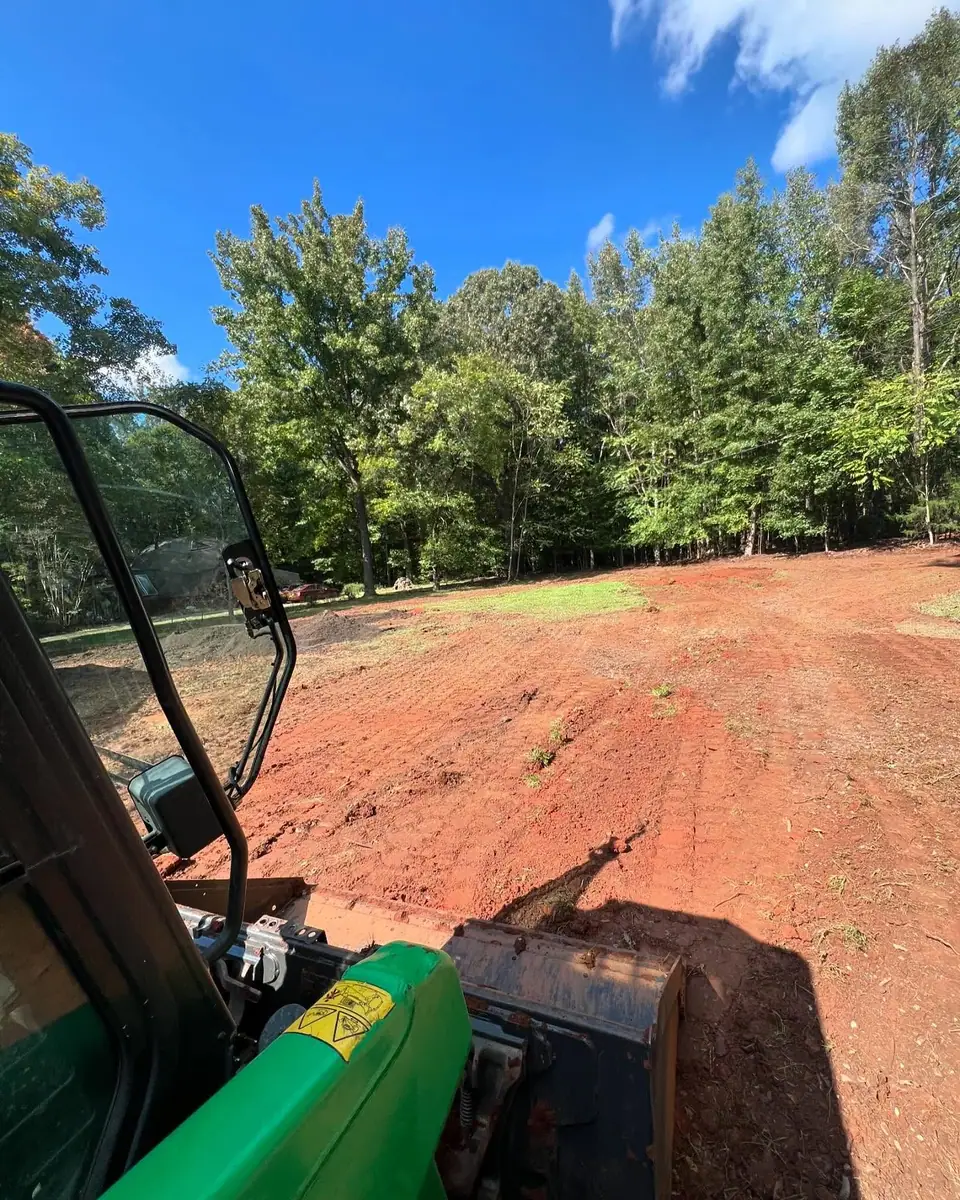
To fix standing water in a Waxhaw yard, first find the source, such as roof runoff, a slope or a low spot. Then choose the fix: buried downspout extensions, regrading to move water away, a swale for surface runoff, or a French drain for ground that stays saturated. Many yards need more than one.
Standing water is one of the most common drainage problems homeowners face. While a small puddle after a heavy rainstorm may seem harmless, water that remains in your yard for extended periods can create serious issues for your landscape, lawn, foundation, and outdoor living spaces. In Waxhaw, North Carolina, seasonal rainfall and varying soil conditions can make standing water a recurring concern for many property owners.
Ignoring drainage issues often allows problems to worsen over time. Saturated soil can damage grass, weaken plant health, attract pests, contribute to erosion, and even threaten the structural integrity of nearby buildings. The good news is that standing water can often be corrected through proper drainage planning, grading improvements, and landscape modifications.
Understanding the causes of standing water and the available solutions can help homeowners protect their properties while maintaining healthier and more attractive outdoor spaces. Whether you are dealing with a soggy lawn, muddy landscape beds, or recurring water accumulation after storms, taking action early can prevent costly repairs in the future.
Why Standing Water Is a Problem
Many homeowners assume standing water is simply an inconvenience. However, water that remains on a property for prolonged periods can create numerous issues.
Common problems associated with standing water include:
- Lawn damage
- Soil erosion
- Plant decline
- Mosquito breeding
- Foundation concerns
- Landscape deterioration
- Muddy outdoor spaces
Addressing drainage issues promptly helps minimize these risks while protecting your property’s long-term value.
Common Causes of Standing Water in Waxhaw Yards
Before choosing a solution, it is important to understand why standing water occurs.
Several factors may contribute to drainage problems.
Poor Yard Grading
One of the most common causes is improper grading.
When a yard does not slope correctly, water cannot flow away efficiently.
Instead, it collects in low areas and creates puddles.
Properties with grading issues often experience recurring drainage problems after rainfall.
Compacted Soil
Compacted soil limits water infiltration.
Instead of soaking into the ground, rainwater remains on the surface.
Heavy foot traffic, construction activity, and natural soil conditions can contribute to compaction.
Clay Soil Conditions
Many areas of North Carolina contain clay-heavy soils.
Clay soils drain more slowly than sandy soils because they hold water for longer periods.
This characteristic can increase the likelihood of standing water after storms.
Low Spots in the Yard
Natural depressions often collect runoff.
Even relatively small low areas can become persistent wet spots during rainy seasons.
Poor Drainage Design
Some properties simply lack adequate drainage systems.
Without proper drainage infrastructure, water has limited pathways for movement and may accumulate in unwanted locations.
Excessive Runoff
Water flowing from neighboring properties, roofs, driveways, or hardscape surfaces can overwhelm a yard’s natural drainage capacity.
Managing runoff effectively often requires a comprehensive drainage strategy.
Signs You Have a Drainage Problem
Some drainage issues are obvious, while others develop gradually.
Common warning signs include:
- Water pooling after rainfall
- Soggy lawn areas
- Persistent mud
- Dying grass
- Soil erosion
- Foundation moisture concerns
- Water around landscape beds
- Mosquito activity
Identifying these symptoms early allows homeowners to address drainage concerns before they become more severe.
How Standing Water Damages Lawns
Healthy lawns require a balance of moisture and oxygen.
When water remains on the surface for extended periods, grass roots may struggle to access oxygen.
This can lead to:
- Yellowing grass
- Root damage
- Turf thinning
- Bare patches
- Increased disease risk
Over time, chronic saturation can significantly reduce lawn quality.
Professional Lawn Maintenance services often help identify drainage-related turf problems before extensive damage occurs.
Risks to Landscaping and Plants
Landscape plants generally require well-drained soil.
Excess moisture can stress root systems and reduce plant health.
Common effects include:
- Root rot
- Poor growth
- Leaf discoloration
- Reduced flowering
- Plant loss
Protecting landscape investments often requires correcting drainage issues as part of a broader landscape management strategy.
Mosquito and Pest Concerns
Standing water creates ideal breeding conditions for mosquitoes.
Even small amounts of stagnant water can support mosquito populations.
In addition to mosquitoes, excessive moisture may attract:
- Ants
- Gnats
- Rodents
- Other nuisance pests
Improving drainage helps create a healthier and more comfortable outdoor environment.
Inspect the Property Carefully
The first step toward solving standing water problems is identifying the source.
A thorough inspection should evaluate:
- Water flow patterns
- Low areas
- Downspout locations
- Soil conditions
- Existing drainage systems
Understanding how water moves across the property helps determine the most effective solution.
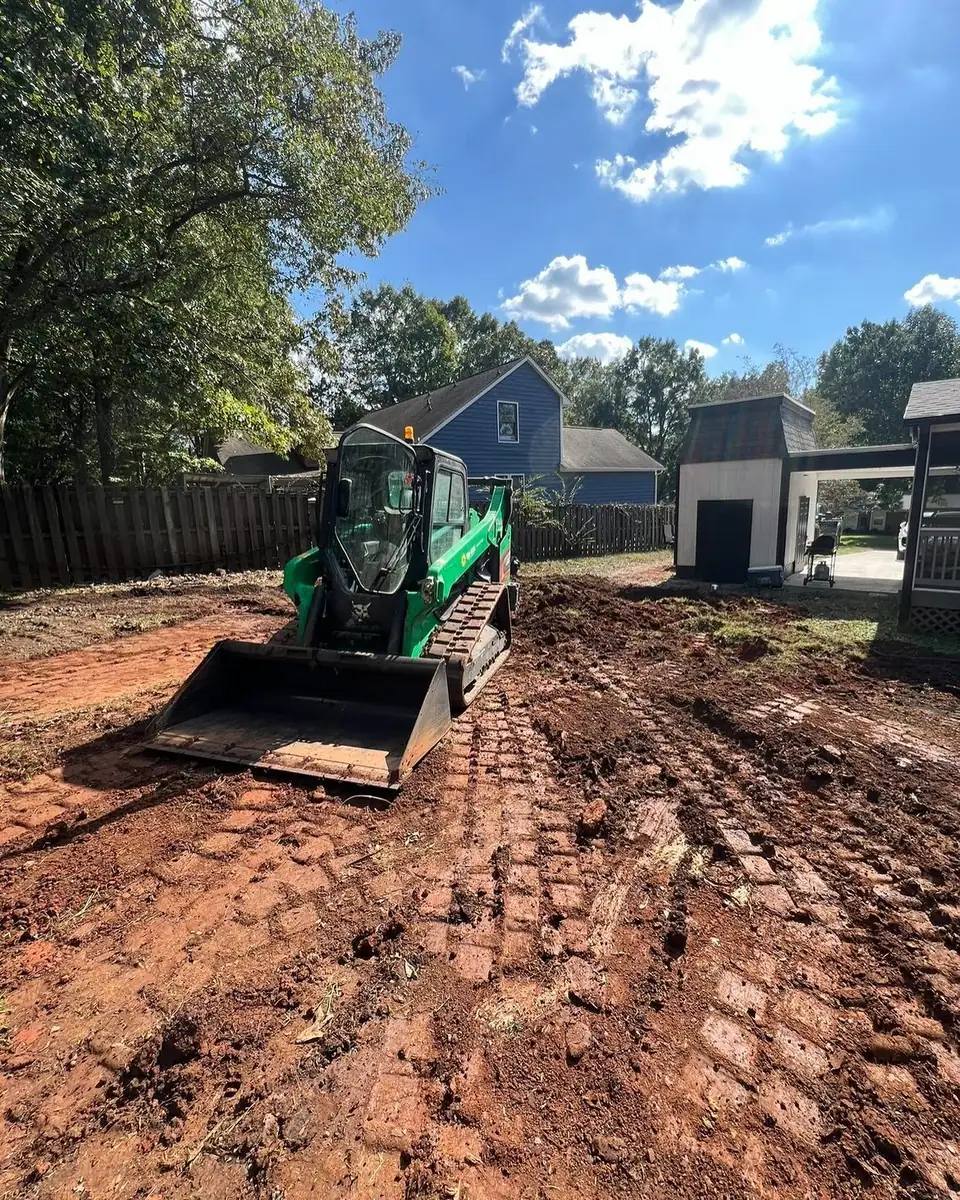
Improve Yard Grading
Proper grading is often one of the most effective long-term solutions.
Grading adjusts the slope of the land to encourage water movement away from structures and problem areas.
Benefits of professional Grading services include:
- Improved drainage
- Reduced water accumulation
- Better landscape performance
- Enhanced property functionality
Because grading affects the entire property, professional planning is important.
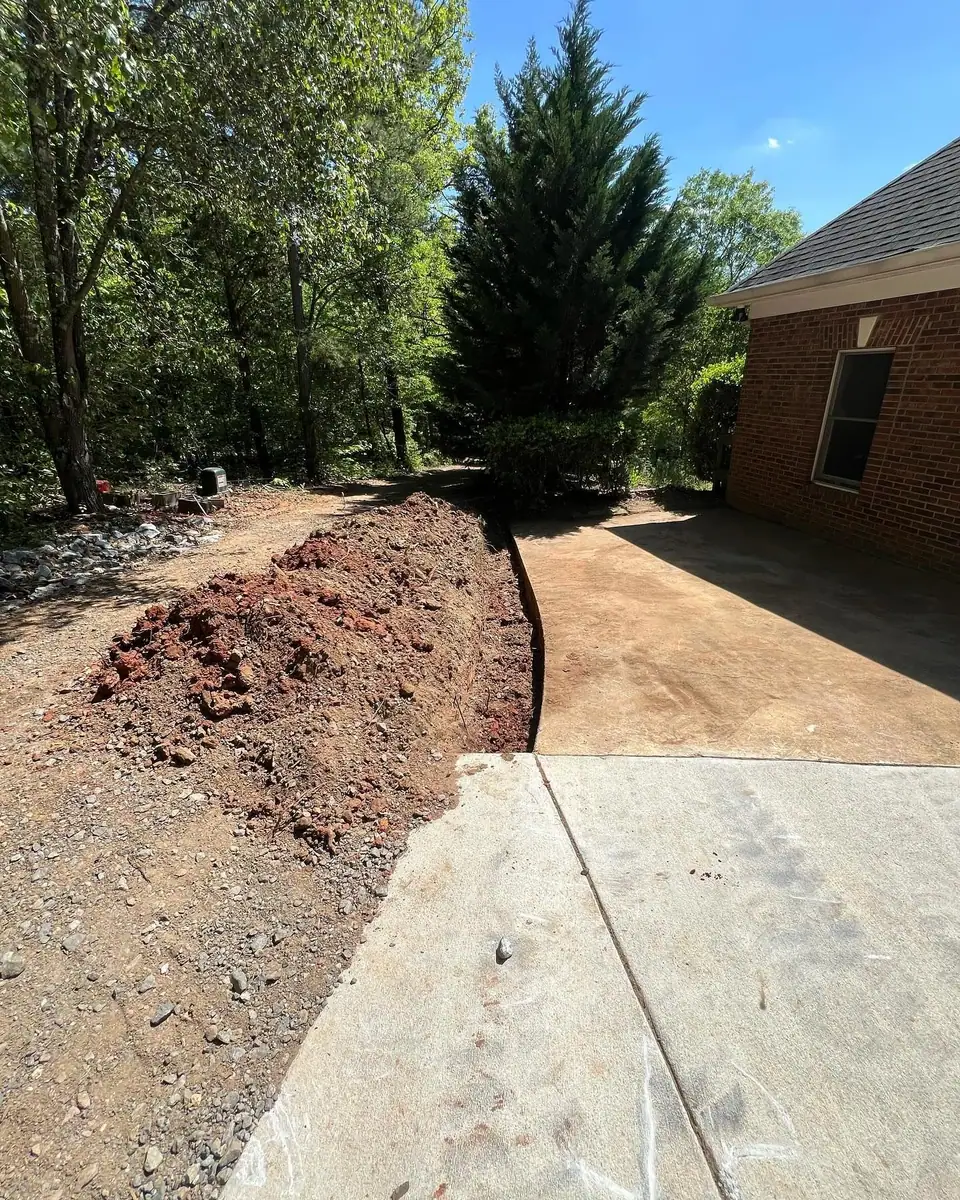
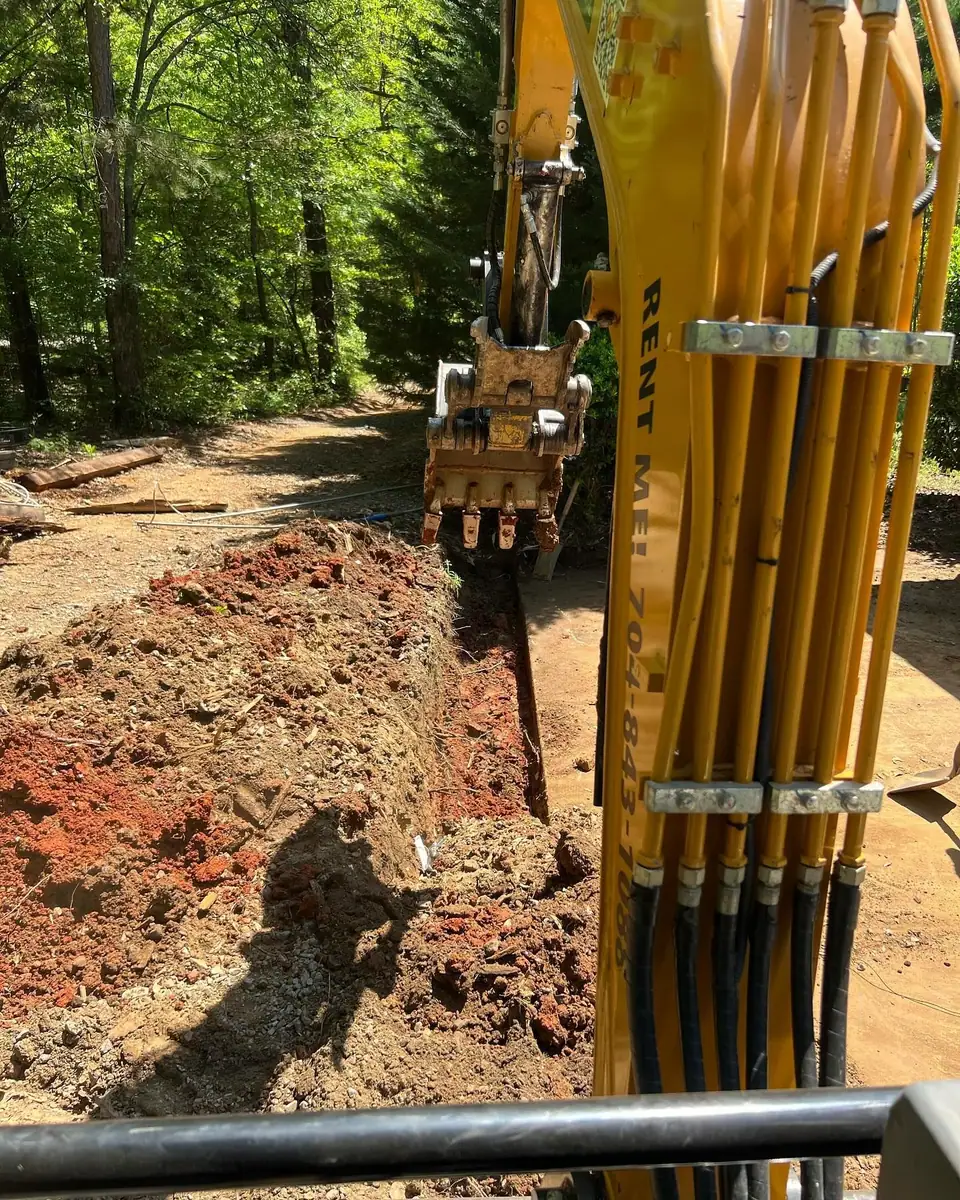
Install a French Drain
French drains remain one of the most popular drainage solutions.
A French drain typically consists of:
- A trench
- Gravel
- Perforated drainage pipe
This system collects excess water and redirects it away from problem areas.
French drains are often effective for:
- Wet lawns
- Landscape beds
- Foundation protection
- Persistent drainage issues
A professional drainage assessment can determine whether a French drain is appropriate for your property.
Use Catch Basins and Drainage Systems
Catch basins help collect surface water before it accumulates.
These systems direct water into underground drainage pipes and away from vulnerable areas.
Catch basins are commonly used near:
- Driveways
- Patios
- Low spots
- Hardscape areas
Proper installation helps improve water management during heavy rainfall events.
Extend Downspouts
Roof runoff frequently contributes to standing water problems.
If downspouts discharge water too close to the home, saturation may occur near the foundation and surrounding landscape.
Extending downspouts can help:
- Move water farther away
- Reduce pooling
- Protect foundations
- Improve overall drainage
This relatively simple solution can provide significant benefits when roof runoff is a contributing factor.
Aerate Compacted Soil
Soil compaction limits water infiltration.
Aeration creates small openings that allow water, oxygen, and nutrients to penetrate the soil more effectively.
Benefits of aeration include:
- Improved drainage
- Stronger root growth
- Better lawn health
- Enhanced soil performance
Aeration is particularly beneficial for lawns experiencing heavy use or persistent compaction.
Create Dry Creek Beds
Dry creek beds offer both functional and aesthetic benefits.
These decorative drainage features help channel water while enhancing landscape design.
Benefits include:
- Improved drainage
- Reduced erosion
- Attractive appearance
- Low maintenance requirements
Dry creek beds are often integrated into Landscape Design projects to address water management challenges creatively.
Install Drainage Swales
A swale is a shallow channel designed to guide water safely across a property.
Swales can:
- Redirect runoff
- Reduce erosion
- Improve drainage performance
- Protect landscaping
When properly designed, swales blend naturally into the landscape.
Add Drainage-Friendly Landscaping
Certain landscape strategies help improve water management.
Examples include:
- Native plants
- Deep-rooted vegetation
- Rain gardens
- Strategic planting layouts
Plants capable of tolerating occasional moisture can help absorb excess water while enhancing landscape appearance.
Consider Rain Gardens
Rain gardens are designed specifically to manage stormwater runoff.
These landscaped depressions collect and temporarily hold water while allowing gradual infiltration.
Benefits include:
- Reduced runoff
- Improved drainage
- Enhanced curb appeal
- Environmental benefits
Rain gardens can become attractive focal points within residential landscapes.
Protect Your Foundation
Standing water near a home’s foundation can create serious structural concerns.
Excess moisture may contribute to:
- Foundation settlement
- Cracking
- Moisture intrusion
- Basement issues
Addressing drainage concerns promptly helps protect one of the most valuable components of the property.
Address Erosion Problems Early
Water movement often contributes to soil erosion.
Erosion can damage:
- Lawns
- Landscape beds
- Slopes
- Hardscape areas
Professional Drainage Solutions help stabilize vulnerable areas while preserving landscape integrity.
Maintain Existing Drainage Systems
Even effective drainage systems require maintenance.
Homeowners should periodically inspect:
- Drainage pipes
- Catch basins
- Downspouts
- Swales
- Drain outlets
Regular maintenance helps ensure continued performance during heavy rainfall.
The Importance of Professional Drainage Evaluation
While some drainage issues appear simple, the underlying causes are often more complex than homeowners realize.
Water may originate from:
- Neighboring properties
- Roof runoff
- Underground drainage failures
- Improper grading
- Soil conditions
A professional evaluation helps identify the true source of the problem and ensures that the recommended solution addresses the root cause rather than merely treating symptoms.
Professional drainage specialists understand how water behaves across a property and can develop customized solutions that provide long-term results.
How Drainage Solutions Improve Property Value
Drainage improvements may not be as visually dramatic as a landscape renovation, but they can significantly affect property value.
Buyers often notice signs of drainage issues, including:
- Muddy lawns
- Standing water
- Erosion
- Foundation concerns
- Damaged landscaping
Correcting these problems helps improve both the appearance and functionality of the property.
Well-drained landscapes are generally more attractive, easier to maintain, and more appealing to prospective buyers.
Standing Water and Outdoor Living Spaces
Many homeowners invest in outdoor amenities such as:
- Patios
- Walkways
- Fire pit areas
- Outdoor kitchens
- Seating spaces
Standing water can interfere with the enjoyment and usability of these features.
Water accumulation may create slippery surfaces, increase maintenance requirements, and reduce overall comfort.
Effective drainage solutions help protect outdoor investments while improving year-round usability.
Why Local Knowledge Matters in Waxhaw
Every region has unique drainage challenges.
Waxhaw properties may experience issues related to:
- Seasonal rainfall
- Clay-heavy soils
- Rolling terrain
- New construction development
- Changing water flow patterns
A local drainage professional understands these regional factors and can recommend solutions tailored to local conditions.
This expertise often results in more effective and longer-lasting outcomes.
Integrating Drainage Into Landscape Design
Drainage should be considered an essential part of every landscape design plan.
Ignoring water movement can lead to future problems regardless of how attractive the landscape initially appears.
Professional Landscape Design often incorporates:
- Proper grading
- Water management systems
- Plant selection
- Erosion control strategies
Integrating drainage planning early helps support healthier landscapes and more sustainable outdoor environments.
The Relationship Between Drainage and Lawn Maintenance
Healthy lawns depend on proper drainage.
Even the best Lawn Maintenance program may struggle to produce results if standing water remains unresolved.
Poor drainage can contribute to:
- Turf diseases
- Root damage
- Weed growth
- Thin grass coverage
Correcting drainage problems often improves the effectiveness of routine lawn care practices.
The combination of proper drainage and consistent Lawn Maintenance helps support stronger, healthier turf.
How Trees Influence Drainage
Trees can affect drainage in both positive and negative ways.
Healthy trees may:
- Improve soil stability
- Increase water absorption
- Reduce erosion
However, certain root systems can also interfere with drainage infrastructure if not managed properly.
Professional Tree Maintenance helps ensure trees remain healthy while minimizing potential conflicts with drainage systems.
Pressure Washing and Drainage Awareness
Although Pressure Washing primarily improves property appearance, it can also reveal drainage-related issues.
During cleaning, homeowners may notice:
- Water flow problems
- Surface pooling
- Drain blockages
- Runoff concerns
Keeping hardscape surfaces clean often makes it easier to identify areas requiring drainage improvements.
Seasonal Drainage Considerations
Drainage needs can change throughout the year.
Spring
Spring rainfall often exposes existing drainage weaknesses.
This season is an ideal time to inspect:
- Drainage systems
- Low areas
- Erosion-prone zones
Summer
Summer storms may produce large amounts of runoff in a short period.
Properties should be prepared to manage sudden rainfall efficiently.
Fall
Falling leaves can clog drainage systems and restrict water flow.
Regular cleanup helps maintain drainage performance.
Winter
Although Waxhaw winters are generally mild, seasonal weather can still affect drainage patterns and soil conditions.
Year-round attention helps ensure continued effectiveness.
Preventative Drainage Planning
The most effective drainage strategies focus on prevention rather than reaction.
Waiting until standing water becomes severe often increases repair costs and landscape damage.
Preventative planning may include:
- Professional inspections
- Drainage improvements
- Grading adjustments
- Routine maintenance
Proactive property management helps reduce future problems while protecting landscape investments.
Common Drainage Mistakes to Avoid
Homeowners sometimes attempt quick fixes that fail to address underlying problems.
Common mistakes include:
- Ignoring recurring puddles
- Adding soil without proper grading plans
- Installing inadequate drainage systems
- Failing to address runoff sources
- Neglecting maintenance
Professional guidance helps ensure drainage solutions are designed correctly and installed effectively.
Signs You Need Professional Standing Water Removal
While minor puddles may resolve naturally, some situations require professional intervention.
Consider seeking professional assistance if you notice:
- Water remaining longer than 24 to 48 hours
- Repeated flooding
- Erosion damage
- Foundation concerns
- Dying grass
- Persistent mud
These symptoms often indicate more significant drainage issues requiring specialized solutions.
Benefits of Professional Standing Water Removal Services
Professional Standing Water Removal services offer several advantages.
Benefits include:
- Accurate diagnosis
- Customized drainage solutions
- Long-term effectiveness
- Improved property health
- Reduced maintenance concerns
Rather than relying on temporary fixes, professional services focus on addressing root causes and creating sustainable improvements.
Why Homeowners Trust Galloway Scapes
Homeowners throughout Waxhaw rely on experienced professionals when addressing drainage challenges.
Galloway Scapes provides services designed to improve property functionality and outdoor appearance.
Available services include:
- Drainage Solutions
- Standing Water Removal
- Lawn Maintenance
- Landscape Design
- Tree Maintenance
- Land Grading
- Pressure Washing
These services work together to support healthier landscapes while helping homeowners protect their investments.
Creating a Healthier, More Functional Yard
A dry, healthy yard offers numerous benefits.
Homeowners often enjoy:
- Better lawn performance
- Improved landscape health
- Enhanced curb appeal
- Reduced pest activity
- Greater outdoor usability
Addressing standing water creates a stronger foundation for every other landscaping improvement.
Whether the goal is maintaining a beautiful lawn, protecting a foundation, or creating enjoyable outdoor spaces, proper drainage plays a critical role.
Final Thoughts
Standing water is more than a cosmetic issue. Left unresolved, it can damage lawns, harm landscaping, encourage pests, contribute to erosion, and create costly property concerns. Fortunately, many drainage problems can be corrected through professional solutions such as grading improvements, French drains, drainage systems, rain gardens, and standing water removal services.
In Waxhaw, NC, seasonal rainfall and local soil conditions often make drainage planning an essential part of landscape management. By identifying problems early and implementing effective solutions, homeowners can protect their properties while improving outdoor functionality and appearance.
Whether you are dealing with a soggy lawn, recurring puddles, or larger drainage challenges, investing in professional drainage services can provide long-term benefits. Proper water management helps support healthy landscapes, stronger lawns, and more enjoyable outdoor living spaces for years to come.
Frequently Asked Questions
What causes standing water in a yard?
Common causes include poor grading, compacted soil, clay-heavy soil, low spots, excessive runoff, and inadequate drainage systems.
Why is standing water bad for lawns?
Standing water can deprive grass roots of oxygen, leading to turf damage, disease, thinning grass, and poor lawn health.
How long should water remain in a yard after rain?
Most yards should drain within 24 to 48 hours. Water that remains longer may indicate a drainage problem.
What is the best solution for standing water?
The ideal solution depends on the cause. Common options include grading, French drains, catch basins, swales, and professional drainage systems.
Can standing water damage my home’s foundation?
Yes. Excess moisture near foundations can contribute to cracking, settlement, and water intrusion problems.
What is a French drain?
A French drain is a gravel-filled trench containing perforated pipe that collects and redirects excess water away from problem areas.
Can landscaping help improve drainage?
Yes. Strategic planting, rain gardens, grading improvements, and landscape design modifications can help manage water effectively.
When should I contact a drainage professional?
If standing water persists after rainfall, causes erosion, damages landscaping, or creates foundation concerns, professional evaluation is recommended.
Need help with drainage?
Free, written estimates from an owner-led crew.