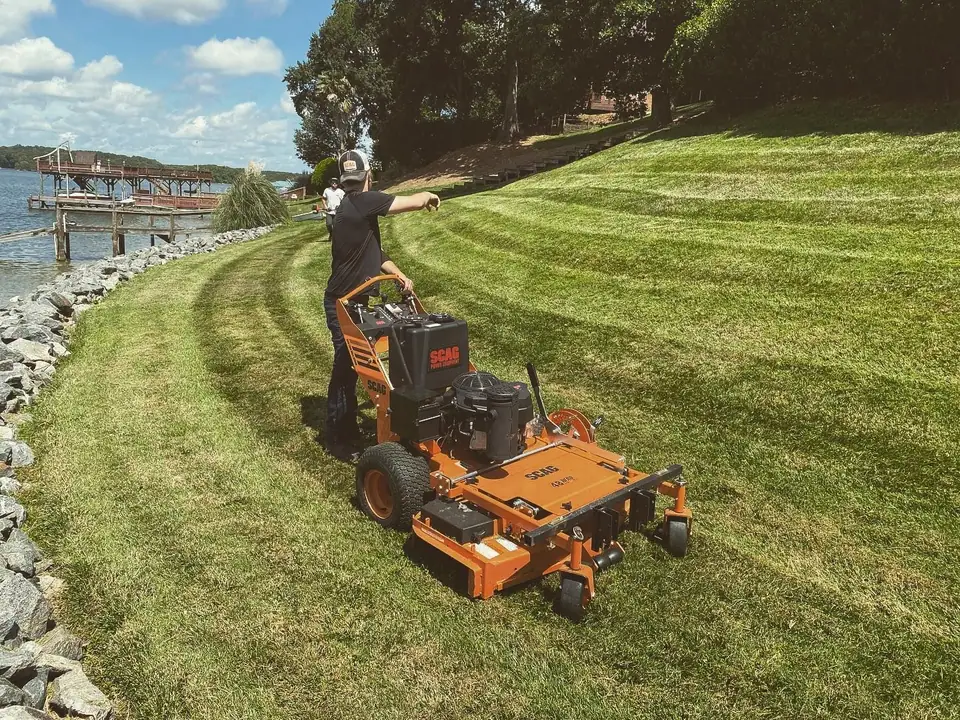
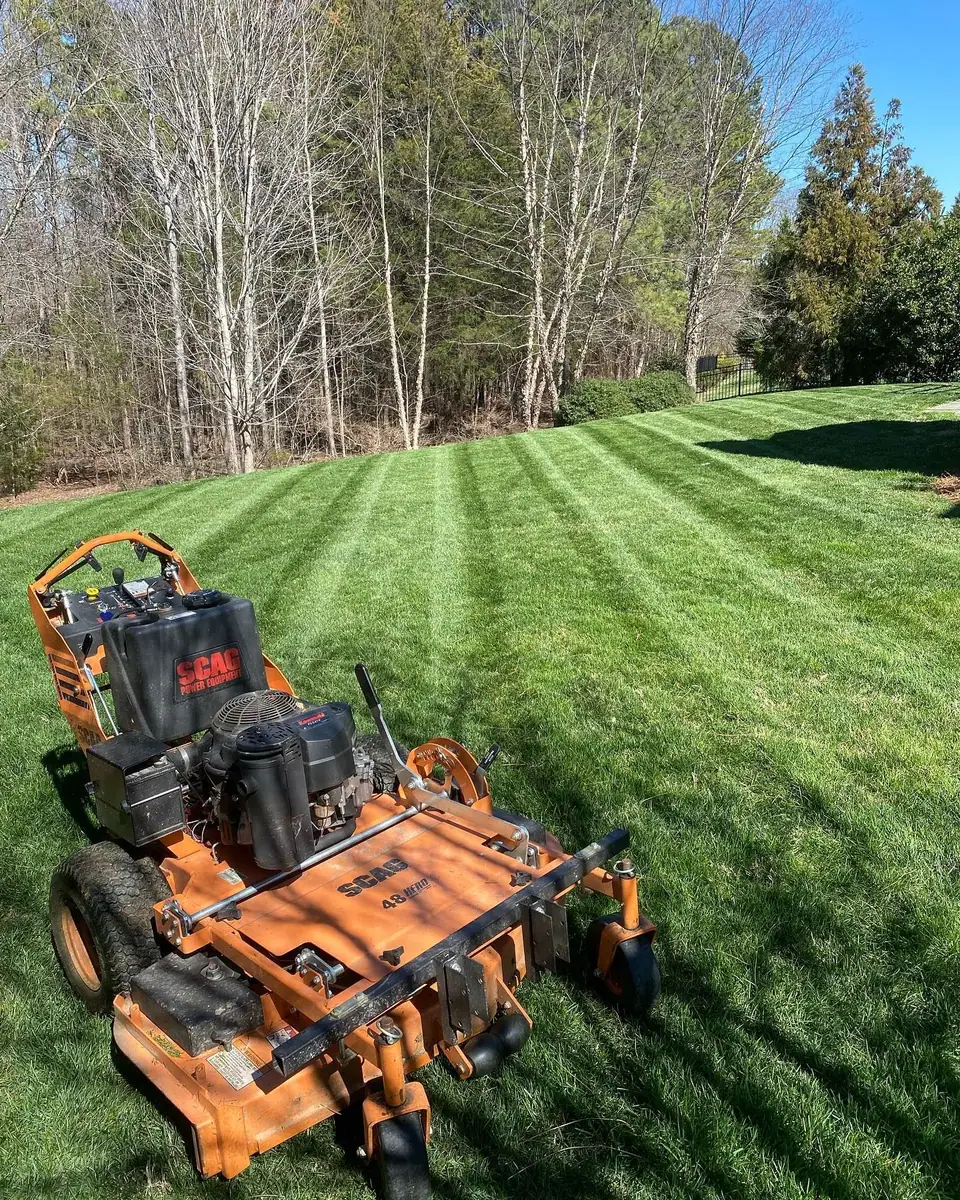
Lawn maintenance comes down to a few habits: mow often at the right height for your grass, never cut more than a third of the blade at once, edge and clean up after each mow, water deeply but not daily, control weeds on a schedule, and aerate and fertilize at the right time of year.
A lush, green lawn doesn’t happen by accident. It’s the result of consistent care, smart seasonal strategies, and understanding what your yard truly needs throughout the year. Whether you’re a homeowner looking to boost curb appeal or simply want a healthy outdoor space to enjoy, proper lawn maintenance is essential.
The good news? You don’t need to be a landscaping expert to achieve a beautiful, weed-free yard. With the right approach and a little consistency, you can maintain a lawn that stays green, strong, and resilient in every season.
This comprehensive guide will walk you through everything you need to know about lawn maintenance—from the basics to advanced tips—so your yard looks its best all year long.
1. Understanding Your Lawn: The Foundation of Proper Care
Before diving into maintenance routines, it’s important to understand your lawn’s unique characteristics.
Grass Type Matters
Different grass types thrive in different climates. Cool-season grasses (like fescue and bluegrass) grow best in cooler temperatures, while warm-season grasses (like Bermuda and zoysia) prefer heat.
Soil Health Is Key
Healthy soil leads to healthy grass. Soil that’s rich in nutrients and well-draining supports strong root systems.
Sunlight and Shade
Some areas of your lawn may receive more sunlight than others, affecting growth patterns.
By understanding these factors, you can tailor your lawn care strategy for better results.
2. The Basics of Lawn Maintenance
A strong lawn care routine includes a few essential practices:
- Mowing
- Watering
- Fertilizing
- Aeration
- Weed control
Consistency is more important than perfection. Even small, regular efforts can lead to significant improvements over time.
3. Proper Mowing Techniques
Mowing isn’t just about keeping your lawn short—it plays a major role in overall health.
Best practices:
- Never cut more than one-third of the grass height at a time
- Keep mower blades sharp for clean cuts
- Adjust mowing height based on the season
- Leave grass clippings to return nutrients to the soil
Why it matters:
Proper mowing encourages deeper root growth and helps prevent weeds.
4. Watering Your Lawn the Right Way
Watering is one of the most misunderstood aspects of lawn care.
How much to water:
- Most lawns need about 1–1.5 inches of water per week
Best time to water:
- Early morning (before 10 AM) to reduce evaporation
Common mistakes:
- Overwatering, which can lead to shallow roots and disease
- Watering at night, which promotes fungal growth
Deep, infrequent watering is better than shallow, frequent watering.
5. Fertilization: Feeding Your Lawn for Growth
Grass needs nutrients to stay green and healthy.
Key nutrients:
- Nitrogen (for growth and color)
- Phosphorus (for root development)
- Potassium (for overall health and stress resistance)
Fertilization tips:
- Use a balanced fertilizer suited to your grass type
- Apply during the growing season
- Avoid over-fertilizing, which can damage grass
A well-fed lawn is more resistant to weeds and disease.
6. Aeration: Letting Your Lawn Breathe
Over time, soil can become compacted, restricting airflow and water absorption.
What is aeration?
It involves creating small holes in the soil to allow air, water, and nutrients to reach the roots.
Benefits:
- Improves root growth
- Enhances water absorption
- Reduces soil compaction
Aeration is especially important for high-traffic lawns.
7. Weed Control: Keeping Your Lawn Clean and Healthy
Weeds compete with grass for nutrients, water, and sunlight.
Types of weeds:
- Broadleaf weeds (like dandelions)
- Grassy weeds (like crabgrass)
Prevention strategies:
- Maintain a thick, healthy lawn
- Use pre-emergent herbicides to stop weeds before they grow
Control methods:
- Hand-pulling small weeds
- Applying targeted herbicides when necessary
A healthy lawn is your best defense against weeds.
8. Seasonal Lawn Care Guide
Lawn care isn’t the same year-round. Each season requires different strategies.
Spring
- Clean up debris
- Apply pre-emergent weed control
- Begin fertilization
Summer
- Water deeply but less frequently
- Mow at a higher height to protect roots
- Watch for pests and drought stress
Fall
- Aerate and overseed
- Apply fertilizer to strengthen roots
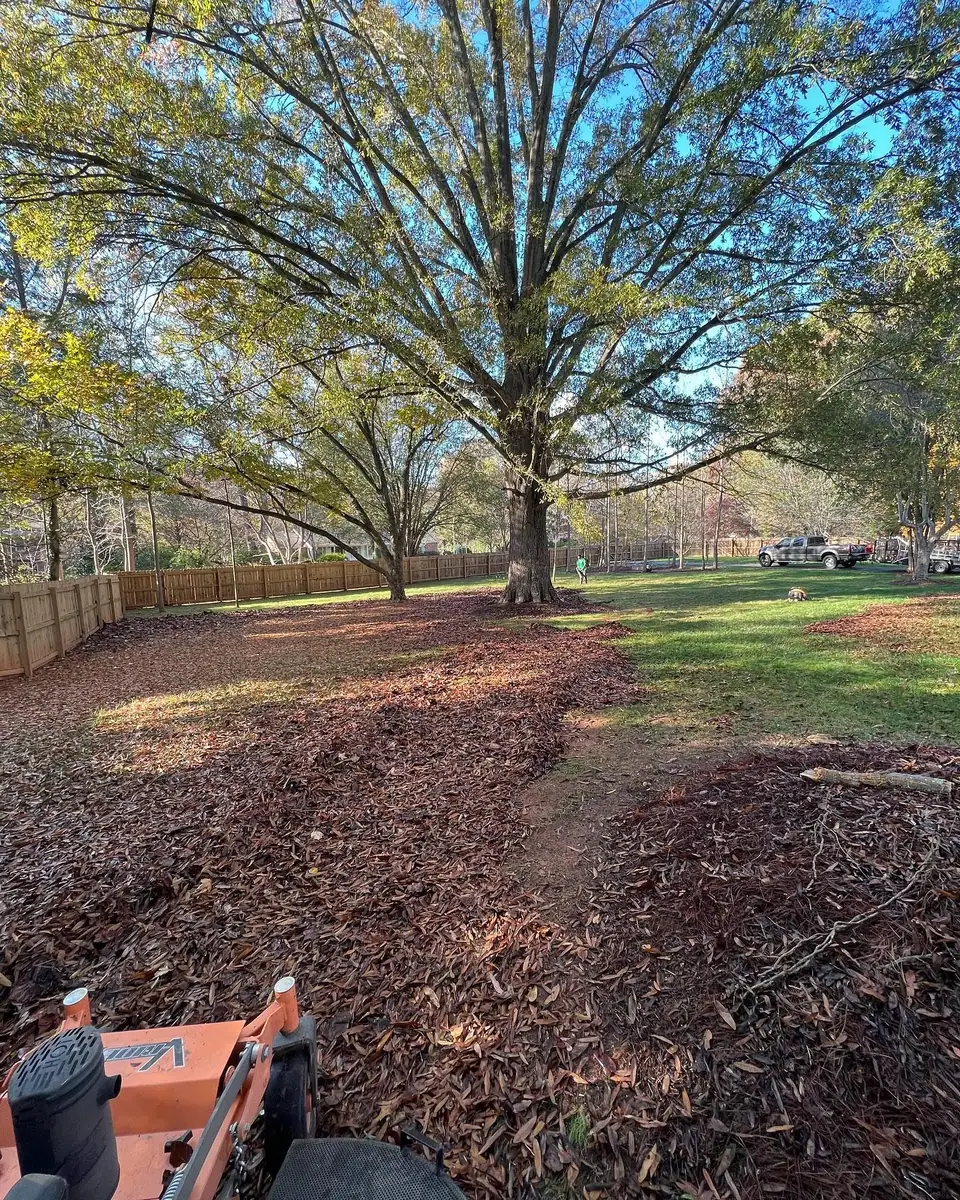
- Remove fallen leaves
Winter
- Minimize foot traffic
- Prepare equipment for the next season
- Plan for spring maintenance
Adapting your routine to the seasons keeps your lawn healthy year-round.
9. Dealing with Common Lawn Problems
Even well-maintained lawns can face challenges.
Brown patches
- Could be caused by drought, disease, or pests
Thin or bare spots
- Often due to poor soil or heavy traffic
Pest infestations
- Insects like grubs can damage roots
Fungal diseases
- Caused by excess moisture or poor airflow
Solution:
Identify the cause and address it promptly to prevent further damage.
10. Improving Soil Quality
Healthy soil is the foundation of a thriving lawn.
Ways to improve soil:
- Add organic matter like compost
- Test soil pH and adjust if needed
- Use soil amendments to enhance structure
Better soil leads to stronger, more resilient grass.
11. The Role of Professional Lawn Care Services
While DIY lawn care can be effective, professional services offer added benefits.
What professionals provide:
- Expert knowledge
- Advanced equipment
- Customized treatment plans
When to consider hiring professionals:
- Persistent lawn problems
- Large or complex properties
- Limited time for maintenance
Professional care can help you achieve faster and more consistent results.
12. Tips for Long-Term Lawn Success
Maintaining a beautiful lawn is a long-term commitment.
Key tips:
- Stay consistent with your routine
- Monitor your lawn regularly
- Address issues early
- Adjust your approach as needed
Small efforts over time lead to big results.
Final Thoughts
A green, healthy, and weed-free lawn doesn’t require perfection—it requires consistency, knowledge, and the right approach. By understanding your lawn’s needs and following proven maintenance practices, you can create an outdoor space that looks great and stays resilient throughout the year.
From proper mowing and watering to seasonal care and weed control, every step you take contributes to a stronger, healthier lawn. And when needed, professional support can help take your lawn to the next level.
With the right strategy, your yard can become a beautiful, functional space you’re proud to call your own.
Frequently Asked Questions (FAQs)
1. How often should I mow my lawn?
Typically once a week during the growing season, but it depends on grass growth.
2. What is the best time to water my lawn?
Early morning is ideal to reduce evaporation and prevent disease.
3. How do I prevent weeds naturally?
Maintain a thick, healthy lawn and mow at the proper height.
4. Is fertilizing necessary?
Yes, it provides essential nutrients for healthy growth.
5. When should I aerate my lawn?
Usually once a year, preferably during the growing season.
6. Can I maintain my lawn without professional help?
Yes, but professional services can save time and deliver more consistent results.
Need help with lawn maintenance?
Free, written estimates from an owner-led crew.