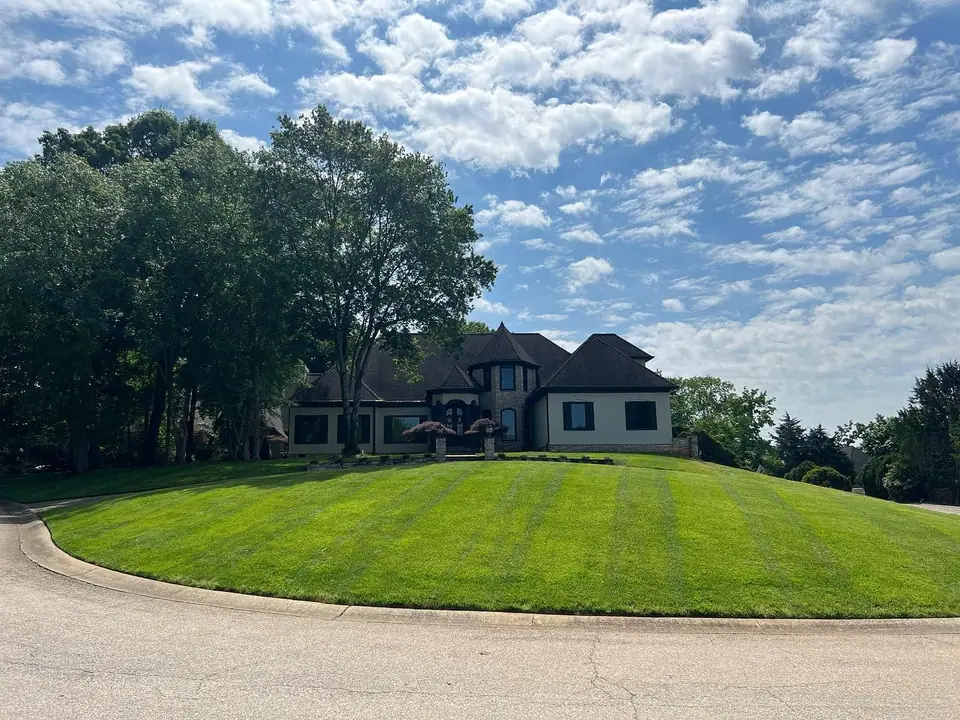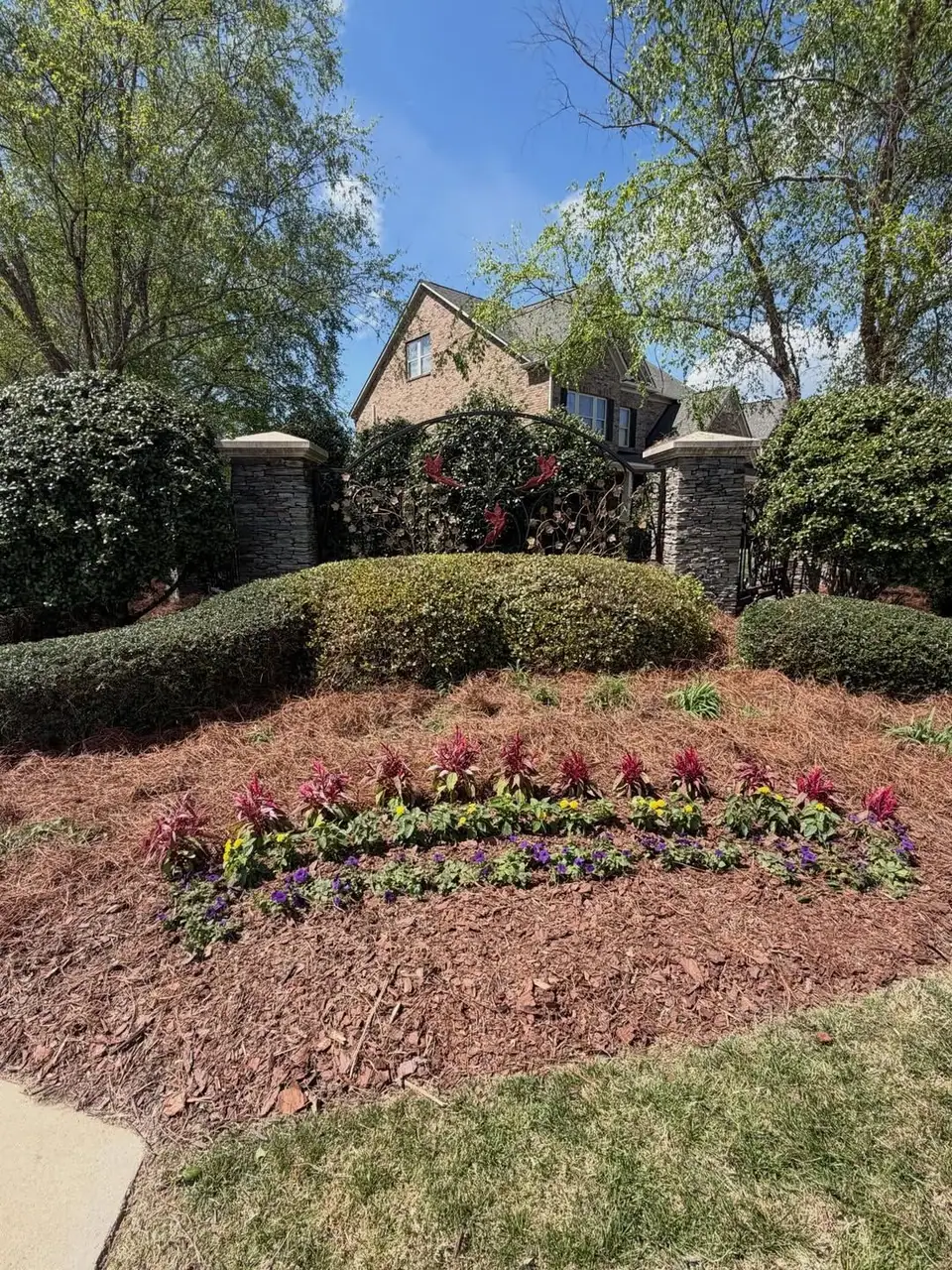
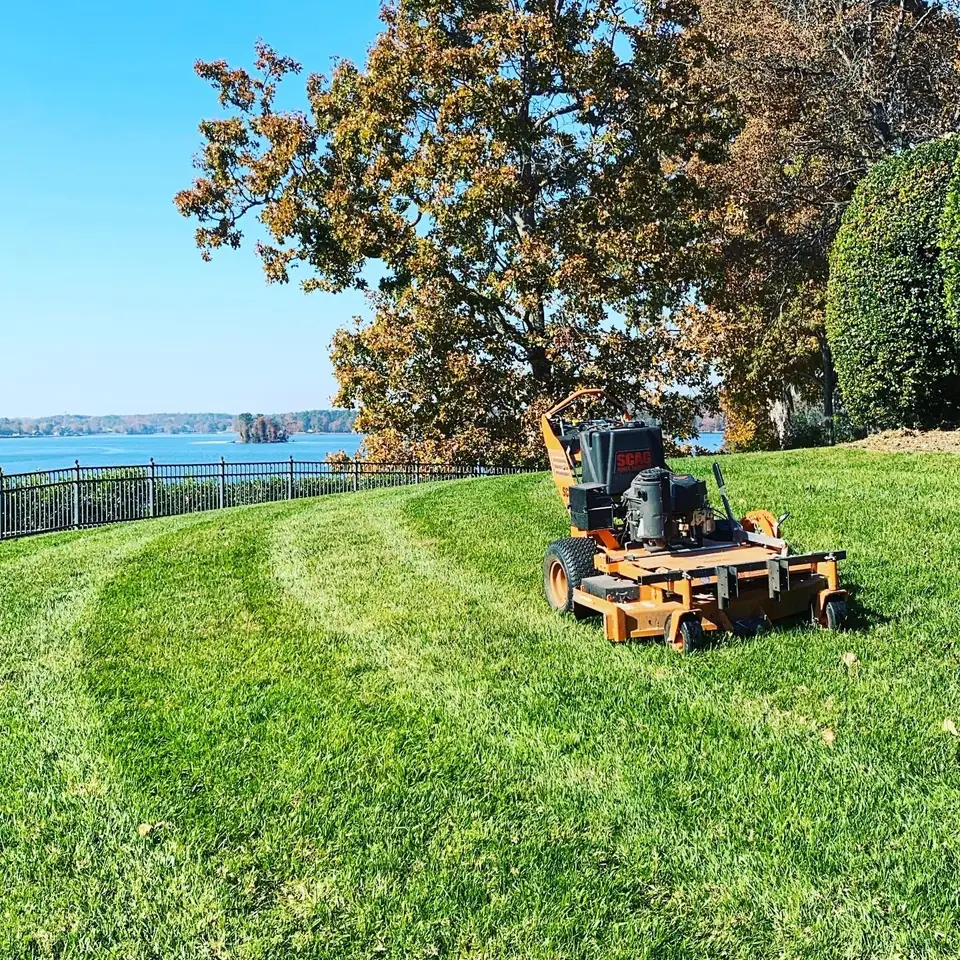
To switch HOA or commercial landscape companies cleanly, review your current contract’s notice terms, document the property’s condition with photos, write a clear scope and site map, collect bids against that scope, give written notice, set a start date that avoids a service gap and plan a catch-up period for beds, edging and pruning in the first few weeks.
Changing landscape contractors feels like a big decision for a board or property manager, but it does not have to be complicated. Most switches go badly for one of three reasons: the old contract’s notice terms were missed, nobody wrote down what the new company was supposed to do, or there was a gap of a few weeks with no service in the middle of mowing season. This checklist helps you avoid all three.
Galloway Scapes maintains HOA and commercial properties from Waxhaw, NC across Union County and York and Lancaster Counties in South Carolina. We often take over accounts mid-season. Here is how we recommend doing it. For an overview of our service, see HOA and commercial landscape maintenance.
How do you know it is time to switch landscapers?
It is usually time to switch when the same problems keep coming back after you have raised them: missed or irregular visits, beds full of weeds, edges that have disappeared, shrubs covering signs, leaves left for weeks, unapproved extra charges, or a contractor who does not return calls. One bad week happens to everyone. A pattern over a season is a signal.
Step 1: Read your current contract
Find the term, renewal date and termination clause. Many agreements require written notice, often thirty days or more, and some renew automatically. Note the date you must give notice by and whether notice has to go to a specific person or address. Doing this first keeps the transition clean and avoids paying for overlapping service.
Step 2: Document the property’s condition
Walk the property and take dated photos of each area: entrance, medians, beds, shrubs, amenity center, ponds and trails. Note any damage, dead plants, irrigation issues or erosion. These photos create a baseline. They help the board see the improvement after the change and protect everyone if questions come up later about what was damaged when.
Step 3: Write a scope and site map
If the current contract has a vague scope, this is the moment to fix it. List every area, the services each one gets and how often, mowing heights by season, mulch or pine straw timing, pruning rotations, seasonal color and the leaf plan. Attach a numbered site map. Our guide on how to write an HOA landscaping RFP walks through this in detail.
Step 4: Collect bids against the same scope
Invite a few qualified local contractors to walk the property and bid the same scope. Ask for proof of insurance, confirmation of a current pesticide license for chemical applications in your state, references from similar properties and the name of the person who will be your contact.
Step 5: Choose a contractor and set a start date
Pick a start date that lines up with the end of your current contractor’s notice period so there is no gap. In mowing season, even two missed weeks can leave turf overgrown and beds weedy. If you can, plan the switch for late winter, before mowing season begins, but a mid-season change is fine when it is planned.
Step 6: Give written notice
Send notice to the current contractor in writing, following the terms in the agreement. Keep it professional and brief. Confirm the last service date and ask for any keys, gate codes or irrigation controller access to be returned or shared.
Step 7: Share access and site details with the new contractor
Give the new company gate codes, amenity access, irrigation controller locations, any areas that are off-limits, preferred service days and hours, and the contacts for the board and manager. A short kickoff meeting or walk saves a lot of questions in the first month.
What happens in the first few weeks with a new landscaper?
Expect a catch-up period. When a property has slipped, the first visits usually focus on heavy bed weeding, re-cutting edges, pruning overgrown shrubs and cleaning up debris before settling into the regular schedule. A good contractor will tell you what they are prioritizing and when the property should be back to standard. Compare against your baseline photos after the first month.
Step 8: Set up regular check-ins
Agree on how you will communicate: visit notes, photos when something needs attention, and a property walk with the board or manager once or twice a year. Regular, short communication prevents the small issues that led to the switch in the first place.
Quick checklist
- Confirm the current contract’s term, renewal and notice requirements
- Take dated photos of every area
- Write a scope by area with a site map and calendar
- Collect bids against that scope
- Verify insurance, licensing and references
- Set a start date with no service gap
- Send written notice to the current contractor
- Share access, codes and contacts with the new contractor
- Review progress against your baseline photos after a month
More questions about switching
Will switching landscapers mid-season hurt the turf?
Not if the transition is planned. The risk comes from a gap in service, which lets turf get tall and then scalped when it is finally cut. Set the new start date to begin right after the last visit from the current contractor and the turf will not notice the change.
Should we tell the current contractor why we are switching?
Brief, professional feedback is fine, but it is not required. Focus on following the notice terms in the agreement, confirming the last service date and collecting any access codes or keys.
Can the new contractor fix problems left by the old one?
Usually, yes. Overgrown shrubs, weedy beds, lost edges and thin turf can all be brought back. Some issues, such as dead plants or erosion, need repair work that is quoted separately. Your baseline photos help the board decide what to prioritize first.
Local timing tips
Around Waxhaw, Fort Mill and Indian Land, the smoothest time to switch is December through February, before pre-emergent and spring mowing. The next best window is early summer, after spring color and mulch are done. The most difficult time is the peak of leaf season, when every contractor is stretched and the property needs repeat visits.
Thinking about a change?
If your HOA or commercial property in Waxhaw, Weddington, Fort Mill, Indian Land, Rock Hill or nearby is ready for a new landscape contractor, we will walk the property, document it, write a clear scope and give you a written bid with a start date that fits your notice period. Call (803) 487-5240.
Need help with hoa & commercial landscaping?
Free, written estimates from an owner-led crew.