The most common landscaping mistakes are planting shrubs too close to the house, ignoring drainage, piling mulch against trunks, mowing too short, choosing plants that don’t suit the sun or soil, and skipping a plan. Avoid them by designing for mature plant size and fixing drainage first.
A well-designed and properly maintained landscape can transform the appearance of a property, increase curb appeal, improve outdoor functionality, and even boost home value. However, achieving a beautiful and sustainable landscape requires more than simply planting flowers and mowing the lawn. Many homeowners unintentionally make landscaping mistakes that lead to unhealthy plants, drainage issues, increased maintenance costs, and disappointing results.
Whether you’re planning a complete landscape renovation or making small improvements to your yard, understanding common landscaping mistakes can help you make smarter decisions and protect your investment. By recognizing these errors and learning how to avoid them, you can create an outdoor space that remains attractive, functional, and easy to maintain for years to come.
Choosing Plants Without Considering Local Climate
One of the most common landscaping mistakes is selecting plants based solely on appearance. While colorful flowers and exotic plants may look appealing at a garden center, they may not thrive in your local climate.
Plants that are not suited to regional temperatures, rainfall patterns, humidity levels, and soil conditions often require excessive watering, fertilization, and maintenance. In many cases, they struggle to survive despite significant effort and expense.
How to Avoid It
Research plant species that are native or well-adapted to your area. Native plants typically require less water, fewer chemical treatments, and less maintenance because they are naturally suited to local growing conditions.
Before purchasing plants, consider:
- Average temperatures throughout the year
- Sunlight exposure
- Soil type
- Rainfall levels
- Seasonal weather changes
Working with a landscaping professional can help ensure your plant selections will thrive in your specific environment.
Ignoring Soil Quality
Healthy landscapes begin with healthy soil. Unfortunately, many homeowners focus on plants while overlooking the condition of the soil beneath them.
Poor soil can limit nutrient absorption, restrict root growth, cause drainage problems, and increase plant stress. Even high-quality plants may struggle if they are planted in unhealthy soil.
How to Avoid It
Conduct a soil test before beginning any major landscaping project. Soil testing can reveal:
- pH levels
- Nutrient deficiencies
- Organic matter content
- Drainage characteristics
Based on the results, you may need to amend the soil with compost, organic matter, or other nutrients to create optimal growing conditions.
Healthy soil provides a strong foundation for a successful landscape.
Planting Too Close Together
Many homeowners underestimate how large plants will become as they mature. Young shrubs, trees, and flowers often look small when first installed, leading homeowners to plant them too close together.
As plants grow, overcrowding can create several problems:
- Poor air circulation
- Increased disease risk
- Competition for water and nutrients
- Reduced sunlight exposure
- Frequent pruning requirements
Overcrowded landscapes often appear cluttered and unhealthy over time.
How to Avoid It
Always consider the mature size of plants rather than their size at purchase. Follow recommended spacing guidelines and allow sufficient room for future growth.
Patience is important in landscaping. Giving plants adequate space initially may make a garden look sparse at first, but it will result in a healthier and more attractive landscape in the long run.
Overwatering the Landscape
Many homeowners assume that more water equals healthier plants. In reality, overwatering is one of the leading causes of plant damage and landscape failure.
Excessive watering can:
- Promote root rot
- Encourage fungal diseases
- Weaken root systems
- Waste water
- Increase utility costs
Different plants have different watering needs, and applying the same amount of water throughout the landscape can create problems.
How to Avoid It
Water deeply but less frequently to encourage stronger root development.
Consider installing:
- Smart irrigation systems
- Drip irrigation
- Rain sensors
- Moisture sensors
These technologies help ensure plants receive the appropriate amount of water while minimizing waste.
Regularly inspect your landscape for signs of overwatering, including yellow leaves, mold growth, and soggy soil.
Neglecting Drainage Problems
Poor drainage can cause significant damage to both landscapes and properties. Standing water can kill plants, create muddy areas, encourage mosquito breeding, and contribute to foundation problems.
Many homeowners focus on aesthetic improvements without addressing underlying drainage issues.
How to Avoid It
Pay attention to areas where water collects after rainfall. Signs of drainage problems include:
- Standing water
- Soil erosion
- Soggy lawns
- Water stains near foundations
- Dying plants in wet areas
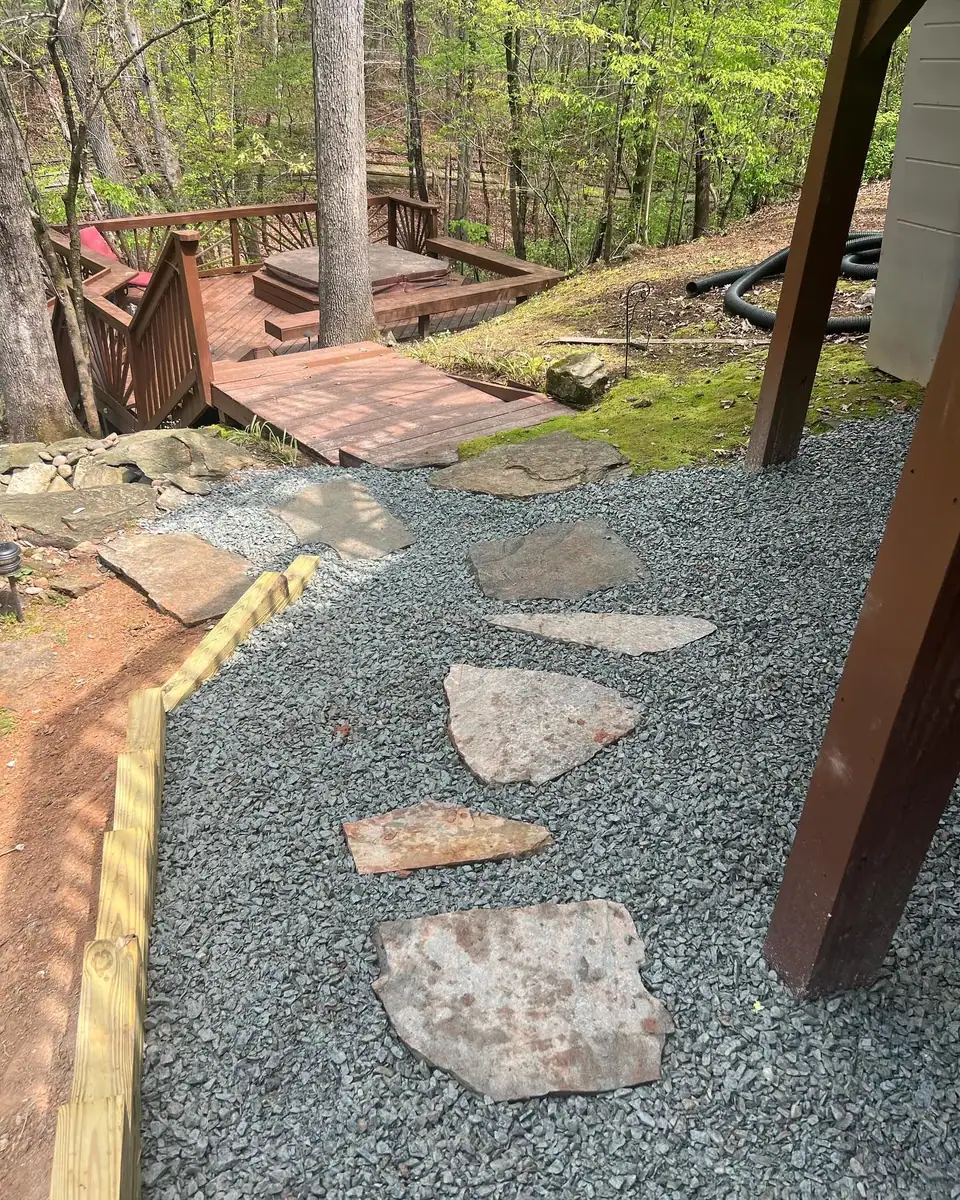
Professional drainage solutions may include:
- French drains
- Grading improvements
- Catch basins
- Swales
- Downspout extensions
Addressing drainage issues early can prevent costly repairs and protect your landscape investment.
Forgetting About Maintenance Requirements
Some landscapes look beautiful immediately after installation but become overwhelming to maintain over time.
High-maintenance landscapes often require:
- Frequent pruning
- Constant watering
- Regular fertilization
- Pest management
- Seasonal replacements
Many homeowners underestimate the time and effort required to maintain certain landscape features.
How to Avoid It
Design your landscape with realistic maintenance expectations.
Ask yourself:
- How much time can I dedicate to yard work?
- Do I want low-maintenance or high-maintenance plants?
- Will I hire professional maintenance services?
Choosing lower-maintenance plants and landscape features can save time, reduce costs, and help maintain a consistently attractive appearance.
Improper Tree Placement
Trees provide shade, beauty, and environmental benefits, but planting them in the wrong location can create significant problems.
Common issues include:
- Roots damaging sidewalks and driveways
- Branches interfering with power lines
- Foundation damage
- Blocked views
- Excessive shade
A tree that appears small today may become a major concern in the future.
How to Avoid It
Before planting a tree, consider its mature height and root spread.
Keep trees a safe distance from:
- Buildings
- Utility lines
- Septic systems
- Driveways
- Property boundaries
Proper placement allows trees to grow safely while maximizing their benefits.
Using Too Many Different Landscape Elements
Homeowners often try to incorporate every landscaping idea they like into a single yard. The result can be a cluttered and visually confusing landscape.
Too many colors, materials, plant types, and decorative features can overwhelm the space and reduce its overall appeal.
How to Avoid It
Create a cohesive landscape design with a consistent theme.
Choose a limited palette of:
- Plant varieties
- Hardscape materials
- Colors
- Decorative features
A unified design typically looks more professional, organized, and visually appealing.
Skipping Mulch Applications
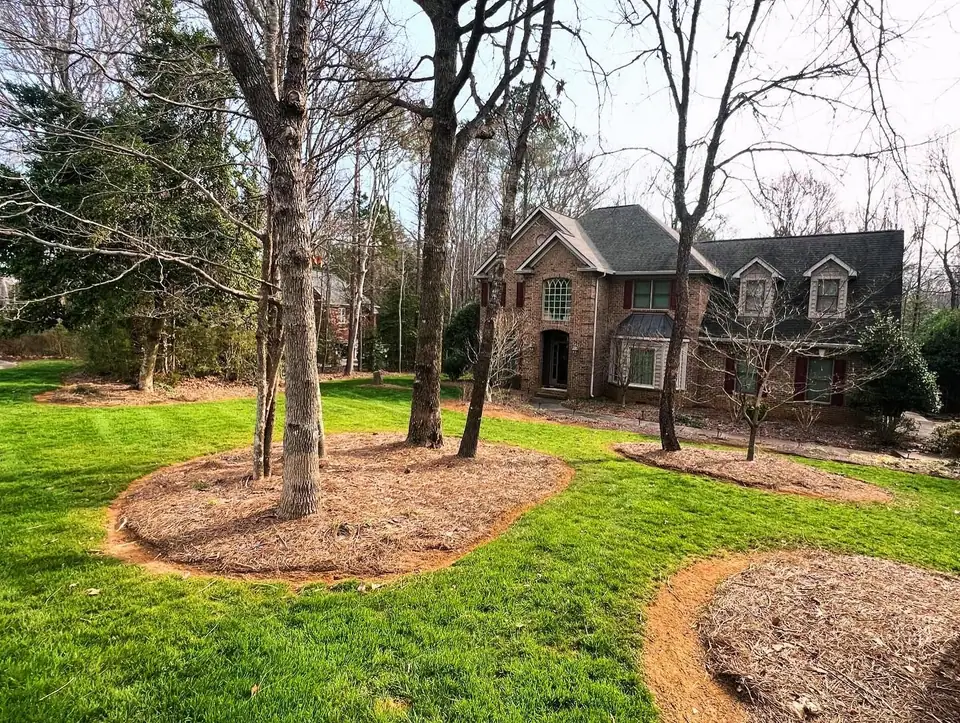
Mulch is one of the simplest and most effective tools for maintaining healthy landscapes, yet many homeowners either skip it entirely or apply it incorrectly.
Without mulch, landscapes may experience:
- Increased weed growth
- Soil erosion
- Moisture loss
- Temperature fluctuations
- Reduced soil health
How to Avoid It
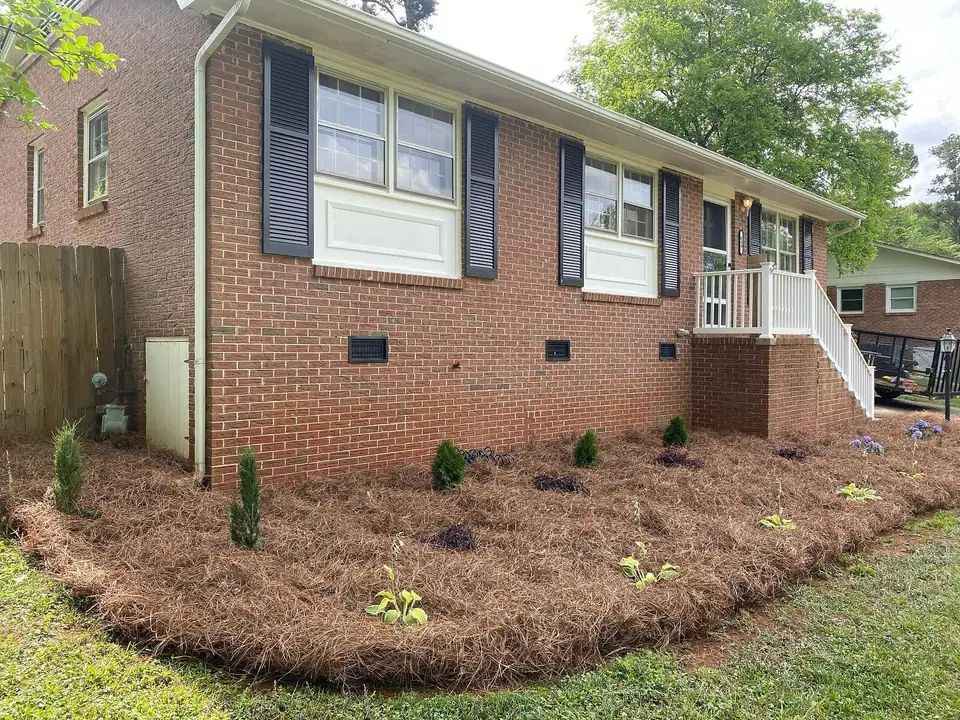
Apply a layer of mulch around plants, trees, and garden beds.
Benefits include:
- Moisture retention
- Weed suppression
- Improved soil health
- Enhanced appearance
- Temperature regulation
However, avoid piling mulch against tree trunks, which can lead to rot and pest issues.
Failing to Plan for Seasonal Changes
A landscape that looks beautiful in spring may appear bare and unattractive during other seasons if seasonal planning is overlooked.
Many homeowners focus on plants that bloom during a single season without considering year-round visual interest.
How to Avoid It
Incorporate a variety of plants that provide seasonal appeal throughout the year.
Consider including:
- Spring flowers
- Summer perennials
- Fall foliage
- Evergreen shrubs
- Winter-interest plants
A balanced landscape ensures beauty and color during every season.
Poor Lawn Care Practices
The lawn often serves as the foundation of a landscape, yet improper lawn care remains a widespread issue.
Common mistakes include:
- Cutting grass too short
- Overfertilizing
- Watering incorrectly
- Ignoring weeds
- Using dull mower blades
These practices can weaken turf and create ongoing maintenance challenges.
How to Avoid It
Follow proper lawn care guidelines:
- Mow at the recommended height
- Sharpen mower blades regularly
- Fertilize appropriately
- Water deeply and infrequently
- Address weeds promptly
Healthy lawns are more resistant to disease, pests, and environmental stress.
Ignoring Landscape Lighting
Landscape lighting is often considered an afterthought, but it plays a major role in safety, security, and aesthetics.
Without proper lighting, valuable landscape features may disappear after sunset, and walkways can become hazardous.
How to Avoid It
Strategically place lighting to highlight:
- Walkways
- Trees
- Architectural features
- Garden beds
- Outdoor living spaces
Energy-efficient LED lighting can improve nighttime visibility while enhancing the overall atmosphere of your property.
Attempting Complex Projects Without Professional Guidance
DIY landscaping projects can be rewarding, but some projects require specialized knowledge and equipment.
Common projects that often benefit from professional expertise include:
- Drainage solutions
- Retaining walls
- Large-scale grading
- Irrigation systems
- Landscape design
- Tree installation
Mistakes in these areas can lead to expensive repairs and ongoing issues.
How to Avoid It
Consult with experienced landscaping professionals when planning major projects. Professionals can help identify potential problems, develop effective solutions, and ensure the work is completed correctly.
While professional services involve an upfront investment, they often save money by preventing costly mistakes.
Overlooking Long-Term Growth and Property Changes
Many landscaping decisions focus on immediate results without considering future growth and changing needs.
As families grow and properties evolve, outdoor spaces should continue serving practical purposes.
How to Avoid It
Think long-term when planning your landscape.
Consider factors such as:
- Future tree growth
- Outdoor entertaining needs
- Children’s play areas
- Aging-in-place considerations
- Property expansion plans
A flexible landscape design can adapt to changing needs while maintaining its beauty and functionality.
Conclusion
Landscaping can dramatically improve the appearance, functionality, and value of a property, but success requires thoughtful planning and informed decision-making. Common mistakes such as poor plant selection, inadequate drainage, overcrowding, overwatering, and improper maintenance can undermine even the most ambitious landscaping projects.
By understanding these common pitfalls and implementing proven best practices, homeowners can create outdoor spaces that remain healthy, attractive, and sustainable for years to come. Investing time in proper planning, soil preparation, drainage management, and plant selection can prevent costly mistakes while maximizing the long-term benefits of your landscape.
Whether you’re refreshing an existing yard or starting from scratch, avoiding these common landscaping mistakes will help ensure your outdoor space becomes a lasting source of pride, enjoyment, and value.
Need help with landscape bed maintenance?
Free, written estimates from an owner-led crew.