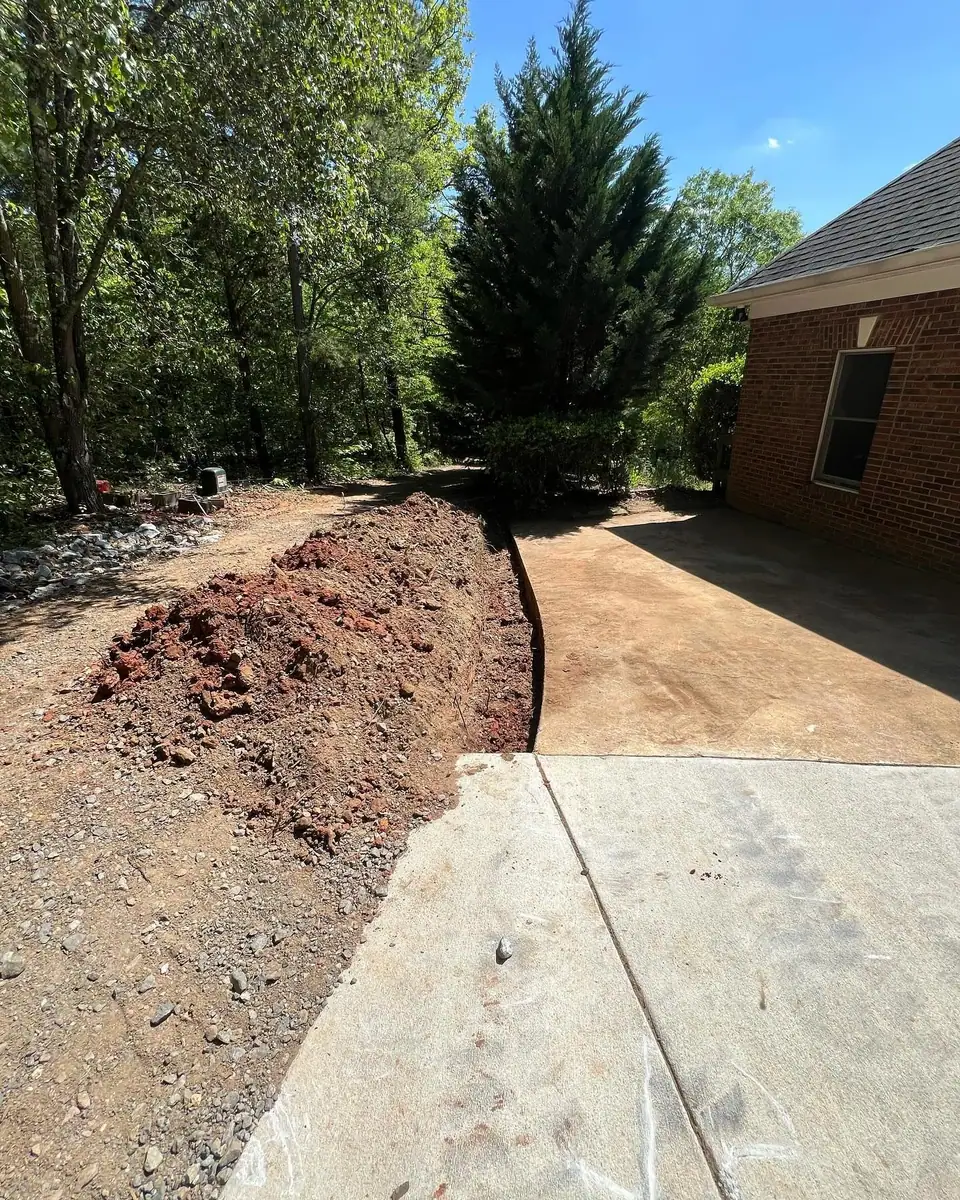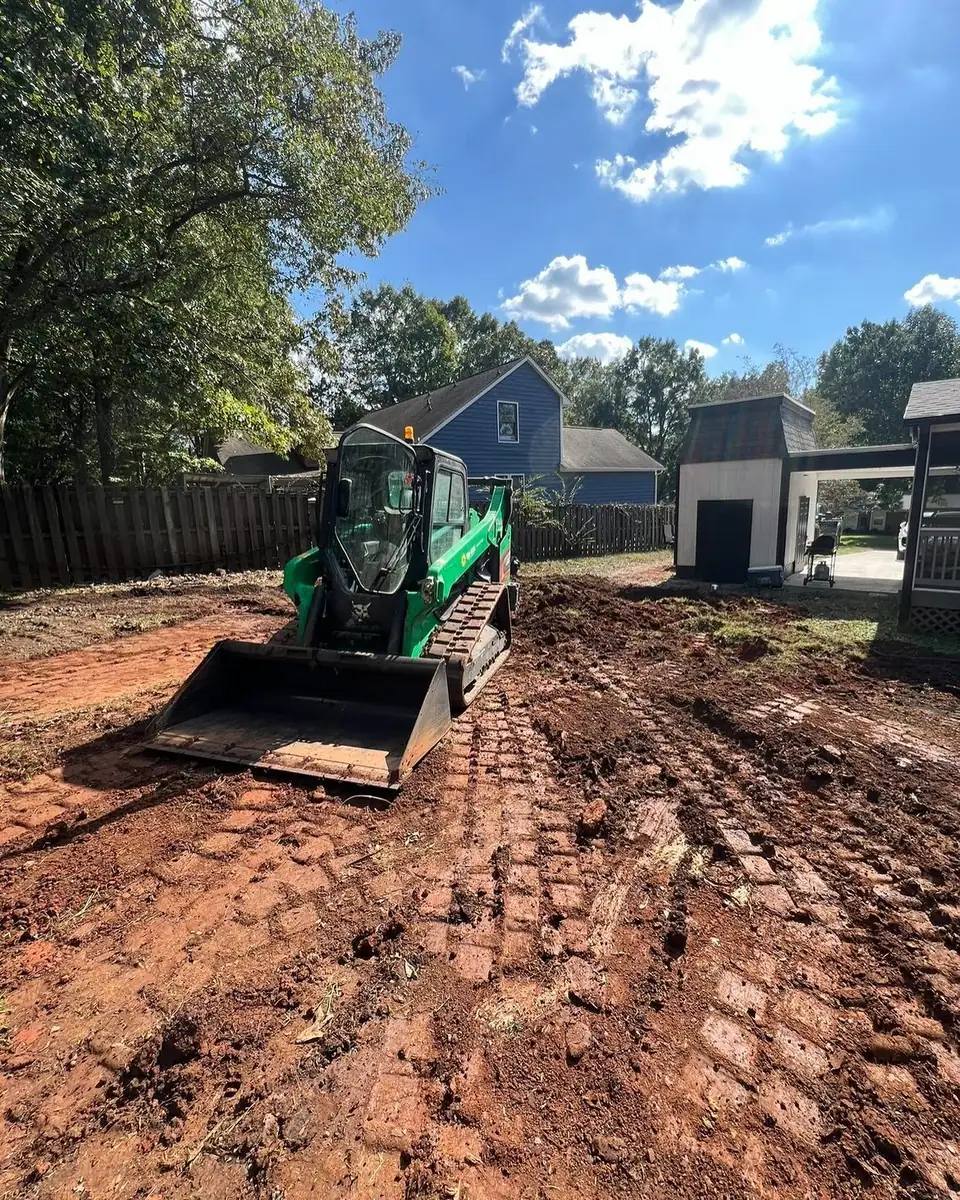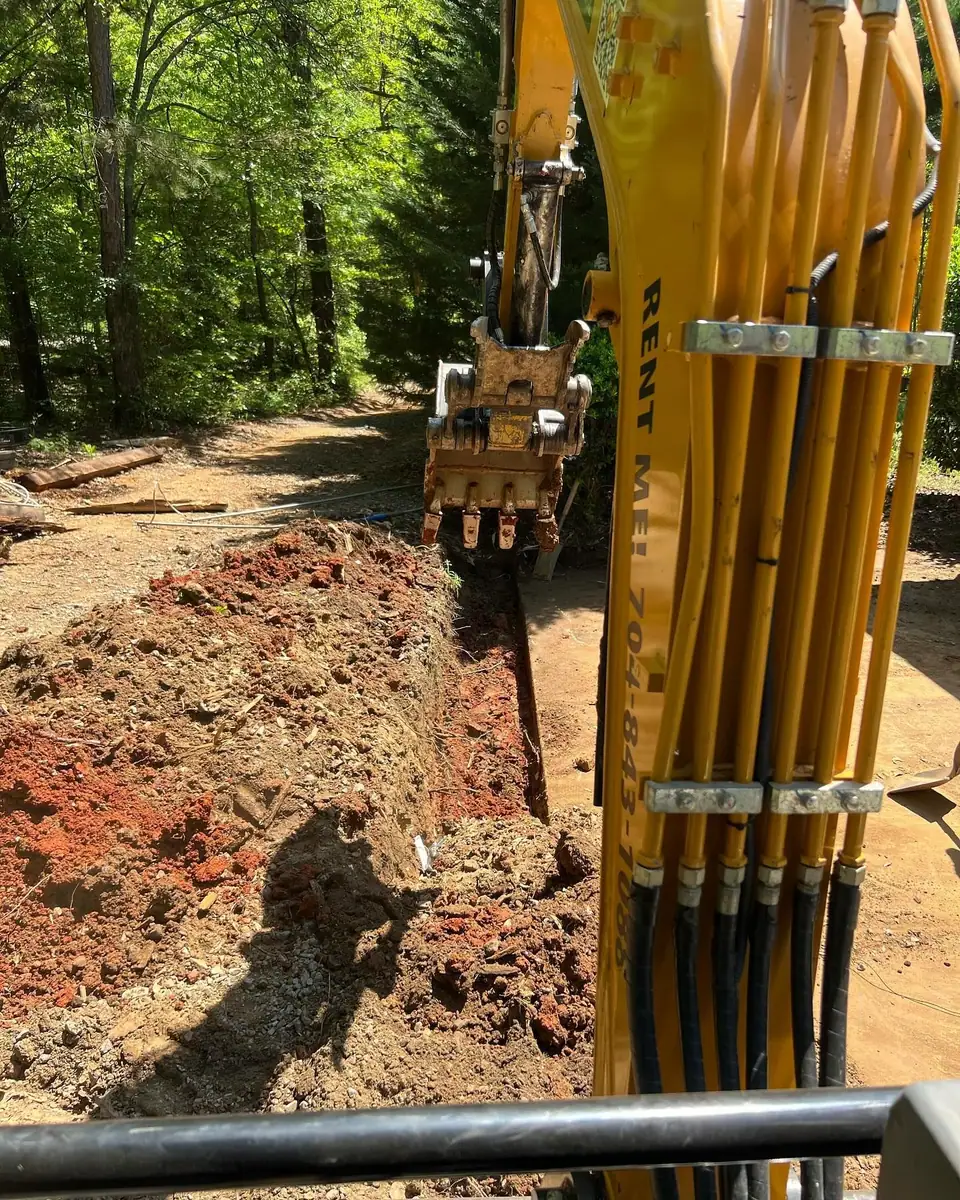
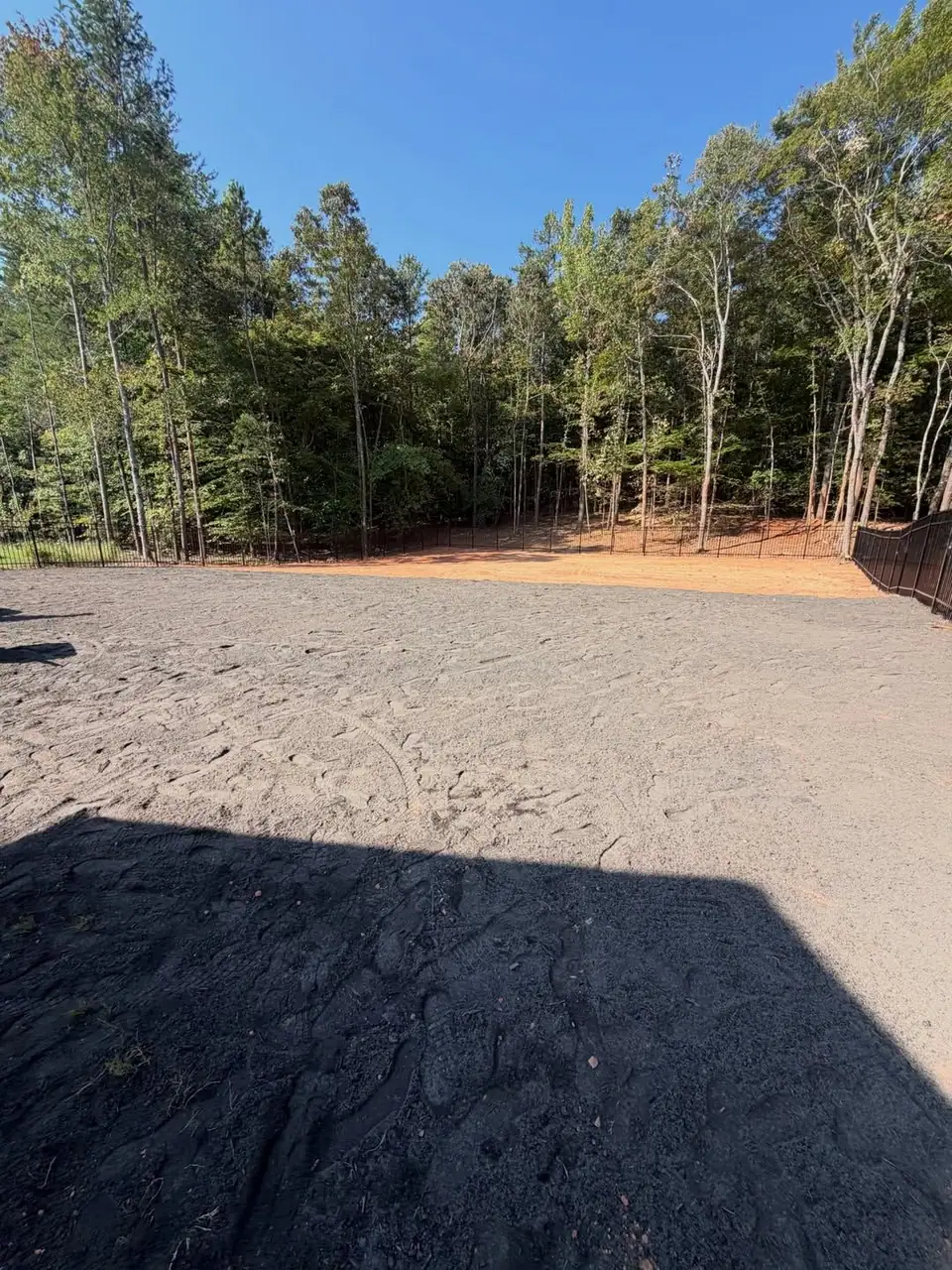
Your yard has standing water because the soil, usually dense clay around here, can’t absorb rain fast enough, or because the grade sends water to low spots or toward the house. Professional fixes include regrading, French drains, swales and buried downspout extensions, matched to the actual source.
A lush, green yard is something every homeowner takes pride in. But when you start noticing puddles that linger long after the rain has stopped, your outdoor space can quickly turn from beautiful to problematic. Standing water in your yard isn’t just an inconvenience—it’s a warning sign that something deeper is wrong with your landscape’s drainage system.
Left unaddressed, poor drainage can damage your lawn, harm your home’s foundation, attract pests, and even create health hazards. The good news? Most drainage issues can be identified and fixed with the right approach—and in many cases, professional drainage solutions provide long-lasting results.
In this comprehensive guide, we’ll explore why your yard has standing water, what it means, and how professional drainage solutions can fix it for good.
1. What Causes Standing Water in Your Yard?
Standing water doesn’t happen randomly—it’s usually the result of underlying drainage problems. Understanding the root cause is the first step toward finding the right solution.
Poor Soil Composition
Some soils, especially clay-heavy soil, don’t absorb water well. Instead of draining, water sits on the surface.
Improper Grading
If your yard slopes toward your home or has uneven areas, water will collect in low spots.
Compacted Soil
Over time, soil can become compacted due to foot traffic, heavy equipment, or lack of aeration, preventing water from soaking in.
Clogged or Inefficient Drainage Systems
Blocked drains, broken pipes, or outdated systems can cause water to back up.
Downspout Issues
If your gutters and downspouts aren’t directing water far enough away, it can pool around your yard.
Heavy Rainfall or Poor Water Runoff Design
In some cases, your yard simply isn’t designed to handle the volume of water it receives.
2. Why Standing Water Is a Serious Problem
It might seem harmless at first, but standing water can lead to a range of issues.
Lawn Damage
Excess water suffocates grass roots, leading to dead patches and unhealthy turf.
Foundation Risks
Water pooling near your home can seep into the foundation, causing cracks and structural damage.
Mosquito Breeding Grounds
Standing water creates the perfect environment for mosquitoes and other pests.
Soil Erosion
Improper drainage can wash away soil, damaging landscaping and exposing roots.
Mold and Mildew Growth
Excess moisture near your home can lead to mold issues both outside and inside.
Ignoring standing water can turn a small issue into a costly repair project.
3. Common Signs of Drainage Problems
Even if you don’t see large puddles, there are subtle signs that your yard may have drainage issues.
- Water pooling after rain
- Soggy or muddy areas that never dry
- Grass that appears yellow or dying
- Water stains on your home’s exterior
- Cracks in your foundation
- Basement dampness or leaks
Recognizing these early warning signs can help you take action before the problem worsens.
4. The Role of Yard Grading in Drainage
Grading refers to the slope and contour of your yard.
Why grading matters:
Water naturally flows downhill. If your yard isn’t graded correctly, water will collect in the wrong places.
Common grading issues:
- Low spots where water collects
- Slopes toward your home
- Uneven terrain
Professional solution:
Regrading your yard ensures water flows away from your home and into proper drainage areas.
5. How Soil Type Affects Drainage
Not all soil behaves the same way when it comes to water absorption.
Clay Soil
- Poor drainage
- Water sits on the surface
Sandy Soil
- Drains quickly
- May require water retention solutions
Loamy Soil
- Ideal balance of drainage and retention
Professional fix:
Soil amendments or aeration can improve drainage and overall lawn health.
6. Professional Drainage Solutions Explained
When DIY fixes aren’t enough, professional drainage systems offer long-term solutions.
French Drains
A trench filled with gravel and a perforated pipe that redirects water away from problem areas.
Surface Drains
Collect and channel water from the surface into a drainage system.
Downspout Extensions
Carry water further away from your home’s foundation.
Dry Creek Beds
Aesthetic drainage solutions that guide water naturally across your yard.
Catch Basins
Collect water in low areas and direct it into underground pipes.
Each solution is designed to address specific drainage problems, and professionals often combine multiple systems for the best results.
7. Why DIY Fixes Often Fall Short
Many homeowners try quick fixes like adding soil or digging trenches.
Common DIY mistakes:
- Incorrect grading
- Improper installation of drainage systems
- Temporary solutions that don’t address root causes
While DIY can help in minor cases, larger drainage issues usually require professional expertise.
8. Benefits of Hiring a Professional Drainage Expert
Professional landscaping and drainage specialists bring experience, tools, and knowledge to the job.
Key advantages:
- Accurate diagnosis of the problem
- Customized solutions
- Proper installation
- Long-lasting results
Professionals ensure the problem is fixed correctly the first time, saving you time and money.
9. Preventing Future Drainage Issues
Once your drainage problem is fixed, ongoing maintenance is essential.
Preventative tips:
- Keep gutters clean
- Inspect drainage systems regularly
- Avoid soil compaction
- Maintain proper yard grading
- Address small issues early
Preventative care helps protect your investment and keeps your yard in top condition.
10. When to Call a Professional
Some drainage issues require immediate attention.
Call a professional if:
- Water pools near your foundation
- Your basement shows signs of moisture
- Standing water persists for days
- Your lawn shows widespread damage
Delaying repairs can lead to more serious and expensive problems.
11. Cost vs Value of Drainage Solutions
Homeowners often hesitate due to cost, but drainage solutions are an investment.
What you gain:
- Protection for your home’s foundation
- Healthier lawn and landscaping
- Reduced maintenance costs
- Increased property value
In the long run, addressing drainage issues early can save you significant money.
12. Transforming Your Yard Into a Functional Space
Fixing drainage issues doesn’t just solve a problem—it improves your entire outdoor space.
With proper drainage, you can:
- Enjoy a dry, usable yard
- Enhance curb appeal
- Protect your home from water damage
- Create a healthier environment
A well-drained yard is not only functional but also beautiful.
Final Thoughts
Standing water in your yard is more than just a nuisance—it’s a sign that your drainage system isn’t working as it should. From poor grading and compacted soil to clogged drains and improper runoff design, the causes can vary—but the impact is always significant.
The key to solving the problem is identifying the root cause and choosing the right solution. While small issues may be manageable on your own, professional drainage solutions provide long-term results that protect your lawn, your home, and your investment.
If you’re dealing with persistent standing water, don’t wait. Taking action now can prevent costly damage and help you reclaim your outdoor space.
Frequently Asked Questions (FAQs)
1. How long should water stay in my yard after rain?
Ideally, water should drain within 24 hours. Longer pooling indicates a drainage issue.
2. Can standing water damage my home?
Yes, it can lead to foundation damage, mold, and structural issues.
3. What is the best drainage solution for my yard?
It depends on the cause of the problem. A professional assessment is recommended.
4. Are drainage systems expensive?
Costs vary, but they are a worthwhile investment compared to potential damage.
5. Can I fix drainage problems myself?
Minor issues may be manageable, but larger problems often require professional solutions.
6. Will fixing drainage improve my lawn?
Yes, proper drainage promotes healthier grass and landscaping.
Need help with drainage?
Free, written estimates from an owner-led crew.