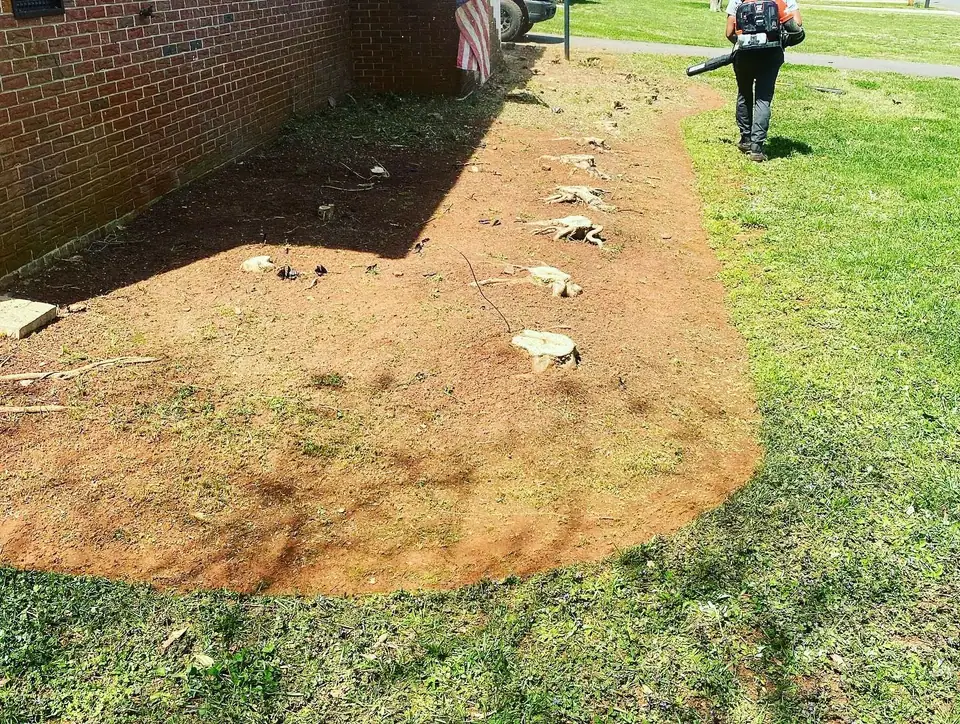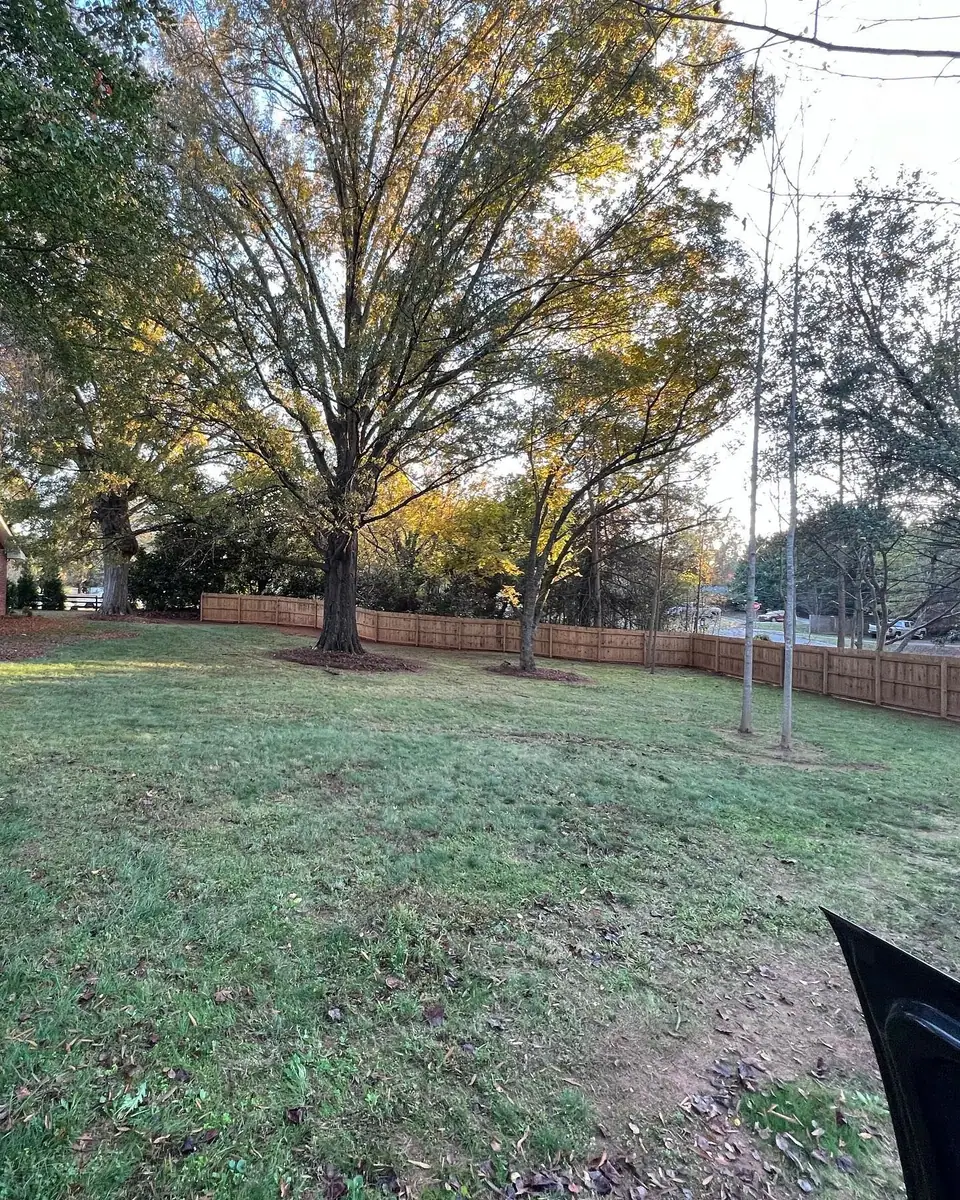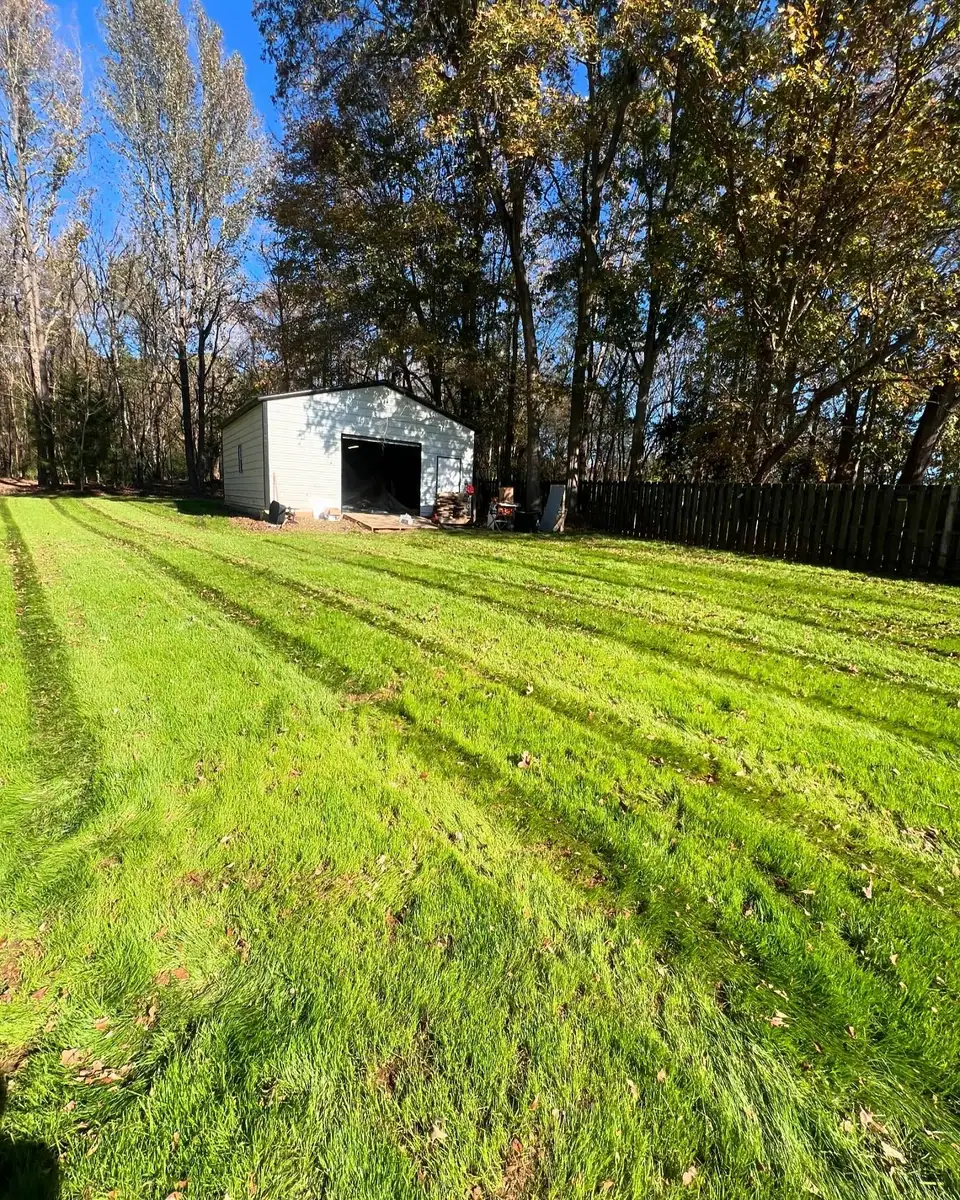
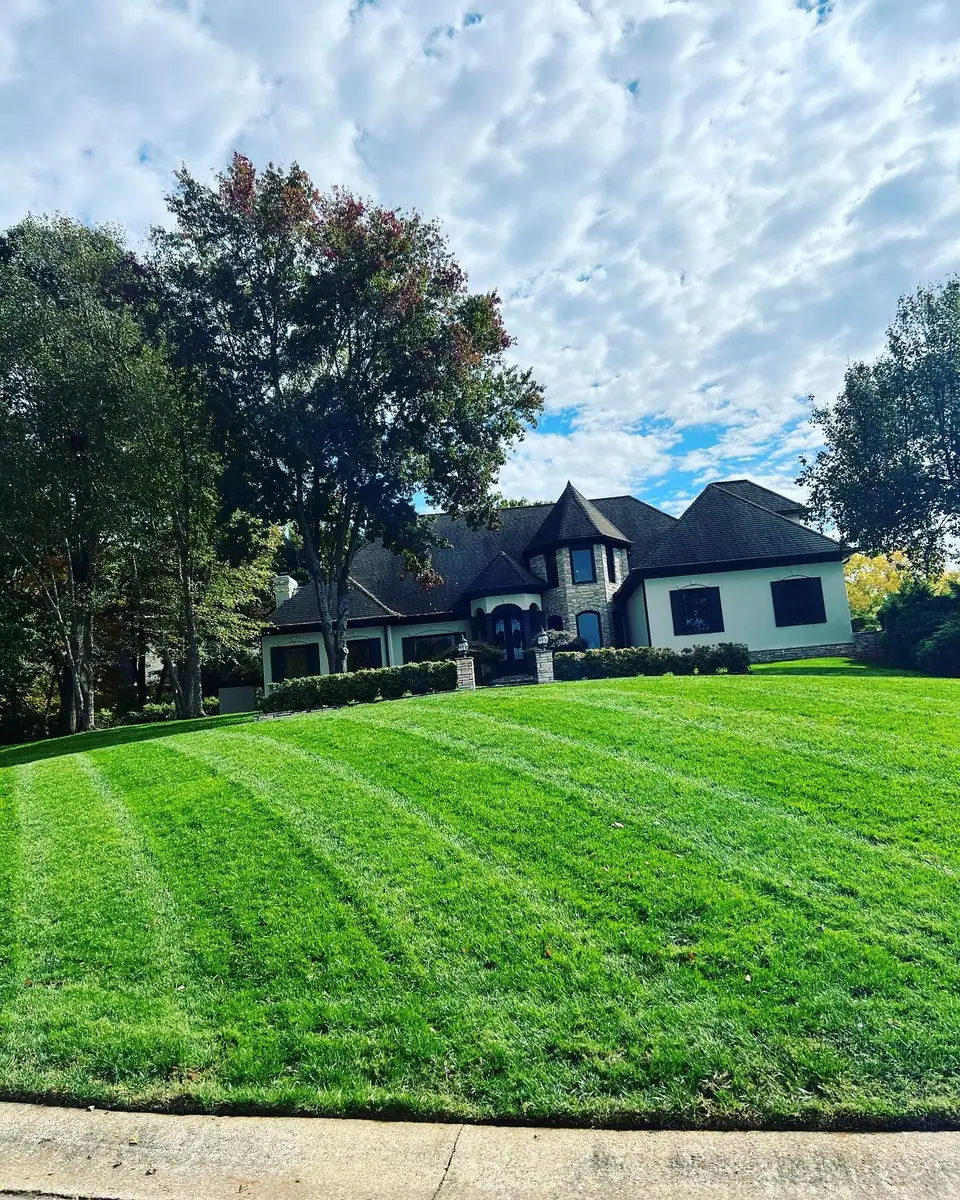
Lawn fertilization and weed control in Waxhaw, NC work best on a calendar built for your grass. Tall Fescue gets two rounds of pre-emergent in spring, light feeding and spot weed control in summer, fertilizer and lime with fall aeration and overseeding, and a winter feeding. Bermuda gets pre-emergent in spring and again in fall, with most of its fertilizer from late spring through summer.
Most lawn care questions we hear in Waxhaw come down to two things: why are the weeds back, and why does the grass look thin? The answer is usually timing. Lawn fertilization and weed control in Waxhaw, NC are less about which product goes down and more about when, and the right “when” is different for Tall Fescue and Bermuda.
This guide breaks down a seasonal treatment calendar for local lawns, why red clay changes the plan, and how treatments fit with mowing, aeration and seeding. Galloway Scapes handles lawn care in Waxhaw and the surrounding towns, and our year-round Lawn Program runs this calendar for you.
- Pre-emergent stops crabgrass and other weeds before they sprout
- Spot treatments handle broadleaf weeds that get through
- Fertilizer and lime are timed to when your grass is actively growing
- Fescue and Bermuda need different calendars, sometimes in the same yard
Know your grass before you treat it
Waxhaw sits in the transition zone, where cool-season and warm-season grasses both grow. Tall Fescue stays green most of the year, grows best in spring and fall and tolerates shade, which is why it is common under mature trees. Bermuda loves full sun and heat, spreads aggressively and goes tan and dormant after the first hard frosts. Many newer, sunny lots have Bermuda; many older, shaded yards have Fescue. Some properties have both.
That matters for treatments because feeding a grass when it is dormant or stressed wastes product and can feed weeds instead. Fescue is fed lightly in summer heat and more heavily in fall. Bermuda gets most of its feeding from late spring through summer when it is actively growing. If you are not sure which you have, we identify it on the first walkthrough.
Pre-emergent weed control timing in Waxhaw
Pre-emergent forms a barrier at the soil surface that stops weed seeds like crabgrass from establishing. It does nothing to weeds that are already growing, so timing is everything. It needs to go down in late winter to early spring, before soil temperatures warm enough for crabgrass to germinate, and a second round a few weeks later extends the protection into summer.
Bermuda lawns get two more rounds in fall to stop winter weeds such as annual bluegrass before they appear. Fescue lawns are handled differently in fall, because most pre-emergents also stop grass seed from germinating. If a Fescue lawn is being overseeded, pre-emergent and seeding have to be coordinated, or the new seed won’t come up. That conflict is one of the most common reasons DIY overseeding fails.
A fertilizer and weed control calendar for Fescue
- Spring: two rounds of pre-emergent weed control, plus spring cleanup and the start of weekly mowing
- Summer: Ironite and light fertilizer, spot spraying for weeds and a higher mowing height to protect the turf
- Fall: core aeration, overseeding, starter fertilizer and lime, the most important season for Fescue
- Winter: a winter fertilizer to carry the roots through
The mistake we see most with Fescue is pushing heavy fertilizer in June and July to “green it up.” Fescue is stressed in summer heat, and the better fix for a lawn that looks great in May and thin by August is fall aeration and overseeding, not more summer feeding.
A fertilizer and weed control calendar for Bermuda
- Spring: two rounds of pre-emergent weed control as the lawn starts to wake up
- Summer: Ironite, fertilizer, spot spraying, lime and core aeration in June and July
- Fall: two more rounds of pre-emergent, plus leaf cleanup
- Winter: dormant season, with leaves and bed upkeep while the grass rests
Bermuda is not overseeded with Fescue. The two grasses compete and the result looks patchy, so thin Bermuda is thickened with proper feeding, summer aeration and mowing at a lower height that encourages it to spread.
Why red clay changes lawn treatments
Most Waxhaw lawns sit on dense red clay, often compacted further during construction. Clay holds nutrients well, but it compacts easily and drains slowly, so roots stay shallow and water and fertilizer run off instead of soaking in. That is why core aeration is part of the treatment plan rather than a separate idea: it opens the soil so fertilizer and lime actually reach the root zone.
Clay soils in this region also tend to be acidic, and grass struggles to use nutrients when the pH is off. Lime is applied when the soil calls for it, often alongside fall aeration on Fescue and in summer on Bermuda.
Why licensed weed control matters
Weed control and plant treatments applied for hire should be made by a licensed applicator. Galloway Scapes holds North Carolina and South Carolina Pesticide Application Licenses and an Ornamental & Turf License, so treatments in turf and beds are handled in-house by the same crew that mows rather than subcontracted. That also means the person applying the product sees the lawn every week and can spot a problem early.
Fertilization, weed control and weekly mowing together
Treatments and mowing work as a system. Mowing at the right height every 7 to 10 days lets thick turf shade out weeds; scalping a Fescue lawn opens gaps for crabgrass no matter how good the pre-emergent was. Keeping leaves off the lawn in fall lets light reach new seedlings. A plan that keeps all of it on one schedule is why many homeowners choose a year-round program over separate mowing and spraying services. If you only want the mowing, our weekly lawn care covers that, and treatments can be planned around it.
We follow the same approach for lawns in Weddington, Marvin and Indian Land, adjusting for shade, sun and grass type on each property.
Questions from local homeowners
When should I apply pre-emergent in Waxhaw, NC?
Pre-emergent goes down in late winter to early spring, before soil temperatures warm enough for crabgrass to germinate, usually with a second round a few weeks later. Bermuda lawns also get two rounds in fall. On Fescue lawns, fall pre-emergent has to be coordinated with overseeding, because most pre-emergents also stop grass seed from germinating.
Can I overseed and use weed control at the same time?
Usually not with a standard pre-emergent, because it prevents grass seed from sprouting along with the weeds. If you plan to overseed a Fescue lawn in fall, tell your lawn care provider so the timing can be coordinated.
Why do weeds keep coming back in my lawn?
The most common reasons are pre-emergent applied too late or only once, thin turf that leaves bare soil for weeds, mowing too short and compacted clay that weakens the grass. Fixing the timing and thickening the lawn with aeration and overseeding usually does more than spraying more often.
How often should a Waxhaw lawn be fertilized?
It depends on the grass. Fescue is fed in spring, lightly in summer, with starter fertilizer in fall and again in winter. Bermuda gets most of its feeding from late spring through summer. A plan built for your grass type matters more than the number of applications.
Is lime necessary for lawns in Union County?
Clay soils in this region tend to be acidic, which makes it harder for grass to use nutrients. Lime helps bring the pH back into range and is applied when the soil calls for it, often with fall aeration on Fescue and in summer on Bermuda.
Want a treatment calendar built for your lawn? Request a free estimate or call (803) 487-5240. We will identify your grass, look at the soil and weeds, and give you a written plan.
Need help with lawn maintenance?
Free, written estimates from an owner-led crew.